
Boll Weevil Monument
About Boll Weevil Monument
Key Features
More Details
Updated April 15, 2024
World’s Largest Boll Weevil Monument: world record in Enterprise, Alabama
## Visiting the Boll Weevil Monument in Enterprise, Alabama
In the middle of downtown Enterprise, Alabama, a classical statue of a woman hoists an enormous insect above her head. This is the Boll Weevil Monument, one of the most unusual landmarks in the United States and widely regarded as the world’s first monument dedicated to an agricultural pest.
For travelers exploring southern Alabama, it’s a quick but genuinely thought-provoking stop: part roadside oddity, part lesson in agricultural history, and part local symbol of resilience.
—
## Quick Facts for Travelers
– Location: Intersection of Main Street and College Street, downtown Enterprise, Coffee County, Alabama (around 101 Main St, Enterprise, AL 36330). America
– Coordinates: Approximately 31.3144° N, 85.8540° W, matching the city center location given in your data. America
– Type of site: Open-air tourist attraction and historic monument.
– Access & hours: The statue stands in the middle of a public intersection; recent listings describe it as accessible 24 hours a day and illuminated at night. Always check locally for any temporary changes due to construction or events.
– Cost: There is no admission fee to view the monument itself; you’re simply walking up within the downtown streetscape (always use crosswalks and follow traffic signals when approaching). This follows from its open public-street location.
—
## Why a Town Built a Monument to a Pest
To understand why travelers detour here, you need the backstory. The boll weevil (Anthonomus grandis), a small beetle native to Mexico, arrived in the U.S. cotton belt in the late 19th century and spread across the South. Magazine
– By about 1915, boll weevils had reached Coffee County, where Enterprise is located. Farmers were losing much of their cotton crop—sources describe losses on the order of most of the harvest in a given year.
– A local businessman, H. M. Sessions, saw opportunity in the disaster. He promoted peanut farming as an alternative and worked with farmer C. W. Baston, whose successful 1916 peanut crop helped pay off debts and supplied seed for other farmers.
– By 1917, Coffee County had become one of the leading peanut-producing counties in the United States, and the region diversified into multiple crops instead of relying on cotton alone.
The boll weevil, which devastated cotton, effectively forced farmers to diversify and modernize their agriculture. Enterprise’s residents looked back and concluded that, paradoxically, the pest had helped save their local economy by pushing them away from over-dependence on a single crop.
To mark that turning point, businessman Bon Fleming led a campaign to fund and erect a monument in downtown Enterprise celebrating this strange “herald of prosperity.”
—
## What You’ll See at the Monument Today
### The Statue and Fountain
The Boll Weevil Monument consists of:
– A classically styled female figure, in flowing robes, standing at the center of a small fountain basin. Obscura
– The woman holds a pedestal over her head, and on top of it sits a large representation of a boll weevil.
– The entire structure stands in the middle of the Main & College Streets intersection, creating a 360-degree viewpoint from each corner of the crossroads. America
Originally, when the statue was unveiled in 1919, the woman held a simple fountain bowl rather than an insect. The boll weevil figure was added about 30 years later, in the late 1940s, crafted by local artisan Luther Baker, turning the statue into the insect monument visitors recognize today. AL
### The Inscription
A nearby historical marker and plaque carry the inscription that has become famous among roadside-attraction fans and historians:
> “In profound appreciation of the Boll Weevil and what it has done as the herald of prosperity, this monument was erected by the citizens of Enterprise, Coffee County, Alabama.” Extension
That phrase—“herald of prosperity”—is the key to the whole story and a useful quote if you’re captioning your own photos or writing about the site.
### Replica vs. Original Statue
A detail that’s easy to miss if you’re just snapping a quick photo: the figure you see in the intersection is a replica.
– Over the decades, the monument was repeatedly vandalized. At times, the boll weevil figure—and even parts of the statue—were stolen or damaged.
– In 1998, a serious act of vandalism damaged the original statue to the point that restoring it for outdoor display was not considered practical. The city installed a polymer-resin replica in the intersection and moved the original indoors.
– The original statue has been displayed at the Enterprise Depot Museum and, more recently, at the Pea River Historical and Genealogical Society’s gift shop a short distance away, where it is protected from weather and further damage.
If you’re particularly interested in public memory, conservation, or the way communities preserve contested monuments, it’s worth checking local information on where the original statue is currently housed and whether it’s on view when you visit.
Note: display locations and opening hours for the museum and gift shop can change; always confirm with local sources or official city websites before relying on them.
—
## Historical Significance and Context
### A Monument on the National Register
The Boll Weevil Monument is not just a quirky roadside stop; it’s also listed on the National Register of Historic Places. It was added in 1973, with the Bama Foundry Company noted as the architect/fabricator.
### First Monument to an Agricultural Pest
Multiple historical and tourism sources describe this as the first monument in the world dedicated to an agricultural pest, and commonly as the only such monument honoring a pest for its positive economic impact.
From a travel-history perspective, that makes Enterprise an important case study in how communities turn ecological or economic catastrophe into symbolic capital—a story the city actively promotes as a lesson in adapting to change.
### Links to Broader U.S. History
The boll weevil’s impact went far beyond this one Alabama town:
– Across the American South, the insect caused massive economic losses in the cotton industry from the late 19th through mid-20th centuries. Estimates of total losses run into the tens of billions of dollars (in historical dollars), and the pest triggered large federal eradication programs. Magazine
– Scholars have linked the boll weevil’s destruction of cotton harvests to wider social shifts, including the Great Migration of African Americans away from agricultural work in the South, and changes in education and civil-rights-related indicators. Magazine
Enterprise’s decision to celebrate the weevil emphasizes one side of that story: economic reinvention through crop diversification, especially peanuts. At the same time, the wider historical research makes it clear that the boll weevil’s impacts were not evenly distributed; Black farmers and sharecroppers often bore disproportionate hardships. Magazine
For modern visitors, acknowledging both the local prosperity story and the broader context adds nuance to what might otherwise look like a purely whimsical roadside monument.
—
## Practical Tips for Your Visit
### Getting There and Orientation
– The monument stands at the center of the Main & College intersection in downtown Enterprise, a compact area with small businesses, shops, and local restaurants. America
– Because it is literally in the middle of an active intersection, you’ll view and photograph it from the surrounding corners and sidewalks. For close-up shots of the plaque and fountain details, use the crosswalks and obey signals—traffic flows around the monument island.
### Time Needed
– Most travelers spend 10–20 minutes here: enough to read the marker, walk around the fountain, and take photos from several angles. This estimate is based on typical visitor descriptions and the compact nature of the site; there is no formal guided tour on the street itself.
### Pairing with Nearby Sites
Without assuming specific pages on your site, two natural “internal-link topics” around this stop are:
– Enterprise’s Depot Museum and local history trails, which often feature more information on the original statue and the town’s railroad and agricultural past. America
– Regional road-trip routes through southeast Alabama, especially if you’re connecting Dothan, Enterprise, and the Gulf Coast or exploring U.S. Army Aviation heritage at nearby Fort Novosel’s aviation museum. America
You can position the Boll Weevil Monument as a short, high-impact stop along a broader south-Alabama itinerary.
—
## When to Go and What to Expect
– Any time of day: The monument is outdoors and, according to recent listings, effectively accessible around the clock, with lighting that makes it visible at night. Always treat the posted hours and local conditions as authoritative if they differ from online listings.
– Events & festivals: Enterprise occasionally organizes downtown events, parades, and festivals where the monument becomes a focal point or backdrop. Event details, themes, and dates change year to year, so verify with current city or tourism calendars rather than relying on older examples.
Because this is a public street location, accessibility is generally better than at many historic buildings, but people with mobility impairments will still want to check curb ramps and sidewalk conditions in current local documentation or mapping imagery.
—
## Why It’s Worth a Stop
The Boll Weevil Monument is not a half-day attraction, but it punches above its size for travelers interested in:
Table of Contents
Key Highlights
Boll Weevil Monument
Location
Places to Stay Near Boll Weevil Monument
Find and Book a Tour
Explore More Travel Guides
No reviews found! Be the first to review!
Traveler Reviews for Boll Weevil Monument
There are no reviews yet. Be the first one to write one.
Have you visited Boll Weevil Monument? Help other travelers by sharing your review.
You Might Also Like
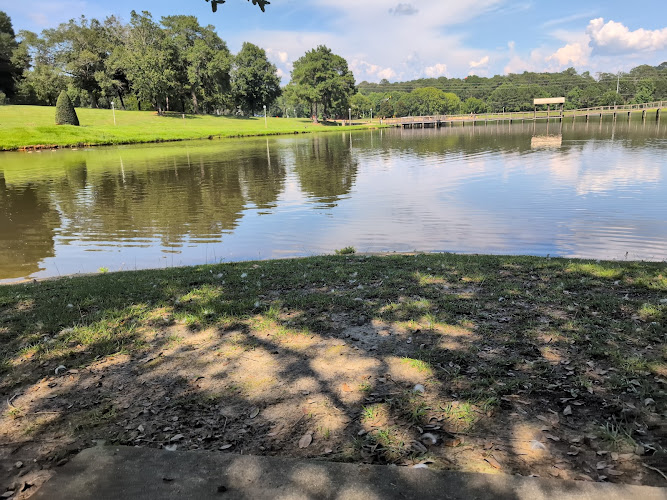
Johnny Henderson Family Park
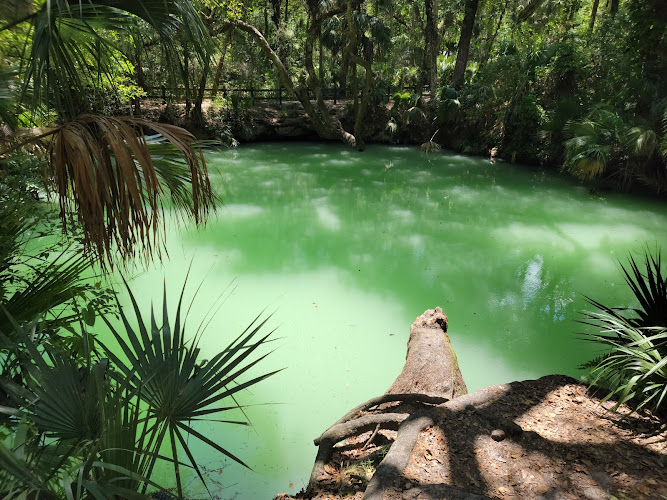
Green Springs Park
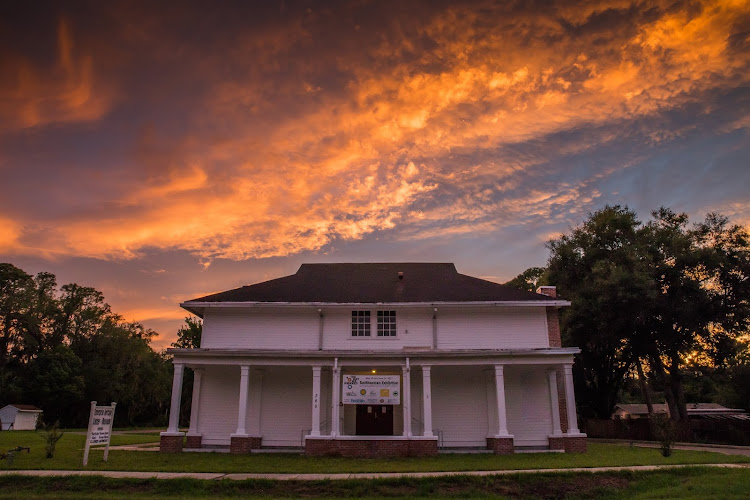
Enterprise Museum
Find Accommodations Nearby
Recommended Tours & Activities
Visitor Reviews
There are no reviews yet. Be the first one to write one.
Share Your Experience
Have you visited Boll Weevil Monument? Help other travelers by leaving a review.