

BODY WORLDS Amsterdam
About BODY WORLDS Amsterdam
Description
Body Worlds Amsterdam is one of those places that completely changes the way you think about, well, yourself. It’s not your typical museum filled with dusty artifacts or paintings behind glass. Instead, it’s a deep dive—quite literally—into the human body. Every exhibit here uses real human and animal specimens preserved through a process called plastination, a technique invented by Dr. Gunther von Hagens. It’s fascinating, a little eerie, and oddly beautiful all at once. The current theme, “The Happiness Project,” explores how emotions and lifestyle choices affect our physical health. It’s science meeting art, with a touch of philosophy thrown in for good measure.
Walking through its multi-level galleries, you see human figures in motion—running, dancing, even playing sports—each one stripped down to reveal the muscles, nerves, and organs that make it all possible. It’s the kind of experience that sticks with you long after you’ve left. I remember standing in front of a display showing the difference between a healthy lung and a smoker’s lung—it’s a moment that makes you pause, maybe even rethink a few habits. And yet, there’s something strangely uplifting about it all. You don’t walk away creeped out; you walk away amazed at how incredible the human body really is.
What sets Body Worlds Amsterdam apart from other science museums is its tone. It’s not morbid or clinical—it’s intimate and surprisingly emotional. You’re not just learning about anatomy; you’re learning about life itself. The exhibit encourages you to reflect on your own health, happiness, and what it means to be alive. It’s both educational and personal, which is probably why so many visitors describe it as unforgettable. Whether you’re a medical student, a curious traveler, or someone who just wants to understand themselves a little better, this museum hits the mark.
Key Features
- Real Human Specimens: Over 200 preserved human bodies and organs displayed using the groundbreaking plastination method.
- The Happiness Project Theme: Explores the connection between emotional well-being and physical health in a thought-provoking way.
- Educational and Artistic Displays: Each exhibit combines scientific accuracy with artistic presentation, making anatomy accessible to everyone.
- Interactive Elements: Visitors can learn through touchscreens and multimedia installations that explain body functions in engaging detail.
- Family-Friendly: Despite its scientific nature, the museum is surprisingly suitable for kids, with educational explanations that are easy to grasp.
- Accessibility: Fully wheelchair accessible with assisted listening devices and Auracast broadcast audio available for visitors with hearing needs.
- LGBTQ+ Inclusive: The museum is proudly LGBTQ+ friendly and recognized as a transgender safe space.
- Central Location: Conveniently located in the heart of Amsterdam, making it easy to fit into a day of sightseeing.
Honestly, one of the things I loved most was how approachable it felt. You don’t need a background in biology to appreciate it. The explanations are clear, and the visuals are powerful. Even if you’re squeamish, you’ll find yourself drawn in by the artistry of it all. It’s the kind of place where you can spend an hour or three, depending on how deep you want to go. And if you’re traveling with family or friends, it sparks some really interesting conversations afterward—trust me on that.
Best Time to Visit
If you want to avoid crowds, the best time to visit Body Worlds Amsterdam is on weekday mornings. That’s when you can take your time wandering through each exhibit without feeling rushed. Weekends and holidays tend to get busier, especially in the afternoons when tour groups roll in. Personally, I think visiting on a rainy day in Amsterdam adds to the experience—there’s something about being inside, exploring the inner workings of the body, while the city hums quietly outside. It feels reflective, almost meditative.
As for seasons, the museum is open year-round, so you don’t need to worry about weather affecting your plans. During summer, when Amsterdam is packed with tourists, buying tickets in advance is a smart move. In winter, it’s a cozy indoor activity that gives you a break from the chilly air. So really, any time is a good time—it just depends on your travel style. If you’re the type who likes quiet, go early. If you thrive on energy and buzz, afternoons are fine too.
How to Get There
Getting to Body Worlds Amsterdam couldn’t be easier. It’s located right in the city center, just a short walk from Amsterdam Central Station. If you’re staying nearby, you can easily reach it on foot in under 10 minutes. For those using public transport, trams and buses stop close by—just hop off near Dam Square and you’re practically there. If you prefer cycling (because, well, this is Amsterdam), there are plenty of bike racks nearby. I once cycled there on a crisp morning, parked my bike along the canal, and it felt like the most “Amsterdam” thing ever.
Driving isn’t the best option since parking in the city center can be tricky and expensive. If you must drive, consider using one of the park-and-ride facilities on the edge of the city and then take public transport in. It’s cheaper and far less stressful. Plus, the walk from Central Station to the museum is lovely—especially when you pass through Damrak, with its mix of old buildings and lively shops.
Tips for Visiting
Here are a few things I’ve learned from my own visits (and from chatting with other travelers):
- Book Tickets in Advance: It’s not mandatory, but it saves time—especially during peak tourist months. No one likes standing in line when they could be exploring inside.
- Go Early: Mornings are quieter, giving you space to really absorb the exhibits without feeling rushed.
- Take Your Time: Don’t rush through. The details are what make this place special. Each section tells a story, and it’s worth pausing to read and reflect.
- Bring an Open Mind: Some people find the displays intense at first, but once you get past that initial reaction, it’s incredibly enlightening.
- No Food Inside: There’s no restaurant on-site, but plenty of cafés nearby where you can grab a bite afterward. I usually head to a small café around the corner for a coffee and a stroopwafel—it’s the perfect post-museum treat.
- Photography: You’re allowed to take photos, but do it respectfully. This isn’t a selfie kind of place—it’s more about appreciating the science and artistry.
- Bring the Kids: It’s educational and surprisingly engaging for children. There are discounts for kids, and the staff are friendly and patient with families.
- Accessibility: The museum is well-equipped for visitors with mobility or hearing needs, so everyone can enjoy the experience comfortably.
I’ll be honest—Body Worlds Amsterdam isn’t the kind of place you forget. It’s one of those rare museums that manages to be both scientific and deeply human. You walk in curious and walk out with a new appreciation for your own body. And maybe, just maybe, a little more motivated to take care of it. Whether you’re visiting Amsterdam for a weekend or a longer stay, this is one stop that’s absolutely worth your time. It’s not just an exhibit—it’s an experience that makes you think, feel, and maybe even smile a little differently afterward.
So, if you’re planning your Amsterdam itinerary, pencil this one in. It’s educational, emotional, and completely unique. And who knows—you might just leave feeling a little happier, too.
Key Features
- Key Features
- Best Time to Visit
- How to Get There
- Tips for Visiting
More Details
Updated October 8, 2025
Table of Contents
Description
Body Worlds Amsterdam is one of those places that completely changes the way you think about, well, yourself. It’s not your typical museum filled with dusty artifacts or paintings behind glass. Instead, it’s a deep dive—quite literally—into the human body. Every exhibit here uses real human and animal specimens preserved through a process called plastination, a technique invented by Dr. Gunther von Hagens. It’s fascinating, a little eerie, and oddly beautiful all at once. The current theme, “The Happiness Project,” explores how emotions and lifestyle choices affect our physical health. It’s science meeting art, with a touch of philosophy thrown in for good measure.
Walking through its multi-level galleries, you see human figures in motion—running, dancing, even playing sports—each one stripped down to reveal the muscles, nerves, and organs that make it all possible. It’s the kind of experience that sticks with you long after you’ve left. I remember standing in front of a display showing the difference between a healthy lung and a smoker’s lung—it’s a moment that makes you pause, maybe even rethink a few habits. And yet, there’s something strangely uplifting about it all. You don’t walk away creeped out; you walk away amazed at how incredible the human body really is.
What sets Body Worlds Amsterdam apart from other science museums is its tone. It’s not morbid or clinical—it’s intimate and surprisingly emotional. You’re not just learning about anatomy; you’re learning about life itself. The exhibit encourages you to reflect on your own health, happiness, and what it means to be alive. It’s both educational and personal, which is probably why so many visitors describe it as unforgettable. Whether you’re a medical student, a curious traveler, or someone who just wants to understand themselves a little better, this museum hits the mark.
Key Features
- Real Human Specimens: Over 200 preserved human bodies and organs displayed using the groundbreaking plastination method.
- The Happiness Project Theme: Explores the connection between emotional well-being and physical health in a thought-provoking way.
- Educational and Artistic Displays: Each exhibit combines scientific accuracy with artistic presentation, making anatomy accessible to everyone.
- Interactive Elements: Visitors can learn through touchscreens and multimedia installations that explain body functions in engaging detail.
- Family-Friendly: Despite its scientific nature, the museum is surprisingly suitable for kids, with educational explanations that are easy to grasp.
- Accessibility: Fully wheelchair accessible with assisted listening devices and Auracast broadcast audio available for visitors with hearing needs.
- LGBTQ+ Inclusive: The museum is proudly LGBTQ+ friendly and recognized as a transgender safe space.
- Central Location: Conveniently located in the heart of Amsterdam, making it easy to fit into a day of sightseeing.
Honestly, one of the things I loved most was how approachable it felt. You don’t need a background in biology to appreciate it. The explanations are clear, and the visuals are powerful. Even if you’re squeamish, you’ll find yourself drawn in by the artistry of it all. It’s the kind of place where you can spend an hour or three, depending on how deep you want to go. And if you’re traveling with family or friends, it sparks some really interesting conversations afterward—trust me on that.
Best Time to Visit
If you want to avoid crowds, the best time to visit Body Worlds Amsterdam is on weekday mornings. That’s when you can take your time wandering through each exhibit without feeling rushed. Weekends and holidays tend to get busier, especially in the afternoons when tour groups roll in. Personally, I think visiting on a rainy day in Amsterdam adds to the experience—there’s something about being inside, exploring the inner workings of the body, while the city hums quietly outside. It feels reflective, almost meditative.
As for seasons, the museum is open year-round, so you don’t need to worry about weather affecting your plans. During summer, when Amsterdam is packed with tourists, buying tickets in advance is a smart move. In winter, it’s a cozy indoor activity that gives you a break from the chilly air. So really, any time is a good time—it just depends on your travel style. If you’re the type who likes quiet, go early. If you thrive on energy and buzz, afternoons are fine too.
How to Get There
Getting to Body Worlds Amsterdam couldn’t be easier. It’s located right in the city center, just a short walk from Amsterdam Central Station. If you’re staying nearby, you can easily reach it on foot in under 10 minutes. For those using public transport, trams and buses stop close by—just hop off near Dam Square and you’re practically there. If you prefer cycling (because, well, this is Amsterdam), there are plenty of bike racks nearby. I once cycled there on a crisp morning, parked my bike along the canal, and it felt like the most “Amsterdam” thing ever.
Driving isn’t the best option since parking in the city center can be tricky and expensive. If you must drive, consider using one of the park-and-ride facilities on the edge of the city and then take public transport in. It’s cheaper and far less stressful. Plus, the walk from Central Station to the museum is lovely—especially when you pass through Damrak, with its mix of old buildings and lively shops.
Tips for Visiting
Here are a few things I’ve learned from my own visits (and from chatting with other travelers):
- Book Tickets in Advance: It’s not mandatory, but it saves time—especially during peak tourist months. No one likes standing in line when they could be exploring inside.
- Go Early: Mornings are quieter, giving you space to really absorb the exhibits without feeling rushed.
- Take Your Time: Don’t rush through. The details are what make this place special. Each section tells a story, and it’s worth pausing to read and reflect.
- Bring an Open Mind: Some people find the displays intense at first, but once you get past that initial reaction, it’s incredibly enlightening.
- No Food Inside: There’s no restaurant on-site, but plenty of cafés nearby where you can grab a bite afterward. I usually head to a small café around the corner for a coffee and a stroopwafel—it’s the perfect post-museum treat.
- Photography: You’re allowed to take photos, but do it respectfully. This isn’t a selfie kind of place—it’s more about appreciating the science and artistry.
- Bring the Kids: It’s educational and surprisingly engaging for children. There are discounts for kids, and the staff are friendly and patient with families.
- Accessibility: The museum is well-equipped for visitors with mobility or hearing needs, so everyone can enjoy the experience comfortably.
I’ll be honest—Body Worlds Amsterdam isn’t the kind of place you forget. It’s one of those rare museums that manages to be both scientific and deeply human. You walk in curious and walk out with a new appreciation for your own body. And maybe, just maybe, a little more motivated to take care of it. Whether you’re visiting Amsterdam for a weekend or a longer stay, this is one stop that’s absolutely worth your time. It’s not just an exhibit—it’s an experience that makes you think, feel, and maybe even smile a little differently afterward.
So, if you’re planning your Amsterdam itinerary, pencil this one in. It’s educational, emotional, and completely unique. And who knows—you might just leave feeling a little happier, too.
Key Highlights
- Key Features
- Best Time to Visit
- How to Get There
- Tips for Visiting
Location
Places to Stay Near BODY WORLDS Amsterdam
Find and Book a Tour
Explore More Travel Guides
No reviews found! Be the first to review!
Traveler Reviews for BODY WORLDS Amsterdam
There are no reviews yet. Be the first one to write one.
Have you visited BODY WORLDS Amsterdam? Help other travelers by sharing your review.
You Might Also Like
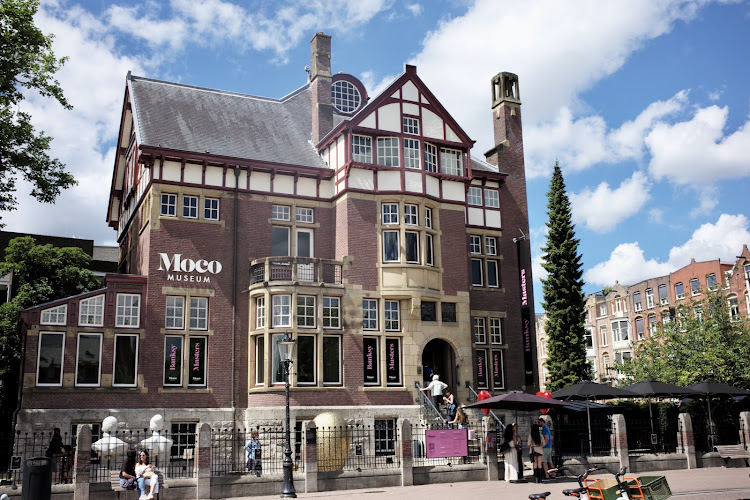
Moco Museum

Eye Filmmuseum
Van Gogh Museum
Find Accommodations Nearby
Recommended Tours & Activities
Visitor Reviews
There are no reviews yet. Be the first one to write one.
Share Your Experience
Have you visited BODY WORLDS Amsterdam? Help other travelers by leaving a review.