
Blackstone Valley Visitor Center & Museum
About Blackstone Valley Visitor Center & Museum
Description
Let’s be honest: not every tourist information center sticks in your mind, but the Blackstone Valley Visitor Center & Museum is one of those rare gems that actually leaves an impression. Sitting in downtown Pawtucket, this isn’t one of those places you stop at because you have to. No, it’s where you start because you want your Blackstone adventure to have a little bit of magic and a sense of place. And if you’re like me, who got lost (both on the road and in the past) while looking for the Slater Mill, this place is an absolute godsend.
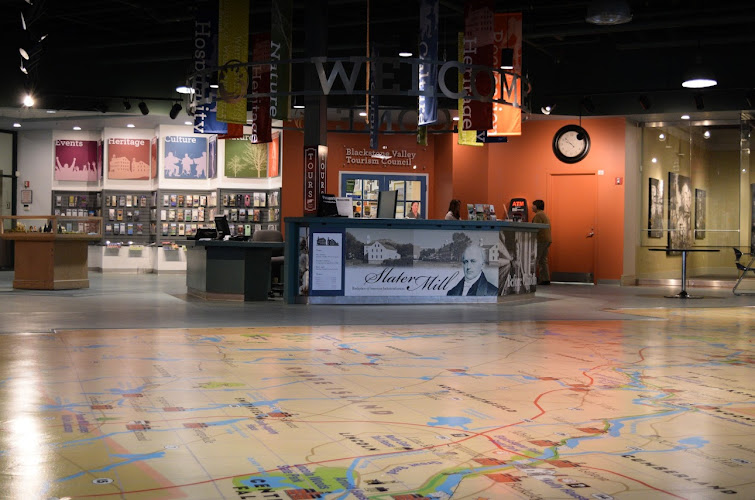
Swing open those glass doors and you’re greeted by an airy, well-lit interior—no dreary corners or endless stacks of unread brochures. The one thing people always comment on, and rightfully so, is that gigantic floor map stretching underfoot. It’s bold, colorful, and trust me, the kids love tip-toeing up and down the Blackstone River—and so do oddly enthusiastic adults. You actually can see the whole Heritage Corridor at a glance, which saves you a few hours of head-scratching over a folding paper map.
History gets a playful, human touch here. There’s a museum wall that tells stories of the Blackstone River Valley—think water-powered textile mills, quirky inventors, and a few unexpected tales about the birth of American industry. If you’re one of those people who prefers watching to reading (raising my hand here), don’t skip the 15-minute documentary film, "Hidden in the Blackstone." They screen it constantly and, honestly, it does a better job than most history teachers at making the Valley’s past feel vivid and relatable.
And here’s an insider tip: Don’t leave before stamping your National Park Passport. It’s one of those small joys (and it gives you an excuse to brag to your friends about your heritage adventures).
Everything’s been designed with accessibility in mind—wide entrances, restrooms, and parking for everyone. And if you have kids in tow, this is a stress-free stop. There’s enough space for them to roam and enough intriguing displays to keep even the most screen-addicted child interested for a good chunk of time. I remember overhearing an 8-year-old demanding to know “why the river looks so twisty on the map,” which, for a travel center, is high praise in my book.
Sure, not everything is perfect. Sometimes, if you show up in the late afternoon, the crowds cluster, and the occasional grumpy traveler airs out their misadventures. But honestly? Most people leave with a little more pep in their step and a lot more knowledge in their heads.
Key Features
- Massive interactive floor map tracing the Blackstone Valley Heritage Corridor (it’s practically an adventure in itself)
- Museum wall packed with engaging stories, vintage photos, and quirky artifacts about the start of America’s industrial age
- Free 15-minute documentary, “Hidden in the Blackstone,” revealing how the region helped kickstart the American Revolution (the industrial kind, not soldiers and muskets)
- National Park Passport stamping station—perfect for the collector or the completionist in your group
- Wheelchair-friendly entrances, restrooms, and parking throughout (as a family with mobility needs, we felt genuinely welcomed)
- Spacious parking lot with free parking right on-site—such a relief after circling the block one too many times elsewhere
- Clean, accessible restrooms (don’t underestimate the importance of this—ask any parent or road-tripper)
- Friendly staff always ready with maps, advice, and the inside scoop on local gems you might otherwise miss
- Good for kids—safe space to explore and enough to spark their curiosity
- Strategically placed near the historic Slater Mill and the heart of Pawtucket’s cultural corridor—making it a perfect launch pad for your day
Best Time to Visit
If you ask me, the best time to walk through those doors is early morning—right when it opens. The crowds are sparse, the exhibits are just coming alive with sunlight, and the staff seem to have an extra spring in their step (maybe it’s the coffee, maybe it’s the lack of chaos).
Late spring and fall are top picks, at least in my somewhat biased opinion. The entire Blackstone Valley seems to wake up in May and hit peak charm come September-October. I once made the mistake of dropping by in mid-summer, thinking it’d be “quieter.” It was, but I also had to elbow my way through a tour group of boisterous teens on a scavenger hunt—not exactly peaceful.
Winter visits have their own quirky appeal. The center turns into a bit of a warm haven from the biting Rhode Island wind, and local volunteers often share tales and tips you won’t get from a standard guidebook. Just double-check the holiday hours—nothing sadder than arriving at a locked door, trust me.
If you want to pair your visit with one of the Blackstone Valley’s seasonal events, like a local festival or a mill tour, check the schedule in advance. There’s a fun buzz during these times, but be warned: parking fills up, and the museum wall gets a little crowded with fellow history buffs.
How to Get There
Getting to the Blackstone Valley Visitor Center & Museum is refreshingly straightforward for once. If you’re driving, set your GPS for downtown Pawtucket—chances are, it’ll lead you right to the doorstep. The parking lot is free (hallelujah) and on-site, so you can hop out and be inside in less than thirty seconds.
If public transportation is more your style (or your car’s on the fritz, been there), RIPTA buses have stops peppered throughout downtown Pawtucket. You’ll just need a three-minute stroll from the nearest stop, which is downright do-able.
For the cyclists out there: the Blackstone River Bikeway runs not far off, and there’s a small rack to lock up your bike. I actually biked over last autumn, and trust me, the ride along the river is as scenic as anything you’ll get inside. Just bring a rain poncho if the weather’s dicey.
Walking up from the Slater Mill or some of the riverside trails? Easy. The center sits across from one of Rhode Island’s most famous historic sites, so you can’t miss it. And while you’re in the area, make a little circuit—maybe grab a coffee from one of the indie shops nearby before heading inside.
Accessibility is solid. If you, a family member, or a friend uses a wheelchair, there’s no need to worry about steep curbs or mysterious side entrances. Everything’s been put in with real-life visitors in mind.
Tips for Visiting
Let’s get into the nitty gritty—the stuff you wish someone had told you before you walked in.
- Start your visit before heading to the other big sites in the area. Not only will you snag maps, but you’ll get savvy tips on what’s happening nearby or routes that are temporarily closed. Local staff always seem to know the latest.
- If you’re collecting National Park Passport stamps, bring your own passport if you have one—there’s something pretty satisfying about inking those pages yourself. And if you forget—no biggie, they’ve got sticky stamps you can take.
- Take time with the floor map. It’s not just a piece of art; you’ll actually get a better sense of the region, especially if (like me) you sometimes forget which river goes where.
- Bring questions for the staff. They’re a goldmine of quirky facts—like where to find the best bakery, a hidden mill ruins trail, or where to watch the river run wild after a big rain.
- If you’re sensitive to noise, plan for the quieter hours—usually just after opening or right before closing—especially during school field trip season. Trust me, it gets lively.
- Packing snacks? While food isn’t allowed inside the museum areas, there are benches out front and plenty of options within walking distance—hello, fresh pastries and coffee breaks.
- Use the stop as a chance to regroup, especially if you’re traveling with tired kids (or grownups). The restrooms are clean, the space feels safe, and you’ll leave feeling a little more organized about your whole day.
- Leave room in your itinerary for a spontaneous side trip. Inspired by something you see at the center? Ask for directions and go—Blackstone Valley is full of surprise spots worth an extra detour.
- Take photos of the map and exhibits for later. You’ll thank yourself when you’re trying to retrace your steps or tell friends all about the hidden history you just uncovered.
- Oh, and if the weather’s good, hang around the exterior—the surrounding area gives you a sense of Pawtucket’s artistry and quirky spirit. Some of my favorite
Key Features
- Massive interactive floor map tracing the Blackstone Valley Heritage Corridor (it’s practically an adventure in itself)
- Museum wall packed with engaging stories, vintage photos, and quirky artifacts about the start of America’s industrial age
- Free 15-minute documentary, “Hidden in the Blackstone,” revealing how the region helped kickstart the American Revolution (the industrial kind, not soldiers and muskets)
- National Park Passport stamping station—perfect for the collector or the completionist in your group
- Wheelchair-friendly entrances, restrooms, and parking throughout (as a family with mobility needs, we felt genuinely welcomed)
- Spacious parking lot with free parking right on-site—such a relief after circling the block one too many times elsewhere
- Clean, accessible restrooms (don’t underestimate the importance of this—ask any parent or road-tripper)
- Friendly staff always ready with maps, advice, and the inside scoop on local gems you might otherwise miss
More Details
Updated June 26, 2025
Table of Contents
- Description
- Key Features
- Best Time to Visit
- How to Get There
- Tips for Visiting
- Key Highlights
- Location
- Places to Stay Near Blackstone Valley Visitor Center & Museum
- Find and Book a Tour
- Explore More Travel Guides
- Nearby Places You Might Like
- Traveler Reviews for Blackstone Valley Visitor Center & Museum
- Share Your Experience
Description
Let’s be honest: not every tourist information center sticks in your mind, but the Blackstone Valley Visitor Center & Museum is one of those rare gems that actually leaves an impression. Sitting in downtown Pawtucket, this isn’t one of those places you stop at because you have to. No, it’s where you start because you want your Blackstone adventure to have a little bit of magic and a sense of place. And if you’re like me, who got lost (both on the road and in the past) while looking for the Slater Mill, this place is an absolute godsend.
Swing open those glass doors and you’re greeted by an airy, well-lit interior—no dreary corners or endless stacks of unread brochures. The one thing people always comment on, and rightfully so, is that gigantic floor map stretching underfoot. It’s bold, colorful, and trust me, the kids love tip-toeing up and down the Blackstone River—and so do oddly enthusiastic adults. You actually can see the whole Heritage Corridor at a glance, which saves you a few hours of head-scratching over a folding paper map.
History gets a playful, human touch here. There’s a museum wall that tells stories of the Blackstone River Valley—think water-powered textile mills, quirky inventors, and a few unexpected tales about the birth of American industry. If you’re one of those people who prefers watching to reading (raising my hand here), don’t skip the 15-minute documentary film, “Hidden in the Blackstone.” They screen it constantly and, honestly, it does a better job than most history teachers at making the Valley’s past feel vivid and relatable.
And here’s an insider tip: Don’t leave before stamping your National Park Passport. It’s one of those small joys (and it gives you an excuse to brag to your friends about your heritage adventures).
Everything’s been designed with accessibility in mind—wide entrances, restrooms, and parking for everyone. And if you have kids in tow, this is a stress-free stop. There’s enough space for them to roam and enough intriguing displays to keep even the most screen-addicted child interested for a good chunk of time. I remember overhearing an 8-year-old demanding to know “why the river looks so twisty on the map,” which, for a travel center, is high praise in my book.
Sure, not everything is perfect. Sometimes, if you show up in the late afternoon, the crowds cluster, and the occasional grumpy traveler airs out their misadventures. But honestly? Most people leave with a little more pep in their step and a lot more knowledge in their heads.
Key Features
- Massive interactive floor map tracing the Blackstone Valley Heritage Corridor (it’s practically an adventure in itself)
- Museum wall packed with engaging stories, vintage photos, and quirky artifacts about the start of America’s industrial age
- Free 15-minute documentary, “Hidden in the Blackstone,” revealing how the region helped kickstart the American Revolution (the industrial kind, not soldiers and muskets)
- National Park Passport stamping station—perfect for the collector or the completionist in your group
- Wheelchair-friendly entrances, restrooms, and parking throughout (as a family with mobility needs, we felt genuinely welcomed)
- Spacious parking lot with free parking right on-site—such a relief after circling the block one too many times elsewhere
- Clean, accessible restrooms (don’t underestimate the importance of this—ask any parent or road-tripper)
- Friendly staff always ready with maps, advice, and the inside scoop on local gems you might otherwise miss
- Good for kids—safe space to explore and enough to spark their curiosity
- Strategically placed near the historic Slater Mill and the heart of Pawtucket’s cultural corridor—making it a perfect launch pad for your day
Best Time to Visit
If you ask me, the best time to walk through those doors is early morning—right when it opens. The crowds are sparse, the exhibits are just coming alive with sunlight, and the staff seem to have an extra spring in their step (maybe it’s the coffee, maybe it’s the lack of chaos).
Late spring and fall are top picks, at least in my somewhat biased opinion. The entire Blackstone Valley seems to wake up in May and hit peak charm come September-October. I once made the mistake of dropping by in mid-summer, thinking it’d be “quieter.” It was, but I also had to elbow my way through a tour group of boisterous teens on a scavenger hunt—not exactly peaceful.
Winter visits have their own quirky appeal. The center turns into a bit of a warm haven from the biting Rhode Island wind, and local volunteers often share tales and tips you won’t get from a standard guidebook. Just double-check the holiday hours—nothing sadder than arriving at a locked door, trust me.
If you want to pair your visit with one of the Blackstone Valley’s seasonal events, like a local festival or a mill tour, check the schedule in advance. There’s a fun buzz during these times, but be warned: parking fills up, and the museum wall gets a little crowded with fellow history buffs.
How to Get There
Getting to the Blackstone Valley Visitor Center & Museum is refreshingly straightforward for once. If you’re driving, set your GPS for downtown Pawtucket—chances are, it’ll lead you right to the doorstep. The parking lot is free (hallelujah) and on-site, so you can hop out and be inside in less than thirty seconds.
If public transportation is more your style (or your car’s on the fritz, been there), RIPTA buses have stops peppered throughout downtown Pawtucket. You’ll just need a three-minute stroll from the nearest stop, which is downright do-able.
For the cyclists out there: the Blackstone River Bikeway runs not far off, and there’s a small rack to lock up your bike. I actually biked over last autumn, and trust me, the ride along the river is as scenic as anything you’ll get inside. Just bring a rain poncho if the weather’s dicey.
Walking up from the Slater Mill or some of the riverside trails? Easy. The center sits across from one of Rhode Island’s most famous historic sites, so you can’t miss it. And while you’re in the area, make a little circuit—maybe grab a coffee from one of the indie shops nearby before heading inside.
Accessibility is solid. If you, a family member, or a friend uses a wheelchair, there’s no need to worry about steep curbs or mysterious side entrances. Everything’s been put in with real-life visitors in mind.
Tips for Visiting
Let’s get into the nitty gritty—the stuff you wish someone had told you before you walked in.
- Start your visit before heading to the other big sites in the area. Not only will you snag maps, but you’ll get savvy tips on what’s happening nearby or routes that are temporarily closed. Local staff always seem to know the latest.
- If you’re collecting National Park Passport stamps, bring your own passport if you have one—there’s something pretty satisfying about inking those pages yourself. And if you forget—no biggie, they’ve got sticky stamps you can take.
- Take time with the floor map. It’s not just a piece of art; you’ll actually get a better sense of the region, especially if (like me) you sometimes forget which river goes where.
- Bring questions for the staff. They’re a goldmine of quirky facts—like where to find the best bakery, a hidden mill ruins trail, or where to watch the river run wild after a big rain.
- If you’re sensitive to noise, plan for the quieter hours—usually just after opening or right before closing—especially during school field trip season. Trust me, it gets lively.
- Packing snacks? While food isn’t allowed inside the museum areas, there are benches out front and plenty of options within walking distance—hello, fresh pastries and coffee breaks.
- Use the stop as a chance to regroup, especially if you’re traveling with tired kids (or grownups). The restrooms are clean, the space feels safe, and you’ll leave feeling a little more organized about your whole day.
- Leave room in your itinerary for a spontaneous side trip. Inspired by something you see at the center? Ask for directions and go—Blackstone Valley is full of surprise spots worth an extra detour.
- Take photos of the map and exhibits for later. You’ll thank yourself when you’re trying to retrace your steps or tell friends all about the hidden history you just uncovered.
- Oh, and if the weather’s good, hang around the exterior—the surrounding area gives you a sense of Pawtucket’s artistry and quirky spirit. Some of my favorite
Key Highlights
- Massive interactive floor map tracing the Blackstone Valley Heritage Corridor (it’s practically an adventure in itself)
- Museum wall packed with engaging stories, vintage photos, and quirky artifacts about the start of America’s industrial age
- Free 15-minute documentary, “Hidden in the Blackstone,” revealing how the region helped kickstart the American Revolution (the industrial kind, not soldiers and muskets)
- National Park Passport stamping station—perfect for the collector or the completionist in your group
- Wheelchair-friendly entrances, restrooms, and parking throughout (as a family with mobility needs, we felt genuinely welcomed)
- Spacious parking lot with free parking right on-site—such a relief after circling the block one too many times elsewhere
- Clean, accessible restrooms (don’t underestimate the importance of this—ask any parent or road-tripper)
- Friendly staff always ready with maps, advice, and the inside scoop on local gems you might otherwise miss
Location
Places to Stay Near Blackstone Valley Visitor Center & Museum
Find and Book a Tour
Explore More Travel Guides
No reviews found! Be the first to review!
Traveler Reviews for Blackstone Valley Visitor Center & Museum
There are no reviews yet. Be the first one to write one.
Have you visited Blackstone Valley Visitor Center & Museum? Help other travelers by sharing your review.
You Might Also Like
Old Slater Mill National Historic Landmark
Slater Memorial Park
South Street Historic District
Find Accommodations Nearby
Recommended Tours & Activities
Visitor Reviews
There are no reviews yet. Be the first one to write one.
Share Your Experience
Have you visited Blackstone Valley Visitor Center & Museum? Help other travelers by leaving a review.