
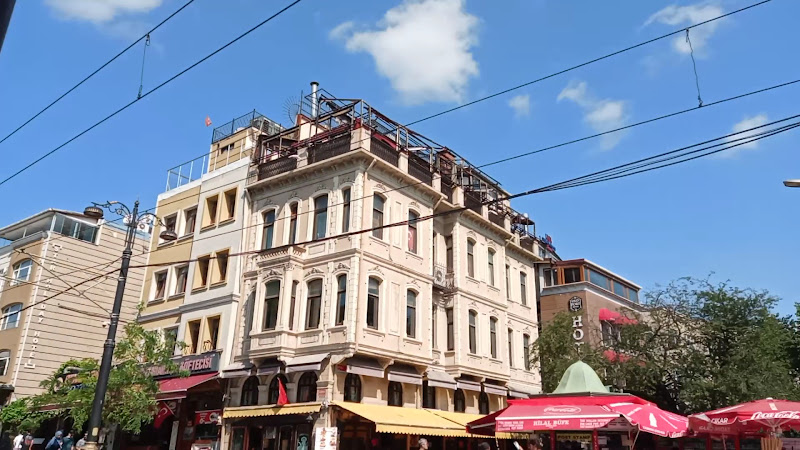
Binbirdirek
About Binbirdirek
Description
Binbirdirek is one of those places that quietly sneaks up on you. It’s not the most famous spot in Istanbul, yet it’s got this quiet charm that feels like stepping into another century. The name literally means “Thousand and One Columns,” which already sounds like something out of a legend, right? The site, also known as the Binbirdirek Cistern, sits beneath the bustling streets of the old city, just a short walk from the Hippodrome and the Blue Mosque. You’d never guess what’s waiting underground until you step inside and your eyes adjust to the dim, echoing space filled with rows upon rows of ancient columns. It’s hauntingly beautiful, in that way old stone and history always are.
Unlike its more famous cousin, the Basilica Cistern, Binbirdirek feels quieter and more personal. You can actually take your time here—no rush, no crowds pressing in. The air smells faintly of damp stone and history, and the light plays off the water in a way that makes everything shimmer just a little. I remember standing there, listening to the soft drip of water echoing through the columns, and thinking how wild it is that this structure has survived since the 4th century. Imagine the emperors, the merchants, the soldiers who once walked above it, completely unaware that centuries later people from all over the world would be standing below, marveling at their handiwork.
There’s something grounding about being in a place like this. You can feel the weight of time, but it’s not heavy—it’s kind of comforting. The restoration work here has been done carefully, keeping the ancient texture intact while making it accessible. Some travelers say it’s not as grand as the Basilica Cistern, but honestly, that’s part of its charm. It’s less polished, more real. You get to see the roughness of the stone, the imperfections that make it human. And that’s what makes Binbirdirek stand out—it’s a glimpse into the everyday engineering genius of the Byzantine world, preserved right beneath modern Istanbul.
Key Features
- Built during the 4th century under Emperor Constantine II, making it one of Istanbul’s oldest surviving cisterns.
- Features 224 marble columns arranged in perfect symmetry—each one telling its own story through subtle differences in design.
- Offers an underground exhibition space where visitors can learn about Byzantine water systems and ancient architecture.
- Less crowded than other historical sites, allowing for a peaceful and immersive experience.
- Occasionally used for art installations, concerts, and cultural events that beautifully merge old and new.
- Soft lighting enhances the mystique of the space, creating stunning photo opportunities for travelers.
- Located near other major landmarks like Hagia Sophia, the Blue Mosque, and the Grand Bazaar, making it easy to include in a walking itinerary.
Best Time to Visit
If you ask me, the best time to visit Binbirdirek is in the late morning or right before closing time. That’s when the crowds thin out, and you can actually hear the echoes of your own footsteps. The temperature underground stays fairly constant, so it’s a great escape from Istanbul’s summer heat or the occasional winter chill. Spring and autumn are ideal seasons overall—the city feels alive but not overwhelming. And if you happen to visit during one of the cultural events or light shows sometimes held in the cistern, you’re in for something special. The way the columns glow under colored lights makes it feel almost otherworldly.
Personally, I love going on a weekday. You can wander around without bumping into tour groups, take your time reading the displays, and just soak in the atmosphere. There’s a certain magic in standing there alone, hearing the faint hum of the city above, knowing that life goes on while this ancient world quietly endures beneath it.
How to Get There
Getting to Binbirdirek is straightforward, especially if you’re already exploring Istanbul’s historic peninsula. It’s within walking distance of Sultanahmet Square, so if you’ve already visited the Blue Mosque or Hagia Sophia, you’re practically there. The Sultanahmet tram stop is the nearest public transport point—just a short stroll away. If you’re coming from elsewhere in the city, hop on the T1 tram line; it’s the easiest and most scenic route. You could also take a taxi, but honestly, walking through the narrow streets of the old city is half the fun. You’ll pass tiny cafés, souvenir shops, and maybe even a street musician or two.
For those who like to plan ahead, it’s worth checking the opening hours before you go—they sometimes vary depending on the season or special events. And if you’re staying nearby, it’s a lovely evening walk after dinner when the city lights start to flicker on and the air cools down a bit.
Tips for Visiting
Here’s a little advice from someone who’s been there more than once. First, wear comfortable shoes. The ground can be uneven and a bit slippery in spots. Second, bring a light jacket—it’s cooler underground than you might expect, even in summer. If you’re into photography, bring a camera that handles low light well; flash tends to wash out the atmosphere, and honestly, the natural lighting is what makes the place so stunning.
Don’t rush your visit. Take a moment to look up—literally. The columns stretch high above, and the patterns carved into them are easy to miss if you’re just glancing around. And if you’re traveling with kids, it’s a great spot to spark their imagination. Tell them stories about ancient emperors and hidden cities beneath the ground; they’ll love it. Also, if you’re sensitive to humidity, you might want to keep a small bottle of water with you. The air can feel a bit damp after a while.
Lastly, combine your visit with nearby attractions. You can easily spend a full day exploring the area—start with the Hippodrome, then Binbirdirek, grab lunch at a local café, and finish at Hagia Sophia or the Grand Bazaar. It’s one of those days that leaves you feeling like you’ve touched a piece of history. And honestly, isn’t that what travel’s all about?
Binbirdirek might not grab headlines like Istanbul’s grander monuments, but that’s exactly why travelers who stumble upon it tend to fall in love. It’s quiet, ancient, and deeply human—a reminder that the most remarkable places aren’t always the loudest ones.
Key Features
- Built during the 4th century under Emperor Constantine II, making it one of Istanbul’s oldest surviving cisterns.
- Features 224 marble columns arranged in perfect symmetry—each one telling its own story through subtle differences in design.
- Offers an underground exhibition space where visitors can learn about Byzantine water systems and ancient architecture.
- Less crowded than other historical sites, allowing for a peaceful and immersive experience.
- Occasionally used for art installations, concerts, and cultural events that beautifully merge old and new.
- Soft lighting enhances the mystique of the space, creating stunning photo opportunities for travelers.
- Located near other major landmarks like Hagia Sophia, the Blue Mosque, and the Grand Bazaar, making it easy to include in a walking itinerary.
You Might Also Like

*BDT BELEK DOGA TOUR | Daily Tours, Day Trips and Excursions in Antalya*
1464. Sk. No:55
2006. Sk. No:2
Tours & Activities
GetYourGuide provides this tour inventory. We may earn a commission if you book through it; verify current availability, prices, and terms with the provider.
Visitor Reviews
There are no reviews yet. Be the first one to write one.
Share Your Experience
Have you visited Binbirdirek? Help other travelers by leaving a review.