
Billy Frank Jr. Nisqually National Wildlife Refuge
About Billy Frank Jr. Nisqually National Wildlife Refuge
Description
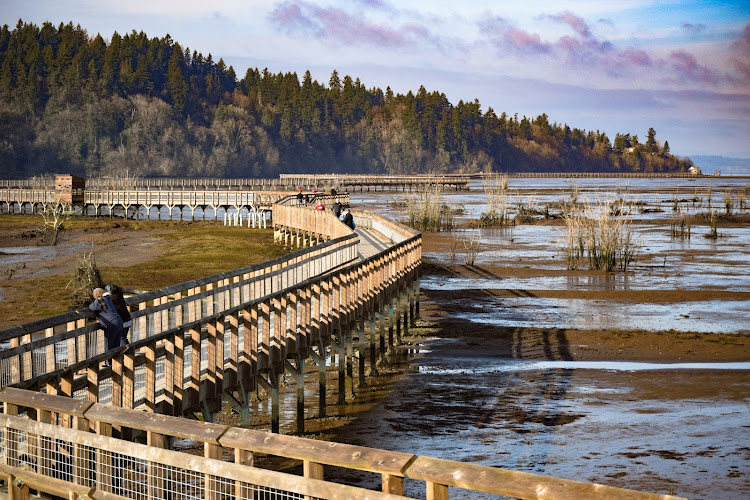
The Billy Frank Jr. Nisqually National Wildlife Refuge protects a 762-acre estuary where river meets sea, and where the rhythms of tides dictate the daily show. Visitors to the refuge find a mix of wide salt marshes, mudflats, forested uplands and well-built trails—plus an education center that helps make sense of it all. It's a place where bird songs, the slap of a heron’s wing, and the distant hiss of surf create a natural soundtrack. This guide describes what travelers can expect and offers practical, sometimes opinionated advice for getting the most from a visit.
On a clear morning the place can feel almost cinematic: sunlight cutting across eelgrass beds, shorebirds probing exposed mud at low tide, and salmon moving upriver on their lifecycle mission. But it’s not always picture-perfect; fog, wind, and rain are part of the Nisqually personality, and that’s okay—those moody days often bring dramatic light and fewer people. The refuge is named to honor Billy Frank Jr., a leader in fishery and tribal rights activism; that history blends with modern conservation work here, and it’s visible in restoration projects and interpretive signage throughout the site.
The refuge operates as both an outdoor classroom and a sanctuary. Interpretive programs are offered at the education center, and signage along boardwalks explains the ecology in approachable language. Families and serious birders share the same boardwalks. Kids can run a little, adults can stare at shorebirds for suspiciously long amounts of time, and the occasional whale watchers on a lucky day scan the horizon for marine mammals.
Key Features
- 762-acre protected estuary with salt marshes, mudflats, and forested uplands
- Boardwalk trails and accessible viewing platforms for bird and landscape viewing
- Education center with exhibits, seasonal programs, and onsite staff for questions
- Excellent bird-watch ing—shorebirds, waterfowl, raptors, and migratory species
- Opportunities for whale-watching from the refuge shore during marine mammal movements
- Picnic tables and designated picnic areas for families and small groups
- Public restrooms and wheelchair accessible entrance, parking, restrooms, and seating
- Paid parking lot with multiple payment options, including checks and debit cards
- Family-friendly hikes and kid-friendly educational activities
- Conservation and restoration projects visible around the refuge—real-life ecology in action
Best Time to Visit
The best time to visit depends on what the traveler wants. For bird-watchers, spring and fall migrations tend to be the richest periods, when passage migrants and shorebirds concentrate on the mudflats. Late winter and early spring can bring impressive flocks of waterfowl. For those chasing salmon runs, late summer into early fall often shows increased activity as fish move upriver—though timing varies year to year.
Tide timing matters more than calendar dates for many experiences here. Low tide exposes vast mudflats that attract knot, dunlin, sandpipers and other shorebirds; photographers and birders typically plan visits around low tide windows. Conversely, high tide brings birds closer to the marsh edges and makes for different viewing opportunities from the boardwalk. So, a smart visitor checks local tide tables before leaving—this tip alone can transform an average visit into a spectacular one.
Weather-wise, the refuge is Pacific Northwest—expect variability. Summer afternoons can be pleasantly warm, but mornings may be cool and foggy; fall and winter are wetter but dramatic. If a visitor prefers solitude, weekday mornings (especially outside of peak migration) are usually quieter. Weekend afternoons during peak season can be busy, with limited parking and more families exploring the boardwalks.
How to Get There
Travelers coming from Olympia will find the refuge a short drive away—it's one of the area's most accessible natural attractions. The refuge sits close to major north-south routes, so driving is the most straightforward option for most people. Once on site, visitors find a paid parking lot; while fees and payment methods can change, the refuge accepts common payment forms including debit cards and checks, which is handy if someone prefers to pay with a check rather than hunt for an app.
Public transit options may be limited depending on the day and season, so many visitors choose to drive. Carpooling is a practical idea on busy days—parking can fill early during migration peaks. There is a wheelchair accessible parking lot and entrance, and routes from the lot to the primary boardwalks and education center are designed to be user-friendly. The refuge encourages visitors to plan ahead, arrive early at peak times, and keep an eye on signage for special closures or event days.
Tips for Visiting
Practical, slightly opinionated advice is where the rubber meets the road. Here’s what the guide would tell a friend who asked for the inside scoop:
- Plan around tide times. This cannot be overstated. Low tide reveals the feeding flats that bring shorebirds in droves. Many visitors regret showing up at the wrong tide and seeing nothing but water where they'd hoped for birds.
- Bring binoculars and a field guide (or app). It’s more fun to identify birds than to just admire them. Even a modest pair of binoculars opens up a dozen species that are otherwise just distant specks.
- Dress for the weather; layers are your friend. Even summer mornings can be cool and damp. Wind tends to pick up in the estuary—so a windproof layer helps. And yes, waterproof shoes can be a lifesaver on muddy boardwalk approaches.
- Check the education center schedule. The onsite staff sometimes run family activities, guided walks, or interpretive talks that add real value. Those programs can make a kid’s day—literal educational gold.
- Expect crowds at peak times. The refuge is popular and well-loved. If solitude is the goal, mid-week morning visits outside of migration peaks typically work best. That said, crowds often mean good wildlife action—other people tend to know where the birds are.
- Use the picnic areas but respect rules. Picnicking is a highlight for many visitors; designated picnic tables are available. But please pack out trash and follow posted rules—wildlife and habitat are priorities here.
- Accessibility is real here, and that’s worth praise. Wheelchair accessible parking, entrance, restrooms and seating are all present. The boardwalks are designed to be navigable, making it possible for more people to enjoy close-up views of the marsh.
- Leave no trace; stay on trails. It’s a wildlife refuge, not a theme park. Straying off boardwalks damages vegetation and disturbs birds. The birds are working—migratory energy budgets are tight—so be considerate.
- Bring insect repellent in warmer months. Mosquitoes and black flies can be a nuisance near marshes in summer. A small bottle of repellent saves a lot of grumbling.
- Photography tips: arrive before golden hour. For dramatic images, early morning light and low tide work wonders. But if someone prefers fewer people in their frame, aim for mid-week afternoons off-peak.
- Kids will love it, but prepare activities. There are kid-friendly hikes and displays, but restless kids will appreciate a scavenger-list or a small notebook for bird-spotting. The education center often offers hands-on experiences that make the visit memorable.
- Budget for paid parking. Parking isn’t always free. The refuge accepts checks and debit cards if someone is short on coins—nice little detail that not everyone expects.
- Be a quiet observer. A whispered conversation goes a long way. The quieter the group, the more wildlife will behave naturally. That’s the real treat: seeing birds feed, preen, and interact without human interruption.
- Consider timing to spot whales. While not a guarantee, there are days when marine mammals are visible from shore—watchers should scan the horizon, especially during known movement seasons. A scope or long lens helps, but sometimes it’s the binoculars that reveal a spout far out at sea.
- Volunteer or participate. If someone falls in love with the place (many do), seasonal volunteer programs and events provide a way to give back and learn even more about restoration projects and coastal ecology.
A quick, personal aside: the author remembers a soggy, wind-blown morning visit when a patient great blue heron stood like a statue on a mudflat while a sudden shaft of sunlight illuminated the scene. The moment felt private, though it wasn't—two other early risers were there, each silently holding binoculars. Small, shared moments like that are what keep people coming back. It’s not always glamorous—sometimes the mud smells, the mosquitoes try to steal the show, and the parking lot is full—but the payoff is real. Wildlife viewing at Nisqually is patient work and generous reward.
Finally, respect for the place matters. The refuge exists to protect habitat and wildlife. Visitors who arrive curious and leave considerate help keep this estuary healthy for returning salmon, migrating birds, and the people who come to watch them. Whether someone wants a casual walk, an educational family day, or concentrated birding time, the Billy Frank Jr. Nisqually National Wildlife Refuge delivers experiences that tend to linger in memory long after the shoes are cleaned.
Key Features
- 762-acre tidal estuary with salt marshes, mudflats and forested uplands
- Accessible boardwalks and viewing platforms for close wildlife observation
- Interpretive center with educational exhibits about restoration and tribal history
- Excellent birdwatching—migratory shorebirds, waterfowl and raptors
- Restored wetlands showcasing successful estuary and salmon-habitat recovery
More Details
Updated August 30, 2025
Table of Contents
- Description
- Key Features
- Best Time to Visit
- How to Get There
- Tips for Visiting
- Key Highlights
- Location
- Places to Stay Near Billy Frank Jr. Nisqually National Wildlife Refuge
- Find and Book a Tour
- Explore More Travel Guides
- Nearby Places You Might Like
- Traveler Reviews for Billy Frank Jr. Nisqually National Wildlife Refuge
- Share Your Experience
Description
The Billy Frank Jr. Nisqually National Wildlife Refuge protects a 762-acre estuary where river meets sea, and where the rhythms of tides dictate the daily show. Visitors to the refuge find a mix of wide salt marshes, mudflats, forested uplands and well-built trails—plus an education center that helps make sense of it all. It’s a place where bird songs, the slap of a heron’s wing, and the distant hiss of surf create a natural soundtrack. This guide describes what travelers can expect and offers practical, sometimes opinionated advice for getting the most from a visit.
On a clear morning the place can feel almost cinematic: sunlight cutting across eelgrass beds, shorebirds probing exposed mud at low tide, and salmon moving upriver on their lifecycle mission. But it’s not always picture-perfect; fog, wind, and rain are part of the Nisqually personality, and that’s okay—those moody days often bring dramatic light and fewer people. The refuge is named to honor Billy Frank Jr., a leader in fishery and tribal rights activism; that history blends with modern conservation work here, and it’s visible in restoration projects and interpretive signage throughout the site.
The refuge operates as both an outdoor classroom and a sanctuary. Interpretive programs are offered at the education center, and signage along boardwalks explains the ecology in approachable language. Families and serious birders share the same boardwalks. Kids can run a little, adults can stare at shorebirds for suspiciously long amounts of time, and the occasional whale watchers on a lucky day scan the horizon for marine mammals.
Key Features
- 762-acre protected estuary with salt marshes, mudflats, and forested uplands
- Boardwalk trails and accessible viewing platforms for bird and landscape viewing
- Education center with exhibits, seasonal programs, and onsite staff for questions
- Excellent bird-watch ing—shorebirds, waterfowl, raptors, and migratory species
- Opportunities for whale-watching from the refuge shore during marine mammal movements
- Picnic tables and designated picnic areas for families and small groups
- Public restrooms and wheelchair accessible entrance, parking, restrooms, and seating
- Paid parking lot with multiple payment options, including checks and debit cards
- Family-friendly hikes and kid-friendly educational activities
- Conservation and restoration projects visible around the refuge—real-life ecology in action
Best Time to Visit
The best time to visit depends on what the traveler wants. For bird-watchers, spring and fall migrations tend to be the richest periods, when passage migrants and shorebirds concentrate on the mudflats. Late winter and early spring can bring impressive flocks of waterfowl. For those chasing salmon runs, late summer into early fall often shows increased activity as fish move upriver—though timing varies year to year.
Tide timing matters more than calendar dates for many experiences here. Low tide exposes vast mudflats that attract knot, dunlin, sandpipers and other shorebirds; photographers and birders typically plan visits around low tide windows. Conversely, high tide brings birds closer to the marsh edges and makes for different viewing opportunities from the boardwalk. So, a smart visitor checks local tide tables before leaving—this tip alone can transform an average visit into a spectacular one.
Weather-wise, the refuge is Pacific Northwest—expect variability. Summer afternoons can be pleasantly warm, but mornings may be cool and foggy; fall and winter are wetter but dramatic. If a visitor prefers solitude, weekday mornings (especially outside of peak migration) are usually quieter. Weekend afternoons during peak season can be busy, with limited parking and more families exploring the boardwalks.
How to Get There
Travelers coming from Olympia will find the refuge a short drive away—it’s one of the area’s most accessible natural attractions. The refuge sits close to major north-south routes, so driving is the most straightforward option for most people. Once on site, visitors find a paid parking lot; while fees and payment methods can change, the refuge accepts common payment forms including debit cards and checks, which is handy if someone prefers to pay with a check rather than hunt for an app.
Public transit options may be limited depending on the day and season, so many visitors choose to drive. Carpooling is a practical idea on busy days—parking can fill early during migration peaks. There is a wheelchair accessible parking lot and entrance, and routes from the lot to the primary boardwalks and education center are designed to be user-friendly. The refuge encourages visitors to plan ahead, arrive early at peak times, and keep an eye on signage for special closures or event days.
Tips for Visiting
Practical, slightly opinionated advice is where the rubber meets the road. Here’s what the guide would tell a friend who asked for the inside scoop:
- Plan around tide times. This cannot be overstated. Low tide reveals the feeding flats that bring shorebirds in droves. Many visitors regret showing up at the wrong tide and seeing nothing but water where they’d hoped for birds.
- Bring binoculars and a field guide (or app). It’s more fun to identify birds than to just admire them. Even a modest pair of binoculars opens up a dozen species that are otherwise just distant specks.
- Dress for the weather; layers are your friend. Even summer mornings can be cool and damp. Wind tends to pick up in the estuary—so a windproof layer helps. And yes, waterproof shoes can be a lifesaver on muddy boardwalk approaches.
- Check the education center schedule. The onsite staff sometimes run family activities, guided walks, or interpretive talks that add real value. Those programs can make a kid’s day—literal educational gold.
- Expect crowds at peak times. The refuge is popular and well-loved. If solitude is the goal, mid-week morning visits outside of migration peaks typically work best. That said, crowds often mean good wildlife action—other people tend to know where the birds are.
- Use the picnic areas but respect rules. Picnicking is a highlight for many visitors; designated picnic tables are available. But please pack out trash and follow posted rules—wildlife and habitat are priorities here.
- Accessibility is real here, and that’s worth praise. Wheelchair accessible parking, entrance, restrooms and seating are all present. The boardwalks are designed to be navigable, making it possible for more people to enjoy close-up views of the marsh.
- Leave no trace; stay on trails. It’s a wildlife refuge, not a theme park. Straying off boardwalks damages vegetation and disturbs birds. The birds are working—migratory energy budgets are tight—so be considerate.
- Bring insect repellent in warmer months. Mosquitoes and black flies can be a nuisance near marshes in summer. A small bottle of repellent saves a lot of grumbling.
- Photography tips: arrive before golden hour. For dramatic images, early morning light and low tide work wonders. But if someone prefers fewer people in their frame, aim for mid-week afternoons off-peak.
- Kids will love it, but prepare activities. There are kid-friendly hikes and displays, but restless kids will appreciate a scavenger-list or a small notebook for bird-spotting. The education center often offers hands-on experiences that make the visit memorable.
- Budget for paid parking. Parking isn’t always free. The refuge accepts checks and debit cards if someone is short on coins—nice little detail that not everyone expects.
- Be a quiet observer. A whispered conversation goes a long way. The quieter the group, the more wildlife will behave naturally. That’s the real treat: seeing birds feed, preen, and interact without human interruption.
- Consider timing to spot whales. While not a guarantee, there are days when marine mammals are visible from shore—watchers should scan the horizon, especially during known movement seasons. A scope or long lens helps, but sometimes it’s the binoculars that reveal a spout far out at sea.
- Volunteer or participate. If someone falls in love with the place (many do), seasonal volunteer programs and events provide a way to give back and learn even more about restoration projects and coastal ecology.
A quick, personal aside: the author remembers a soggy, wind-blown morning visit when a patient great blue heron stood like a statue on a mudflat while a sudden shaft of sunlight illuminated the scene. The moment felt private, though it wasn’t—two other early risers were there, each silently holding binoculars. Small, shared moments like that are what keep people coming back. It’s not always glamorous—sometimes the mud smells, the mosquitoes try to steal the show, and the parking lot is full—but the payoff is real. Wildlife viewing at Nisqually is patient work and generous reward.
Finally, respect for the place matters. The refuge exists to protect habitat and wildlife. Visitors who arrive curious and leave considerate help keep this estuary healthy for returning salmon, migrating birds, and the people who come to watch them. Whether someone wants a casual walk, an educational family day, or concentrated birding time, the Billy Frank Jr. Nisqually National Wildlife Refuge delivers experiences that tend to linger in memory long after the shoes are cleaned.
Key Highlights
- 762-acre tidal estuary with salt marshes, mudflats and forested uplands
- Accessible boardwalks and viewing platforms for close wildlife observation
- Interpretive center with educational exhibits about restoration and tribal history
- Excellent birdwatching—migratory shorebirds, waterfowl and raptors
- Restored wetlands showcasing successful estuary and salmon-habitat recovery
Location
Places to Stay Near Billy Frank Jr. Nisqually National Wildlife Refuge
Find and Book a Tour
Explore More Travel Guides
No reviews found! Be the first to review!
Traveler Reviews for Billy Frank Jr. Nisqually National Wildlife Refuge
There are no reviews yet. Be the first one to write one.
Have you visited Billy Frank Jr. Nisqually National Wildlife Refuge? Help other travelers by sharing your review.
Nearby Attractions
You Might Also Like
East Bay Public Plaza
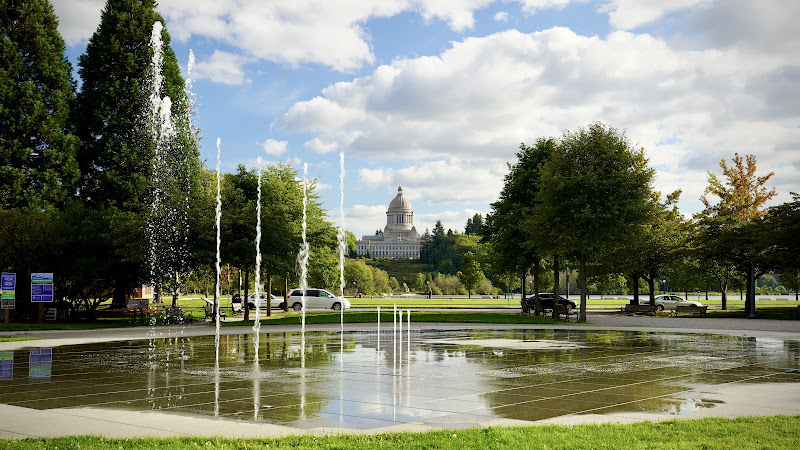
Heritage Park Fountain
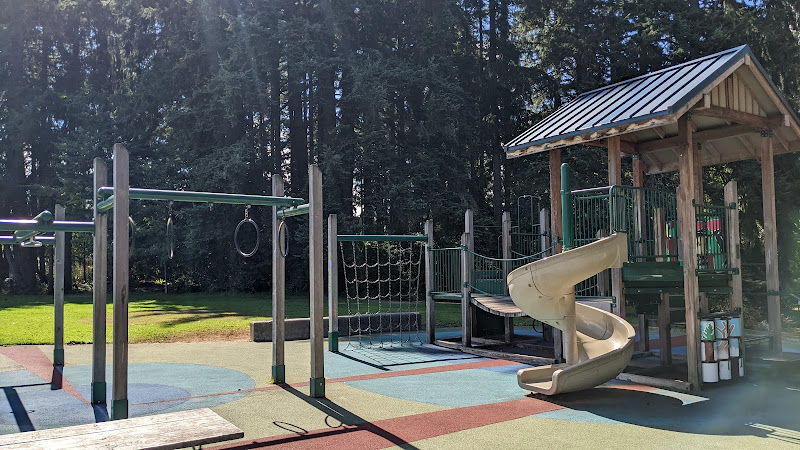
Decatur Woods Park
Find Accommodations Nearby
Recommended Tours & Activities
Visitor Reviews
There are no reviews yet. Be the first one to write one.
Share Your Experience
Have you visited Billy Frank Jr. Nisqually National Wildlife Refuge? Help other travelers by leaving a review.