
Bijilo Monkey Park
About Bijilo Monkey Park
Description
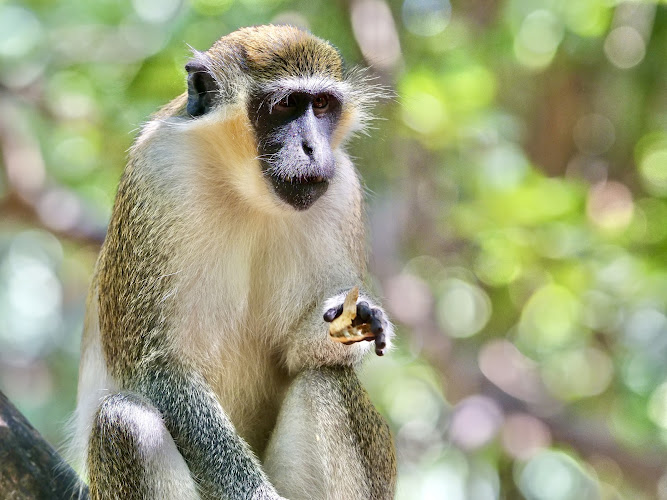
Bijilo Monkey Park is one of those rare spots where you can step away from the usual hustle of touristy Gambia and really get a feel for nature’s playful side. It’s not your typical zoo with cages and barriers; instead, this place feels more like a lush, open sanctuary where monkeys—and a handful of other critters—roam freely, and you get to wander right alongside them. If you’re traveling with kids, this park is a solid win. It’s easy to navigate, not overwhelming, and offers a chance for little ones to see wildlife up close without the intimidating vibe of a big city zoo.
What’s cool about Bijilo is its focus on the local ecosystem. The park’s dense woodland trails are home mainly to green monkeys, but you might also spot other species like bush babies, and if you’re lucky, some colorful birds flitting about. It’s a bit like stepping into a live nature documentary, only you’re the one walking through the scenes. The environment here feels genuine, not staged, which makes the whole experience feel more authentic and refreshing.
Now, it’s not all perfect—some visitors have found the paths a bit narrow or the signage lacking, which can make you feel a little lost if you’re not paying close attention. And yeah, it’s not a massive park, so if you’re expecting a full-day adventure, you might be a bit disappointed. But if you’re looking for a chill, half-day escape where you can snap some cool photos of monkeys swinging overhead and enjoy a quiet walk, Bijilo Monkey Park hits the spot.
One thing to keep in mind: the monkeys here are cheeky little devils. They’re used to humans but don’t mistake that for tame. They’ll snatch food or belongings if you’re not careful, so keep your stuff zipped up and your snacks hidden. Watching them scamper around, though, is endlessly entertaining—like little furry acrobats showing off their skills.
Overall, Bijilo Monkey Park offers a genuine taste of Gambian wildlife in a setting that’s easy to access and friendly for families. It’s not flashy or over the top, but that’s part of its charm. If you’re craving a break from beaches and markets and want to connect with nature in a simple, low-key way, this place is worth penciling into your itinerary.
Key Features
- Free-roaming green monkeys and other native wildlife
- Compact, walkable forest trails suitable for all ages
- Family-friendly environment with easy access for kids
- Quiet, shaded pathways perfect for nature lovers and photographers
- Opportunities to observe local bird species and small mammals
- Onsite services including guided tours and basic amenities
- Close proximity to coastal areas, allowing for combined beach and wildlife days
- Informative signage about local flora and fauna (though sometimes sparse)
Best Time to Visit
The best time to visit Bijilo Monkey Park is during the dry season, which runs roughly from November to May. During these months, the weather is more predictable, and the trails are less muddy, making your walk through the forest much more enjoyable. Plus, the chances of spotting active monkeys and other animals are higher when the weather’s dry and cool.
Visiting early in the morning or late afternoon is a smart move because the monkeys tend to be more lively, and the temperature is just right—not too hot, not too sticky. Midday can get pretty warm, and the animals often retreat to the shade, so your chances of sightings drop.
One little nugget I picked up from locals is that visiting just before the rainy season starts can be magical—the forest feels alive and fresh, and the air smells amazing. But be warned, the trails can get slippery, so bring proper shoes and be ready for a bit of mud.
How to Get There
Getting to Bijilo Monkey Park is pretty straightforward, especially if you’re staying in or near Kololi or Senegambia, which are popular tourist hubs. The park sits just a short drive from these areas, so a quick taxi ride—usually under 10 minutes—will get you there without much fuss.
If you’re feeling adventurous and want to save a few bucks, you can hop on a shared minibus or a local “keke” (those little three-wheeled taxis), but keep in mind these can be a bit unpredictable and crowded. For peace of mind, a private taxi or a car rental is a solid choice, especially if you’re traveling with family or a group.
Once you arrive, there’s a small entrance fee, which helps maintain the park and its wildlife. Don’t expect fancy ticket booths or high-tech turnstiles—this place keeps it simple and low-key, which I personally appreciate. The parking area is modest but usually sufficient, even during busier times.
Tips for Visiting
Alright, here’s where I get to share some little insider tips that’ll make your visit smoother and way more enjoyable. First off, wear comfortable shoes. The trails might not be rugged, but they’re definitely natural paths with roots, rocks, and sometimes slippery patches. Flip-flops? Nah, leave those for the beach.
Bring a water bottle. It’s easy to get dehydrated walking around, especially if you’re visiting during the warmer months. Also, pack some insect repellent—those mosquitoes and other bugs love a snack, and you don’t want to be itching for days after.
Don’t feed the monkeys. It’s tempting, I know. They look so cute and hungry, but feeding them can actually harm their health and disrupt their natural behaviors. Plus, it encourages them to be more aggressive toward visitors. Trust me, it’s better to watch them from a respectful distance and let them do their own thing.
Take your time. The park isn’t huge, so rushing through won’t get you much. Instead, slow down, listen to the birds, watch the monkeys’ antics, and soak up the atmosphere. If you’re into photography, mornings are golden hours for capturing some great shots without harsh sunlight.
And hey, if you’re traveling with kids, keep an eye on them. The monkeys are cute but mischievous, and little ones might want to chase after them or try to touch them. It’s best to let the wildlife be and teach kids to respect the animals’ space.
Finally, consider hiring a local guide if you want to learn more about the park’s ecosystem and the animals you’re seeing. It’s a small investment that can totally enrich your experience, plus you’ll support the local community.
Visiting Bijilo Monkey Park isn’t just about seeing monkeys; it’s about stepping into a slice of Gambian nature that’s both accessible and genuine. So take a deep breath, put on your explorer hat, and get ready for a little adventure that just might surprise you.
Key Features
- Free-roaming green monkeys and other native wildlife
- Compact, walkable forest trails suitable for all ages
- Family-friendly environment with easy access for kids
- Quiet, shaded pathways perfect for nature lovers and photographers
- Opportunities to observe local bird species and small mammals
- Onsite services including guided tours and basic amenities
- Close proximity to coastal areas, allowing for combined beach and wildlife days
- Informative signage about local flora and fauna (though sometimes sparse)
More Details
Updated July 22, 2025
Table of Contents
Description
Bijilo Monkey Park is one of those rare spots where you can step away from the usual hustle of touristy Gambia and really get a feel for nature’s playful side. It’s not your typical zoo with cages and barriers; instead, this place feels more like a lush, open sanctuary where monkeys—and a handful of other critters—roam freely, and you get to wander right alongside them. If you’re traveling with kids, this park is a solid win. It’s easy to navigate, not overwhelming, and offers a chance for little ones to see wildlife up close without the intimidating vibe of a big city zoo.
What’s cool about Bijilo is its focus on the local ecosystem. The park’s dense woodland trails are home mainly to green monkeys, but you might also spot other species like bush babies, and if you’re lucky, some colorful birds flitting about. It’s a bit like stepping into a live nature documentary, only you’re the one walking through the scenes. The environment here feels genuine, not staged, which makes the whole experience feel more authentic and refreshing.
Now, it’s not all perfect—some visitors have found the paths a bit narrow or the signage lacking, which can make you feel a little lost if you’re not paying close attention. And yeah, it’s not a massive park, so if you’re expecting a full-day adventure, you might be a bit disappointed. But if you’re looking for a chill, half-day escape where you can snap some cool photos of monkeys swinging overhead and enjoy a quiet walk, Bijilo Monkey Park hits the spot.
One thing to keep in mind: the monkeys here are cheeky little devils. They’re used to humans but don’t mistake that for tame. They’ll snatch food or belongings if you’re not careful, so keep your stuff zipped up and your snacks hidden. Watching them scamper around, though, is endlessly entertaining—like little furry acrobats showing off their skills.
Overall, Bijilo Monkey Park offers a genuine taste of Gambian wildlife in a setting that’s easy to access and friendly for families. It’s not flashy or over the top, but that’s part of its charm. If you’re craving a break from beaches and markets and want to connect with nature in a simple, low-key way, this place is worth penciling into your itinerary.
Key Features
- Free-roaming green monkeys and other native wildlife
- Compact, walkable forest trails suitable for all ages
- Family-friendly environment with easy access for kids
- Quiet, shaded pathways perfect for nature lovers and photographers
- Opportunities to observe local bird species and small mammals
- Onsite services including guided tours and basic amenities
- Close proximity to coastal areas, allowing for combined beach and wildlife days
- Informative signage about local flora and fauna (though sometimes sparse)
Best Time to Visit
The best time to visit Bijilo Monkey Park is during the dry season, which runs roughly from November to May. During these months, the weather is more predictable, and the trails are less muddy, making your walk through the forest much more enjoyable. Plus, the chances of spotting active monkeys and other animals are higher when the weather’s dry and cool.
Visiting early in the morning or late afternoon is a smart move because the monkeys tend to be more lively, and the temperature is just right—not too hot, not too sticky. Midday can get pretty warm, and the animals often retreat to the shade, so your chances of sightings drop.
One little nugget I picked up from locals is that visiting just before the rainy season starts can be magical—the forest feels alive and fresh, and the air smells amazing. But be warned, the trails can get slippery, so bring proper shoes and be ready for a bit of mud.
How to Get There
Getting to Bijilo Monkey Park is pretty straightforward, especially if you’re staying in or near Kololi or Senegambia, which are popular tourist hubs. The park sits just a short drive from these areas, so a quick taxi ride—usually under 10 minutes—will get you there without much fuss.
If you’re feeling adventurous and want to save a few bucks, you can hop on a shared minibus or a local “keke” (those little three-wheeled taxis), but keep in mind these can be a bit unpredictable and crowded. For peace of mind, a private taxi or a car rental is a solid choice, especially if you’re traveling with family or a group.
Once you arrive, there’s a small entrance fee, which helps maintain the park and its wildlife. Don’t expect fancy ticket booths or high-tech turnstiles—this place keeps it simple and low-key, which I personally appreciate. The parking area is modest but usually sufficient, even during busier times.
Tips for Visiting
Alright, here’s where I get to share some little insider tips that’ll make your visit smoother and way more enjoyable. First off, wear comfortable shoes. The trails might not be rugged, but they’re definitely natural paths with roots, rocks, and sometimes slippery patches. Flip-flops? Nah, leave those for the beach.
Bring a water bottle. It’s easy to get dehydrated walking around, especially if you’re visiting during the warmer months. Also, pack some insect repellent—those mosquitoes and other bugs love a snack, and you don’t want to be itching for days after.
Don’t feed the monkeys. It’s tempting, I know. They look so cute and hungry, but feeding them can actually harm their health and disrupt their natural behaviors. Plus, it encourages them to be more aggressive toward visitors. Trust me, it’s better to watch them from a respectful distance and let them do their own thing.
Take your time. The park isn’t huge, so rushing through won’t get you much. Instead, slow down, listen to the birds, watch the monkeys’ antics, and soak up the atmosphere. If you’re into photography, mornings are golden hours for capturing some great shots without harsh sunlight.
And hey, if you’re traveling with kids, keep an eye on them. The monkeys are cute but mischievous, and little ones might want to chase after them or try to touch them. It’s best to let the wildlife be and teach kids to respect the animals’ space.
Finally, consider hiring a local guide if you want to learn more about the park’s ecosystem and the animals you’re seeing. It’s a small investment that can totally enrich your experience, plus you’ll support the local community.
Visiting Bijilo Monkey Park isn’t just about seeing monkeys; it’s about stepping into a slice of Gambian nature that’s both accessible and genuine. So take a deep breath, put on your explorer hat, and get ready for a little adventure that just might surprise you.
Key Highlights
- Free-roaming green monkeys and other native wildlife
- Compact, walkable forest trails suitable for all ages
- Family-friendly environment with easy access for kids
- Quiet, shaded pathways perfect for nature lovers and photographers
- Opportunities to observe local bird species and small mammals
- Onsite services including guided tours and basic amenities
- Close proximity to coastal areas, allowing for combined beach and wildlife days
- Informative signage about local flora and fauna (though sometimes sparse)
Location
Places to Stay Near Bijilo Monkey Park
Find and Book a Tour
Explore More Travel Guides
No reviews found! Be the first to review!
Traveler Reviews for Bijilo Monkey Park
There are no reviews yet. Be the first one to write one.
Have you visited Bijilo Monkey Park? Help other travelers by sharing your review.
You Might Also Like
Serrekunda
Serrekunda Beach
Lucky Lamin Lodge
Find Accommodations Nearby
Recommended Tours & Activities
Visitor Reviews
There are no reviews yet. Be the first one to write one.
Share Your Experience
Have you visited Bijilo Monkey Park? Help other travelers by leaving a review.