
BETERIYA
About BETERIYA
Description
Beteriya, on the edge of Debre Birhan, Ethiopia, stands as a bit of an unsung hero among the nation’s constellation of historical landmarks. It’s the kind of place that’ll reward curious travelers ready to dig beneath the surface of Ethiopian history. If you’re one of those people who prefer exploring lesser-known sites instead of the places plastered all over postcards, Beteriya is a proper gem. This isn’t one of those highly polished, heavily-trafficked sites where you get the feeling you’re following a well-worn script. It’s somewhere that still feels – dare I say – real. Unfiltered, still echoing local life, and brimming with stories that go back way further than most folks might expect.
Much of Beteriya’s charm comes from its roots. The site is a testament to Ethiopia’s long-running relationship between faith and kingship, with connections that run through the tales of Debre Birhan, a town founded in the 15th century under Emperor Zara Yaqob. Churches here in the region often serve not just as places of worship but as fascinating outposts for history buffs (or, let’s be honest, anyone who loves a cracking good story or a bit of mystery). The church in Beteriya speaks volumes about the resilience and identity of Ethiopians. Even for secular visitors, just standing in the cool hush inside, with sunlight spilling through the old windows, you pick up a sense of awe.
Speaking personally, the first time I heard about Beteriya, it was from a friend in Debre Birhan who said, You don’t need to fight the crowds in Lalibela or Gonder to experience the soul of an Ethiopian church. And she was right. There’s something to be said for the freedom to wander, to really take in the surroundings. Plus, you’ll find fewer hawkers and more genuine hospitality from the people around – it’s especially good for families, by the way, with friendly locals and safe open spaces. The slower pace lets you soak up nuances – like the unique local art, the smell of old wood, and the way time seems to stretch differently in a place steeped so deeply in faith and tradition. Travelers with a nose for discovery, or families looking for an educational stop, will leave with more than just photos – they’ll leave with stories.
Key Features
- Historic Church: At the heart of the site is the church – a living piece of Ethiopian Christian culture, with roots tracing back centuries. Whether you’re an architecture fan, a photographer (that light through the windows, honestly!), or someone interested in spiritual sites, you’ll find layers of intrigue here. The stories of Debre Berhan Selassie (not to be confused with the Gondar church) pop up in conversations, tying Beteriya to broader narratives in Ethiopian history.
- Art & Design: The church is well known for paintings, woodwork, and design elements echoing both local traditions and wider Orthodox Christian themes. Frescoes and iconography here differ from what you’ll find elsewhere, with depictions of the Holy Trinity (Selassie), saints, and – sometimes – unique motifs tied to the highland region.
- Children-Friendly Grounds: Perhaps surprisingly, Beteriya is quite good for kids. The grounds around the site are open and safe for children to explore without you having to keep them on too tight a leash. Local families visit, so if you’ve brought your own, they’ll find company quickly. Plus, what better way to teach young travelers about Ethiopia than to let them hear stories from local priests or caretakers?
- Spiritual Atmosphere: Many stops in the region are busy, but Beteriya retains a calm and respectful hush. Even if you’re not the religious sort, there’s something undeniably grounding about pausing in the quiet, listening to the low hum of prayer, or just reflecting on the centuries that have passed beneath the same roof.
- Community Connection: More than most sites, Beteriya is still a living part of people’s lives. Church services, feast days, and the rhythm of daily worship make this place relevant beyond history books. And, as a bonus, you’re often invited to share a seat in the shade and chat with locals about their connection to the place.
- Proximity to Capital & Town Life: Beteriya sits at an ideal juncture, a short hop from the heart of Debre Birhan (which means Light of the Mountain, by the way!). That means you can easily combine your visit with a wander around local shops, cafes, or markets. The location is also not far from the capital, making it accessible for those on a whirlwind northern Ethiopia itinerary.
- Authenticity: Maybe the best feature is the lack of gloss. The site isn’t trying to sell itself. You get authenticity – sometimes rugged, sometimes surprising, always memorable.
Best Time to Visit
While you can visit Beteriya church in Debre Birhan pretty much all year round, some months truly outshine others. If you’re a fan of bright skies and dry earth under your feet, late October through February is prime time in this highland region. The rains sweep through Ethiopia from June to September, which can paint the town in lush green (let’s be honest, the landscapes get downright photogenic!). But too much mud isn’t fun for anyone – especially kids or folks in less-practical shoes.
Personally, I’d target the dry season for convenience, especially if you want to pair your visit with a day out in Debre Birhan’s town center or surrounding countryside. The air gets crisp, skies are a painterly blue, and there’s less chance of a sudden downpour chasing you inside. Religious festivals on the Ethiopian Orthodox calendar – like Timket (Epiphany) or Meskel (Finding of the True Cross) – bring extra life to the site. If you time your visit right, you might catch part of a colorful procession or experience local hospitality at its best. Just be ready for a few more people. But honestly? Even then, it’s never packed out. It’s all about what you want: quiet reflection or a taste of Ethiopian celebration at full tilt.
How to Get There
Travel in Ethiopia is never just A-to-B; it’s a journey in itself – full of landscapes that’ll steal your breath and roadside moments you’ll remember long after. Getting to Beteriya from Addis Ababa (the capital) is pretty straightforward. You can drive the highway north for around 2-3 hours, depending on traffic, heading toward the Amhara Region. Debre Birhan appears like a mirage out of the highland fog – and trust me, early mornings here can look almost magical.
Once you’re in Debre Birhan, local taxis or even bajajs (those fun little three-wheelers) are easy to find. Just mention ‘Beteriya church’ to a driver. Most locals know the spot, and they might even offer other tips for your visit. While signage can be sparse (and GPS is, well, a suggestion at best!), a bit of asking around does wonders. You’ll know you’re close when you feel the quiet deepen and spot the signature outlines of the church architecture against the sky. There’s a familiar hush, the kind that says you’re somewhere special.
If you’re up for adventure, traveling by public minibus is totally doable. You’ll get a window into local life – noisy, bustling, sometimes hilarious. But, you’ll want to keep cash on hand and maybe brush up on your Amharic greetings. My advice? Be open to a bit of misadventure – it's half the fun.
Tips for Visiting
- Dress Respectfully: As with any Ethiopian church, a bit of modesty goes a long way. Shoulders and knees covered is a safe bet for men and women. Scarves are welcomed (super handy for women). Plus, honestly, they look great in photos with the stone and wood backdrops.
- Time Your Visit: Mornings see the fewest visitors, and the angle of sunlight inside the church is kind of magical. If you’re hoping for privacy or to take photos without crowds, show up early.
- Photographs: Always ask first. Local caretakers are generally welcoming, but out of respect for worshippers and traditions, be thoughtful about snapping faces during prayer. That goes double for ceremonies or feast day services.
- Ask Questions: The priests and stewards here are remarkable storytellers. If you get a chance to chat (maybe over a cup of local coffee – some of the best I’ve had), you’ll pick up legends and historical tidbits you’ll never see in a guidebook.
- Bring Snacks and Water: Facilities are minimal, so pack something small to munch. Local shops are nearby, and sampling Ethiopian bread or fresh fruit is all part of the fun, but it never hurts to be prepared—especially if exploring with kids.
- Stay A While: Don’t rush. The beauty of Beteriya isn’t in flashy displays or dramatic monuments. It’s in the quiet and honest conversation that can spring up, the rhythm of prayer, the shift in light through the day, and the feeling you’re walking where generations before you have walked, too.
- Respect Local Customs: Remove hats before entering the church, and don’t hesitate to follow the lead of others. There’s no rush, no loudspeakers, no set order of things – just a gentle flow of tradition and daily life.
- Write It Down: Last tip from me to you: bring a small notebook. Places like Beteriya stick in your mind, but tiny details get cloudy after too many days on the road. Jot down what you notice, what surprises you, a local phrase you pick up – it’ll be more valuable later than any souvenir.
All in all, Beteriya in Debre Birhan wins you over in unexpected ways. It’s not Ethiopia’s most famous site, but for those hungry for authentic experience, depth, and connection, it more than delivers. Exploration here isn’t about ticking boxes – it’s about peeling back layers, listening, and letting the place work its quiet magic. If you’re the type drawn to history not just for cold facts, but for the way it shapes and colors today, well, you’re in for a treat. Enjoy every minute.
Key Features
- Traditional stone and masonry structures reflecting regional building techniques
- Panoramic views of the Ethiopian highlands and Debre Birhan outskirts
- Local oral-history traditions and opportunities to meet community guides
- Quiet, low-tourist environment for reflective exploration and photography
- Proximity to Debre Birhan’s town amenities while retaining a rural feel
More Details
Updated July 9, 2025
Table of Contents
Description
Beteriya, on the edge of Debre Birhan, Ethiopia, stands as a bit of an unsung hero among the nation’s constellation of historical landmarks. It’s the kind of place that’ll reward curious travelers ready to dig beneath the surface of Ethiopian history. If you’re one of those people who prefer exploring lesser-known sites instead of the places plastered all over postcards, Beteriya is a proper gem. This isn’t one of those highly polished, heavily-trafficked sites where you get the feeling you’re following a well-worn script. It’s somewhere that still feels – dare I say – real. Unfiltered, still echoing local life, and brimming with stories that go back way further than most folks might expect.
Much of Beteriya’s charm comes from its roots. The site is a testament to Ethiopia’s long-running relationship between faith and kingship, with connections that run through the tales of Debre Birhan, a town founded in the 15th century under Emperor Zara Yaqob. Churches here in the region often serve not just as places of worship but as fascinating outposts for history buffs (or, let’s be honest, anyone who loves a cracking good story or a bit of mystery). The church in Beteriya speaks volumes about the resilience and identity of Ethiopians. Even for secular visitors, just standing in the cool hush inside, with sunlight spilling through the old windows, you pick up a sense of awe.
Speaking personally, the first time I heard about Beteriya, it was from a friend in Debre Birhan who said, You don’t need to fight the crowds in Lalibela or Gonder to experience the soul of an Ethiopian church. And she was right. There’s something to be said for the freedom to wander, to really take in the surroundings. Plus, you’ll find fewer hawkers and more genuine hospitality from the people around – it’s especially good for families, by the way, with friendly locals and safe open spaces. The slower pace lets you soak up nuances – like the unique local art, the smell of old wood, and the way time seems to stretch differently in a place steeped so deeply in faith and tradition. Travelers with a nose for discovery, or families looking for an educational stop, will leave with more than just photos – they’ll leave with stories.
Key Features
- Historic Church: At the heart of the site is the church – a living piece of Ethiopian Christian culture, with roots tracing back centuries. Whether you’re an architecture fan, a photographer (that light through the windows, honestly!), or someone interested in spiritual sites, you’ll find layers of intrigue here. The stories of Debre Berhan Selassie (not to be confused with the Gondar church) pop up in conversations, tying Beteriya to broader narratives in Ethiopian history.
- Art & Design: The church is well known for paintings, woodwork, and design elements echoing both local traditions and wider Orthodox Christian themes. Frescoes and iconography here differ from what you’ll find elsewhere, with depictions of the Holy Trinity (Selassie), saints, and – sometimes – unique motifs tied to the highland region.
- Children-Friendly Grounds: Perhaps surprisingly, Beteriya is quite good for kids. The grounds around the site are open and safe for children to explore without you having to keep them on too tight a leash. Local families visit, so if you’ve brought your own, they’ll find company quickly. Plus, what better way to teach young travelers about Ethiopia than to let them hear stories from local priests or caretakers?
- Spiritual Atmosphere: Many stops in the region are busy, but Beteriya retains a calm and respectful hush. Even if you’re not the religious sort, there’s something undeniably grounding about pausing in the quiet, listening to the low hum of prayer, or just reflecting on the centuries that have passed beneath the same roof.
- Community Connection: More than most sites, Beteriya is still a living part of people’s lives. Church services, feast days, and the rhythm of daily worship make this place relevant beyond history books. And, as a bonus, you’re often invited to share a seat in the shade and chat with locals about their connection to the place.
- Proximity to Capital & Town Life: Beteriya sits at an ideal juncture, a short hop from the heart of Debre Birhan (which means Light of the Mountain, by the way!). That means you can easily combine your visit with a wander around local shops, cafes, or markets. The location is also not far from the capital, making it accessible for those on a whirlwind northern Ethiopia itinerary.
- Authenticity: Maybe the best feature is the lack of gloss. The site isn’t trying to sell itself. You get authenticity – sometimes rugged, sometimes surprising, always memorable.
Best Time to Visit
While you can visit Beteriya church in Debre Birhan pretty much all year round, some months truly outshine others. If you’re a fan of bright skies and dry earth under your feet, late October through February is prime time in this highland region. The rains sweep through Ethiopia from June to September, which can paint the town in lush green (let’s be honest, the landscapes get downright photogenic!). But too much mud isn’t fun for anyone – especially kids or folks in less-practical shoes.
Personally, I’d target the dry season for convenience, especially if you want to pair your visit with a day out in Debre Birhan’s town center or surrounding countryside. The air gets crisp, skies are a painterly blue, and there’s less chance of a sudden downpour chasing you inside. Religious festivals on the Ethiopian Orthodox calendar – like Timket (Epiphany) or Meskel (Finding of the True Cross) – bring extra life to the site. If you time your visit right, you might catch part of a colorful procession or experience local hospitality at its best. Just be ready for a few more people. But honestly? Even then, it’s never packed out. It’s all about what you want: quiet reflection or a taste of Ethiopian celebration at full tilt.
How to Get There
Travel in Ethiopia is never just A-to-B; it’s a journey in itself – full of landscapes that’ll steal your breath and roadside moments you’ll remember long after. Getting to Beteriya from Addis Ababa (the capital) is pretty straightforward. You can drive the highway north for around 2-3 hours, depending on traffic, heading toward the Amhara Region. Debre Birhan appears like a mirage out of the highland fog – and trust me, early mornings here can look almost magical.
Once you’re in Debre Birhan, local taxis or even bajajs (those fun little three-wheelers) are easy to find. Just mention ‘Beteriya church’ to a driver. Most locals know the spot, and they might even offer other tips for your visit. While signage can be sparse (and GPS is, well, a suggestion at best!), a bit of asking around does wonders. You’ll know you’re close when you feel the quiet deepen and spot the signature outlines of the church architecture against the sky. There’s a familiar hush, the kind that says you’re somewhere special.
If you’re up for adventure, traveling by public minibus is totally doable. You’ll get a window into local life – noisy, bustling, sometimes hilarious. But, you’ll want to keep cash on hand and maybe brush up on your Amharic greetings. My advice? Be open to a bit of misadventure – it’s half the fun.
Tips for Visiting
- Dress Respectfully: As with any Ethiopian church, a bit of modesty goes a long way. Shoulders and knees covered is a safe bet for men and women. Scarves are welcomed (super handy for women). Plus, honestly, they look great in photos with the stone and wood backdrops.
- Time Your Visit: Mornings see the fewest visitors, and the angle of sunlight inside the church is kind of magical. If you’re hoping for privacy or to take photos without crowds, show up early.
- Photographs: Always ask first. Local caretakers are generally welcoming, but out of respect for worshippers and traditions, be thoughtful about snapping faces during prayer. That goes double for ceremonies or feast day services.
- Ask Questions: The priests and stewards here are remarkable storytellers. If you get a chance to chat (maybe over a cup of local coffee – some of the best I’ve had), you’ll pick up legends and historical tidbits you’ll never see in a guidebook.
- Bring Snacks and Water: Facilities are minimal, so pack something small to munch. Local shops are nearby, and sampling Ethiopian bread or fresh fruit is all part of the fun, but it never hurts to be prepared—especially if exploring with kids.
- Stay A While: Don’t rush. The beauty of Beteriya isn’t in flashy displays or dramatic monuments. It’s in the quiet and honest conversation that can spring up, the rhythm of prayer, the shift in light through the day, and the feeling you’re walking where generations before you have walked, too.
- Respect Local Customs: Remove hats before entering the church, and don’t hesitate to follow the lead of others. There’s no rush, no loudspeakers, no set order of things – just a gentle flow of tradition and daily life.
- Write It Down: Last tip from me to you: bring a small notebook. Places like Beteriya stick in your mind, but tiny details get cloudy after too many days on the road. Jot down what you notice, what surprises you, a local phrase you pick up – it’ll be more valuable later than any souvenir.
All in all, Beteriya in Debre Birhan wins you over in unexpected ways. It’s not Ethiopia’s most famous site, but for those hungry for authentic experience, depth, and connection, it more than delivers. Exploration here isn’t about ticking boxes – it’s about peeling back layers, listening, and letting the place work its quiet magic. If you’re the type drawn to history not just for cold facts, but for the way it shapes and colors today, well, you’re in for a treat. Enjoy every minute.
Key Highlights
- Traditional stone and masonry structures reflecting regional building techniques
- Panoramic views of the Ethiopian highlands and Debre Birhan outskirts
- Local oral-history traditions and opportunities to meet community guides
- Quiet, low-tourist environment for reflective exploration and photography
- Proximity to Debre Birhan’s town amenities while retaining a rural feel
Location
Places to Stay Near BETERIYA
Find and Book a Tour
Explore More Travel Guides
No reviews found! Be the first to review!
Traveler Reviews for BETERIYA
There are no reviews yet. Be the first one to write one.
Have you visited BETERIYA? Help other travelers by sharing your review.
Nearby Attractions
You Might Also Like
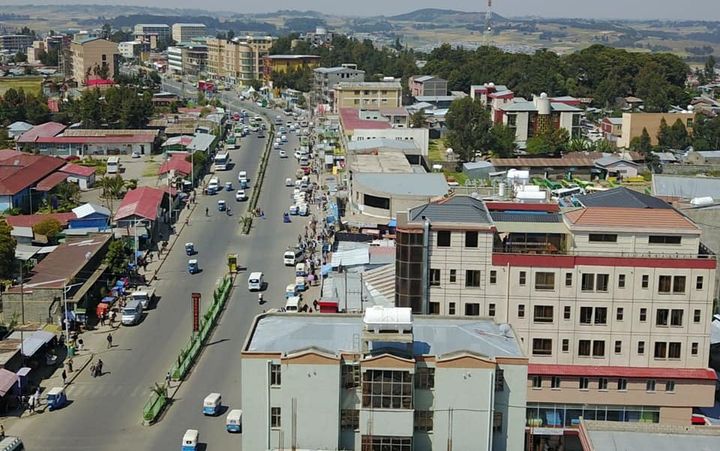
Debre Birhan

Emperor Zera Yacob Statue
Ankober megenteya
Find Accommodations Nearby
Recommended Tours & Activities
Visitor Reviews
There are no reviews yet. Be the first one to write one.
Share Your Experience
Have you visited BETERIYA? Help other travelers by leaving a review.