
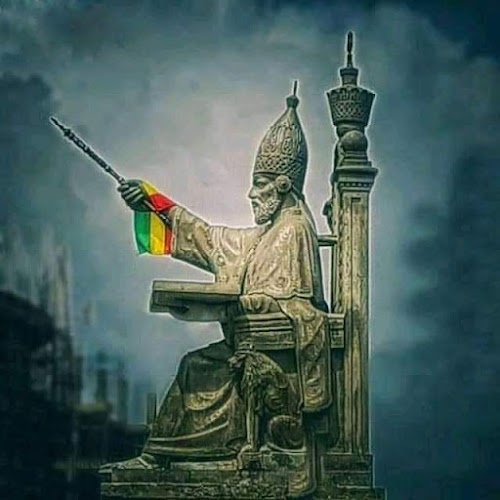
Emperor Zera Yacob Statue
About Emperor Zera Yacob Statue
Description
If you're a fan of history, Ethiopian kings, or just love a good story commemorated in stone, the Emperor Zera Yacob Statue in Debre Birhan, Ethiopia, is a spot that stands out from your usual memorial parks. I’ll admit, when I first stepped into the grounds, I had that tiny shiver—like catching a scene right where a powerful piece of Ethiopian history played out. The statue doesn’t just rest on a pedestal; it practically stares back, reminding you how Emperor Zera Yacob shaped the Ethiopian Orthodox faith and built Debre Birhan into a city of light (the name literally means Mount of Light, after all).
The space is thoughtfully designed and—rare for many African landmarks, sadly—completely wheelchair accessible. There’s an ease of access here that includes a parking lot for those who drive and plenty of well-paved footpaths, meaning you won’t have to choose between comfort and immersion. And no, you don't have to leave your kids behind; the park is great for families and children, offering spots to picnic, play, and dive into the legends of Zera Yacob’s reign.
A little personal confession: I usually get more excited about ruins than statues, but watching children ask their parents who Zera Yacob was, or overhearing snippets about the emperor's long debates with Orthodox clergy or his forced exile—it's clear this place is alive with collective memory. You can almost feel the empire’s pulse in the air, whether you’re a history junkie or just someone out for a walk.
Key Features
- Striking Statue: The centerpiece bronze statue of Emperor Zera Yacob, portrayed in his royal regalia, isn’t just impressive—it’s almost magnetic. The sculptor captured that combination of authority and introspection that Zera Yacob was known for during his long reign.
- Memorial Park Ambience: Surrounded by orderly gardens and shaded benches, this spot serves not only as a photo-op but a peaceful retreat for locals and curious travelers. The park design encourages wandering and contemplation.
- Historical Panels: For those eager for context, the site includes informative plaques recounting Zera Yacob’s ascent to the throne, his role as an Ethiopian Orthodox reformer, struggles with the council, and his famous Book of Light. It’s like a crash course in Ethiopian history, only outdoors.
- Ideal for Families: Safe open spaces, accessible walkways, and resting spots make it a good fit for visitors of all ages. I’ve seen kids dart around the lawns, and parents actually manage a real conversation about church history—go figure!
- Wheelchair Accessible: Both the entrance and parking are barrier-free, making this an inclusive experience.
- Local Vibe: Expect a warm welcome. The people of Debre Birhan take serious pride in their connections to Zera Yacob, and you might hear an anecdote or two from passersby that you won’t read in any official guidebook.
The best part? There’s an authenticity here that’s hard to fake. You feel the way Zera Yacob’s influence still echoes—sometimes fiercely debated—everywhere from church sermons to afternoon gossip on benches. I once chatted with an older gentleman who claimed his great-grandfather met Haile Selassie in the same square. Maybe true, maybe not, but it’s little moments like these that cement the park’s role as a living memory.
Best Time to Visit
Debre Birhan tends to have a climate that’s a bit milder than bustling Addis Ababa—not too hot, not quite chilly, just the right side of pleasant. If you want my advice, come in late September to early November, just when the rains have lifted and the fields around the city are vibrant and alive (oops—that word again! But here, it fits).
Mornings offer soft sunlight for photographers; gold hues make the statue pop. Afternoons get busier with local families and students, and there’s a subtle buzz of everyday Ethiopian life. If you’re keen on quieter exploration, weekdays are your best bet—weekends tend to draw bigger crowds. The park opens year-round, but religious festivals tied to the Ethiopian Orthodox calendar—think Meskel or Timket—can dramatically change the experience. During those times, expect the city to be pulsing with energy and the park to host groups reflecting on Zera Yacob’s spiritual reforms.
One magical memory: Standing at dusk as the last rays of light played on Zera Yacob’s bronze, with birds whirling overhead and a group debating—in Amharic—whether the Emperor or Tewodros II was the greatest ruler. Debates like that have been going for centuries and the statue feels right at the heart of them.
How to Get There
Debre Birhan sits about 120 km northeast of Addis Ababa. I’ve done the drive a couple of times—takes around two hours if the roads are clear. If you’re flying into the capital, you can easily grab a minibus from Meskel Square or organize a driver for the day. Ethiopian highways wind through highland fields—you’ll spot Orthodox churches and waving schoolkids as you approach the city.
Once you reach Debre Birhan, the statue is well-signposted (sometimes astonishingly so for Ethiopia!) and not far from key city landmarks, meaning you can pair your visit with a stop at the local markets or Debre Birhan Selassie Church. Taxis will know exactly where to go if you say you want to see “Zera Yacob’s Statue”—his name carries weight even now.
If you’re coming by private car, rest assured: parking is straightforward, and the area around the memorial park is walkable and safe. Public buses into town are possible, but schedules can be, well, unpredictable, so be a little adventurous or flexible. I once found myself sipping buna at a roadside stall after a transport delay—an unplanned delight, honestly.
Tips for Visiting
- Bring a Camera: The contrasts of bronze, blue sky, and green park make for powerful photos. Don’t be shy about asking locals to snap a shot if you’re traveling solo; Ethiopians are famously friendly (I’ve had more conversations than I can count from simply asking, “Could you…?”).
- Read Up (a Bit): If you know a little about Ethiopian history—how Zera Yacob became emperor after his older brother, his reforms, and fierce debates on Christian doctrine—you’ll get more out of the visit. Even a quick skim of his Book of Light or church history can give those statue panels real resonance. Besides, it’s fun to surprise your friends later by casually mentioning Ethiopian emperors!
- Mind the Time: Afternoons bring more foot traffic, especially on weekends or during Orthodox holidays. For tranquility, or if you want quiet photos, try early morning.
- Ask Locals for Stories: Guides aren’t always official, but someone’s always willing to share. I once learned about the emperor’s forced sojourns and debates with his council from an off-duty teacher resting in the park. Insider tales beat Wikipedia any day.
- Respect Local Customs: This is a memorial as well as a city park; during prayers or group gatherings, be considerate with noise and photos, especially of people. Modest dress is appreciated out of tradition and respect for Zera Yacob’s deeply religious legacy.
- Facilities: There’s basic seating, shade, and sometimes vendors selling water and snacks. Toilets are available but manage your expectations—they’re functional, not fancy.
- Combine with Other Sights: Debre Birhan is small but lovely to wander. Pair your statue visit with nearby churches or the Saturday market. You’ll soak in history and daily life in one go.
Here’s my parting thought. The Emperor Zera Yacob Statue in Debre Birhan, Ethiopia, isn’t just another monument—it’s a meeting point of past and present, empire and modern Ethiopia, debate, memory, and hope. Whether you’re a history nut, a family with kids bouncing off energy, or just passing through, it unfolds a story you’ll keep sharing long after your return home. Don’t just rush a selfie—pause, listen, and let the light and legacy of Zera Yacob settle in. You might find yourself seeing kings and empires, faith, and family in a whole new way.
Key Features
- Key Features
- Best Time to Visit
- How to Get There
- Tips for Visiting
More Details
Updated September 16, 2025
Table of Contents
Description
If you’re a fan of history, Ethiopian kings, or just love a good story commemorated in stone, the Emperor Zera Yacob Statue in Debre Birhan, Ethiopia, is a spot that stands out from your usual memorial parks. I’ll admit, when I first stepped into the grounds, I had that tiny shiver—like catching a scene right where a powerful piece of Ethiopian history played out. The statue doesn’t just rest on a pedestal; it practically stares back, reminding you how Emperor Zera Yacob shaped the Ethiopian Orthodox faith and built Debre Birhan into a city of light (the name literally means Mount of Light, after all).
The space is thoughtfully designed and—rare for many African landmarks, sadly—completely wheelchair accessible. There’s an ease of access here that includes a parking lot for those who drive and plenty of well-paved footpaths, meaning you won’t have to choose between comfort and immersion. And no, you don’t have to leave your kids behind; the park is great for families and children, offering spots to picnic, play, and dive into the legends of Zera Yacob’s reign.
A little personal confession: I usually get more excited about ruins than statues, but watching children ask their parents who Zera Yacob was, or overhearing snippets about the emperor’s long debates with Orthodox clergy or his forced exile—it’s clear this place is alive with collective memory. You can almost feel the empire’s pulse in the air, whether you’re a history junkie or just someone out for a walk.
Key Features
- Striking Statue: The centerpiece bronze statue of Emperor Zera Yacob, portrayed in his royal regalia, isn’t just impressive—it’s almost magnetic. The sculptor captured that combination of authority and introspection that Zera Yacob was known for during his long reign.
- Memorial Park Ambience: Surrounded by orderly gardens and shaded benches, this spot serves not only as a photo-op but a peaceful retreat for locals and curious travelers. The park design encourages wandering and contemplation.
- Historical Panels: For those eager for context, the site includes informative plaques recounting Zera Yacob’s ascent to the throne, his role as an Ethiopian Orthodox reformer, struggles with the council, and his famous Book of Light. It’s like a crash course in Ethiopian history, only outdoors.
- Ideal for Families: Safe open spaces, accessible walkways, and resting spots make it a good fit for visitors of all ages. I’ve seen kids dart around the lawns, and parents actually manage a real conversation about church history—go figure!
- Wheelchair Accessible: Both the entrance and parking are barrier-free, making this an inclusive experience.
- Local Vibe: Expect a warm welcome. The people of Debre Birhan take serious pride in their connections to Zera Yacob, and you might hear an anecdote or two from passersby that you won’t read in any official guidebook.
The best part? There’s an authenticity here that’s hard to fake. You feel the way Zera Yacob’s influence still echoes—sometimes fiercely debated—everywhere from church sermons to afternoon gossip on benches. I once chatted with an older gentleman who claimed his great-grandfather met Haile Selassie in the same square. Maybe true, maybe not, but it’s little moments like these that cement the park’s role as a living memory.
Best Time to Visit
Debre Birhan tends to have a climate that’s a bit milder than bustling Addis Ababa—not too hot, not quite chilly, just the right side of pleasant. If you want my advice, come in late September to early November, just when the rains have lifted and the fields around the city are vibrant and alive (oops—that word again! But here, it fits).
Mornings offer soft sunlight for photographers; gold hues make the statue pop. Afternoons get busier with local families and students, and there’s a subtle buzz of everyday Ethiopian life. If you’re keen on quieter exploration, weekdays are your best bet—weekends tend to draw bigger crowds. The park opens year-round, but religious festivals tied to the Ethiopian Orthodox calendar—think Meskel or Timket—can dramatically change the experience. During those times, expect the city to be pulsing with energy and the park to host groups reflecting on Zera Yacob’s spiritual reforms.
One magical memory: Standing at dusk as the last rays of light played on Zera Yacob’s bronze, with birds whirling overhead and a group debating—in Amharic—whether the Emperor or Tewodros II was the greatest ruler. Debates like that have been going for centuries and the statue feels right at the heart of them.
How to Get There
Debre Birhan sits about 120 km northeast of Addis Ababa. I’ve done the drive a couple of times—takes around two hours if the roads are clear. If you’re flying into the capital, you can easily grab a minibus from Meskel Square or organize a driver for the day. Ethiopian highways wind through highland fields—you’ll spot Orthodox churches and waving schoolkids as you approach the city.
Once you reach Debre Birhan, the statue is well-signposted (sometimes astonishingly so for Ethiopia!) and not far from key city landmarks, meaning you can pair your visit with a stop at the local markets or Debre Birhan Selassie Church. Taxis will know exactly where to go if you say you want to see “Zera Yacob’s Statue”—his name carries weight even now.
If you’re coming by private car, rest assured: parking is straightforward, and the area around the memorial park is walkable and safe. Public buses into town are possible, but schedules can be, well, unpredictable, so be a little adventurous or flexible. I once found myself sipping buna at a roadside stall after a transport delay—an unplanned delight, honestly.
Tips for Visiting
- Bring a Camera: The contrasts of bronze, blue sky, and green park make for powerful photos. Don’t be shy about asking locals to snap a shot if you’re traveling solo; Ethiopians are famously friendly (I’ve had more conversations than I can count from simply asking, “Could you…?”).
- Read Up (a Bit): If you know a little about Ethiopian history—how Zera Yacob became emperor after his older brother, his reforms, and fierce debates on Christian doctrine—you’ll get more out of the visit. Even a quick skim of his Book of Light or church history can give those statue panels real resonance. Besides, it’s fun to surprise your friends later by casually mentioning Ethiopian emperors!
- Mind the Time: Afternoons bring more foot traffic, especially on weekends or during Orthodox holidays. For tranquility, or if you want quiet photos, try early morning.
- Ask Locals for Stories: Guides aren’t always official, but someone’s always willing to share. I once learned about the emperor’s forced sojourns and debates with his council from an off-duty teacher resting in the park. Insider tales beat Wikipedia any day.
- Respect Local Customs: This is a memorial as well as a city park; during prayers or group gatherings, be considerate with noise and photos, especially of people. Modest dress is appreciated out of tradition and respect for Zera Yacob’s deeply religious legacy.
- Facilities: There’s basic seating, shade, and sometimes vendors selling water and snacks. Toilets are available but manage your expectations—they’re functional, not fancy.
- Combine with Other Sights: Debre Birhan is small but lovely to wander. Pair your statue visit with nearby churches or the Saturday market. You’ll soak in history and daily life in one go.
Here’s my parting thought. The Emperor Zera Yacob Statue in Debre Birhan, Ethiopia, isn’t just another monument—it’s a meeting point of past and present, empire and modern Ethiopia, debate, memory, and hope. Whether you’re a history nut, a family with kids bouncing off energy, or just passing through, it unfolds a story you’ll keep sharing long after your return home. Don’t just rush a selfie—pause, listen, and let the light and legacy of Zera Yacob settle in. You might find yourself seeing kings and empires, faith, and family in a whole new way.
Key Highlights
- Key Features
- Best Time to Visit
- How to Get There
- Tips for Visiting
Location
Places to Stay Near Emperor Zera Yacob Statue
Find and Book a Tour
Explore More Travel Guides
No reviews found! Be the first to review!
Traveler Reviews for Emperor Zera Yacob Statue
There are no reviews yet. Be the first one to write one.
Have you visited Emperor Zera Yacob Statue? Help other travelers by sharing your review.
You Might Also Like
Getva Hotel

Debre Birhan
Ankober megenteya
Find Accommodations Nearby
Recommended Tours & Activities
Visitor Reviews
There are no reviews yet. Be the first one to write one.
Share Your Experience
Have you visited Emperor Zera Yacob Statue? Help other travelers by leaving a review.