
Berry Head National Nature Reserve
About Berry Head National Nature Reserve
Key Features
More Details
Updated September 16, 2025
Description
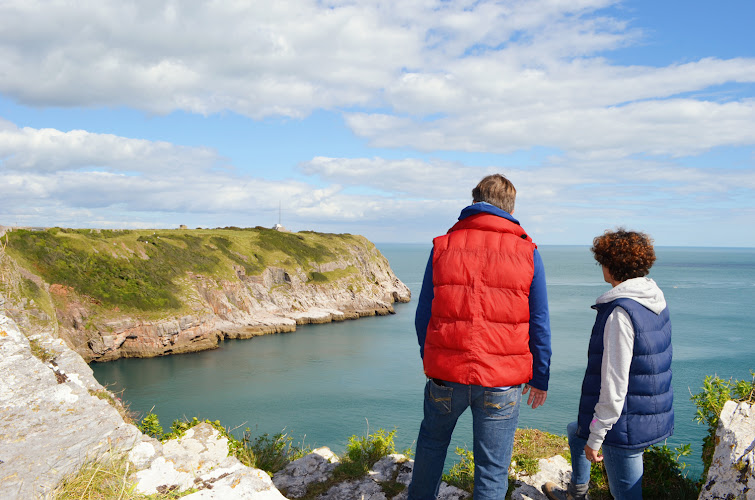
Perched dramatically on Devon’s stunning coastline, Berry Head National Nature Reserve stands as a testament to both natural beauty and historical significance. This remarkable headland, rising 200 feet above sea level, commands breathtaking views across Torbay and features an iconic lighthouse that still guides ships safely along these waters. What makes this place truly special is how it’s almost completely surrounded by water on three sides, creating a peninsula that feels like you’re standing at the edge of the world.
As a National Nature Reserve and Special Area of Conservation, Berry Head boasts some of the most diverse wildlife and plant species you’ll find in South Devon. The limestone cliffs serve as home to numerous seabirds, including guillemots who nest here during breeding season. I’ve spent countless hours watching these fascinating creatures go about their daily routines – it’s like having front-row seats to nature’s own theater!
Key Features
• Europe’s shortest lighthouse (only 5 meters tall!) sitting at one of Britain’s highest points
• Two Napoleonic-era fort complexes that tell tales of Britain’s military history
• A charming café housed in the former artillery storage building
• Extensive network of walking trails suitable for various fitness levels
• Rare limestone grassland supporting unique plant species
• Prime spot for watching seabirds and occasional dolphins
• Visitor centre with interactive displays and local information
• Designated picnic areas with spectacular coastal views
Best Time to Visit
While Berry Head captivates visitors year-round, each season offers something unique. Spring brings carpets of wildflowers and the return of nesting seabirds. Summer offers perfect conditions for hiking and picnicking, though it can get busy during peak holiday times. Fall provides clearer skies for photography and wildlife spotting, while winter delivers dramatic seascapes and peaceful solitude. For the best experience, try arriving early morning or late afternoon when the light is perfect for photos and the crowds are thinner.
How to Get There
The reserve is easily accessible by car, though you’ll need to navigate a narrow lane with passing bays before reaching the main car park. If you’re using public transport, regular bus services run from Brixham town center to Berry Head Road, followed by a short walk to the reserve entrance. Cyclists can access the site via the National Cycle Network Route 28, and there’s plenty of bike parking available.
Tips for Visiting
Pack layers regardless of the season – the exposed headland can be significantly windier and cooler than inland areas. Trust me, I learned this the hard way during my first visit! Bring binoculars if you’re interested in wildlife watching; the guillemot colony is particularly impressive during breeding season. The café serves amazing cream teas, but they can get pretty busy during peak times.
Wear sturdy shoes as some paths can be uneven and slippery after rain. The car park operates on a pay-on-exit system, so keep track of your vehicle registration number. Dogs are welcome but must be kept on leads in certain areas to protect ground-nesting birds and grazing cattle.
Consider timing your visit around sunset – the views are absolutely incredible and totally worth staying a bit later for. And don’t forget your camera; the lighthouse against the backdrop of Torbay is one of Devon’s most photographed scenes.
If you’re visiting with kids, grab an activity pack from the visitor centre – they’re full of fun wildlife spotting challenges and historical facts that’ll keep the little ones engaged. The fort areas are perfect for imaginative play, and there’s plenty of space for them to burn off energy safely.
One thing that often surprises first-time visitors is the accessibility – despite being a natural clifftop site, the main paths are well-maintained and suitable for wheelchairs and pushchairs. The visitor centre and café are fully accessible too.
During summer weekends, you might want to arrive early or later in the day to avoid the main crowds. The car park can fill up quickly, especially during school holidays. But even when it’s busy, the headland is big enough that you can always find a quiet spot to yourself.
Remember to check the weather forecast before heading out – on clear days you can see all the way across Lyme Bay, but fog can roll in quickly and dramatically change the experience. Though honestly, there’s something quite magical about watching the lighthouse pierce through a misty morning!
Table of Contents
Key Highlights
Berry Head National Nature Reserve
Location
Places to Stay Near Berry Head National Nature Reserve
Find and Book a Tour
Explore More Travel Guides
No reviews found! Be the first to review!
Traveler Reviews for Berry Head National Nature Reserve
There are no reviews yet. Be the first one to write one.
Have you visited Berry Head National Nature Reserve? Help other travelers by sharing your review.
You Might Also Like


Find Accommodations Nearby
Recommended Tours & Activities
Visitor Reviews
There are no reviews yet. Be the first one to write one.
Share Your Experience
Have you visited Berry Head National Nature Reserve? Help other travelers by leaving a review.