
Bergama Museum
About Bergama Museum
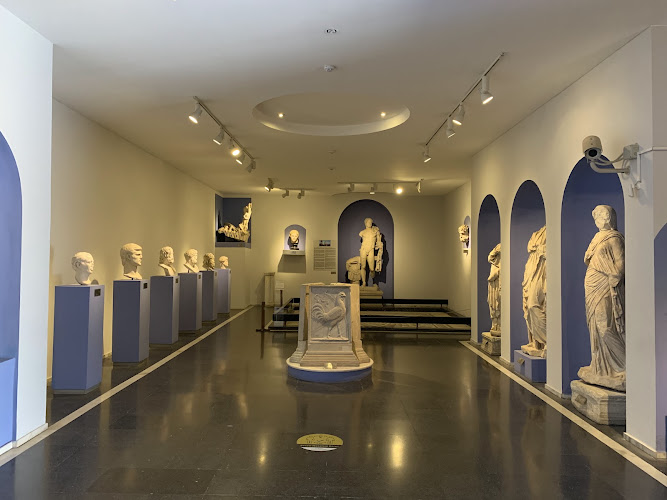
The Bergama Museum sits quietly in the town of Bergama, doing its job without much fuss, which honestly feels very fitting. It’s not the kind of museum that tries to dazzle you with flashy screens or loud storytelling. Instead, it lets the objects speak. And they do, in a calm, steady voice that rewards patience. Opened in the 1930s, the building itself carries a certain old-school dignity. Walking through its doors, a traveler can almost sense how long archaeology has mattered here. This region, after all, was once Pergamon, one of the most influential ancient cities in the Mediterranean world.
The museum focuses on archaeological artifacts unearthed from Pergamon and the surrounding areas. Marble statues, inscriptions, everyday items, funerary steles, and fragments of once-grand architecture fill the galleries. There’s also a strong collection of Middle Eastern and Islamic art, which adds an extra layer of context to the region’s long, complicated history. And yes, some displays feel a little dated. Labels aren’t always poetic, lighting can be uneven. But weirdly, that’s part of the charm. It feels more like a working archive than a polished theme park.
The vibe inside is generally calm. Travelers who rush through will still enjoy it, but those who slow down tend to walk away more satisfied. The museum does a good job balancing heavy-hitting artifacts with smaller, intimate objects. One minute you’re looking at a heroic statue head, the next you’re leaning in close to a carved relief that once marked someone’s grave. That contrast sticks with people. It did with the writer, anyway. There’s something humbling about seeing how much of ordinary life survives alongside the grand stuff.
Families often appreciate that the museum isn’t overwhelming. Kids can move through it without sensory overload, and adults can actually read things without feeling rushed. Accessibility is solid, too, which matters more than many museums seem to realize. Wheelchair users can navigate the main spaces comfortably, and basic amenities like restrooms are available. No on-site restaurant, but honestly, that just nudges visitors back into town afterward, which is never a bad thing.
Overall, the Bergama Museum doesn’t try to be everything. It sticks to its purpose: preserving and presenting the story of a place that once mattered hugely to the ancient world. And maybe that’s why it works. Travelers leave with context, not confusion, and that’s a gift.
Key Features
- Extensive archaeological collection from ancient Pergamon, including statues, inscriptions, and architectural fragments
- Notable displays of Middle Eastern and Islamic art that broaden the historical timeline
- Outdoor courtyard showcasing stone artifacts and larger sculptural pieces
- Clear thematic organization that helps non-experts follow the story
- Wheelchair-accessible entrance, parking, and restrooms
- Family-friendly layout that works well for children and first-time museum visitors
- A quieter, less commercial feel compared to big-city museums
Best Time to Visit
Timing matters more than people think with the Bergama Museum. The best months are spring and autumn, when the weather in the region stays mild and the town isn’t buzzing with summer heat. During these seasons, travelers can pair a museum visit with outdoor exploring without feeling drained. Summer visits are still doable, but the heat can sap energy fast, especially if the museum is part of a longer day that includes the Acropolis.
Mornings tend to be quieter. Locals and tour groups usually arrive later, so early hours give visitors space to linger. And lingering is key here. The museum doesn’t shout its highlights, so a calm atmosphere helps. Weekdays are generally more relaxed than weekends, though even busy days rarely feel chaotic. This isn’t a blockbuster museum, and that’s actually a blessing.
Winter brings fewer tourists and a slower pace. Some travelers love that. Others find the shorter daylight hours limiting. But if the goal is reflection rather than photos, winter has its perks. The museum remains a solid indoor stop regardless of season, especially on days when outdoor ruins feel overwhelming.
How to Get There
Getting to the Bergama Museum is fairly straightforward once you’re in town. Bergama itself is well connected by road, and most travelers arrive via bus or car from nearby cities. From the town center, the museum is easy to reach on foot. And honestly, walking is part of the experience. Bergama feels lived-in, not staged, and strolling its streets gives context to what you’ll later see behind glass.
For those driving, parking options nearby are usually manageable, though they can fill up during peak tourist hours. Public transport within town is limited but rarely necessary. The museum’s location makes it a natural stop either before or after visiting the ancient Acropolis or Asklepion. Many travelers slot it into the middle of the day, when climbing hills feels less appealing.
One small tip: don’t rely entirely on signage. Asking a local often works better. People in Bergama are generally helpful, and directions tend to come with a story or two thrown in for free.
Tips for Visiting
First tip: don’t rush it. The Bergama Museum isn’t massive, but it rewards attention. Give yourself at least one to two hours. More if you’re the type who reads every label. And yes, some labels are dense. But push through. The payoff is understanding how the artifacts connect to the ruins you’ve probably already seen.
Second, consider visiting after exploring the ancient sites. Seeing statues and fragments in the museum after walking among their original settings creates a mental bridge that’s hard to beat. The writer remembers standing in front of a simple stone relief and suddenly recalling a half-eroded wall on the Acropolis. That moment of recognition made both experiences richer.
Third, bring water. There’s no restaurant inside, and while restrooms are available, snack options aren’t. This isn’t a big inconvenience, just something to plan for. Kids especially appreciate a quick break outside with a drink.
Fourth, manage expectations. This museum isn’t flashy, and some displays show their age. But if you go in expecting depth rather than spectacle, you’ll likely walk out impressed. The balance between archaeological rigor and accessibility is better than it first appears.
Photography policies can vary by room, so pay attention to signs or ask staff. They’re usually approachable, even if their English is limited. A smile goes a long way here. And if you’re traveling with children, don’t stress too much about museum etiquette. The space feels forgiving, not stern.
Lastly, pair the visit with time in town. The museum makes more sense when it’s part of a wider Bergama experience. Sit in a café afterward. Watch daily life roll by. Let the ancient and modern overlap in your mind. That, more than any single artifact, is what tends to stay with travelers long after they leave.
Key Features
- Extensive archaeological collection from ancient Pergamon, including statues, inscriptions, and architectural fragments
- Notable displays of Middle Eastern and Islamic art that broaden the historical timeline
- Outdoor courtyard showcasing stone artifacts and larger sculptural pieces
- Clear thematic organization that helps non-experts follow the story
- Wheelchair-accessible entrance, parking, and restrooms
- Family-friendly layout that works well for children and first-time museum visitors
- A quieter, less commercial feel compared to big-city museums
You Might Also Like

*BDT BELEK DOGA TOUR | Daily Tours, Day Trips and Excursions in Antalya*
1464. Sk. No:55
2006. Sk. No:2
Tours & Activities
GetYourGuide provides this tour inventory. We may earn a commission if you book through it; verify current availability, prices, and terms with the provider.
Visitor Reviews
There are no reviews yet. Be the first one to write one.
Share Your Experience
Have you visited Bergama Museum? Help other travelers by leaving a review.