
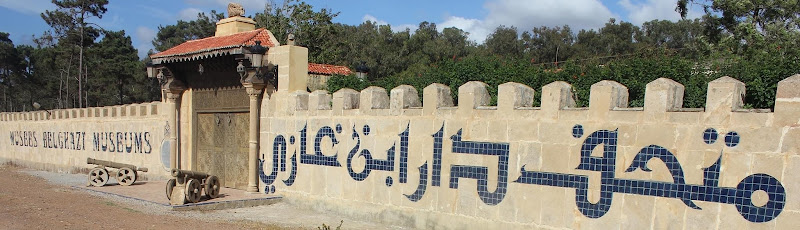
Belghazi House Museum
About Belghazi House Museum
Description
Step inside a world where every inch seems to have a tale clinging to it—like when you find an old scarf buried at the bottom of a trunk, still smelling faintly of your grandmother’s perfume. That’s the feeling swirling around the Belghazi House Museum. It’s a living, breathing diary of Moroccan craftsmanship and ordinary life, captured in a house groaning with hand-carved woodwork, shimmering brass trays, carpets, musical relics, and objects that look like they could break into song—or at least a wild percussion solo—if no one’s watching.
Now, I’m not saying every moment here is impeccable. Some corners feel a tad dustier than you’d expect in a major city’s museum, and you’ll bump into a few exhibits with faded labels. But honestly, I like that. It kind of reminds me of visiting an eccentric uncle—a touch scattershot, very human, a bit eccentric—rather than a polished, roped-off art fortress. In the Belghazi House, you’re more than an observer. Sometimes, it’s as if you’re part of the family hosting you.
What really pokes at your curiosity, though, are the treasures hidden in plain sight: embroidery so detailed you’d swear it was painted rather than stitched, daggers with hilts that demand a second look, and centuries-old musical instruments that could easily transport you to another era if you close your eyes for long enough. This isn’t one of those sterile, hushed museums where you feel like you might get scolded for breathing too loudly. Instead, Belghazi House thrums with the clatter and hum of real life—kids giggling, staff bustling, and, sometimes, live musicians filling the courtyard with hypnotic rhythms.
If you share my craving for places that still have a pulse, this place’ll stay with you long after you’ve left the echoing courtyards. I still sometimes think about the time I got caught up in a spontaneous drum performance there—my foot tapping along before I realized. It’s a home for Morocco’s artistic soul, rough edges and all.
Key Features
- Ethnographic Collections: Dive into a wild assortment of Berber jewelry, ceremonial costumes, pottery, carpets, daggers, and everyday objects. Each feels like a little time capsule.
- Art Exhibits: Original Moroccan paintings and intricate calligraphy—no two visits ever look the same, honestly.
- Live Cultural Performances: If you’re lucky, catch an impromptu musical set or dance performance. The whole house vibrates with music on special days.
- Stunning Craftsmanship: Hand-carved cedar ceilings, zellij tilework, and brass lanterns—I dare you to not take a hundred photos.
- Family-Friendly Atmosphere: Kids usually love exploring the nooks, and it’s nowhere near as uptight as some museums. Little ones have room to be, well, kids.
- Wheelchair Accessible: Decent ramps, accessible restrooms, assisted listening devices—makes a big difference for visitors needing them.
- On-site Restaurant: The small café serves up mint tea and local dishes; perfect when you need to recharge.
- Wi-Fi Available: Not always a given in Morocco’s historic homes but handy for sharing your visit in real time.
- Gender-neutral Restrooms: Makes life easier for everyone.
Best Time to Visit
Don’t get me started on the weather—Morocco’s sun can roast an egg on the sidewalk in July but is kindly gentle the rest of the year. If you want to amble through each salon without breaking a sweat, target spring (March–May) or autumn (September–November). Temperatures hover in that Goldilocks zone—just right for wandering between indoor galleries and leafy courtyards, and the late afternoon light makes even the most humble artifacts glow.
Weekdays tend to be quieter, with weekends drawing livelier crowds and the occasional family outing. If you’re angling to catch live music, ask ahead—performances usually crop up during holidays and special occasions, but you may luck out on some random Saturday. Early afternoons bring a little bustle, yes, but it also means more chance to people-watch. I actually prefer it when there’s a healthy hum of other museum-goers, but if you’re crowd-shy, pop in right when it opens.
How to Get There
Alright, so you’re traveling in Morocco—maybe with a suitcase that has seen better days (aren’t we all?)—and want to add a dash of culture to your trip. The Belghazi House Museum sits a short drive north from Rabat’s city center, making it an easy getaway even if you only have a day to spare around the capital or Salé.
If you’ve got a rental car, just plug it into your GPS and relax. There’s wheelchair accessible parking right at the front, so you won’t be trudging along dusty shoulders to get inside. No car? No problem. Petit taxis swarm the city corners in Rabat and Salé—flag one down, double-check the meter, and in less than half an hour you’ll be at the gates, barring wild traffic. For bus enthusiasts (I tip my hat; you’re braver than I am), look for local routes between Rabat and Kenitra, but budget a bit more time for the slower pace and inevitable goat sighting.
Truthfully, I once took a bike out that way—sunburn, sore thighs, but plenty of amazing pit stops in the countryside. If you’re feeling energetic and don’t mind the odd stray sheep, cycling is an option. Otherwise, taxis will get you there with minimal fuss. The road itself winds past gardens and a checkerboard of fields—Moroccan countryside at a glance.
Tips for Visiting
- Bring Cash: Admissions or souvenirs aren’t always card-friendly, especially smaller items or at the café. A handful of dirhams can go a long way here. And it’s a bit awkward fumbling for a card machine that just... isn’t there.
- Take Your Time: This isn’t a museum to speedwalk through. Linger in the decorated salons, and maybe ask a staff member about the oddities—many have personal stories about pieces and love to share.
- Check for Events: Ask ahead or, dare I say, stalk their socials for performance schedules. Live music turns a regular afternoon into something honestly memorable, and you might even get handed a drum.
- Photograph Permission: Snapping photos is generally fine, but if you’re into serious photography, ask at the entrance—certain rooms (and staff) prefer you keep your phone in your pocket. I learned this the sheepish way, after a little scolding.
- Dress Comfortably: The house is big, with stone floors and a few uneven steps. Flats or soft-soled shoes will make exploring a breeze. You’ll want to dress modestly—shoulders and knees covered—since it’s both a historic home and a spot for local families.
- Kids Welcome: If being a parent in a museum ever made you sweat, relax—Belghazi House is genuinely good for kids. There’s enough to touch, see, and experience that even the fidgetiest will stay hooked for a while.
- Mix with Locals: Weekends often see local families and school groups making the trip. Don’t be shy about striking up a conversation; you’ll probably get tips on the best exhibits and maybe even an invite for tea. That hasn’t happened to me yet, but I live in hope.
- Wi-Fi is Handy: Though I’d argue for switching your phone to camera mode only, the free Wi-Fi is convenient for instant sharing or translation help if your French is a bit rusty.
Ultimately, the Belghazi House Museum isn’t your stiff, glass-cased kind of place. It’s tactile, personal, and maybe a little chaotic—which is why I keep finding excuses to return. If you’re after an offbeat, authentic chunk of Moroccan artistry that jumps the border between past and present, well, this spot is hard to top. And if you figure out a shortcut to their best mint tea, let me know—I’m still searching.
Key Features
- Key Features
- Best Time to Visit
- How to Get There
- Tips for Visiting
More Details
Updated July 2, 2025
Table of Contents
Description
Step inside a world where every inch seems to have a tale clinging to it—like when you find an old scarf buried at the bottom of a trunk, still smelling faintly of your grandmother’s perfume. That’s the feeling swirling around the Belghazi House Museum. It’s a living, breathing diary of Moroccan craftsmanship and ordinary life, captured in a house groaning with hand-carved woodwork, shimmering brass trays, carpets, musical relics, and objects that look like they could break into song—or at least a wild percussion solo—if no one’s watching.
Now, I’m not saying every moment here is impeccable. Some corners feel a tad dustier than you’d expect in a major city’s museum, and you’ll bump into a few exhibits with faded labels. But honestly, I like that. It kind of reminds me of visiting an eccentric uncle—a touch scattershot, very human, a bit eccentric—rather than a polished, roped-off art fortress. In the Belghazi House, you’re more than an observer. Sometimes, it’s as if you’re part of the family hosting you.
What really pokes at your curiosity, though, are the treasures hidden in plain sight: embroidery so detailed you’d swear it was painted rather than stitched, daggers with hilts that demand a second look, and centuries-old musical instruments that could easily transport you to another era if you close your eyes for long enough. This isn’t one of those sterile, hushed museums where you feel like you might get scolded for breathing too loudly. Instead, Belghazi House thrums with the clatter and hum of real life—kids giggling, staff bustling, and, sometimes, live musicians filling the courtyard with hypnotic rhythms.
If you share my craving for places that still have a pulse, this place’ll stay with you long after you’ve left the echoing courtyards. I still sometimes think about the time I got caught up in a spontaneous drum performance there—my foot tapping along before I realized. It’s a home for Morocco’s artistic soul, rough edges and all.
Key Features
- Ethnographic Collections: Dive into a wild assortment of Berber jewelry, ceremonial costumes, pottery, carpets, daggers, and everyday objects. Each feels like a little time capsule.
- Art Exhibits: Original Moroccan paintings and intricate calligraphy—no two visits ever look the same, honestly.
- Live Cultural Performances: If you’re lucky, catch an impromptu musical set or dance performance. The whole house vibrates with music on special days.
- Stunning Craftsmanship: Hand-carved cedar ceilings, zellij tilework, and brass lanterns—I dare you to not take a hundred photos.
- Family-Friendly Atmosphere: Kids usually love exploring the nooks, and it’s nowhere near as uptight as some museums. Little ones have room to be, well, kids.
- Wheelchair Accessible: Decent ramps, accessible restrooms, assisted listening devices—makes a big difference for visitors needing them.
- On-site Restaurant: The small café serves up mint tea and local dishes; perfect when you need to recharge.
- Wi-Fi Available: Not always a given in Morocco’s historic homes but handy for sharing your visit in real time.
- Gender-neutral Restrooms: Makes life easier for everyone.
Best Time to Visit
Don’t get me started on the weather—Morocco’s sun can roast an egg on the sidewalk in July but is kindly gentle the rest of the year. If you want to amble through each salon without breaking a sweat, target spring (March–May) or autumn (September–November). Temperatures hover in that Goldilocks zone—just right for wandering between indoor galleries and leafy courtyards, and the late afternoon light makes even the most humble artifacts glow.
Weekdays tend to be quieter, with weekends drawing livelier crowds and the occasional family outing. If you’re angling to catch live music, ask ahead—performances usually crop up during holidays and special occasions, but you may luck out on some random Saturday. Early afternoons bring a little bustle, yes, but it also means more chance to people-watch. I actually prefer it when there’s a healthy hum of other museum-goers, but if you’re crowd-shy, pop in right when it opens.
How to Get There
Alright, so you’re traveling in Morocco—maybe with a suitcase that has seen better days (aren’t we all?)—and want to add a dash of culture to your trip. The Belghazi House Museum sits a short drive north from Rabat’s city center, making it an easy getaway even if you only have a day to spare around the capital or Salé.
If you’ve got a rental car, just plug it into your GPS and relax. There’s wheelchair accessible parking right at the front, so you won’t be trudging along dusty shoulders to get inside. No car? No problem. Petit taxis swarm the city corners in Rabat and Salé—flag one down, double-check the meter, and in less than half an hour you’ll be at the gates, barring wild traffic. For bus enthusiasts (I tip my hat; you’re braver than I am), look for local routes between Rabat and Kenitra, but budget a bit more time for the slower pace and inevitable goat sighting.
Truthfully, I once took a bike out that way—sunburn, sore thighs, but plenty of amazing pit stops in the countryside. If you’re feeling energetic and don’t mind the odd stray sheep, cycling is an option. Otherwise, taxis will get you there with minimal fuss. The road itself winds past gardens and a checkerboard of fields—Moroccan countryside at a glance.
Tips for Visiting
- Bring Cash: Admissions or souvenirs aren’t always card-friendly, especially smaller items or at the café. A handful of dirhams can go a long way here. And it’s a bit awkward fumbling for a card machine that just… isn’t there.
- Take Your Time: This isn’t a museum to speedwalk through. Linger in the decorated salons, and maybe ask a staff member about the oddities—many have personal stories about pieces and love to share.
- Check for Events: Ask ahead or, dare I say, stalk their socials for performance schedules. Live music turns a regular afternoon into something honestly memorable, and you might even get handed a drum.
- Photograph Permission: Snapping photos is generally fine, but if you’re into serious photography, ask at the entrance—certain rooms (and staff) prefer you keep your phone in your pocket. I learned this the sheepish way, after a little scolding.
- Dress Comfortably: The house is big, with stone floors and a few uneven steps. Flats or soft-soled shoes will make exploring a breeze. You’ll want to dress modestly—shoulders and knees covered—since it’s both a historic home and a spot for local families.
- Kids Welcome: If being a parent in a museum ever made you sweat, relax—Belghazi House is genuinely good for kids. There’s enough to touch, see, and experience that even the fidgetiest will stay hooked for a while.
- Mix with Locals: Weekends often see local families and school groups making the trip. Don’t be shy about striking up a conversation; you’ll probably get tips on the best exhibits and maybe even an invite for tea. That hasn’t happened to me yet, but I live in hope.
- Wi-Fi is Handy: Though I’d argue for switching your phone to camera mode only, the free Wi-Fi is convenient for instant sharing or translation help if your French is a bit rusty.
Ultimately, the Belghazi House Museum isn’t your stiff, glass-cased kind of place. It’s tactile, personal, and maybe a little chaotic—which is why I keep finding excuses to return. If you’re after an offbeat, authentic chunk of Moroccan artistry that jumps the border between past and present, well, this spot is hard to top. And if you figure out a shortcut to their best mint tea, let me know—I’m still searching.
Key Highlights
- Key Features
- Best Time to Visit
- How to Get There
- Tips for Visiting
Location
Places to Stay Near Belghazi House Museum
Find and Book a Tour
Explore More Travel Guides
No reviews found! Be the first to review!
Traveler Reviews for Belghazi House Museum
There are no reviews yet. Be the first one to write one.
Have you visited Belghazi House Museum? Help other travelers by sharing your review.
You Might Also Like
Ain Sultan Forest

Palooza park
synthétique biougra
Find Accommodations Nearby
Recommended Tours & Activities
Visitor Reviews
There are no reviews yet. Be the first one to write one.
Share Your Experience
Have you visited Belghazi House Museum? Help other travelers by leaving a review.