
Bataan World War II Museum
About Bataan World War II Museum
Description
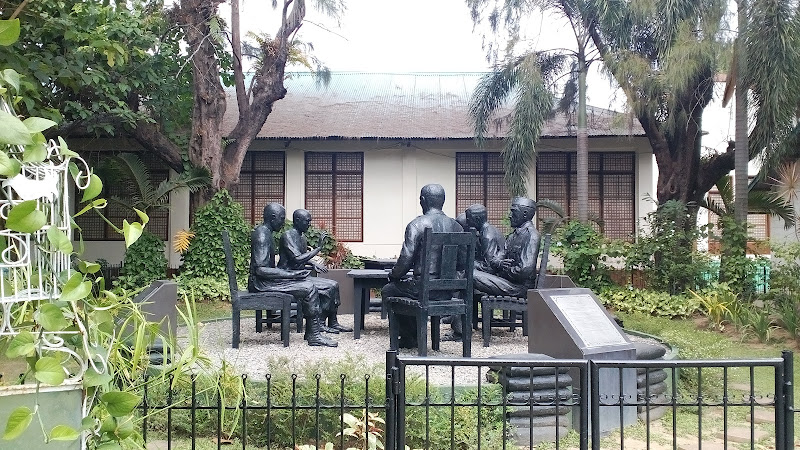
The Bataan World War II Museum in Balanga is not the kind of place you just breeze through—it has a way of slowing you down, making you pause, and really think about what happened here more than 80 years ago. It’s tucked behind Balanga Elementary School, which almost feels symbolic, like history whispering to the younger generation right in their backyard. The museum isn’t massive or flashy, but that’s part of its charm. Instead of overwhelming you with endless displays, it carefully curates artifacts, dioramas, and stories that hit you right in the gut. From rusted helmets and uniforms to photographs of soldiers and civilians, every corner feels like it carries a memory. And then there’s the section on the Bataan Death March—arguably the most sobering part of the visit. Standing in front of the dioramas, you can almost feel the exhaustion and despair those men endured. It’s not easy to look at, but it’s important.
What’s nice is that the museum doesn’t just dwell on tragedy. It also highlights resilience, bravery, and the human spirit that somehow survived even in the darkest days. There’s a surrender monument in the garden that adds another layer of reflection, reminding visitors that history is not just about battles lost or won, but about the people who lived—and died—through them. The place is accessible, with ramps and restrooms that make it easier for families and older visitors. It’s also surprisingly kid-friendly, though I’d say it’s best for children who are old enough to understand the gravity of what’s being shared. The atmosphere is quiet and respectful, and while it’s not a glossy, high-tech museum, it feels authentic. Some folks might find it a bit small and wish for more exhibits, but honestly, its intimacy is what makes it powerful. You walk away not just with facts, but with emotions. And that’s what a good museum should do.
Key Features
- A collection of authentic World War II artifacts, including uniforms, weapons, and personal items of soldiers
- Dioramas depicting pivotal events such as the Bataan Death March and the surrender of Major General King
- A memorial garden with a surrender monument for quiet reflection
- Wheelchair-accessible entrance, parking, and restrooms
- Educational displays designed to engage both adults and children
- Guided tours available with stories that bring the exhibits to life
- Peaceful atmosphere, away from the usual tourist bustle
Best Time to Visit
If you’re planning to go, mornings are your best bet. The museum tends to be calmer earlier in the day, and the light in the garden area is softer, which makes it easier to take photos if you’re into that. The dry season, roughly from November to May, is the most comfortable time weather-wise. The afternoons can get hot and sticky in Bataan, and since you’ll probably want to spend some time outside at the monument, cooler weather makes the experience more pleasant. Personally, I think visiting around April, near the annual Araw ng Kagitingan (Day of Valor) commemoration, adds another layer of meaning. The whole province honors the memory of the fallen, and you can feel that sense of collective remembrance in the air. But if you prefer a quieter, more personal experience, avoid big holidays and weekends when groups of students and tourists tend to come in larger numbers.
How to Get There
Reaching the museum is fairly straightforward. If you’re coming from Manila, the drive to Balanga takes about three hours, depending on traffic (which, let’s be real, can be unpredictable). Most people take the North Luzon Expressway (NLEX) and then connect to the Subic-Clark-Tarlac Expressway (SCTEX) before heading into Bataan. Public buses also run from Manila to Balanga regularly, and from the terminal in Balanga, it’s just a short tricycle ride to the museum. For those who prefer more comfort, hiring a private van or joining a guided tour is a stress-free option. One thing I’ll say: don’t rely too heavily on GPS alone. While it usually works fine, smaller roads in Balanga can be a little confusing, so asking locals for directions (and they’re usually happy to help) can save you some unnecessary detours.
Tips for Visiting
Here are a few things I’ve learned from my own visit and from chatting with other travelers:
- Take your time. It’s not a big museum, but don’t rush through it. Read the captions, look closely at the artifacts, and let yourself absorb the stories.
- Bring water. There’s no restaurant on-site, and while there are small shops nearby, it’s best to have a bottle handy especially if you’re visiting during the hotter months.
- Respect the space. This isn’t just another tourist spot—it’s a memorial. Keep your voice down, and encourage kids to treat the exhibits with care.
- Consider a guide. The exhibits are meaningful on their own, but having someone explain the context and share anecdotes makes it all more vivid.
- Wear comfortable shoes. You’ll be walking through both indoor and outdoor areas, and the garden paths can get a bit uneven.
- Combine it with other stops. Bataan has a lot of historical sites—like Mount Samat Shrine of Valor—so you can easily make a full day of exploring.
- Be prepared emotionally. Some displays, especially those about the Death March, can be heavy. Give yourself time to process rather than rushing off to the next destination.
At the end of the day, visiting the Bataan World War II Museum isn’t just about ticking a box on your itinerary. It’s about connecting with a chapter of history that shaped not just the Philippines, but the world. It’s a reminder of the cost of freedom and the resilience of the human spirit. And honestly, that’s something worth experiencing in person.
Key Features
- A collection of authentic World War II artifacts, including uniforms, weapons, and personal items of soldiers
- Dioramas depicting pivotal events such as the Bataan Death March and the surrender of Major General King
- A memorial garden with a surrender monument for quiet reflection
- Wheelchair-accessible entrance, parking, and restrooms
- Educational displays designed to engage both adults and children
- Guided tours available with stories that bring the exhibits to life
- Peaceful atmosphere, away from the usual tourist bustle
More Details
Updated September 10, 2025
Table of Contents
Description
The Bataan World War II Museum in Balanga is not the kind of place you just breeze through—it has a way of slowing you down, making you pause, and really think about what happened here more than 80 years ago. It’s tucked behind Balanga Elementary School, which almost feels symbolic, like history whispering to the younger generation right in their backyard. The museum isn’t massive or flashy, but that’s part of its charm. Instead of overwhelming you with endless displays, it carefully curates artifacts, dioramas, and stories that hit you right in the gut. From rusted helmets and uniforms to photographs of soldiers and civilians, every corner feels like it carries a memory. And then there’s the section on the Bataan Death March—arguably the most sobering part of the visit. Standing in front of the dioramas, you can almost feel the exhaustion and despair those men endured. It’s not easy to look at, but it’s important.
What’s nice is that the museum doesn’t just dwell on tragedy. It also highlights resilience, bravery, and the human spirit that somehow survived even in the darkest days. There’s a surrender monument in the garden that adds another layer of reflection, reminding visitors that history is not just about battles lost or won, but about the people who lived—and died—through them. The place is accessible, with ramps and restrooms that make it easier for families and older visitors. It’s also surprisingly kid-friendly, though I’d say it’s best for children who are old enough to understand the gravity of what’s being shared. The atmosphere is quiet and respectful, and while it’s not a glossy, high-tech museum, it feels authentic. Some folks might find it a bit small and wish for more exhibits, but honestly, its intimacy is what makes it powerful. You walk away not just with facts, but with emotions. And that’s what a good museum should do.
Key Features
- A collection of authentic World War II artifacts, including uniforms, weapons, and personal items of soldiers
- Dioramas depicting pivotal events such as the Bataan Death March and the surrender of Major General King
- A memorial garden with a surrender monument for quiet reflection
- Wheelchair-accessible entrance, parking, and restrooms
- Educational displays designed to engage both adults and children
- Guided tours available with stories that bring the exhibits to life
- Peaceful atmosphere, away from the usual tourist bustle
Best Time to Visit
If you’re planning to go, mornings are your best bet. The museum tends to be calmer earlier in the day, and the light in the garden area is softer, which makes it easier to take photos if you’re into that. The dry season, roughly from November to May, is the most comfortable time weather-wise. The afternoons can get hot and sticky in Bataan, and since you’ll probably want to spend some time outside at the monument, cooler weather makes the experience more pleasant. Personally, I think visiting around April, near the annual Araw ng Kagitingan (Day of Valor) commemoration, adds another layer of meaning. The whole province honors the memory of the fallen, and you can feel that sense of collective remembrance in the air. But if you prefer a quieter, more personal experience, avoid big holidays and weekends when groups of students and tourists tend to come in larger numbers.
How to Get There
Reaching the museum is fairly straightforward. If you’re coming from Manila, the drive to Balanga takes about three hours, depending on traffic (which, let’s be real, can be unpredictable). Most people take the North Luzon Expressway (NLEX) and then connect to the Subic-Clark-Tarlac Expressway (SCTEX) before heading into Bataan. Public buses also run from Manila to Balanga regularly, and from the terminal in Balanga, it’s just a short tricycle ride to the museum. For those who prefer more comfort, hiring a private van or joining a guided tour is a stress-free option. One thing I’ll say: don’t rely too heavily on GPS alone. While it usually works fine, smaller roads in Balanga can be a little confusing, so asking locals for directions (and they’re usually happy to help) can save you some unnecessary detours.
Tips for Visiting
Here are a few things I’ve learned from my own visit and from chatting with other travelers:
- Take your time. It’s not a big museum, but don’t rush through it. Read the captions, look closely at the artifacts, and let yourself absorb the stories.
- Bring water. There’s no restaurant on-site, and while there are small shops nearby, it’s best to have a bottle handy especially if you’re visiting during the hotter months.
- Respect the space. This isn’t just another tourist spot—it’s a memorial. Keep your voice down, and encourage kids to treat the exhibits with care.
- Consider a guide. The exhibits are meaningful on their own, but having someone explain the context and share anecdotes makes it all more vivid.
- Wear comfortable shoes. You’ll be walking through both indoor and outdoor areas, and the garden paths can get a bit uneven.
- Combine it with other stops. Bataan has a lot of historical sites—like Mount Samat Shrine of Valor—so you can easily make a full day of exploring.
- Be prepared emotionally. Some displays, especially those about the Death March, can be heavy. Give yourself time to process rather than rushing off to the next destination.
At the end of the day, visiting the Bataan World War II Museum isn’t just about ticking a box on your itinerary. It’s about connecting with a chapter of history that shaped not just the Philippines, but the world. It’s a reminder of the cost of freedom and the resilience of the human spirit. And honestly, that’s something worth experiencing in person.
Key Highlights
- A collection of authentic World War II artifacts, including uniforms, weapons, and personal items of soldiers
- Dioramas depicting pivotal events such as the Bataan Death March and the surrender of Major General King
- A memorial garden with a surrender monument for quiet reflection
- Wheelchair-accessible entrance, parking, and restrooms
- Educational displays designed to engage both adults and children
- Guided tours available with stories that bring the exhibits to life
- Peaceful atmosphere, away from the usual tourist bustle
Location
Places to Stay Near Bataan World War II Museum
Find and Book a Tour
Explore More Travel Guides
No reviews found! Be the first to review!
Traveler Reviews for Bataan World War II Museum
There are no reviews yet. Be the first one to write one.
Have you visited Bataan World War II Museum? Help other travelers by sharing your review.
You Might Also Like
Bataan Tourism Park
Balanga Wetland and Nature Park
Find Accommodations Nearby
Recommended Tours & Activities
Visitor Reviews
There are no reviews yet. Be the first one to write one.
Share Your Experience
Have you visited Bataan World War II Museum? Help other travelers by leaving a review.