
Basilica of Saint John
About Basilica of Saint John
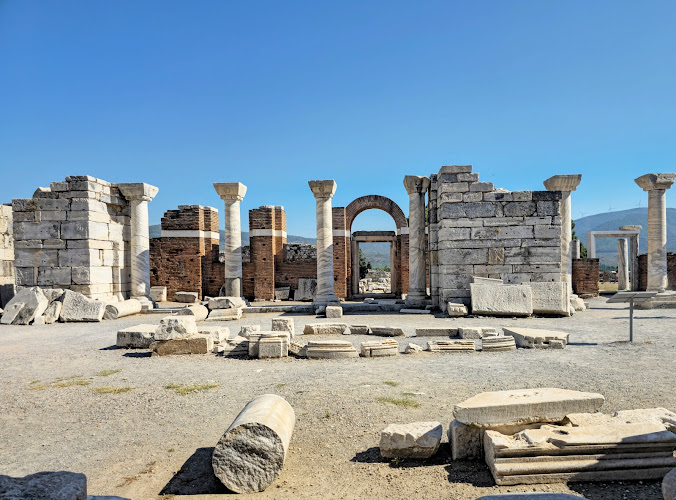
The Basilica of Saint John stands as one of those places that quietly pull you in—not because it shouts for attention, but because of the weight of history that seems to hum through its ancient stones. Built under the reign of Emperor Justinian I in the 6th century, this basilica honors St. John the Apostle, who, according to tradition, spent his final years in Ephesus. Walking through its ruins today, you can almost imagine the grandeur it once had—massive marble columns, intricate mosaics, and a commanding view of the surrounding valley that must have taken the breath away of early pilgrims.
What makes this site so special isn’t just its age or religious significance. It’s the feeling of connection—to faith, to history, and to the thousands of travelers who have stood here across the centuries. Some visitors come for spiritual reasons, others for the architecture, and a few (like me) just to stand somewhere that feels older than time itself. The basilica has seen empires rise and fall, earthquakes shake its foundations, and countless visitors wander through its arches, each leaving a trace of their curiosity behind.
Sure, not every part of it is perfectly preserved. Some areas are little more than outlines of what once was, but that’s part of the charm. There’s a certain beauty in ruins—they let your imagination do the work. You can picture the basilica in its prime, filled with candlelight and echoing chants, or simply enjoy the quiet now, with the wind whispering through the stones. It’s a place that rewards those who linger, who look closely at the carvings, who pause to take in the view of Selçuk below.
Key Features
- Historical Significance: Constructed by Emperor Justinian I in the 6th century to honor St. John the Apostle, believed to be buried here.
- Architectural Remains: Features remnants of grand domes, marble columns, and ancient frescoes that hint at its former magnificence.
- Panoramic Views: Offers sweeping vistas of Selçuk and the surrounding landscape—especially lovely at sunset.
- Spiritual Resonance: A pilgrimage site for many, offering a sense of peace and reflection amid the ruins.
- Family-Friendly: Safe open spaces for children to explore and learn about history in an engaging way.
- Onsite Services: Visitor amenities and guided tours available, providing deeper insight into the basilica’s story.
Best Time to Visit
If you ask me, the best time to visit the Basilica of Saint John is during spring or autumn. The weather in this part of Türkiye can be intense in summer—hot enough to make you question your life choices halfway up the hill. But in April or October, the air is soft, the light is golden, and the crowds are manageable. You can take your time wandering without feeling rushed or overheated. Early morning visits are particularly magical. The sun hits the stones just right, casting long shadows that make the ruins look almost alive. And if you’re into photography, this is your golden hour moment—literally.
Winter, though quieter, can be a bit unpredictable. I’ve been caught in a sudden rainstorm there once, huddled under a crumbling arch with a few other travelers, laughing at how we all thought we were smarter than the weather. Still, there was something oddly beautiful about it—the smell of wet stone, the mist curling over the hills. So, if you don’t mind a bit of adventure, even the off-season has its charm.
How to Get There
Reaching the basilica is quite straightforward. Most travelers base themselves in Selçuk, a small town that’s practically a living museum itself. From the town center, it’s just a short walk or a quick taxi ride up the hill. The path is well-signposted, and if you’re anything like me, you’ll probably stop a few times along the way to take photos or chat with local vendors selling fresh pomegranate juice or handmade souvenirs. Public buses and organized tours from nearby cities like İzmir or Kusadası also make stops here, often pairing the visit with nearby Ephesus or the Temple of Artemis.
If you’re driving, parking is available near the entrance, though spaces can fill up quickly during peak season. I always recommend arriving early—not just for the parking, but for the peace. There’s something wonderful about being one of the first to step inside as the day begins. You can almost hear the whispers of history before the chatter of tour groups fills the air.
Tips for Visiting
First and foremost—bring water. The walk up can be warm, and there’s not a ton of shade once you’re at the top. Comfortable shoes are a must; the ground is uneven, and the stones can get slippery if it’s rained recently. I made the mistake once of wearing sandals, and let’s just say it wasn’t my smartest travel decision.
Take your time exploring. Many people rush through, snapping a few photos before heading off to Ephesus, but this site deserves a slower pace. Look closely at the details—the engravings, the way the arches frame the sky, the fragments of marble that still gleam in the sunlight. If you’re into history, consider hiring a local guide. They’re full of stories that don’t make it into guidebooks, and their passion brings the place to life in a way that plaques never could.
And here’s a personal tip: bring a small notebook or journal. There’s something about this place that invites reflection. I’ve sat on the old stone steps more than once, jotting down thoughts about how fleeting everything is—empires, buildings, even our own travels. Yet somehow, the essence of places like this remains. It’s humbling and oddly comforting all at once.
Lastly, don’t forget to look beyond the basilica itself. The surrounding area is full of fascinating spots—small cafes, artisan shops, and local markets where you can chat with residents who have their own stories about growing up in the shadow of these ruins. Every corner of Selçuk feels like it’s part of the basilica’s story, and exploring it all gives you a richer sense of place.
In the end, the Basilica of Saint John isn’t just a stop on a sightseeing list—it’s a reminder of how deeply human history runs. It’s a place that invites you to slow down, breathe, and think about the countless lives that passed through before yours. And maybe, just maybe, you’ll leave a little piece of yourself there too.
You Might Also Like

*BDT BELEK DOGA TOUR | Daily Tours, Day Trips and Excursions in Antalya*
1464. Sk. No:55
2006. Sk. No:2
Tours & Activities
GetYourGuide provides this tour inventory. We may earn a commission if you book through it; verify current availability, prices, and terms with the provider.
Visitor Reviews
There are no reviews yet. Be the first one to write one.
Share Your Experience
Have you visited Basilica of Saint John? Help other travelers by leaving a review.