
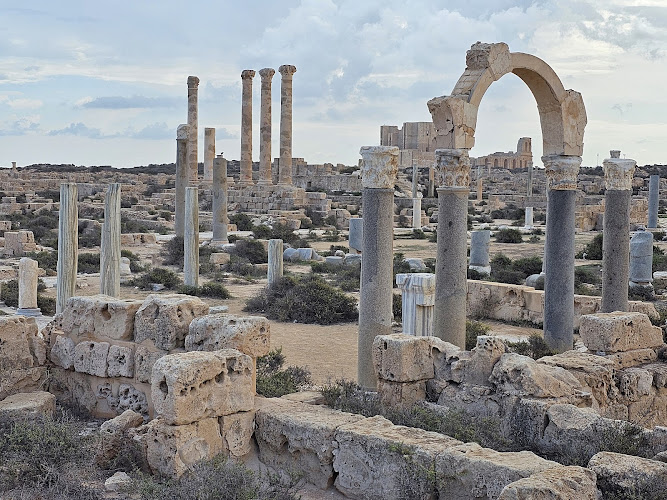
Basilica of Justinian
About Basilica of Justinian
Description
The Basilica of Justinian stands as one of Libya's most remarkable Byzantine treasures, though honestly, it doesn't get nearly the attention it deserves from the travel circuit. Located in the ancient coastal city of Sabratha, this 6th-century masterpiece represents something truly special – a perfect marriage of Roman engineering prowess and early Christian architectural innovation that'll make your jaw drop.
Built during Emperor Justinian's reign, this basilica showcases the kind of ambitious construction that defined the Byzantine golden age. And let me tell you, when you first lay eyes on those weathered stone arches and intricate mosaic fragments, you can't help but feel transported back to an era when this coastline buzzed with merchants, pilgrims, and scholars from across the Mediterranean.
What strikes most visitors immediately is the basilica's impressive scale – this wasn't some modest parish church, but rather a grand statement of imperial power and religious devotion. The structure demonstrates that fascinating blend of Roman architectural DNA with distinctly Byzantine flourishes that emerged during Justinian's transformative reign. You'll notice how the builders cleverly incorporated both longitudinal and centralizing elements, reflecting the architectural innovations of the period.
The site works wonderfully for families too, since kids seem genuinely fascinated by the ancient engineering techniques still visible throughout the ruins. There's something about being able to touch stones that were placed by craftsmen fifteen centuries ago that captures young imaginations in ways that textbooks simply cannot.
Key Features
Exploring the Basilica of Justinian reveals layer upon layer of architectural and historical significance that continues to amaze archaeologists and casual visitors alike:
- Original Byzantine Mosaics: Fragments of stunning floor mosaics showcase the artistic sophistication of 6th-century craftsmen, featuring geometric patterns and early Christian symbolism
- Innovative Structural Design: The basilica demonstrates the architectural evolution from traditional Roman basilicas to more complex Byzantine layouts
- Massive Stone Columns: Towering limestone columns that once supported the roof structure still stand, displaying remarkable preservation despite centuries of coastal weather
- Early Christian Iconography: Carved symbols and decorative elements reveal insights into early Byzantine religious practices and beliefs
- Strategic Coastal Location: Positioned to overlook the Mediterranean, highlighting the importance of maritime trade routes in the Byzantine empire
- Underground Chambers: Partially excavated basement areas suggest the complex served multiple functions beyond worship
- Integration with Roman Ruins: The basilica's relationship to surrounding Sabratha archaeological sites demonstrates urban planning across different historical periods
Best Time to Visit
Libya's climate can be pretty unforgiving, so timing your visit to the Basilica of Justinian makes all the difference between a memorable experience and an endurance test. The sweet spot really falls between November and March, when temperatures hover in that perfect range for extended outdoor exploration.
Winter months bring daytime temperatures around 18-22°C (64-72°F), which feels absolutely ideal when you're spending hours wandering through ancient ruins. Plus, the coastal location means you'll catch those lovely Mediterranean breezes that make afternoon visits particularly pleasant.
Spring visits in March and April offer another excellent window, though you'll want to avoid the later spring months when temperatures start climbing rapidly. I've found that early morning visits work best regardless of season – there's something magical about experiencing these ancient stones in the soft light of dawn, before tour groups arrive and the day heats up.
Summer visits between June and September can be brutal, with temperatures soaring above 35°C (95°F) and very little shade available at the archaeological site. But if summer's your only option, plan for very early morning exploration and bring more water than you think you'll need.
The winter rainy season occasionally affects accessibility, though Libya's coastal region doesn't see heavy precipitation. Still, checking weather conditions before making the journey saves disappointment, especially if you're traveling from distant locations.
How to Get There
Getting to the Basilica of Justinian requires a bit of planning, but the journey through Libya's archaeological landscape makes the effort worthwhile. Sabratha sits approximately 65 kilometers west of Tripoli along the coastal highway, making it accessible as either a day trip or part of a longer archaeological tour.
Most international visitors fly into Tripoli's Mitiga International Airport, then arrange ground transportation to Sabratha. The drive takes roughly an hour and fifteen minutes under normal conditions, following the coastal road that offers glimpses of the Mediterranean throughout the journey.
Private car hire remains the most flexible option, allowing you to explore at your own pace and potentially visit other archaeological sites along the route. However, given Libya's current political situation, many travelers prefer organized tours that handle logistics and provide local expertise.
Public transportation exists but can be unreliable for tourists unfamiliar with local systems. Shared taxis operate between Tripoli and Sabratha, though departure times vary and comfort levels may not meet international standards.
The final approach to the basilica involves a short walk through the broader Sabratha archaeological complex. Comfortable walking shoes are essential, as paths can be uneven and sandy in places. The site entrance provides basic facilities, though services remain limited compared to major European archaeological destinations.
Tips for Visiting
Visiting the Basilica of Justinian successfully requires preparation that goes beyond typical tourist planning. Libya's unique situation means standard travel advice doesn't always apply, so here's what actually works on the ground.
Water becomes absolutely critical – bring more than you think necessary, especially during warmer months. The coastal sun reflects off ancient stones, creating surprisingly intense conditions even in winter. A wide-brimmed hat and high-SPF sunscreen are non-negotiable, regardless of season.
Photography enthusiasts should plan for dramatic lighting conditions. The basilica's orientation creates fantastic shadows during golden hour, but midday sun can wash out details in those intricate mosaics. A polarizing filter helps manage reflections from the Mediterranean backdrop.
Respectful clothing serves practical and cultural purposes. Long pants protect against scratchy vegetation and stone fragments while showing appropriate respect for both the religious site and local customs. Sturdy, closed-toe shoes prevent injuries from uneven ancient surfaces.
Cash remains king in this region – credit card facilities are virtually non-existent at archaeological sites. Bring small denominations for entrance fees and any local guides who might offer their services.
Language preparation pays dividends. While some site personnel speak English, basic Arabic phrases show respect and often unlock additional insights from local experts. Many older residents possess fascinating oral histories about the site that don't appear in guidebooks.
Consider hiring a knowledgeable local guide familiar with the basilica's specific features. The difference between seeing ancient stones and understanding their historical significance becomes apparent when someone explains the architectural evolution and religious symbolism embedded throughout the structure.
Finally, patience and flexibility are essential virtues when visiting archaeological sites in Libya. Political situations can affect access, weather might alter plans, and facilities may operate differently than expected. But travelers who approach the Basilica of Justinian with realistic expectations and genuine curiosity invariably find the experience deeply rewarding.
Key Features
- Key Features
- Best Time to Visit
- How to Get There
- Tips for Visiting
More Details
Updated September 16, 2025
Table of Contents
Description
The Basilica of Justinian stands as one of Libya’s most remarkable Byzantine treasures, though honestly, it doesn’t get nearly the attention it deserves from the travel circuit. Located in the ancient coastal city of Sabratha, this 6th-century masterpiece represents something truly special – a perfect marriage of Roman engineering prowess and early Christian architectural innovation that’ll make your jaw drop.
Built during Emperor Justinian’s reign, this basilica showcases the kind of ambitious construction that defined the Byzantine golden age. And let me tell you, when you first lay eyes on those weathered stone arches and intricate mosaic fragments, you can’t help but feel transported back to an era when this coastline buzzed with merchants, pilgrims, and scholars from across the Mediterranean.
What strikes most visitors immediately is the basilica’s impressive scale – this wasn’t some modest parish church, but rather a grand statement of imperial power and religious devotion. The structure demonstrates that fascinating blend of Roman architectural DNA with distinctly Byzantine flourishes that emerged during Justinian’s transformative reign. You’ll notice how the builders cleverly incorporated both longitudinal and centralizing elements, reflecting the architectural innovations of the period.
The site works wonderfully for families too, since kids seem genuinely fascinated by the ancient engineering techniques still visible throughout the ruins. There’s something about being able to touch stones that were placed by craftsmen fifteen centuries ago that captures young imaginations in ways that textbooks simply cannot.
Key Features
Exploring the Basilica of Justinian reveals layer upon layer of architectural and historical significance that continues to amaze archaeologists and casual visitors alike:
- Original Byzantine Mosaics: Fragments of stunning floor mosaics showcase the artistic sophistication of 6th-century craftsmen, featuring geometric patterns and early Christian symbolism
- Innovative Structural Design: The basilica demonstrates the architectural evolution from traditional Roman basilicas to more complex Byzantine layouts
- Massive Stone Columns: Towering limestone columns that once supported the roof structure still stand, displaying remarkable preservation despite centuries of coastal weather
- Early Christian Iconography: Carved symbols and decorative elements reveal insights into early Byzantine religious practices and beliefs
- Strategic Coastal Location: Positioned to overlook the Mediterranean, highlighting the importance of maritime trade routes in the Byzantine empire
- Underground Chambers: Partially excavated basement areas suggest the complex served multiple functions beyond worship
- Integration with Roman Ruins: The basilica’s relationship to surrounding Sabratha archaeological sites demonstrates urban planning across different historical periods
Best Time to Visit
Libya’s climate can be pretty unforgiving, so timing your visit to the Basilica of Justinian makes all the difference between a memorable experience and an endurance test. The sweet spot really falls between November and March, when temperatures hover in that perfect range for extended outdoor exploration.
Winter months bring daytime temperatures around 18-22°C (64-72°F), which feels absolutely ideal when you’re spending hours wandering through ancient ruins. Plus, the coastal location means you’ll catch those lovely Mediterranean breezes that make afternoon visits particularly pleasant.
Spring visits in March and April offer another excellent window, though you’ll want to avoid the later spring months when temperatures start climbing rapidly. I’ve found that early morning visits work best regardless of season – there’s something magical about experiencing these ancient stones in the soft light of dawn, before tour groups arrive and the day heats up.
Summer visits between June and September can be brutal, with temperatures soaring above 35°C (95°F) and very little shade available at the archaeological site. But if summer’s your only option, plan for very early morning exploration and bring more water than you think you’ll need.
The winter rainy season occasionally affects accessibility, though Libya’s coastal region doesn’t see heavy precipitation. Still, checking weather conditions before making the journey saves disappointment, especially if you’re traveling from distant locations.
How to Get There
Getting to the Basilica of Justinian requires a bit of planning, but the journey through Libya’s archaeological landscape makes the effort worthwhile. Sabratha sits approximately 65 kilometers west of Tripoli along the coastal highway, making it accessible as either a day trip or part of a longer archaeological tour.
Most international visitors fly into Tripoli’s Mitiga International Airport, then arrange ground transportation to Sabratha. The drive takes roughly an hour and fifteen minutes under normal conditions, following the coastal road that offers glimpses of the Mediterranean throughout the journey.
Private car hire remains the most flexible option, allowing you to explore at your own pace and potentially visit other archaeological sites along the route. However, given Libya’s current political situation, many travelers prefer organized tours that handle logistics and provide local expertise.
Public transportation exists but can be unreliable for tourists unfamiliar with local systems. Shared taxis operate between Tripoli and Sabratha, though departure times vary and comfort levels may not meet international standards.
The final approach to the basilica involves a short walk through the broader Sabratha archaeological complex. Comfortable walking shoes are essential, as paths can be uneven and sandy in places. The site entrance provides basic facilities, though services remain limited compared to major European archaeological destinations.
Tips for Visiting
Visiting the Basilica of Justinian successfully requires preparation that goes beyond typical tourist planning. Libya’s unique situation means standard travel advice doesn’t always apply, so here’s what actually works on the ground.
Water becomes absolutely critical – bring more than you think necessary, especially during warmer months. The coastal sun reflects off ancient stones, creating surprisingly intense conditions even in winter. A wide-brimmed hat and high-SPF sunscreen are non-negotiable, regardless of season.
Photography enthusiasts should plan for dramatic lighting conditions. The basilica’s orientation creates fantastic shadows during golden hour, but midday sun can wash out details in those intricate mosaics. A polarizing filter helps manage reflections from the Mediterranean backdrop.
Respectful clothing serves practical and cultural purposes. Long pants protect against scratchy vegetation and stone fragments while showing appropriate respect for both the religious site and local customs. Sturdy, closed-toe shoes prevent injuries from uneven ancient surfaces.
Cash remains king in this region – credit card facilities are virtually non-existent at archaeological sites. Bring small denominations for entrance fees and any local guides who might offer their services.
Language preparation pays dividends. While some site personnel speak English, basic Arabic phrases show respect and often unlock additional insights from local experts. Many older residents possess fascinating oral histories about the site that don’t appear in guidebooks.
Consider hiring a knowledgeable local guide familiar with the basilica’s specific features. The difference between seeing ancient stones and understanding their historical significance becomes apparent when someone explains the architectural evolution and religious symbolism embedded throughout the structure.
Finally, patience and flexibility are essential virtues when visiting archaeological sites in Libya. Political situations can affect access, weather might alter plans, and facilities may operate differently than expected. But travelers who approach the Basilica of Justinian with realistic expectations and genuine curiosity invariably find the experience deeply rewarding.
Key Highlights
- Key Features
- Best Time to Visit
- How to Get There
- Tips for Visiting
Location
Places to Stay Near Basilica of Justinian
Find and Book a Tour
Explore More Travel Guides
No reviews found! Be the first to review!
Traveler Reviews for Basilica of Justinian
There are no reviews yet. Be the first one to write one.
Have you visited Basilica of Justinian? Help other travelers by sharing your review.
You Might Also Like

Sabratha Ancient Theatre
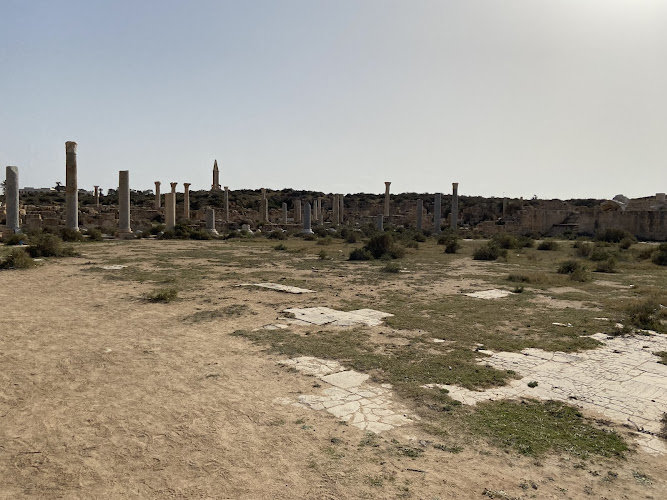
Ancient Latrines
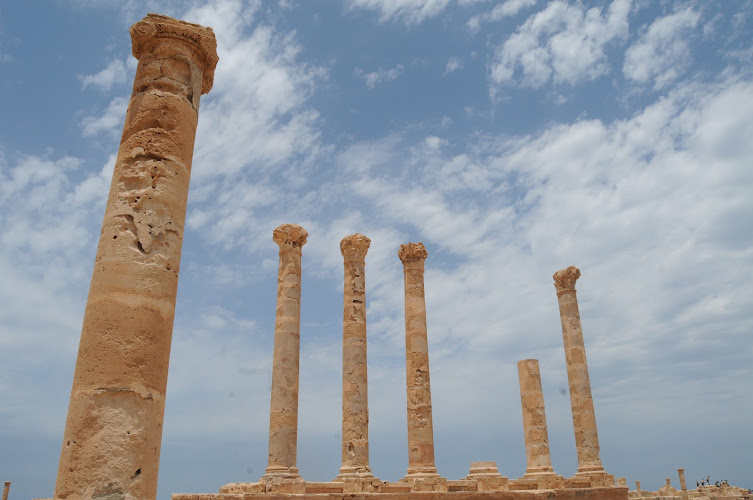
Isis Temple
Find Accommodations Nearby
Recommended Tours & Activities
Visitor Reviews
There are no reviews yet. Be the first one to write one.
Share Your Experience
Have you visited Basilica of Justinian? Help other travelers by leaving a review.