
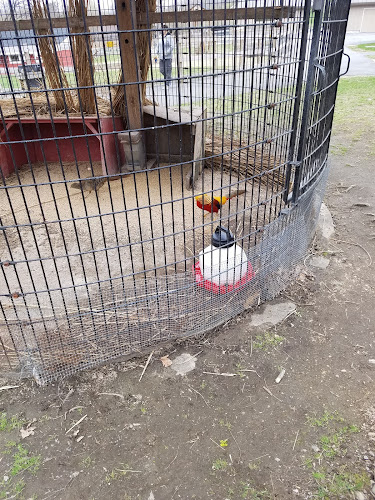
Barnyard Zoo
About Barnyard Zoo
Description
The Barnyard Zoo offers travelers a refreshing alternative to massive commercial animal parks. This attraction combines the charm of a traditional farm setting with the interactive experience of a petting zoo, creating an environment where visitors can actually connect with animals rather than just observing them from behind barriers. And honestly, in today's world of digital everything, there's something genuinely therapeutic about getting your hands a little dirty while feeding a goat or watching chickens peck around. What sets this place apart is its authenticity. You won't find exotic animals flown in from distant continents here - instead, the focus is on domestic farm animals that have been part of agricultural life for generations. The facility manages to strike that difficult balance between educational value and pure entertainment, making it a destination that works equally well for families with young children, couples looking for a low-key afternoon activity, or even solo travelers wanting a peaceful break from typical tourist crowds. The grounds include both the animal areas and a playground, which means kids can burn off energy in multiple ways throughout their visit. I remember visiting similar places as a kid, and those memories of actually touching animals - feeling the coarse hair of a pig or the surprising softness of a rabbit - stuck with me way longer than any fancy exhibit behind glass ever did.Key Features
The Barnyard Zoo delivers several standout features that make it worth including in your travel itinerary:- Hands-On Petting Zoo Experience: This isn't one of those look-but-don't-touch situations. Visitors can interact directly with friendly farm animals, creating memorable experiences especially for children who might not have regular exposure to livestock.
- Full Accessibility: The facility provides wheelchair accessible entrances and dedicated accessible parking, ensuring that all visitors can enjoy the attraction regardless of mobility challenges.
- Integrated Playground: Beyond the animal encounters, there's a proper playground area where children can climb, swing, and play, giving parents options when the kids need a break from animal activities.
- Genuine Farm Atmosphere: The setting maintains an authentic barnyard feel rather than an overly sanitized theme park vibe, which adds to the educational value and overall charm.
- Family-Friendly Design: Everything from the layout to the animal selection has been thoughtfully planned with young visitors in mind, though adults will find plenty to appreciate too.
- Educational Opportunities: Kids (and let's be honest, adults too) can learn about animal care, farming practices, and where food actually comes from - valuable lessons in our increasingly urbanized world.
- Reasonable Scale: The manageable size means you won't exhaust yourself walking miles between exhibits, yet there's still enough to fill a satisfying visit.
Best Time to Visit
Timing your visit to the Barnyard Zoo can make a significant difference in your experience. Spring months from April through early June offer some of the most rewarding visits. This is when you'll often encounter baby animals - kids love seeing newborn goats, chicks, and other young farm animals. The weather during spring is typically mild, making it comfortable to spend time outdoors without the intensity of summer heat. Fall, particularly September and October, provides another excellent window. The temperatures cool down from summer highs, and the animals tend to be more active in the comfortable weather. Plus, the autumn setting adds a picturesque quality to your visit that summer sometimes lacks. Summer can work, but I'd suggest arriving early - like right when they open. Farm animals aren't particularly fond of intense midday heat, and they'll often seek shade and become less interactive as temperatures climb. Early morning visits also mean smaller crowds and more personalized animal encounters. If summer is your only option, weekday mornings beat weekend afternoons by a mile. Winter visits are possible depending on your location's climate, but many barnyard attractions operate on reduced schedules or close certain outdoor areas during colder months. Check ahead before planning a winter trip. Weekdays consistently provide a calmer experience than weekends. If you're traveling with flexibility in your schedule, visiting on a Tuesday or Wednesday means more space, shorter waits (if there are any scheduled activities), and animals that aren't overwhelmed by constant attention. Weather matters more here than at indoor attractions. Light cloud cover can actually be ideal - enough sun to keep things cheerful but not so much that you're squinting and sweating. Avoid visiting right after heavy rain when outdoor areas might be muddy and less pleasant, though a little dirt never hurt anyone at a barnyard.How to Get There
Most visitors will find driving to be the most practical transportation option for reaching the Barnyard Zoo. The facility provides on-site parking including designated accessible spaces, which eliminates the hassle of finding street parking or walking long distances from your vehicle. If you're staying in nearby accommodations, check whether the attraction is within reasonable driving distance - many barnyard-style zoos are located in more rural or suburban settings rather than right in city centers. GPS navigation works reliably for finding the location, though as with many countryside attractions, don't be surprised if the final mile or so takes you down roads that feel more residential or agricultural than commercial. For travelers relying on rideshare services like Uber or Lyft, the facility is certainly accessible this way, but consider that you'll need to arrange a pickup when you're ready to leave. The rural nature of some barnyard attractions means drivers might not be constantly circulating nearby. Plan ahead and maybe schedule your return ride in advance rather than hoping for immediate availability. Public transportation options vary significantly depending on the specific location. Some areas might have bus routes that stop within walking distance, while others won't have practical public transit access at all. Research this before your trip if you're not renting a car. The wheelchair accessible entrance and parking lot make arrival straightforward for visitors with mobility devices. From what travelers report, the accessible features are genuinely functional rather than just technically compliant, which unfortunately isn't always the case at smaller attractions. If you're combining this visit with other area attractions, factor in that barnyard zoos typically require 2-4 hours depending on how thoroughly you want to explore and how much time your kids want to spend in the playground area. Build your itinerary with some flexibility - you might arrive planning a quick stop and find yourself staying longer because the kids are having too much fun to leave.Tips for Visiting
Come prepared to get a little messy. This is a barnyard, not a museum. Wear clothes and shoes you don't mind getting dirty - closed-toe shoes are practically mandatory both for comfort and safety around animals. I've seen people show up in sandals and then struggle through the whole visit, which just seems like a missed opportunity for fun. Bring hand sanitizer and maybe some wet wipes, though most petting zoo facilities provide handwashing stations. You'll be touching animals, and while that's the whole point, you'll want to clean up before eating snacks or lunch. Speaking of food, check the facility's policy on outside food and beverages. Many smaller attractions allow you to bring your own picnic, which can save money and accommodate picky eaters or dietary restrictions. But some have on-site concessions and prefer you use those. Timing your visit around feeding schedules, if they're posted, can enhance the experience dramatically. Animals are way more interested in interacting when food is involved, and many facilities offer opportunities for visitors to participate in feeding times. Don't rush. One of the biggest mistakes I see travelers make is treating these places like checkboxes on an itinerary. The magic happens when you slow down, spend time observing animal behaviors, and let kids explore at their own pace. That might mean sitting and watching chickens for 20 minutes - and that's perfectly fine. Bring a camera but also remember to put it down sometimes. Getting the perfect Instagram shot is great, but actually being present in the moment with your travel companions matters more. Though I'll admit the photo opportunities with baby goats are pretty irresistible. Consider the playground as part of the experience, not a distraction from it. Some parents view it as just something to keep kids busy, but combining animal interaction with traditional play creates a more well-rounded visit that keeps everyone engaged. Ask questions if staff are available. People who work at these facilities usually have fascinating knowledge about the animals and genuine passion for what they do. You'll learn things you'd never discover just walking around on your own. Check accessibility details beyond just parking and entrances if you're traveling with someone who has specific needs. While the facility offers wheelchair accessible features, you might want to call ahead with questions about specific pathways or areas if you have concerns. Finally, manage expectations appropriately, especially with young children. Animals are living creatures with their own moods and preferences. Sometimes they're playful and interactive; other times they're tired or not interested in attention. That's part of what makes the experience authentic and educational. Teaching kids to respect animal boundaries is actually a valuable lesson in itself. Budget a little extra time beyond what you think you'll need. The combination of animals, playground, and the generally relaxed atmosphere means visits often extend longer than planned - and that's usually a sign you're having a good time rather than a problem to solve.Key Features
- Hands-on petting area with goats, sheep and small barn animals
- Pony rides and tractor/hayride experiences
- Seasonal events and family-friendly festivals
- Picnic areas and a farm-themed gift shop
- Small, intimate setting ideal for young children and school groups
More Details
Updated March 30, 2026
Table of Contents
Description
The Barnyard Zoo offers travelers a refreshing alternative to massive commercial animal parks. This attraction combines the charm of a traditional farm setting with the interactive experience of a petting zoo, creating an environment where visitors can actually connect with animals rather than just observing them from behind barriers. And honestly, in today’s world of digital everything, there’s something genuinely therapeutic about getting your hands a little dirty while feeding a goat or watching chickens peck around.
What sets this place apart is its authenticity. You won’t find exotic animals flown in from distant continents here – instead, the focus is on domestic farm animals that have been part of agricultural life for generations. The facility manages to strike that difficult balance between educational value and pure entertainment, making it a destination that works equally well for families with young children, couples looking for a low-key afternoon activity, or even solo travelers wanting a peaceful break from typical tourist crowds.
The grounds include both the animal areas and a playground, which means kids can burn off energy in multiple ways throughout their visit. I remember visiting similar places as a kid, and those memories of actually touching animals – feeling the coarse hair of a pig or the surprising softness of a rabbit – stuck with me way longer than any fancy exhibit behind glass ever did.
Key Features
The Barnyard Zoo delivers several standout features that make it worth including in your travel itinerary:
- Hands-On Petting Zoo Experience: This isn’t one of those look-but-don’t-touch situations. Visitors can interact directly with friendly farm animals, creating memorable experiences especially for children who might not have regular exposure to livestock.
- Full Accessibility: The facility provides wheelchair accessible entrances and dedicated accessible parking, ensuring that all visitors can enjoy the attraction regardless of mobility challenges.
- Integrated Playground: Beyond the animal encounters, there’s a proper playground area where children can climb, swing, and play, giving parents options when the kids need a break from animal activities.
- Genuine Farm Atmosphere: The setting maintains an authentic barnyard feel rather than an overly sanitized theme park vibe, which adds to the educational value and overall charm.
- Family-Friendly Design: Everything from the layout to the animal selection has been thoughtfully planned with young visitors in mind, though adults will find plenty to appreciate too.
- Educational Opportunities: Kids (and let’s be honest, adults too) can learn about animal care, farming practices, and where food actually comes from – valuable lessons in our increasingly urbanized world.
- Reasonable Scale: The manageable size means you won’t exhaust yourself walking miles between exhibits, yet there’s still enough to fill a satisfying visit.
Best Time to Visit
Timing your visit to the Barnyard Zoo can make a significant difference in your experience. Spring months from April through early June offer some of the most rewarding visits. This is when you’ll often encounter baby animals – kids love seeing newborn goats, chicks, and other young farm animals. The weather during spring is typically mild, making it comfortable to spend time outdoors without the intensity of summer heat.
Fall, particularly September and October, provides another excellent window. The temperatures cool down from summer highs, and the animals tend to be more active in the comfortable weather. Plus, the autumn setting adds a picturesque quality to your visit that summer sometimes lacks.
Summer can work, but I’d suggest arriving early – like right when they open. Farm animals aren’t particularly fond of intense midday heat, and they’ll often seek shade and become less interactive as temperatures climb. Early morning visits also mean smaller crowds and more personalized animal encounters. If summer is your only option, weekday mornings beat weekend afternoons by a mile.
Winter visits are possible depending on your location’s climate, but many barnyard attractions operate on reduced schedules or close certain outdoor areas during colder months. Check ahead before planning a winter trip.
Weekdays consistently provide a calmer experience than weekends. If you’re traveling with flexibility in your schedule, visiting on a Tuesday or Wednesday means more space, shorter waits (if there are any scheduled activities), and animals that aren’t overwhelmed by constant attention.
Weather matters more here than at indoor attractions. Light cloud cover can actually be ideal – enough sun to keep things cheerful but not so much that you’re squinting and sweating. Avoid visiting right after heavy rain when outdoor areas might be muddy and less pleasant, though a little dirt never hurt anyone at a barnyard.
How to Get There
Most visitors will find driving to be the most practical transportation option for reaching the Barnyard Zoo. The facility provides on-site parking including designated accessible spaces, which eliminates the hassle of finding street parking or walking long distances from your vehicle.
If you’re staying in nearby accommodations, check whether the attraction is within reasonable driving distance – many barnyard-style zoos are located in more rural or suburban settings rather than right in city centers. GPS navigation works reliably for finding the location, though as with many countryside attractions, don’t be surprised if the final mile or so takes you down roads that feel more residential or agricultural than commercial.
For travelers relying on rideshare services like Uber or Lyft, the facility is certainly accessible this way, but consider that you’ll need to arrange a pickup when you’re ready to leave. The rural nature of some barnyard attractions means drivers might not be constantly circulating nearby. Plan ahead and maybe schedule your return ride in advance rather than hoping for immediate availability.
Public transportation options vary significantly depending on the specific location. Some areas might have bus routes that stop within walking distance, while others won’t have practical public transit access at all. Research this before your trip if you’re not renting a car.
The wheelchair accessible entrance and parking lot make arrival straightforward for visitors with mobility devices. From what travelers report, the accessible features are genuinely functional rather than just technically compliant, which unfortunately isn’t always the case at smaller attractions.
If you’re combining this visit with other area attractions, factor in that barnyard zoos typically require 2-4 hours depending on how thoroughly you want to explore and how much time your kids want to spend in the playground area. Build your itinerary with some flexibility – you might arrive planning a quick stop and find yourself staying longer because the kids are having too much fun to leave.
Tips for Visiting
Come prepared to get a little messy. This is a barnyard, not a museum. Wear clothes and shoes you don’t mind getting dirty – closed-toe shoes are practically mandatory both for comfort and safety around animals. I’ve seen people show up in sandals and then struggle through the whole visit, which just seems like a missed opportunity for fun.
Bring hand sanitizer and maybe some wet wipes, though most petting zoo facilities provide handwashing stations. You’ll be touching animals, and while that’s the whole point, you’ll want to clean up before eating snacks or lunch.
Speaking of food, check the facility’s policy on outside food and beverages. Many smaller attractions allow you to bring your own picnic, which can save money and accommodate picky eaters or dietary restrictions. But some have on-site concessions and prefer you use those.
Timing your visit around feeding schedules, if they’re posted, can enhance the experience dramatically. Animals are way more interested in interacting when food is involved, and many facilities offer opportunities for visitors to participate in feeding times.
Don’t rush. One of the biggest mistakes I see travelers make is treating these places like checkboxes on an itinerary. The magic happens when you slow down, spend time observing animal behaviors, and let kids explore at their own pace. That might mean sitting and watching chickens for 20 minutes – and that’s perfectly fine.
Bring a camera but also remember to put it down sometimes. Getting the perfect Instagram shot is great, but actually being present in the moment with your travel companions matters more. Though I’ll admit the photo opportunities with baby goats are pretty irresistible.
Consider the playground as part of the experience, not a distraction from it. Some parents view it as just something to keep kids busy, but combining animal interaction with traditional play creates a more well-rounded visit that keeps everyone engaged.
Ask questions if staff are available. People who work at these facilities usually have fascinating knowledge about the animals and genuine passion for what they do. You’ll learn things you’d never discover just walking around on your own.
Check accessibility details beyond just parking and entrances if you’re traveling with someone who has specific needs. While the facility offers wheelchair accessible features, you might want to call ahead with questions about specific pathways or areas if you have concerns.
Finally, manage expectations appropriately, especially with young children. Animals are living creatures with their own moods and preferences. Sometimes they’re playful and interactive; other times they’re tired or not interested in attention. That’s part of what makes the experience authentic and educational. Teaching kids to respect animal boundaries is actually a valuable lesson in itself.
Budget a little extra time beyond what you think you’ll need. The combination of animals, playground, and the generally relaxed atmosphere means visits often extend longer than planned – and that’s usually a sign you’re having a good time rather than a problem to solve.
Key Highlights
- Hands-on petting area with goats, sheep and small barn animals
- Pony rides and tractor/hayride experiences
- Seasonal events and family-friendly festivals
- Picnic areas and a farm-themed gift shop
- Small, intimate setting ideal for young children and school groups
Location
Places to Stay Near Barnyard Zoo
Find and Book a Tour
Explore More Travel Guides
No reviews found! Be the first to review!
Barnyard Zoo is a prominent attractions located in Worcester.
Visit us at: 127 Green Hill Pkwy.
Traveler Reviews for Barnyard Zoo
There are no reviews yet. Be the first one to write one.
Have you visited Barnyard Zoo? Help other travelers by sharing your review.
Nearby Attractions
You Might Also Like
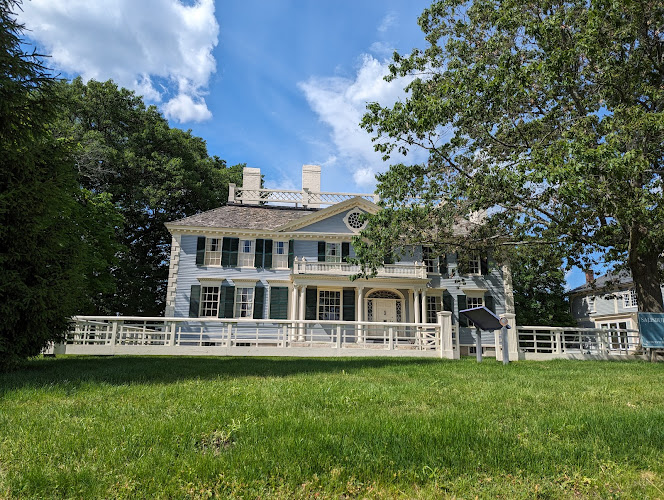
Salisbury Mansion

Oxford-Crown Historic District

Museum of Worcester
Find Accommodations Nearby
Recommended Tours & Activities
Visitor Reviews
There are no reviews yet. Be the first one to write one.
Share Your Experience
Have you visited Barnyard Zoo? Help other travelers by leaving a review.