
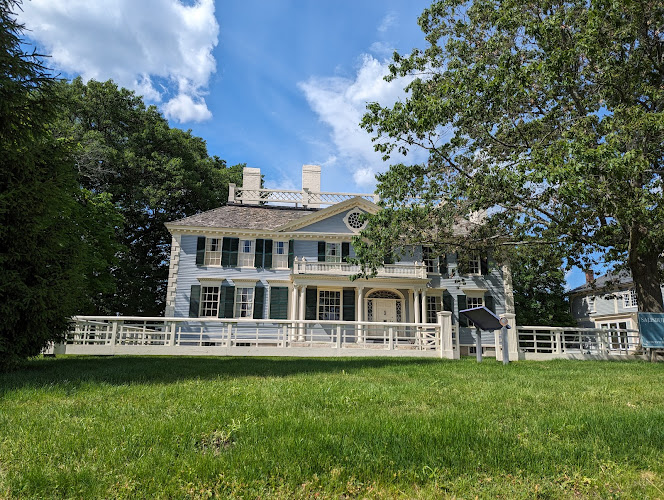
Salisbury Mansion
About Salisbury Mansion
Description
The Salisbury Mansion stands as one of those rare historical gems that actually lets you step back in time—and I mean really step back. Built in 1772, this isn't just another old building with a plaque out front. It's a meticulously restored Federal-period mansion that shows visitors what life looked like in the 1830s, complete with the original store that once operated on the property. When you walk through those doors, you're entering a world that existed nearly two centuries ago. The mansion belonged to Stephen Salisbury II, a prominent Worcester businessman and one of the city's most influential citizens during the early American republic. And here's what makes this place special—the restoration work is absolutely remarkable. We're not talking about a few period pieces scattered around modern infrastructure. The entire building has been carefully brought back to reflect the 1830s era, from the wallpaper patterns to the furniture arrangements. I've visited my fair share of historic homes, and what struck me about the Salisbury Mansion was how it manages to feel both grand and intimate at the same time. You get a real sense of how wealthy New Englanders lived during this period, but you also pick up on the smaller details—like where the servants worked, how food was prepared, and what people did for entertainment before electricity changed everything. The mansion operates as a history museum now, which means visitors can explore the various rooms and learn about both the Salisbury family and broader American history during a pivotal time in the nation's development. It's one of those places where history teachers probably wish they could bring their students more often because it makes textbook descriptions come alive.Key Features
The Salisbury Mansion offers visitors several distinctive elements that set it apart from other historical attractions:- Authentic 1830s restoration that reflects the mansion's appearance during Stephen Salisbury II's residence, with careful attention to period-accurate furnishings and decorative elements
- Federal-style architecture that showcases the design preferences of wealthy New England families in the late 18th and early 19th centuries
- Original store building on the property, providing insight into how commercial activity integrated with residential life during this era
- Guided tours led by knowledgeable docents who share stories about the Salisbury family and daily life in Worcester during the 1830s
- Educational programs that explore various aspects of American history, including social customs, economic development, and domestic life in early 19th-century New England
- Well-preserved architectural details including original woodwork, fireplaces, and structural elements that survived nearly 250 years
- Collections of period furniture, household items, and personal belongings that illustrate how families of means lived during this transformative period in American history
- Seasonal exhibits and special programs that dive deeper into specific historical topics related to the mansion and its inhabitants
- Garden areas that reflect period landscaping practices, offering a complete picture of how the entire property functioned
Best Time to Visit
Here's the thing about visiting historical mansions—timing matters more than you might think. The Salisbury Mansion operates on a somewhat limited schedule compared to larger museums, so you'll want to plan ahead. Spring and fall are probably your best bets for visiting. The weather in Massachusetts during these seasons is generally pleasant, making the walk around the property enjoyable. Plus, the mansion looks particularly beautiful when framed by spring blossoms or autumn foliage. I remember visiting a similar historic home in October once, and the way the fall colors complemented the period architecture created this almost magical atmosphere. Summer can work well too, especially if you're traveling with family during school vacation. The mansion sometimes offers special programming during summer months that caters to younger visitors. But be aware that older buildings like this weren't designed with air conditioning in mind, so tours during July and August can get a bit warm. Winter visits have their own charm, honestly. There's something about seeing a historic home during the colder months that helps you appreciate what life was really like before central heating. The mansion occasionally hosts holiday programming that shows how families celebrated during the 1830s, which provides fascinating contrast to our modern traditions. Weekday visits tend to be quieter than weekends, which can enhance your experience if you prefer smaller tour groups. Saturday afternoons attract more visitors, particularly families and tourists exploring Worcester's historical sites. But don't let that discourage you—the mansion doesn't typically get so crowded that the experience suffers. One practical note: the mansion operates on specific days and hours, often with scheduled tour times rather than continuous open hours. You'll definitely want to check their current schedule before making the trip. Nothing's worse than showing up to find the doors locked because you assumed they'd be open.How to Get There
Getting to the Salisbury Mansion is fairly straightforward, though like many historical sites located in older city neighborhoods, parking requires a bit of attention. If you're driving from out of town, Worcester is accessible via Interstate 290 and Route 9. The mansion sits in a residential area of Worcester that's seen significant historical preservation efforts. GPS navigation will get you to the general vicinity without trouble, though you might want to familiarize yourself with the surrounding streets beforehand since some of the roads in this part of the city follow older layouts that can feel a bit maze-like to first-time visitors. Street parking is typically available in the surrounding neighborhood. This isn't downtown Boston or anything—you can usually find a spot within a reasonable walking distance. Just pay attention to any posted parking restrictions, which are generally pretty clearly marked. The area is safe for walking during daylight hours, and the neighborhood itself has quite a bit of historical character worth noticing as you make your way to the mansion. For those using public transportation, Worcester's bus system serves the area. The WRTA operates several routes that stop within walking distance of the mansion. It's actually a decent option if you're staying downtown and don't want to deal with parking at all. If you're making a day trip from Boston, it's roughly an hour's drive west on the Massachusetts Turnpike. From Providence, you're looking at about 45 minutes heading north. Worcester's location makes it accessible for day trips from much of New England, which is probably why the mansion attracts visitors from throughout the region. One thing I always tell people about visiting historical sites in older New England cities—give yourself a buffer. Traffic patterns can be unpredictable, and you don't want to miss your scheduled tour time because you underestimated how long it would take to navigate unfamiliar streets.Tips for Visiting
Let me share some practical advice that'll help you make the most of your visit to the Salisbury Mansion. First off, call ahead or check their current operating schedule. Historic house museums like this often rely on volunteers and sometimes have to adjust hours unexpectedly. Tours usually run at specific times rather than continuously, so knowing the schedule prevents wasted trips. Wear comfortable shoes. This probably sounds obvious, but historic homes mean old floors, stairs without modern safety features, and sometimes uneven surfaces. Those beautiful period heels might look perfect for photos, but your feet will thank you for choosing comfort instead. Photography policies vary, so ask before you start snapping pictures. Many historic sites restrict flash photography to protect period furnishings and textiles from light damage. But they often allow non-flash photos, which is great for capturing memories and sharing your experience. Plan to spend about an hour to ninety minutes for a complete visit. The guided tours are informative without being exhaustingly long, and you'll probably want some time to look at exhibits and maybe explore the grounds a bit. If you're someone who reads every placard and asks lots of questions—and I definitely fall into that category—budget a little extra time. Bring the kids, but prepare them first. Historic house museums can be fascinating for children if they have some context beforehand. Maybe talk about what life was like in the 1830s during the car ride there. The mansion does offer educational programming, but younger children sometimes struggle with the "look but don't touch" nature of these places. Don't hesitate to ask questions during your tour. The docents genuinely enjoy sharing their knowledge, and often the most interesting stories come out when visitors express curiosity about specific details. I once learned the most fascinating information about historic cooking practices simply because I asked about a kitchen implement I didn't recognize. Consider combining your visit with other Worcester attractions. The city has a surprising amount to offer, and you can easily make a full day of exploring. The Worcester Art Museum isn't far, and there are some decent restaurants in the area if you're looking for lunch before or after your mansion tour. Dress in layers. Old buildings can have temperature variations between rooms, and heating systems—when they exist—work differently than modern climate control. You might find one room pleasantly cool and another unexpectedly warm. If you're visiting during special events or holiday programming, expect larger crowds but also enhanced experiences. These special occasions often feature period demonstrations, historical reenactors, or themed exhibits that add extra dimension to the standard tour. Finally, take time to appreciate the craftsmanship. We live in an era of mass production, so seeing hand-carved woodwork and period construction techniques provides valuable perspective on how much skill went into creating homes like this. The attention to detail in the restoration work is equally impressive—look for those small touches that bring authenticity to the experience. The Salisbury Mansion rewards visitors who approach it with curiosity and appreciation for history. It's not the biggest museum you'll ever visit or the most famous historical site, but it offers something increasingly rare—an authentic window into how people actually lived during America's early years as a nation.Key Features
- 1772 house-and-store architecture showcasing Georgian and early Federal details
- Period-furnished rooms and historic decorative arts
- Interpretive guided tours with well-documented Salisbury family history
- Original architectural elements and storehouse context
- Central location near Worcester cultural and historic sites
More Details
Updated March 30, 2026
Table of Contents
Description
The Salisbury Mansion stands as one of those rare historical gems that actually lets you step back in time—and I mean really step back. Built in 1772, this isn’t just another old building with a plaque out front. It’s a meticulously restored Federal-period mansion that shows visitors what life looked like in the 1830s, complete with the original store that once operated on the property.
When you walk through those doors, you’re entering a world that existed nearly two centuries ago. The mansion belonged to Stephen Salisbury II, a prominent Worcester businessman and one of the city’s most influential citizens during the early American republic. And here’s what makes this place special—the restoration work is absolutely remarkable. We’re not talking about a few period pieces scattered around modern infrastructure. The entire building has been carefully brought back to reflect the 1830s era, from the wallpaper patterns to the furniture arrangements.
I’ve visited my fair share of historic homes, and what struck me about the Salisbury Mansion was how it manages to feel both grand and intimate at the same time. You get a real sense of how wealthy New Englanders lived during this period, but you also pick up on the smaller details—like where the servants worked, how food was prepared, and what people did for entertainment before electricity changed everything.
The mansion operates as a history museum now, which means visitors can explore the various rooms and learn about both the Salisbury family and broader American history during a pivotal time in the nation’s development. It’s one of those places where history teachers probably wish they could bring their students more often because it makes textbook descriptions come alive.
Key Features
The Salisbury Mansion offers visitors several distinctive elements that set it apart from other historical attractions:
- Authentic 1830s restoration that reflects the mansion’s appearance during Stephen Salisbury II’s residence, with careful attention to period-accurate furnishings and decorative elements
- Federal-style architecture that showcases the design preferences of wealthy New England families in the late 18th and early 19th centuries
- Original store building on the property, providing insight into how commercial activity integrated with residential life during this era
- Guided tours led by knowledgeable docents who share stories about the Salisbury family and daily life in Worcester during the 1830s
- Educational programs that explore various aspects of American history, including social customs, economic development, and domestic life in early 19th-century New England
- Well-preserved architectural details including original woodwork, fireplaces, and structural elements that survived nearly 250 years
- Collections of period furniture, household items, and personal belongings that illustrate how families of means lived during this transformative period in American history
- Seasonal exhibits and special programs that dive deeper into specific historical topics related to the mansion and its inhabitants
- Garden areas that reflect period landscaping practices, offering a complete picture of how the entire property functioned
Best Time to Visit
Here’s the thing about visiting historical mansions—timing matters more than you might think. The Salisbury Mansion operates on a somewhat limited schedule compared to larger museums, so you’ll want to plan ahead.
Spring and fall are probably your best bets for visiting. The weather in Massachusetts during these seasons is generally pleasant, making the walk around the property enjoyable. Plus, the mansion looks particularly beautiful when framed by spring blossoms or autumn foliage. I remember visiting a similar historic home in October once, and the way the fall colors complemented the period architecture created this almost magical atmosphere.
Summer can work well too, especially if you’re traveling with family during school vacation. The mansion sometimes offers special programming during summer months that caters to younger visitors. But be aware that older buildings like this weren’t designed with air conditioning in mind, so tours during July and August can get a bit warm.
Winter visits have their own charm, honestly. There’s something about seeing a historic home during the colder months that helps you appreciate what life was really like before central heating. The mansion occasionally hosts holiday programming that shows how families celebrated during the 1830s, which provides fascinating contrast to our modern traditions.
Weekday visits tend to be quieter than weekends, which can enhance your experience if you prefer smaller tour groups. Saturday afternoons attract more visitors, particularly families and tourists exploring Worcester’s historical sites. But don’t let that discourage you—the mansion doesn’t typically get so crowded that the experience suffers.
One practical note: the mansion operates on specific days and hours, often with scheduled tour times rather than continuous open hours. You’ll definitely want to check their current schedule before making the trip. Nothing’s worse than showing up to find the doors locked because you assumed they’d be open.
How to Get There
Getting to the Salisbury Mansion is fairly straightforward, though like many historical sites located in older city neighborhoods, parking requires a bit of attention.
If you’re driving from out of town, Worcester is accessible via Interstate 290 and Route 9. The mansion sits in a residential area of Worcester that’s seen significant historical preservation efforts. GPS navigation will get you to the general vicinity without trouble, though you might want to familiarize yourself with the surrounding streets beforehand since some of the roads in this part of the city follow older layouts that can feel a bit maze-like to first-time visitors.
Street parking is typically available in the surrounding neighborhood. This isn’t downtown Boston or anything—you can usually find a spot within a reasonable walking distance. Just pay attention to any posted parking restrictions, which are generally pretty clearly marked. The area is safe for walking during daylight hours, and the neighborhood itself has quite a bit of historical character worth noticing as you make your way to the mansion.
For those using public transportation, Worcester’s bus system serves the area. The WRTA operates several routes that stop within walking distance of the mansion. It’s actually a decent option if you’re staying downtown and don’t want to deal with parking at all.
If you’re making a day trip from Boston, it’s roughly an hour’s drive west on the Massachusetts Turnpike. From Providence, you’re looking at about 45 minutes heading north. Worcester’s location makes it accessible for day trips from much of New England, which is probably why the mansion attracts visitors from throughout the region.
One thing I always tell people about visiting historical sites in older New England cities—give yourself a buffer. Traffic patterns can be unpredictable, and you don’t want to miss your scheduled tour time because you underestimated how long it would take to navigate unfamiliar streets.
Tips for Visiting
Let me share some practical advice that’ll help you make the most of your visit to the Salisbury Mansion.
First off, call ahead or check their current operating schedule. Historic house museums like this often rely on volunteers and sometimes have to adjust hours unexpectedly. Tours usually run at specific times rather than continuously, so knowing the schedule prevents wasted trips.
Wear comfortable shoes. This probably sounds obvious, but historic homes mean old floors, stairs without modern safety features, and sometimes uneven surfaces. Those beautiful period heels might look perfect for photos, but your feet will thank you for choosing comfort instead.
Photography policies vary, so ask before you start snapping pictures. Many historic sites restrict flash photography to protect period furnishings and textiles from light damage. But they often allow non-flash photos, which is great for capturing memories and sharing your experience.
Plan to spend about an hour to ninety minutes for a complete visit. The guided tours are informative without being exhaustingly long, and you’ll probably want some time to look at exhibits and maybe explore the grounds a bit. If you’re someone who reads every placard and asks lots of questions—and I definitely fall into that category—budget a little extra time.
Bring the kids, but prepare them first. Historic house museums can be fascinating for children if they have some context beforehand. Maybe talk about what life was like in the 1830s during the car ride there. The mansion does offer educational programming, but younger children sometimes struggle with the “look but don’t touch” nature of these places.
Don’t hesitate to ask questions during your tour. The docents genuinely enjoy sharing their knowledge, and often the most interesting stories come out when visitors express curiosity about specific details. I once learned the most fascinating information about historic cooking practices simply because I asked about a kitchen implement I didn’t recognize.
Consider combining your visit with other Worcester attractions. The city has a surprising amount to offer, and you can easily make a full day of exploring. The Worcester Art Museum isn’t far, and there are some decent restaurants in the area if you’re looking for lunch before or after your mansion tour.
Dress in layers. Old buildings can have temperature variations between rooms, and heating systems—when they exist—work differently than modern climate control. You might find one room pleasantly cool and another unexpectedly warm.
If you’re visiting during special events or holiday programming, expect larger crowds but also enhanced experiences. These special occasions often feature period demonstrations, historical reenactors, or themed exhibits that add extra dimension to the standard tour.
Finally, take time to appreciate the craftsmanship. We live in an era of mass production, so seeing hand-carved woodwork and period construction techniques provides valuable perspective on how much skill went into creating homes like this. The attention to detail in the restoration work is equally impressive—look for those small touches that bring authenticity to the experience.
The Salisbury Mansion rewards visitors who approach it with curiosity and appreciation for history. It’s not the biggest museum you’ll ever visit or the most famous historical site, but it offers something increasingly rare—an authentic window into how people actually lived during America’s early years as a nation.
Key Highlights
- 1772 house-and-store architecture showcasing Georgian and early Federal details
- Period-furnished rooms and historic decorative arts
- Interpretive guided tours with well-documented Salisbury family history
- Original architectural elements and storehouse context
- Central location near Worcester cultural and historic sites
Location
Places to Stay Near Salisbury Mansion
Find and Book a Tour
Explore More Travel Guides
No reviews found! Be the first to review!
Salisbury Mansion is a prominent attractions located in Worcester.
Visit us at: 40 Highland St, Worcester, MA 01609, United States.
Traveler Reviews for Salisbury Mansion
There are no reviews yet. Be the first one to write one.
Have you visited Salisbury Mansion? Help other travelers by sharing your review.
Nearby Attractions
You Might Also Like

Quinsigamond State Park- Regatta Point

Barnyard Zoo
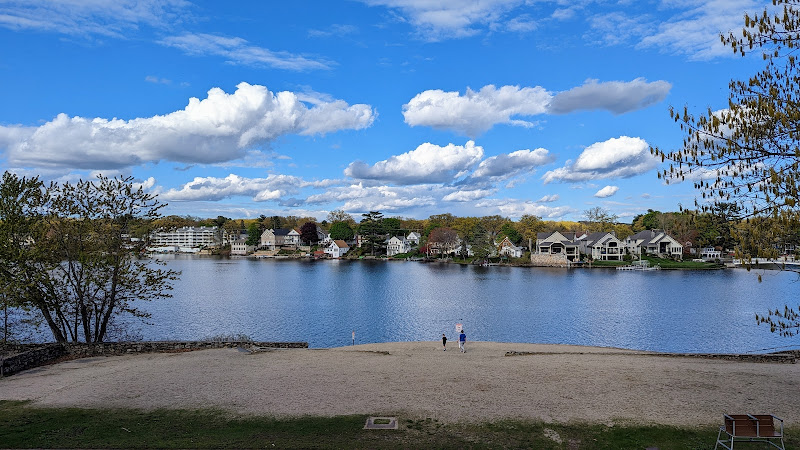
Quinsigamond State Park - Lake Park
Find Accommodations Nearby
Recommended Tours & Activities
Visitor Reviews
There are no reviews yet. Be the first one to write one.
Share Your Experience
Have you visited Salisbury Mansion? Help other travelers by leaving a review.