

Oxford-Crown Historic District
About Oxford-Crown Historic District
Description
The Oxford-Crown Historic District represents one of those places that quietly holds centuries of American history within its tree-lined streets and preserved architecture. Walking through this district feels a bit like stepping into a living museum, except you're not stuck behind velvet ropes or listening to monotone audio guides - you're actually experiencing the same streets and buildings that generations before walked and inhabited. I've always found something deeply satisfying about historic districts that haven't been overly commercialized, and Oxford-Crown manages to strike that delicate balance. The district showcases architectural styles spanning multiple eras, giving visitors a genuine sense of how American residential and community design evolved over time. You'll find Federal-style homes sitting comfortably beside Victorian mansions, with the occasional Colonial Revival structure thrown in for good measure. It's this architectural diversity that makes wandering the district so rewarding - every corner reveals something different. What makes Oxford-Crown particularly special is its authenticity. This isn't a recreated historical village or a theme park version of history. Real people live in these historic homes, maintain these properties, and go about their daily lives. That creates a unique atmosphere where history isn't just preserved but actually continues. The district has managed to maintain its historical integrity while remaining a functioning neighborhood, which honestly isn't easy to pull off in today's development-crazy world. The preservation efforts here deserve recognition too. Many of the structures date back to the 18th and 19th centuries, and the level of care taken to maintain their original character is impressive. You'll notice details in the woodwork, original window panes, historical color schemes, and period-appropriate landscaping that transport you to another era. But it's not stuffy or pretentious about it - the district just is what it is, unapologetically historical.Key Features
The Oxford-Crown Historic District offers travelers several distinctive features worth noting:- Architectural Time Capsule: The district preserves multiple architectural styles from different periods of American history, creating an outdoor classroom for anyone interested in design evolution. You can literally watch American architectural tastes change as you walk from one block to the next.
- Self-Guided Exploration: Unlike many historical attractions, Oxford-Crown works beautifully for independent exploration. You don't need to book tours or stick to rigid schedules - just show up and start walking. Bring comfortable shoes because you'll want to cover some ground.
- Photography Paradise: For anyone who loves capturing historical architecture, this district provides endless opportunities. The play of light on old brick, the intricate details of Victorian trim work, the stately proportions of Federal-style homes - it's all here waiting for your camera.
- Quiet Contemplation: This isn't a bustling tourist trap with crowds and noise. The district maintains a peaceful, residential atmosphere that allows for genuine reflection and appreciation of historical preservation.
- Authentic Residential Character: The fact that people actually live here adds a layer of authenticity you won't find in reconstructed historical sites. These aren't museum pieces - they're homes that have been continuously occupied and loved for generations.
- Accessible History: You don't need to be an architecture expert or history buff to appreciate Oxford-Crown. The visual impact of well-preserved historical buildings speaks for itself, making history accessible to casual visitors and serious scholars alike.
- Seasonal Beauty: The mature trees and period-appropriate landscaping mean the district looks different throughout the year, offering return visitors new experiences depending on when they come.
Best Time to Visit
Timing your visit to Oxford-Crown Historic District can really enhance the experience, though honestly, it's worth seeing in any season. Each time of year brings its own character to these historical streets. Fall might be the sweet spot for many travelers. The mature trees that line the streets put on quite a show during autumn, with leaves turning brilliant shades that complement the historical architecture beautifully. The temperatures are comfortable for walking - not too hot, not too cold - and that crisp fall air somehow makes everything feel more atmospheric. Plus, the softer autumn light does wonderful things for photography. I've found that historical buildings just look better when they're framed by fall foliage, though that might be my personal bias showing. Spring comes in as a close second. When the district's gardens start blooming and the trees leaf out, you get a sense of renewal that connects nicely with the preservation theme. The historical homes surrounded by spring flowers create some genuinely lovely scenes. Weather-wise, spring offers mild temperatures perfect for extended walks, though you might encounter some rainy days - pack accordingly. Summer visits work well if you can handle the heat. The advantage here is longer daylight hours, meaning you can spend more time exploring without worrying about losing light. The full tree canopy provides some shade along the streets too. Just bring water and maybe plan your visit for earlier morning or later afternoon to avoid the midday sun. Winter has its own appeal, particularly if you enjoy seeing historical architecture without the decorative elements of leaves and flowers. The bare bones of the buildings become more visible, and architectural details stand out more clearly. If you're lucky enough to visit after a snowfall, the district transforms into something from a Currier and Ives print. But it's cold, obviously, and some might find the leafless trees less charming. Weekday mornings tend to be quietest regardless of season, if you prefer a more solitary experience. Weekends see more foot traffic from locals and other visitors, but it rarely feels crowded - this isn't exactly Times Square we're talking about.How to Get There
Getting to Oxford-Crown Historic District requires a bit of planning since it's a historic residential area rather than a conventional tourist destination with massive parking lots and visitor centers. For those driving, you'll want to use GPS navigation and search for the general Oxford-Crown Historic District area. Street parking is typically available along the public roads within and around the district, but remember this is a residential neighborhood. Park respectfully, obey all posted signs, and don't block driveways. Some visitors make the mistake of treating the area like a drive-through attraction - don't be that person. Park once and explore on foot to really appreciate the district. Public transportation options vary depending on where you're coming from. If local bus or transit lines serve the area, they can be convenient alternatives to driving and eliminate parking concerns entirely. Check current route maps and schedules before your visit though, as service to residential historic districts isn't always frequent. For travelers coming from out of town, the nearest major airport or train station becomes your starting point. From there, you might rent a car or use ride-sharing services to reach the district. Taxis and ride-shares can drop you off directly in the district, which works well if you're planning a relatively short visit. Cycling is actually a fantastic way to experience Oxford-Crown if you have access to a bike. The relatively quiet streets and slower pace make it bicycle-friendly, and you can cover more ground than walking while still moving slow enough to appreciate the architecture. Just be mindful of traffic and residents. The district's layout makes it very walkable once you arrive, which is the whole point really. You're not going to fully experience the place from inside a car. Plan to spend at least a couple hours on foot to get a proper sense of the area.Tips for Visiting
Making the most of your Oxford-Crown Historic District visit involves some practical considerations and a respectful approach to exploring someone else's neighborhood. First and foremost, remember that people live here. These aren't museum exhibits - they're private homes. Admire the architecture from public streets and sidewalks, but don't wander onto private property, peer into windows, or treat residents like they're part of the attraction. I know that seems obvious, but you'd be surprised how many visitors forget basic courtesy when they get excited about historical buildings. Bring a good camera or make sure your phone is charged if you're into photography. The architectural details, the way light hits old brick and wood, the overall streetscapes - it all deserves to be captured. Early morning and late afternoon provide the best natural lighting conditions for photographs, with that golden hour glow making everything look even better. Wear comfortable walking shoes - this cannot be emphasized enough. You'll want to explore multiple streets, double back to see things from different angles, and generally spend time on your feet. Those cute but impractical shoes will leave you miserable and cut your visit short. Consider bringing a notebook or using your phone to jot down observations if you're interested in architecture or history. Without formal signage everywhere, you might want to record your own thoughts and details you notice. It makes for a nice personal record of your visit too. Check the weather forecast and dress in layers. Historic districts don't have indoor spaces to duck into if conditions change, so you're at the mercy of the elements. A light rain jacket or extra sweater can make the difference between a comfortable visit and a miserable one. Don't expect typical tourist amenities like restrooms, gift shops, or information kiosks scattered throughout. This is a residential neighborhood, not a commercial tourist site. Plan accordingly and maybe identify nearby cafes or facilities before you arrive. Take your time. The beauty of Oxford-Crown reveals itself to patient observers willing to slow down and really look. Rush through, and you'll miss the small details that make historic architecture special - the handcrafted elements, the subtle design choices, the evidence of different eras layered on top of each other. If you're visiting during peak foliage or spring bloom seasons, arrive early to beat other visitors and get better parking. The district's beauty doesn't go unnoticed by locals who know what they have in their backyard. Respect noise levels. Loud conversations, music, or general commotion disrupts residents and ruins the contemplative atmosphere that makes historic district visits special. You're there to step back in time, not announce your presence to everyone within three blocks. Finally, don't limit yourself to just the "main" streets if there are any. Some of the most interesting historical buildings sit on quieter side streets where fewer visitors wander. The whole district deserves exploration, not just the highlights someone else decided were most important.Key Features
- Concentration of Greek Revival, Mid-19th Century Revival, and Renaissance architecture
- Tree-lined, walkable streets ideal for self-guided tours and photography
- Well-preserved residential and civic buildings reflecting Worcester’s 19th-century growth
- Compact district boundaries for an efficient historical stroll
- Part of the National Register of Historic Places (listed 1976), offering interpretive value
More Details
Updated March 30, 2026
Table of Contents
Description
The Oxford-Crown Historic District represents one of those places that quietly holds centuries of American history within its tree-lined streets and preserved architecture. Walking through this district feels a bit like stepping into a living museum, except you’re not stuck behind velvet ropes or listening to monotone audio guides – you’re actually experiencing the same streets and buildings that generations before walked and inhabited.
I’ve always found something deeply satisfying about historic districts that haven’t been overly commercialized, and Oxford-Crown manages to strike that delicate balance. The district showcases architectural styles spanning multiple eras, giving visitors a genuine sense of how American residential and community design evolved over time. You’ll find Federal-style homes sitting comfortably beside Victorian mansions, with the occasional Colonial Revival structure thrown in for good measure. It’s this architectural diversity that makes wandering the district so rewarding – every corner reveals something different.
What makes Oxford-Crown particularly special is its authenticity. This isn’t a recreated historical village or a theme park version of history. Real people live in these historic homes, maintain these properties, and go about their daily lives. That creates a unique atmosphere where history isn’t just preserved but actually continues. The district has managed to maintain its historical integrity while remaining a functioning neighborhood, which honestly isn’t easy to pull off in today’s development-crazy world.
The preservation efforts here deserve recognition too. Many of the structures date back to the 18th and 19th centuries, and the level of care taken to maintain their original character is impressive. You’ll notice details in the woodwork, original window panes, historical color schemes, and period-appropriate landscaping that transport you to another era. But it’s not stuffy or pretentious about it – the district just is what it is, unapologetically historical.
Key Features
The Oxford-Crown Historic District offers travelers several distinctive features worth noting:
- Architectural Time Capsule: The district preserves multiple architectural styles from different periods of American history, creating an outdoor classroom for anyone interested in design evolution. You can literally watch American architectural tastes change as you walk from one block to the next.
- Self-Guided Exploration: Unlike many historical attractions, Oxford-Crown works beautifully for independent exploration. You don’t need to book tours or stick to rigid schedules – just show up and start walking. Bring comfortable shoes because you’ll want to cover some ground.
- Photography Paradise: For anyone who loves capturing historical architecture, this district provides endless opportunities. The play of light on old brick, the intricate details of Victorian trim work, the stately proportions of Federal-style homes – it’s all here waiting for your camera.
- Quiet Contemplation: This isn’t a bustling tourist trap with crowds and noise. The district maintains a peaceful, residential atmosphere that allows for genuine reflection and appreciation of historical preservation.
- Authentic Residential Character: The fact that people actually live here adds a layer of authenticity you won’t find in reconstructed historical sites. These aren’t museum pieces – they’re homes that have been continuously occupied and loved for generations.
- Accessible History: You don’t need to be an architecture expert or history buff to appreciate Oxford-Crown. The visual impact of well-preserved historical buildings speaks for itself, making history accessible to casual visitors and serious scholars alike.
- Seasonal Beauty: The mature trees and period-appropriate landscaping mean the district looks different throughout the year, offering return visitors new experiences depending on when they come.
Best Time to Visit
Timing your visit to Oxford-Crown Historic District can really enhance the experience, though honestly, it’s worth seeing in any season. Each time of year brings its own character to these historical streets.
Fall might be the sweet spot for many travelers. The mature trees that line the streets put on quite a show during autumn, with leaves turning brilliant shades that complement the historical architecture beautifully. The temperatures are comfortable for walking – not too hot, not too cold – and that crisp fall air somehow makes everything feel more atmospheric. Plus, the softer autumn light does wonderful things for photography. I’ve found that historical buildings just look better when they’re framed by fall foliage, though that might be my personal bias showing.
Spring comes in as a close second. When the district’s gardens start blooming and the trees leaf out, you get a sense of renewal that connects nicely with the preservation theme. The historical homes surrounded by spring flowers create some genuinely lovely scenes. Weather-wise, spring offers mild temperatures perfect for extended walks, though you might encounter some rainy days – pack accordingly.
Summer visits work well if you can handle the heat. The advantage here is longer daylight hours, meaning you can spend more time exploring without worrying about losing light. The full tree canopy provides some shade along the streets too. Just bring water and maybe plan your visit for earlier morning or later afternoon to avoid the midday sun.
Winter has its own appeal, particularly if you enjoy seeing historical architecture without the decorative elements of leaves and flowers. The bare bones of the buildings become more visible, and architectural details stand out more clearly. If you’re lucky enough to visit after a snowfall, the district transforms into something from a Currier and Ives print. But it’s cold, obviously, and some might find the leafless trees less charming.
Weekday mornings tend to be quietest regardless of season, if you prefer a more solitary experience. Weekends see more foot traffic from locals and other visitors, but it rarely feels crowded – this isn’t exactly Times Square we’re talking about.
How to Get There
Getting to Oxford-Crown Historic District requires a bit of planning since it’s a historic residential area rather than a conventional tourist destination with massive parking lots and visitor centers.
For those driving, you’ll want to use GPS navigation and search for the general Oxford-Crown Historic District area. Street parking is typically available along the public roads within and around the district, but remember this is a residential neighborhood. Park respectfully, obey all posted signs, and don’t block driveways. Some visitors make the mistake of treating the area like a drive-through attraction – don’t be that person. Park once and explore on foot to really appreciate the district.
Public transportation options vary depending on where you’re coming from. If local bus or transit lines serve the area, they can be convenient alternatives to driving and eliminate parking concerns entirely. Check current route maps and schedules before your visit though, as service to residential historic districts isn’t always frequent.
For travelers coming from out of town, the nearest major airport or train station becomes your starting point. From there, you might rent a car or use ride-sharing services to reach the district. Taxis and ride-shares can drop you off directly in the district, which works well if you’re planning a relatively short visit.
Cycling is actually a fantastic way to experience Oxford-Crown if you have access to a bike. The relatively quiet streets and slower pace make it bicycle-friendly, and you can cover more ground than walking while still moving slow enough to appreciate the architecture. Just be mindful of traffic and residents.
The district’s layout makes it very walkable once you arrive, which is the whole point really. You’re not going to fully experience the place from inside a car. Plan to spend at least a couple hours on foot to get a proper sense of the area.
Tips for Visiting
Making the most of your Oxford-Crown Historic District visit involves some practical considerations and a respectful approach to exploring someone else’s neighborhood.
First and foremost, remember that people live here. These aren’t museum exhibits – they’re private homes. Admire the architecture from public streets and sidewalks, but don’t wander onto private property, peer into windows, or treat residents like they’re part of the attraction. I know that seems obvious, but you’d be surprised how many visitors forget basic courtesy when they get excited about historical buildings.
Bring a good camera or make sure your phone is charged if you’re into photography. The architectural details, the way light hits old brick and wood, the overall streetscapes – it all deserves to be captured. Early morning and late afternoon provide the best natural lighting conditions for photographs, with that golden hour glow making everything look even better.
Wear comfortable walking shoes – this cannot be emphasized enough. You’ll want to explore multiple streets, double back to see things from different angles, and generally spend time on your feet. Those cute but impractical shoes will leave you miserable and cut your visit short.
Consider bringing a notebook or using your phone to jot down observations if you’re interested in architecture or history. Without formal signage everywhere, you might want to record your own thoughts and details you notice. It makes for a nice personal record of your visit too.
Check the weather forecast and dress in layers. Historic districts don’t have indoor spaces to duck into if conditions change, so you’re at the mercy of the elements. A light rain jacket or extra sweater can make the difference between a comfortable visit and a miserable one.
Don’t expect typical tourist amenities like restrooms, gift shops, or information kiosks scattered throughout. This is a residential neighborhood, not a commercial tourist site. Plan accordingly and maybe identify nearby cafes or facilities before you arrive.
Take your time. The beauty of Oxford-Crown reveals itself to patient observers willing to slow down and really look. Rush through, and you’ll miss the small details that make historic architecture special – the handcrafted elements, the subtle design choices, the evidence of different eras layered on top of each other.
If you’re visiting during peak foliage or spring bloom seasons, arrive early to beat other visitors and get better parking. The district’s beauty doesn’t go unnoticed by locals who know what they have in their backyard.
Respect noise levels. Loud conversations, music, or general commotion disrupts residents and ruins the contemplative atmosphere that makes historic district visits special. You’re there to step back in time, not announce your presence to everyone within three blocks.
Finally, don’t limit yourself to just the “main” streets if there are any. Some of the most interesting historical buildings sit on quieter side streets where fewer visitors wander. The whole district deserves exploration, not just the highlights someone else decided were most important.
Key Highlights
- Concentration of Greek Revival, Mid-19th Century Revival, and Renaissance architecture
- Tree-lined, walkable streets ideal for self-guided tours and photography
- Well-preserved residential and civic buildings reflecting Worcester’s 19th-century growth
- Compact district boundaries for an efficient historical stroll
- Part of the National Register of Historic Places (listed 1976), offering interpretive value
Location
Places to Stay Near Oxford-Crown Historic District
Find and Book a Tour
Explore More Travel Guides
No reviews found! Be the first to review!
Oxford-Crown Historic District is a prominent attractions located in Worcester.
Visit us at: 미국 01609 Massachusetts, Worcester.
Traveler Reviews for Oxford-Crown Historic District
There are no reviews yet. Be the first one to write one.
Have you visited Oxford-Crown Historic District? Help other travelers by sharing your review.
Nearby Attractions
You Might Also Like
50 Officer Manny Familia Wy
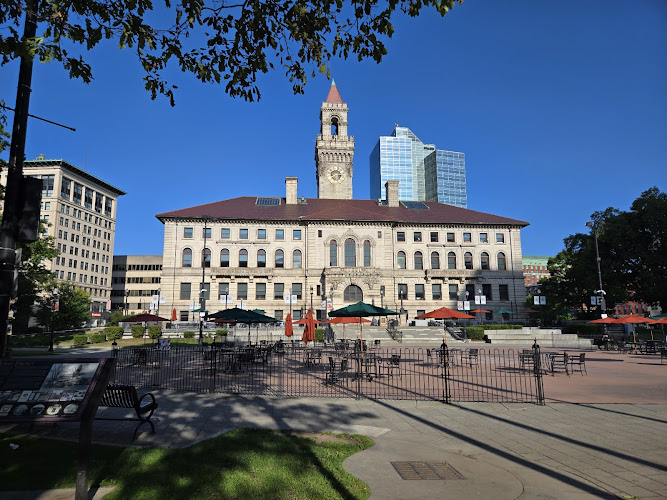
Worcester Common

Massachusetts Vietnam Veterans Memorial
Find Accommodations Nearby
Recommended Tours & Activities
Visitor Reviews
There are no reviews yet. Be the first one to write one.
Share Your Experience
Have you visited Oxford-Crown Historic District? Help other travelers by leaving a review.