

Barko – Barko House
About Barko – Barko House
Description
The Barko-Barko House stands as one of those delightful historical treasures that really makes you appreciate the rich heritage of Filipino architecture. I honestly couldn't help but feel transported back in time when I first walked through its intricately carved wooden doors. This ancestral house, with its impressive blend of Spanish colonial and native Filipino design elements, totally captures what wealthy Filipino families lived like during the Spanish colonial period.
Ya know what's really cool? The house still has most of its original furnishings and decorative elements. We're talking hand-carved furniture, vintage photographs, and even some century-old kitchen utensils. The wooden floors still creak just like they probably did back in the day - it's those little authentic touches that make this place special.
I especially love the capiz shell windows that filter the sunlight in such a magical way. And don't even get me started on the grand staircase - it's a masterpiece of woodworking that'll make your jaw drop. The house is basically a living museum that gives you a real peek into how the elite lived during colonial times.
Key Features
• Original Spanish colonial architecture with distinct Filipino elements • Authentic period furniture and decorative items from the colonial era • Stunning capiz shell windows throughout the structure • Masterfully carved wooden staircase • Traditional Filipino kitchen with original cooking implements • Spacious zaguan (entrance hall) with original tile work • Multiple bedrooms showcasing period-appropriate furnishings • Well-preserved architectural details including wooden floors and ceiling beams • Historic family photographs and memorabilia • Beautiful interior courtyard typical of Spanish colonial homesBest Time to Visit
From my experience, early mornings between 9-11 AM offer the best lighting for appreciating the house's architectural details and taking photos. The sunlight streaming through those gorgeous capiz windows creates an almost ethereal atmosphere during these hours. I'd recommend avoiding weekday afternoons when local school groups sometimes schedule tours.
December through February tends to be ideal weather-wise, with cooler temperatures making it more comfortable to explore the non-air-conditioned spaces. Plus, the house often features special holiday decorations during this period that add an extra layer of charm to the already beautiful interior.
How to Get There
Getting to the Barko-Barko House isn't too complicated, but you'll wanna plan ahead a bit. If you're coming from the city center, grab a taxi or book a Grab car - that's what I usually do. The drivers typically know the place, but it's smart to have the address ready on your phone just in case.
For the more adventurous types (like I used to be), you can take a jeepney or local bus, but you'll need to walk a few minutes from the main road. Just keep an eye out for the heritage district signs - they'll point you in the right direction. And trust me, the slight hassle of getting there is totally worth it once you see this architectural gem.
Tips for Visiting
Listen up, 'cause I've learned a thing or two from my visits here! First off, bring your camera - you're gonna want it. But heads up: there's sometimes a small fee for professional photography, so check ahead if you're planning anything fancy.
Wear comfortable shoes that slip off easily - you'll need to remove them before entering certain areas to protect the original wooden floors. I made that mistake once wearing complicated lace-ups... never again! And speaking of comfort, the house isn't air-conditioned, so dress appropriately and maybe bring a fan.
Try to join one of the guided tours if you can - the guides know some fascinating stories about the house and family that you won't find in any guidebook. I still remember this amazing tale about a hidden room that our guide shared during my first visit!
Oh, and here's a pro tip: the gift shop actually has some pretty unique local handicrafts that make great souvenirs. Way better than the typical tourist stuff you'll find elsewhere. Just remember to bring cash - they don't always accept cards.
Plan to spend at least 1-2 hours here to really soak it all in. And if you're into photography like me, you might want even longer to capture all those incredible architectural details. The light hits different areas of the house beautifully throughout the day.
One last thing - if you're bringing kids (which is totally cool, btw), just keep an eye on them around the antique furniture. The staff are super nice about it, but ya know, better safe than sorry with those priceless pieces!
Key Features
- Key Features
- Best Time to Visit
- How to Get There
- Tips for Visiting
More Details
Updated June 14, 2025
Table of Contents
Description
The Barko-Barko House stands as one of those delightful historical treasures that really makes you appreciate the rich heritage of Filipino architecture. I honestly couldn’t help but feel transported back in time when I first walked through its intricately carved wooden doors. This ancestral house, with its impressive blend of Spanish colonial and native Filipino design elements, totally captures what wealthy Filipino families lived like during the Spanish colonial period.
Ya know what’s really cool? The house still has most of its original furnishings and decorative elements. We’re talking hand-carved furniture, vintage photographs, and even some century-old kitchen utensils. The wooden floors still creak just like they probably did back in the day – it’s those little authentic touches that make this place special.
I especially love the capiz shell windows that filter the sunlight in such a magical way. And don’t even get me started on the grand staircase – it’s a masterpiece of woodworking that’ll make your jaw drop. The house is basically a living museum that gives you a real peek into how the elite lived during colonial times.
Key Features
• Original Spanish colonial architecture with distinct Filipino elements
• Authentic period furniture and decorative items from the colonial era
• Stunning capiz shell windows throughout the structure
• Masterfully carved wooden staircase
• Traditional Filipino kitchen with original cooking implements
• Spacious zaguan (entrance hall) with original tile work
• Multiple bedrooms showcasing period-appropriate furnishings
• Well-preserved architectural details including wooden floors and ceiling beams
• Historic family photographs and memorabilia
• Beautiful interior courtyard typical of Spanish colonial homes
Best Time to Visit
From my experience, early mornings between 9-11 AM offer the best lighting for appreciating the house’s architectural details and taking photos. The sunlight streaming through those gorgeous capiz windows creates an almost ethereal atmosphere during these hours. I’d recommend avoiding weekday afternoons when local school groups sometimes schedule tours.
December through February tends to be ideal weather-wise, with cooler temperatures making it more comfortable to explore the non-air-conditioned spaces. Plus, the house often features special holiday decorations during this period that add an extra layer of charm to the already beautiful interior.
How to Get There
Getting to the Barko-Barko House isn’t too complicated, but you’ll wanna plan ahead a bit. If you’re coming from the city center, grab a taxi or book a Grab car – that’s what I usually do. The drivers typically know the place, but it’s smart to have the address ready on your phone just in case.
For the more adventurous types (like I used to be), you can take a jeepney or local bus, but you’ll need to walk a few minutes from the main road. Just keep an eye out for the heritage district signs – they’ll point you in the right direction. And trust me, the slight hassle of getting there is totally worth it once you see this architectural gem.
Tips for Visiting
Listen up, ’cause I’ve learned a thing or two from my visits here! First off, bring your camera – you’re gonna want it. But heads up: there’s sometimes a small fee for professional photography, so check ahead if you’re planning anything fancy.
Wear comfortable shoes that slip off easily – you’ll need to remove them before entering certain areas to protect the original wooden floors. I made that mistake once wearing complicated lace-ups… never again! And speaking of comfort, the house isn’t air-conditioned, so dress appropriately and maybe bring a fan.
Try to join one of the guided tours if you can – the guides know some fascinating stories about the house and family that you won’t find in any guidebook. I still remember this amazing tale about a hidden room that our guide shared during my first visit!
Oh, and here’s a pro tip: the gift shop actually has some pretty unique local handicrafts that make great souvenirs. Way better than the typical tourist stuff you’ll find elsewhere. Just remember to bring cash – they don’t always accept cards.
Plan to spend at least 1-2 hours here to really soak it all in. And if you’re into photography like me, you might want even longer to capture all those incredible architectural details. The light hits different areas of the house beautifully throughout the day.
One last thing – if you’re bringing kids (which is totally cool, btw), just keep an eye on them around the antique furniture. The staff are super nice about it, but ya know, better safe than sorry with those priceless pieces!
Key Highlights
- Key Features
- Best Time to Visit
- How to Get There
- Tips for Visiting
Location
Places to Stay Near Barko - Barko House
Find and Book a Tour
Explore More Travel Guides
No reviews found! Be the first to review!
Traveler Reviews for Barko – Barko House
There are no reviews yet. Be the first one to write one.
Have you visited Barko – Barko House? Help other travelers by sharing your review.
You Might Also Like
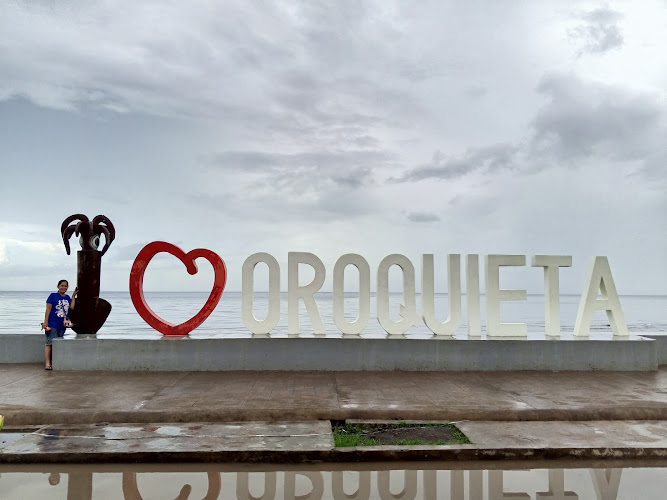
I Love Oroquieta
Prayer Valley Campground
Tar
Find Accommodations Nearby
Recommended Tours & Activities
Visitor Reviews
There are no reviews yet. Be the first one to write one.
Share Your Experience
Have you visited Barko – Barko House? Help other travelers by leaving a review.