
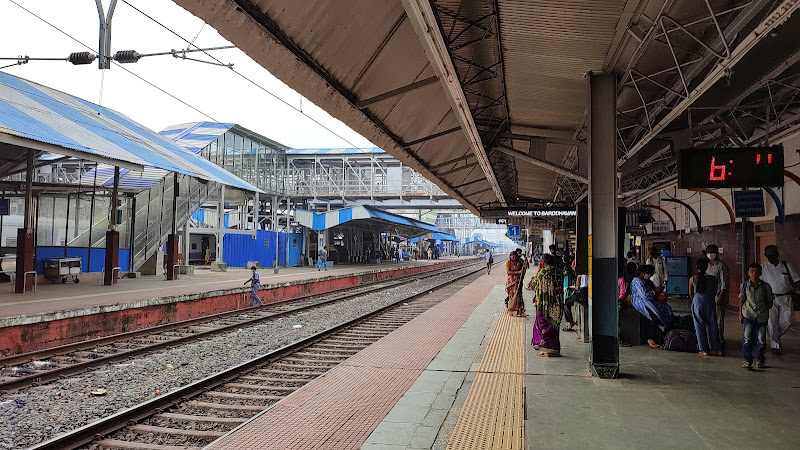
Barddhaman Junction Platforms
About Barddhaman Junction Platforms
Description
Barddhaman Junction Platforms hold a certain charm that only a traveler who’s spent a few hours waiting under its old iron roof can truly understand. It’s not just another stop on the Howrah–Delhi main line — it’s a slice of Bengal’s railway history that still hums with life, day and night. The platforms are wide and bustling, lined with vendors selling everything from steaming cups of chai to crispy samosas that somehow taste better when you’re on the move. There’s a rhythm to this place — trains come and go, announcements echo, and people rush past with that familiar mix of hurry and calm that only Indian railway stations seem to master.
What makes Barddhaman Junction stand out is how it balances functionality with a touch of nostalgia. The station is well-maintained for the most part, though like many busy junctions, it has its rough edges — a bit of crowding during peak hours, occasional delays, and the usual humdrum of railway life. But that’s part of its character. You’ll see families heading home for festivals, students on their way to Kolkata, and long-distance travelers just passing through. Somehow, everyone finds their rhythm here. Personally, I’ve always found a strange comfort in that organized chaos — it feels alive, almost like a living museum of travel stories.
The platforms themselves are spacious, with clear signage, and the staff are generally helpful if you ask politely. The station has modern touches too — digital boards, security checks, and accessibility features that genuinely make a difference. It’s wheelchair-friendly, and there’s a sense of effort in keeping things smooth for passengers with different needs. Of course, it’s not perfect, but it’s improving — and that’s something worth appreciating. If you’re someone who enjoys people-watching or soaking in local life, Barddhaman Junction is a surprisingly immersive experience.
Key Features
- Multiple platforms connecting major routes across eastern India, including frequent trains to Kolkata, Durgapur, and Asansol.
- Wheelchair-accessible entrances and parking areas, making it easier for differently-abled travelers to move around comfortably.
- Both free parking lots and a paid parking garage for those arriving by car or taxi.
- Onsite services like ticket counters, waiting rooms, and food stalls serving local snacks and beverages.
- Clean drinking water points and restrooms that are maintained fairly well compared to many other junctions of similar size.
- Digital display boards and public announcement systems that help travelers stay updated on train timings and platform changes.
- Security presence and CCTV surveillance across key areas to ensure passenger safety, especially during night hours.
- Shaded seating areas and covered walkways that make waiting more comfortable during monsoons or hot summer days.
One thing I personally like about Barddhaman Junction is how it still manages to feel local despite being such a major transit point. You can strike up a conversation with a chai vendor who’s been there for decades or watch school kids giggling as they wait for their train home — it’s small moments like these that make the journey memorable.
Best Time to Visit
If you’re planning to pass through or explore Barddhaman Junction, the best time to do so is between October and February. The weather is cooler, the air feels fresher, and you won’t be sweating through your shirt while waiting for your train. During the festive months, especially around Durga Puja, the station buzzes with a unique energy — families traveling with gifts, laughter in the air, and that unmistakable sense of anticipation. It’s crowded, yes, but there’s something heartwarming about it too.
On the flip side, summer can be quite harsh, with temperatures soaring and humidity making everything feel heavier. If you must travel then, carry a bottle of water, wear light clothes, and maybe grab a kulfi from one of the nearby stalls — trust me, it helps. Monsoon months bring their own challenges, mostly in the form of slippery platforms and occasional power cuts, but they also give the surroundings a washed-clean look that’s oddly beautiful. So, really, every season has its flavor here — it just depends on what kind of traveler you are.
How to Get There
Reaching Barddhaman Junction is quite straightforward since it’s one of the most important railway hubs in eastern India. It lies on the Howrah–Delhi main line, which means trains from almost every major city in the region pass through here. From Kolkata, it’s roughly a two-hour ride by train, and you’ll find plenty of options throughout the day — from express services to local EMUs. If you’re coming from Durgapur or Asansol, it’s even quicker, making it a convenient midpoint for many travelers.
For those who prefer road travel, the junction is easily accessible via the Grand Trunk Road and other regional highways. Buses and private taxis operate frequently, and the approach roads are fairly well-maintained. Once you arrive near the station, you’ll find auto-rickshaws and cycle rickshaws ready to take you right up to the entrance. I’ve taken that route a few times myself, and honestly, there’s something charming about weaving through the local streets — the smell of fresh sweets from nearby shops, the honk of rickshaws, and the sight of trains gliding in the distance. It’s all part of the experience.
Tips for Visiting
Traveling through Barddhaman Junction can be smooth if you plan a little ahead. Here are some tips that might make your journey easier (and maybe even a bit more enjoyable):
- Arrive early – The station can get crowded, especially during weekends and holidays. Arriving 30–45 minutes before your train gives you time to find your platform without stress.
- Keep your essentials handy – A small backpack with your ticket, ID, water bottle, and some snacks goes a long way. The food stalls are great, but it’s always good to have a backup.
- Use the foot overbridges – Crossing tracks might look tempting when you’re in a hurry, but it’s not worth the risk. The bridges are safe and well-lit.
- Mind your belongings – Like any busy station, keep an eye on your bags. There are cloakroom facilities if you need to store luggage for a few hours.
- Try the local snacks – Seriously, the tea and puffed rice mixtures sold here are underrated. They taste best when you’re waiting for a late-night train.
- Ask for help if needed – The staff and even fellow travelers are usually friendly. A simple “Excuse me, which platform for the Howrah train?” will almost always get you an answer.
- Plan for restroom breaks – Facilities are available but can get busy. Carry tissues or sanitizer just in case.
- Stay updated – Train schedules can change. Keep an eye on the digital boards or announcements to avoid last-minute surprises.
And here’s a little personal note — if you find yourself waiting longer than expected, step back and take it in. The sound of trains arriving, the chatter of passengers, the whistle cutting through the air — it’s oddly poetic when you think about it. Barddhaman Junction isn’t just a transit point; it’s a reminder that travel is as much about the waiting as it is about the destination. You’ll leave with a story or two, maybe even a smile from a stranger, and that’s what makes it worth remembering.
Key Features
- Multiple platforms connecting major routes across eastern India, including frequent trains to Kolkata, Durgapur, and Asansol.
- Wheelchair-accessible entrances and parking areas, making it easier for differently-abled travelers to move around comfortably.
- Both free parking lots and a paid parking garage for those arriving by car or taxi.
- Onsite services like ticket counters, waiting rooms, and food stalls serving local snacks and beverages.
- Clean drinking water points and restrooms that are maintained fairly well compared to many other junctions of similar size.
- Digital display boards and public announcement systems that help travelers stay updated on train timings and platform changes.
- Security presence and CCTV surveillance across key areas to ensure passenger safety, especially during night hours.
- Shaded seating areas and covered walkways that make waiting more comfortable during monsoons or hot summer days.
More Details
Updated November 30, 2025
Table of Contents
Description
Barddhaman Junction Platforms hold a certain charm that only a traveler who’s spent a few hours waiting under its old iron roof can truly understand. It’s not just another stop on the Howrah–Delhi main line — it’s a slice of Bengal’s railway history that still hums with life, day and night. The platforms are wide and bustling, lined with vendors selling everything from steaming cups of chai to crispy samosas that somehow taste better when you’re on the move. There’s a rhythm to this place — trains come and go, announcements echo, and people rush past with that familiar mix of hurry and calm that only Indian railway stations seem to master.
What makes Barddhaman Junction stand out is how it balances functionality with a touch of nostalgia. The station is well-maintained for the most part, though like many busy junctions, it has its rough edges — a bit of crowding during peak hours, occasional delays, and the usual humdrum of railway life. But that’s part of its character. You’ll see families heading home for festivals, students on their way to Kolkata, and long-distance travelers just passing through. Somehow, everyone finds their rhythm here. Personally, I’ve always found a strange comfort in that organized chaos — it feels alive, almost like a living museum of travel stories.
The platforms themselves are spacious, with clear signage, and the staff are generally helpful if you ask politely. The station has modern touches too — digital boards, security checks, and accessibility features that genuinely make a difference. It’s wheelchair-friendly, and there’s a sense of effort in keeping things smooth for passengers with different needs. Of course, it’s not perfect, but it’s improving — and that’s something worth appreciating. If you’re someone who enjoys people-watching or soaking in local life, Barddhaman Junction is a surprisingly immersive experience.
Key Features
- Multiple platforms connecting major routes across eastern India, including frequent trains to Kolkata, Durgapur, and Asansol.
- Wheelchair-accessible entrances and parking areas, making it easier for differently-abled travelers to move around comfortably.
- Both free parking lots and a paid parking garage for those arriving by car or taxi.
- Onsite services like ticket counters, waiting rooms, and food stalls serving local snacks and beverages.
- Clean drinking water points and restrooms that are maintained fairly well compared to many other junctions of similar size.
- Digital display boards and public announcement systems that help travelers stay updated on train timings and platform changes.
- Security presence and CCTV surveillance across key areas to ensure passenger safety, especially during night hours.
- Shaded seating areas and covered walkways that make waiting more comfortable during monsoons or hot summer days.
One thing I personally like about Barddhaman Junction is how it still manages to feel local despite being such a major transit point. You can strike up a conversation with a chai vendor who’s been there for decades or watch school kids giggling as they wait for their train home — it’s small moments like these that make the journey memorable.
Best Time to Visit
If you’re planning to pass through or explore Barddhaman Junction, the best time to do so is between October and February. The weather is cooler, the air feels fresher, and you won’t be sweating through your shirt while waiting for your train. During the festive months, especially around Durga Puja, the station buzzes with a unique energy — families traveling with gifts, laughter in the air, and that unmistakable sense of anticipation. It’s crowded, yes, but there’s something heartwarming about it too.
On the flip side, summer can be quite harsh, with temperatures soaring and humidity making everything feel heavier. If you must travel then, carry a bottle of water, wear light clothes, and maybe grab a kulfi from one of the nearby stalls — trust me, it helps. Monsoon months bring their own challenges, mostly in the form of slippery platforms and occasional power cuts, but they also give the surroundings a washed-clean look that’s oddly beautiful. So, really, every season has its flavor here — it just depends on what kind of traveler you are.
How to Get There
Reaching Barddhaman Junction is quite straightforward since it’s one of the most important railway hubs in eastern India. It lies on the Howrah–Delhi main line, which means trains from almost every major city in the region pass through here. From Kolkata, it’s roughly a two-hour ride by train, and you’ll find plenty of options throughout the day — from express services to local EMUs. If you’re coming from Durgapur or Asansol, it’s even quicker, making it a convenient midpoint for many travelers.
For those who prefer road travel, the junction is easily accessible via the Grand Trunk Road and other regional highways. Buses and private taxis operate frequently, and the approach roads are fairly well-maintained. Once you arrive near the station, you’ll find auto-rickshaws and cycle rickshaws ready to take you right up to the entrance. I’ve taken that route a few times myself, and honestly, there’s something charming about weaving through the local streets — the smell of fresh sweets from nearby shops, the honk of rickshaws, and the sight of trains gliding in the distance. It’s all part of the experience.
Tips for Visiting
Traveling through Barddhaman Junction can be smooth if you plan a little ahead. Here are some tips that might make your journey easier (and maybe even a bit more enjoyable):
- Arrive early – The station can get crowded, especially during weekends and holidays. Arriving 30–45 minutes before your train gives you time to find your platform without stress.
- Keep your essentials handy – A small backpack with your ticket, ID, water bottle, and some snacks goes a long way. The food stalls are great, but it’s always good to have a backup.
- Use the foot overbridges – Crossing tracks might look tempting when you’re in a hurry, but it’s not worth the risk. The bridges are safe and well-lit.
- Mind your belongings – Like any busy station, keep an eye on your bags. There are cloakroom facilities if you need to store luggage for a few hours.
- Try the local snacks – Seriously, the tea and puffed rice mixtures sold here are underrated. They taste best when you’re waiting for a late-night train.
- Ask for help if needed – The staff and even fellow travelers are usually friendly. A simple “Excuse me, which platform for the Howrah train?” will almost always get you an answer.
- Plan for restroom breaks – Facilities are available but can get busy. Carry tissues or sanitizer just in case.
- Stay updated – Train schedules can change. Keep an eye on the digital boards or announcements to avoid last-minute surprises.
And here’s a little personal note — if you find yourself waiting longer than expected, step back and take it in. The sound of trains arriving, the chatter of passengers, the whistle cutting through the air — it’s oddly poetic when you think about it. Barddhaman Junction isn’t just a transit point; it’s a reminder that travel is as much about the waiting as it is about the destination. You’ll leave with a story or two, maybe even a smile from a stranger, and that’s what makes it worth remembering.
Key Highlights
- Multiple platforms connecting major routes across eastern India, including frequent trains to Kolkata, Durgapur, and Asansol.
- Wheelchair-accessible entrances and parking areas, making it easier for differently-abled travelers to move around comfortably.
- Both free parking lots and a paid parking garage for those arriving by car or taxi.
- Onsite services like ticket counters, waiting rooms, and food stalls serving local snacks and beverages.
- Clean drinking water points and restrooms that are maintained fairly well compared to many other junctions of similar size.
- Digital display boards and public announcement systems that help travelers stay updated on train timings and platform changes.
- Security presence and CCTV surveillance across key areas to ensure passenger safety, especially during night hours.
- Shaded seating areas and covered walkways that make waiting more comfortable during monsoons or hot summer days.
Location
Places to Stay Near Barddhaman Junction Platforms
Find and Book a Tour
Explore More Travel Guides
No reviews found! Be the first to review!
Traveler Reviews for Barddhaman Junction Platforms
There are no reviews yet. Be the first one to write one.
Have you visited Barddhaman Junction Platforms? Help other travelers by sharing your review.
You Might Also Like
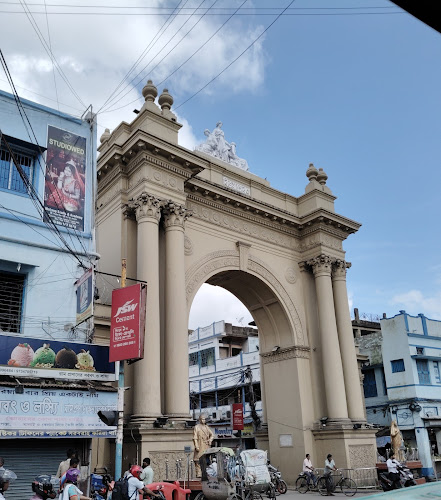
Curzon Gate
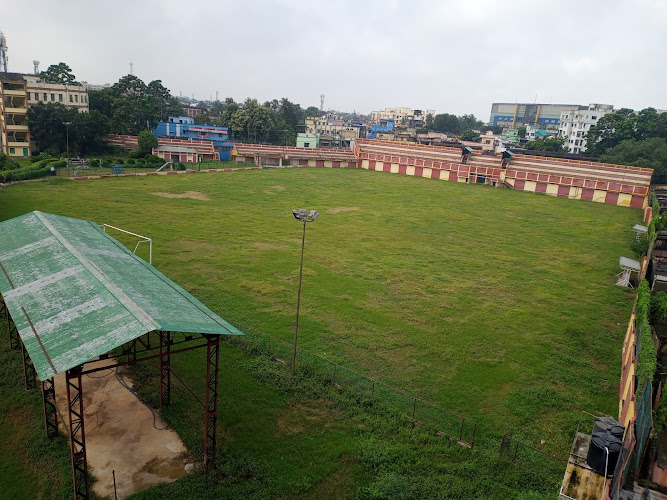
Spandan Ground
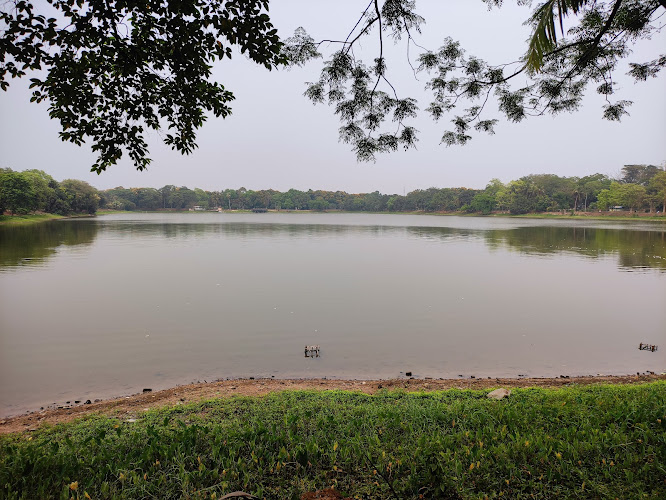
Krishna Sayar Park
Find Accommodations Nearby
Recommended Tours & Activities
Visitor Reviews
There are no reviews yet. Be the first one to write one.
Share Your Experience
Have you visited Barddhaman Junction Platforms? Help other travelers by leaving a review.