
Banjska Monastery
About Banjska Monastery
Description
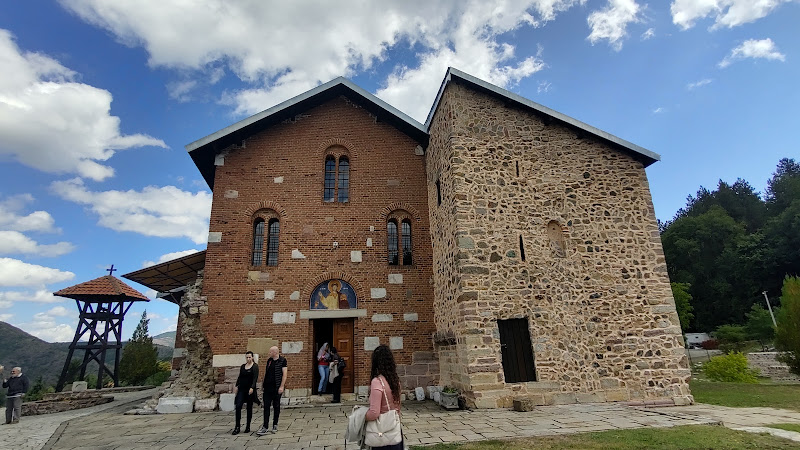
Standing as a testament to medieval Serbian architecture, Banjska Monastery rises majestically against the rolling hills of Kosovo. Built in the early 14th century by King Milutin, this Orthodox monastery has weathered centuries of history, conflicts, and transformations. But what really catches your eye when you first arrive is the striking combination of Byzantine and Romanesque architectural styles - it's honestly unlike anything else I've seen in my travels through the Balkans.
The monastery's cream-colored stone walls and distinctive domed structure create an impressive sight, especially during sunrise when the first rays hit the ancient façade. Y'know what's fascinating? The intricate stone carvings that adorn the entrance - they tell stories of medieval life and religious devotion that have survived over 700 years.
Inside, the monastery church features some remarkably preserved frescoes that'll take your breath away. The colors are still surprisingly vivid, especially the deep blues and rich golds. During my last visit, I spent nearly an hour just studying the detailed scenes depicted on the walls. The peaceful atmosphere inside makes it easy to lose track of time.
Key Features
• Original 14th-century architecture blending Byzantine and Romanesque styles • Remarkably preserved medieval frescoes with vibrant colors • Historic royal tomb of King Milutin • Peaceful courtyard with traditional Orthodox crosses • Ancient stone carvings depicting religious scenes • Recently restored bell tower • Traditional Orthodox church interior with iconostasis • Surrounding gardens with medieval medicinal herbs • On-site museum with religious artifacts • Stunning valley views from the monastery groundsBest Time to Visit
From my experience, spring (April-May) and autumn (September-October) offer the most pleasant conditions for visiting Banjska Monastery. The temperatures are mild, and the surrounding landscape bursts with color. Summer can get pretty hot, but the thick stone walls keep the interior surprisingly cool.
Early mornings are particularly special - I remember watching the sun rise over the valley while the morning prayers echoed through the courtyard. It's absolutely magical! Try to avoid visiting during major Orthodox religious holidays unless you specifically want to experience the celebrations, as the monastery can get pretty crowded.
How to Get There
Getting to Banjska Monastery isn't super complicated, but you'll need to plan ahead. If you're driving (which I definitely recommend), you can follow the main road from Mitrovica - it's about a 15-minute drive. The road's been recently improved, so it's much smoother than it used to be.
Public transportation is a bit trickier. You can catch a local bus from Mitrovica, but they don't run very frequently. I'd suggest arranging a taxi or joining a guided tour if you're not driving. Some hotels in the region also offer transportation services to the monastery - just ask at reception.
Tips for Visiting
Okay, here's what I've learned from my visits - dress modestly! Women should cover their shoulders and knees, and men should avoid shorts. I once saw a couple get turned away because they weren't dressed appropriately, and trust me, you don't wanna make that same mistake.
Bring a camera, but check if photography is allowed inside before snapping away. Sometimes they restrict it during services or in certain areas. And speaking of services, try to time your visit around them - the Orthodox ceremonies are incredibly moving, even if you're not religious.
The monastery doesn't have a cafe, so pack some water and snacks if you're planning a longer visit. There's a small gift shop where you can buy local honey and handmade items - they make great souvenirs and help support the monastery's upkeep.
Oh, and don't forget to bring cash! They don't accept cards, and while there's no entrance fee, donations are appreciated. The monks are usually happy to share stories about the monastery's history - some speak English, and their insights really bring the place to life.
If you're interested in taking a guided tour, book one in advance through your hotel or a local tourism office. These tours often include transportation and offer fascinating historical context that you might miss exploring on your own. Believe me, understanding the stories behind those ancient walls makes the experience so much richer!
Key Features
- Key Features
- Best Time to Visit
- How to Get There
- Tips for Visiting
More Details
Updated May 14, 2025
Description
Standing as a testament to medieval Serbian architecture, Banjska Monastery rises majestically against the rolling hills of Kosovo. Built in the early 14th century by King Milutin, this Orthodox monastery has weathered centuries of history, conflicts, and transformations. But what really catches your eye when you first arrive is the striking combination of Byzantine and Romanesque architectural styles – it’s honestly unlike anything else I’ve seen in my travels through the Balkans.
The monastery’s cream-colored stone walls and distinctive domed structure create an impressive sight, especially during sunrise when the first rays hit the ancient façade. Y’know what’s fascinating? The intricate stone carvings that adorn the entrance – they tell stories of medieval life and religious devotion that have survived over 700 years.
Inside, the monastery church features some remarkably preserved frescoes that’ll take your breath away. The colors are still surprisingly vivid, especially the deep blues and rich golds. During my last visit, I spent nearly an hour just studying the detailed scenes depicted on the walls. The peaceful atmosphere inside makes it easy to lose track of time.
Key Features
• Original 14th-century architecture blending Byzantine and Romanesque styles
• Remarkably preserved medieval frescoes with vibrant colors
• Historic royal tomb of King Milutin
• Peaceful courtyard with traditional Orthodox crosses
• Ancient stone carvings depicting religious scenes
• Recently restored bell tower
• Traditional Orthodox church interior with iconostasis
• Surrounding gardens with medieval medicinal herbs
• On-site museum with religious artifacts
• Stunning valley views from the monastery grounds
Best Time to Visit
From my experience, spring (April-May) and autumn (September-October) offer the most pleasant conditions for visiting Banjska Monastery. The temperatures are mild, and the surrounding landscape bursts with color. Summer can get pretty hot, but the thick stone walls keep the interior surprisingly cool.
Early mornings are particularly special – I remember watching the sun rise over the valley while the morning prayers echoed through the courtyard. It’s absolutely magical! Try to avoid visiting during major Orthodox religious holidays unless you specifically want to experience the celebrations, as the monastery can get pretty crowded.
How to Get There
Getting to Banjska Monastery isn’t super complicated, but you’ll need to plan ahead. If you’re driving (which I definitely recommend), you can follow the main road from Mitrovica – it’s about a 15-minute drive. The road’s been recently improved, so it’s much smoother than it used to be.
Public transportation is a bit trickier. You can catch a local bus from Mitrovica, but they don’t run very frequently. I’d suggest arranging a taxi or joining a guided tour if you’re not driving. Some hotels in the region also offer transportation services to the monastery – just ask at reception.
Tips for Visiting
Okay, here’s what I’ve learned from my visits – dress modestly! Women should cover their shoulders and knees, and men should avoid shorts. I once saw a couple get turned away because they weren’t dressed appropriately, and trust me, you don’t wanna make that same mistake.
Bring a camera, but check if photography is allowed inside before snapping away. Sometimes they restrict it during services or in certain areas. And speaking of services, try to time your visit around them – the Orthodox ceremonies are incredibly moving, even if you’re not religious.
The monastery doesn’t have a cafe, so pack some water and snacks if you’re planning a longer visit. There’s a small gift shop where you can buy local honey and handmade items – they make great souvenirs and help support the monastery’s upkeep.
Oh, and don’t forget to bring cash! They don’t accept cards, and while there’s no entrance fee, donations are appreciated. The monks are usually happy to share stories about the monastery’s history – some speak English, and their insights really bring the place to life.
If you’re interested in taking a guided tour, book one in advance through your hotel or a local tourism office. These tours often include transportation and offer fascinating historical context that you might miss exploring on your own. Believe me, understanding the stories behind those ancient walls makes the experience so much richer!
Key Highlights
- Key Features
- Best Time to Visit
- How to Get There
- Tips for Visiting
Location
Places to Stay Near Banjska Monastery
Find and Book a Tour
Explore More Travel Guides
No reviews found! Be the first to review!
Traveler Reviews for Banjska Monastery
There are no reviews yet. Be the first one to write one.
Have you visited Banjska Monastery? Help other travelers by sharing your review.
You Might Also Like
Find Accommodations Nearby
Recommended Tours & Activities
Visitor Reviews
There are no reviews yet. Be the first one to write one.
Share Your Experience
Have you visited Banjska Monastery? Help other travelers by leaving a review.