

Bakone Malapa Open-Air Museum
About Bakone Malapa Open-Air Museum
Description
The Bakone Malapa Open-Air Museum offers visitors a reconstructed archaeological site that brings traditional Northern Sotho life into clear view. It shows how the Bakone people lived, worked and played before modern influences reshaped daily routines. Rather than being a sterile room full of labels, the place recreates homesteads, hearths and communal spaces, and it invites visitors to watch—and sometimes join—demonstrations of pottery, beadwork, basketry and even traditional fire-making. It feels like stepping into a living snapshot of culture and history, only without the confused time-travel sensation.
The museum sits within easy reach of Polokwane, in the Limpopo province, and attracts school groups, cultural tourists and curious travelers who want more than a quick photo op. Exhibits are tactile where possible; craftspeople work in the open, explaining processes that have been passed down through generations. There is a traditional games area where children (and frankly, adults who like to be shown up by nimble kids) learn the rules of local pastimes. Function areas are available for booking, which means the site doubles as a quiet, meaningful venue for cultural events and small gatherings.
Accessibility has been thoughtfully addressed: the main entrance and parking are wheelchair accessible, and there are wheelchair-friendly restrooms on site. Practical stuff matters—there are restrooms, but no full-service restaurant on the grounds, so visitors often bring snacks or combine the visit with nearby dining in Polokwane.
To be honest, the museum is not enormous. Some visitors wish for more interpretation panels or longer guided tours; others are delighted by the hands-on demonstrations and the chance to meet local artisans. It depends on what the visitor wants. For travelers who enjoy culture, storytelling and craft techniques—especially those who want to understand Northern Sotho traditions—Bakone Malapa delivers an intimate, memorable experience. The place quietly champions local heritage in ways that feel respectful and rooted, not polished for Instagram alone.
Key Features
- Reconstructed traditional homesteads that illustrate Northern Sotho living arrangements and daily life
- Live craft demonstrations: pottery, beadwork, basketry and fire-making
- Traditional games area where visitors can learn and play local games
- Function and event spaces available for private bookings and cultural ceremonies
- Wheelchair accessible entrance, parking and restrooms—practical for visitors with mobility needs
- Restroom facilities on site; no restaurant, so plan accordingly
- Kid-friendly attractions and educational opportunities suitable for school groups
- Small craft stalls or displays showcasing locally made items that help support artisans
- Interpretive panels and on-site guides (availability varies by day and season)
Best Time to Visit
The best time to visit Bakone Malapa is when weather helps rather than hinders the experience. Limpopo summers can be hot and bring afternoon thunderstorms, so mornings in the late spring or summer are often pleasant, if a bit warm. But for most travelers, the dry winter months—late autumn through early spring—offer the most comfortable temperatures for walking around outside without sweating buckets. Late winter/early spring also tends to have clearer skies, nicer light for photography and fewer surprise storms, which makes outdoor demonstrations more reliable.
Weekdays usually bring smaller crowds than school holidays and weekends. If somebody wants to avoid the school-group vibe (and the inevitable loud kids who absolutely love the traditional games area), mid-morning on a Tuesday or Wednesday is prime. For those chasing a livelier atmosphere—when demonstrations are most likely—aim for late-morning or early-afternoon, when guides and artisans are typically scheduled to perform techniques and storytelling sessions.
One quirk worth noting: certain cultural events and private functions are scheduled irregularly. If a traveler hopes to see a particular demonstration or attend a special cultural day, it is smart to check in advance. Demonstrations are sometimes run by a small team of artisans who need time to set up; they’re not always on a constant loop.
How to Get There
Bakone Malapa is a short drive from Polokwane, making it an easy half-day trip from the city. Travelers who rent a car will find it straightforward to reach the museum; parking is available on site. Public transport options are limited in rural Limpopo, so those relying on buses or taxis should arrange transfers in advance or consider joining a local guided tour that includes transport. Tour operators in Polokwane commonly bundle this open-air museum with other nearby cultural or natural attractions.
The signage to the museum is generally clear once in the area, but don’t rely entirely on vague directions—GPS and a quick call to confirm opening hours are helpful. Free, on-site parking makes car travel convenient for families and groups who want to stay a couple of hours; by the way, the parking area is wheelchair accessible, which is not always the case at smaller historic sites, and that’s genuinely appreciated.
For travelers pairing visits, Polokwane offers a handful of complementary attractions such as game reserves and cultural centres, so the museum works well as part of a broader Limpopo itinerary. A local guide or driver who knows the timing of demonstrations can be worth the extra cost: they’ll save time and potentially introduce visitors to artisans who aren’t on the standard schedule.
Tips for Visiting
Practical tips make the difference between a so-so visit and a memorable one. Here are some things to consider before heading to Bakone Malapa.
- Plan for 1–2 hours. The museum is compact but rich in detail. Two hours gives time for demonstrations and a relaxed walk through the reconstructed homesteads. Longer if there’s a special event or a guided tour.
- Bring water and sun protection. There’s shade but also open spaces. Limpopo sun is not to be underestimated, especially in summer.
- Wear comfortable shoes. Paths are mostly even but sometimes dusty; sandals are fine, but trainers are better for active kids who like to dart around.
- Carry small cash. Craft items and donations often support local artisans directly. While more vendors are modernizing payment methods, some still prefer cash.
- Respect photography etiquette. The artisans and community members welcome visitors, but it’s polite to ask before taking close-up photos of people or ceremonies. Sometimes photographing certain cultural practices is discouraged—ask first.
- Check demonstration times. Demonstrations add huge value, so arrive when workshops are scheduled. If the visitor is flexible, choose a day with live craft sessions announced.
- Book function spaces ahead of time. The venue is used for cultural events and small weddings; if someone is planning an event, early booking is essential.
- Bring a guide if deeper context is wanted. On-site explanations are helpful, but a knowledgeable local guide can provide richer storytelling about Bakone people, Northern Sotho traditions and the archaeological sources behind the reconstructions.
- Consider children’s learning. The traditional games area is not just fun; it’s educational. School groups benefit a lot, and families should let kids participate—they learn fast and, honestly, it’s adorable.
- Mind accessibility needs. The museum has wheelchair accessible parking, entrance and restroom facilities, but some outdoor terrain may still be uneven. If mobility is a concern, call ahead to confirm paths and arrange assistance if needed.
- Be patient with timing. This is a community-centered site, not an assembly-line tourist attraction. Demonstrations and guides sometimes run on local rhythms rather than strict timetables. It’s part of the charm, but note that rigid schedules can be frustrating for time-pressed travelers.
One little anecdote worth sharing (because the writer can’t help being human): a guide once told the writer that children visiting the games area sometimes teach adults how to play better, which cracked everyone up. That moment—when generations swapped roles and laughed together—captures why this museum matters. It’s not only about objects placed behind glass; it’s about people and the living knowledge they keep alive. And yes, the writer still regrets losing at the game they’d never seen before. Humbling, but educational.
In short, Bakone Malapa Open-Air Museum is a quiet, thoughtful place for travelers who value authentic cultural encounters and hands-on learning. It’s accessible, family-friendly, and rooted in the Northern Sotho traditions of the Bakone people. Travelers who arrive with curiosity and a bit of time will leave with practical knowledge, a few good stories, and perhaps a handcrafted keepsake that means more than something bought in a mall. That, in itself, makes the visit worth the trip.
Key Features
- Reconstructed traditional homesteads that illustrate Northern Sotho living arrangements and daily life
- Live craft demonstrations: pottery, beadwork, basketry and fire-making
- Traditional games area where visitors can learn and play local games
- Function and event spaces available for private bookings and cultural ceremonies
- Wheelchair accessible entrance, parking and restrooms—practical for visitors with mobility needs
- Restroom facilities on site; no restaurant, so plan accordingly
- Kid-friendly attractions and educational opportunities suitable for school groups
- Small craft stalls or displays showcasing locally made items that help support artisans
More Details
Updated August 30, 2025
Table of Contents
Description
The Bakone Malapa Open-Air Museum offers visitors a reconstructed archaeological site that brings traditional Northern Sotho life into clear view. It shows how the Bakone people lived, worked and played before modern influences reshaped daily routines. Rather than being a sterile room full of labels, the place recreates homesteads, hearths and communal spaces, and it invites visitors to watch—and sometimes join—demonstrations of pottery, beadwork, basketry and even traditional fire-making. It feels like stepping into a living snapshot of culture and history, only without the confused time-travel sensation.
The museum sits within easy reach of Polokwane, in the Limpopo province, and attracts school groups, cultural tourists and curious travelers who want more than a quick photo op. Exhibits are tactile where possible; craftspeople work in the open, explaining processes that have been passed down through generations. There is a traditional games area where children (and frankly, adults who like to be shown up by nimble kids) learn the rules of local pastimes. Function areas are available for booking, which means the site doubles as a quiet, meaningful venue for cultural events and small gatherings.
Accessibility has been thoughtfully addressed: the main entrance and parking are wheelchair accessible, and there are wheelchair-friendly restrooms on site. Practical stuff matters—there are restrooms, but no full-service restaurant on the grounds, so visitors often bring snacks or combine the visit with nearby dining in Polokwane.
To be honest, the museum is not enormous. Some visitors wish for more interpretation panels or longer guided tours; others are delighted by the hands-on demonstrations and the chance to meet local artisans. It depends on what the visitor wants. For travelers who enjoy culture, storytelling and craft techniques—especially those who want to understand Northern Sotho traditions—Bakone Malapa delivers an intimate, memorable experience. The place quietly champions local heritage in ways that feel respectful and rooted, not polished for Instagram alone.
Key Features
- Reconstructed traditional homesteads that illustrate Northern Sotho living arrangements and daily life
- Live craft demonstrations: pottery, beadwork, basketry and fire-making
- Traditional games area where visitors can learn and play local games
- Function and event spaces available for private bookings and cultural ceremonies
- Wheelchair accessible entrance, parking and restrooms—practical for visitors with mobility needs
- Restroom facilities on site; no restaurant, so plan accordingly
- Kid-friendly attractions and educational opportunities suitable for school groups
- Small craft stalls or displays showcasing locally made items that help support artisans
- Interpretive panels and on-site guides (availability varies by day and season)
Best Time to Visit
The best time to visit Bakone Malapa is when weather helps rather than hinders the experience. Limpopo summers can be hot and bring afternoon thunderstorms, so mornings in the late spring or summer are often pleasant, if a bit warm. But for most travelers, the dry winter months—late autumn through early spring—offer the most comfortable temperatures for walking around outside without sweating buckets. Late winter/early spring also tends to have clearer skies, nicer light for photography and fewer surprise storms, which makes outdoor demonstrations more reliable.
Weekdays usually bring smaller crowds than school holidays and weekends. If somebody wants to avoid the school-group vibe (and the inevitable loud kids who absolutely love the traditional games area), mid-morning on a Tuesday or Wednesday is prime. For those chasing a livelier atmosphere—when demonstrations are most likely—aim for late-morning or early-afternoon, when guides and artisans are typically scheduled to perform techniques and storytelling sessions.
One quirk worth noting: certain cultural events and private functions are scheduled irregularly. If a traveler hopes to see a particular demonstration or attend a special cultural day, it is smart to check in advance. Demonstrations are sometimes run by a small team of artisans who need time to set up; they’re not always on a constant loop.
How to Get There
Bakone Malapa is a short drive from Polokwane, making it an easy half-day trip from the city. Travelers who rent a car will find it straightforward to reach the museum; parking is available on site. Public transport options are limited in rural Limpopo, so those relying on buses or taxis should arrange transfers in advance or consider joining a local guided tour that includes transport. Tour operators in Polokwane commonly bundle this open-air museum with other nearby cultural or natural attractions.
The signage to the museum is generally clear once in the area, but don’t rely entirely on vague directions—GPS and a quick call to confirm opening hours are helpful. Free, on-site parking makes car travel convenient for families and groups who want to stay a couple of hours; by the way, the parking area is wheelchair accessible, which is not always the case at smaller historic sites, and that’s genuinely appreciated.
For travelers pairing visits, Polokwane offers a handful of complementary attractions such as game reserves and cultural centres, so the museum works well as part of a broader Limpopo itinerary. A local guide or driver who knows the timing of demonstrations can be worth the extra cost: they’ll save time and potentially introduce visitors to artisans who aren’t on the standard schedule.
Tips for Visiting
Practical tips make the difference between a so-so visit and a memorable one. Here are some things to consider before heading to Bakone Malapa.
- Plan for 1–2 hours. The museum is compact but rich in detail. Two hours gives time for demonstrations and a relaxed walk through the reconstructed homesteads. Longer if there’s a special event or a guided tour.
- Bring water and sun protection. There’s shade but also open spaces. Limpopo sun is not to be underestimated, especially in summer.
- Wear comfortable shoes. Paths are mostly even but sometimes dusty; sandals are fine, but trainers are better for active kids who like to dart around.
- Carry small cash. Craft items and donations often support local artisans directly. While more vendors are modernizing payment methods, some still prefer cash.
- Respect photography etiquette. The artisans and community members welcome visitors, but it’s polite to ask before taking close-up photos of people or ceremonies. Sometimes photographing certain cultural practices is discouraged—ask first.
- Check demonstration times. Demonstrations add huge value, so arrive when workshops are scheduled. If the visitor is flexible, choose a day with live craft sessions announced.
- Book function spaces ahead of time. The venue is used for cultural events and small weddings; if someone is planning an event, early booking is essential.
- Bring a guide if deeper context is wanted. On-site explanations are helpful, but a knowledgeable local guide can provide richer storytelling about Bakone people, Northern Sotho traditions and the archaeological sources behind the reconstructions.
- Consider children’s learning. The traditional games area is not just fun; it’s educational. School groups benefit a lot, and families should let kids participate—they learn fast and, honestly, it’s adorable.
- Mind accessibility needs. The museum has wheelchair accessible parking, entrance and restroom facilities, but some outdoor terrain may still be uneven. If mobility is a concern, call ahead to confirm paths and arrange assistance if needed.
- Be patient with timing. This is a community-centered site, not an assembly-line tourist attraction. Demonstrations and guides sometimes run on local rhythms rather than strict timetables. It’s part of the charm, but note that rigid schedules can be frustrating for time-pressed travelers.
One little anecdote worth sharing (because the writer can’t help being human): a guide once told the writer that children visiting the games area sometimes teach adults how to play better, which cracked everyone up. That moment—when generations swapped roles and laughed together—captures why this museum matters. It’s not only about objects placed behind glass; it’s about people and the living knowledge they keep alive. And yes, the writer still regrets losing at the game they’d never seen before. Humbling, but educational.
In short, Bakone Malapa Open-Air Museum is a quiet, thoughtful place for travelers who value authentic cultural encounters and hands-on learning. It’s accessible, family-friendly, and rooted in the Northern Sotho traditions of the Bakone people. Travelers who arrive with curiosity and a bit of time will leave with practical knowledge, a few good stories, and perhaps a handcrafted keepsake that means more than something bought in a mall. That, in itself, makes the visit worth the trip.
Key Highlights
- Reconstructed traditional homesteads that illustrate Northern Sotho living arrangements and daily life
- Live craft demonstrations: pottery, beadwork, basketry and fire-making
- Traditional games area where visitors can learn and play local games
- Function and event spaces available for private bookings and cultural ceremonies
- Wheelchair accessible entrance, parking and restrooms—practical for visitors with mobility needs
- Restroom facilities on site; no restaurant, so plan accordingly
- Kid-friendly attractions and educational opportunities suitable for school groups
- Small craft stalls or displays showcasing locally made items that help support artisans
Location
Places to Stay Near Bakone Malapa Open-Air Museum
Find and Book a Tour
Explore More Travel Guides
No reviews found! Be the first to review!
Traveler Reviews for Bakone Malapa Open-Air Museum
There are no reviews yet. Be the first one to write one.
Have you visited Bakone Malapa Open-Air Museum? Help other travelers by sharing your review.
You Might Also Like

Gateway Park
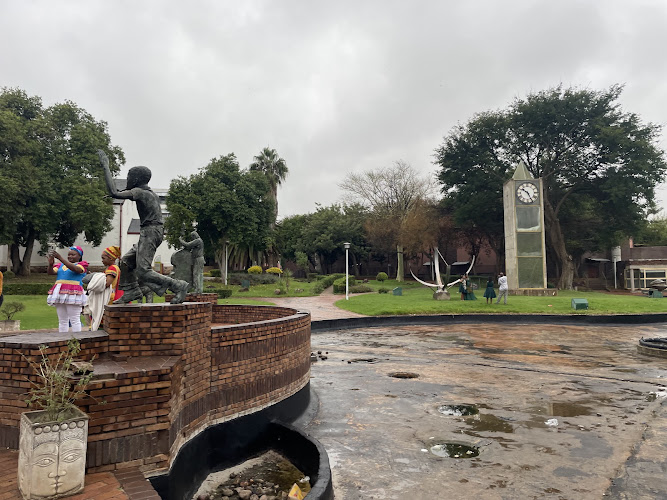
Polokwane civic center park

voortrekker park
Find Accommodations Nearby
Recommended Tours & Activities
Visitor Reviews
There are no reviews yet. Be the first one to write one.
Share Your Experience
Have you visited Bakone Malapa Open-Air Museum? Help other travelers by leaving a review.