
Bait Al Safah
About Bait Al Safah
Description
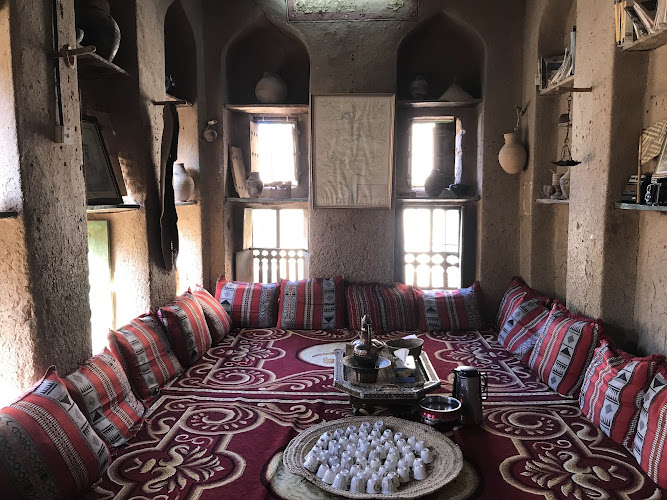
Walk through the doors of Bait Al Safah in Al Hamra and I can almost guarantee you’ll feel instantly transported—not just in place, but in time. This isn’t your average museum stuffed with dusty artifacts and glass cases. Nope. Here, the mud-brick walls basically hum with stories, and it’s all still alive. One moment, someone’s grinding flour by hand, then suddenly a strong whiff of fresh Omani coffee hits your nose, and you just know you’re about to be offered a cup with a pile of dates you’ll probably eat three of, pretending you’re just being polite.
Bait Al Safah's charm shines brightest thanks to the locals themselves, who aren’t just “staff” but storytellers and living history keepers. You might see an old gentleman showing off how his grandmother churned butter, or a young girl swirling incense in the corner and giggling as she describes how the whole village had one phone line—imagine sharing a phone with twenty neighbors! That genuine Omani hospitality? It’s on full display here, and not in a starchy, scripted way. I’ve always thought a place like this makes you feel less like a gawking outsider and more like a welcome guest, which can be such a rarity on the travel trail.
I’ll admit, the building is a marvel in its own right too: Fat, sun-baked mud walls keep things cool when the Omani sun outside does its best to turn you into a raisin. Inside, the courtyards echo with laughter and the steady thud of pestles pounding grain. It’s hard not to geek out a bit over the hundreds-of-years-old architecture—there’s cleverness in every nook. But, for me, the real show is in the details: the handwoven mats, the calloused hands working at a pace no YouTube video can teach, the stories in every smile.
It’s a family-friendly place (kids have a blast grinding grains and pretending they’re little sheikhs for a day), and they keep things accessible where they can, though a couple old steps and doorways might cause trouble for wheelchairs. There’s a decent restroom, which any seasoned traveler will know can be a lifesaver. Food-wise, you’ll have to look nearby; they don’t run a restaurant, but for the price of entry you get a slice of Omani history—and a generous helping of humility and warmth. If you’re seeking glitzy exhibits, maybe this isn’t your place. But if, like me, you enjoy living history, good stories, and the slow joy of community, Bait Al Safah is magic.
Key Features
- Authentic demonstrations: Locals perform daily tasks—grinding grains, roasting coffee, making bread—right before your eyes. You really see, hear, and sometimes even taste traditional Omani life.
- Restored 400-year-old mud-brick house: It's living, breathing architecture. The thick walls and shady courtyards are just as essential to the experience as the exhibits.
- Interactive experience: Guests of all ages are invited to try out some of the activities. Go ahead, embarrass yourself trying to use ancient tools—everyone else does!
- Family friendly: Kids are actively welcomed, and it’s the sort of place where little ones get to touch, smell, try, and imagine.
- Live performance storytelling: Elders share snippets of Omani daily life, sometimes even acting out scenes and inviting you to join in. You’ll come away with stories you’ll want to retell, trust me.
- Complimentary Omani coffee and dates: A truly lovely, traditional welcome. It’s about hospitality, and you can taste the difference.
- Wheelchair accessible restroom: They’ve added some updates for comfort, though old architecture means a few areas may be tricky to access fully for those with mobility concerns.
- Photogenic interiors and courtyards: Bring your camera—you’ll want to remember these ochre-colored walls and the way sunlight filters through the latticework.
Best Time to Visit
If you want my honest (and slightly weathered) advice, October through April is your sweet spot. The desert sun in Oman can be seriously unrelenting come May–September—I’ve made the mistake of exploring ancient mud houses when temperatures climb to 40°C, and let’s just say: Not recommended! Visiting in the cooler months means you’ll actually enjoy wandering the old house, savoring every detail instead of ducking into every patch of shade you see.
Mornings are great, especially if you love quieter, more personal encounters with the hosts. By late morning, more folks trickle in, so if you’re shy about asking questions (or, like me, love an uninterrupted photo op), aim for around 9:00–10:30am. Fridays can be lively, with more locals dropping by, sometimes sparking impromptu performances or a round of stories that just make the whole place feel more alive. Keep in mind, Omani weekends run Thursday and Friday; some exhibits might close briefly for prayer times.
If you’re eager to catch a traditional festivity, check if there are any special events (like Eid or National Day)—the vibe cranks up a notch, though it can get busier. There’s no strict rainy season, but rare showers in Al Hamra can make the area feel extra magical; just wear sturdy shoes, as cobbles can get slippery.
How to Get There
Now, one thing I love about Al Hamra is that it’s just off most mainstream Oman tour routes, so Bait Al Safah doesn’t get swamped by massive busloads. If you’re driving from Muscat, you’re about a two-hour (180 km-ish) road trip away. And what a drive it is: twisting through rocky outcrops and date palms, passing sleepy villages where kids wave from the side of the road.
Public transportation options are, well, pretty much nonexistent—welcome to rural Oman! I always say: if you’re comfortable, rent a car so you can stop at the viewpoints, ancient falaj (irrigation channels), or even make an early detour to Misfat Al Abriyeen or Jebel Shams. GPS works surprisingly well, but the last few turns through Al Hamra’s old quarter can get a bit confusing. The mud-brick houses really do blend into each other the first time you see them. I’ve been known to park a few minutes away and just wander, letting the winding alleys reveal the place to me.
If you’d rather not drive, you might find a few guided tours out of Nizwa or Muscat that build Bait Al Safah into their route. But honestly, nothing beats the sense of discovery when you come under your own steam. Just give yourself extra time—the roads curve and climb more than the map suggests!
Tips for Visiting
- Ask questions freely. The people here genuinely love sharing their heritage. Don’t be shy, even if you’re worried about a language barrier—enthusiasm translates in any language. One of my best memories was a long chat over coffee about why Omani bread is the best (it is, by the way).
- Dress comfortably and modestly. Oman is relaxed but respectful—think loose, airy clothing and good shoes because cobbled alleys and mud floors can throw off your stride if you’re used to city pavement.
- Charge your camera/phone. The light indoors is stunning in the late morning and early afternoon, spilling through wooden lattices in a way that makes even a bad photographer (me) look good.
- Arrive early for a quieter experience. Early birds get unrushed tours, more time chatting with locals, and sometimes a few extra stories you wouldn’t hear if you come with the crowds.
- Respect the building, and its history. Some parts are delicate—don't lean on ancient doorways or climb old stairs unless invited. It’s tempting to explore every nook, but preservation is everyone’s responsibility!
- Bring cash for entry. Smaller attractions in Oman rarely accept cards, and it’s good manners to tip your guides or hosts, especially if they spent extra time with you.
- If you have mobility needs, call ahead. While the restroom is upgraded, main entryways may still be tricky for wheelchairs, and parking involves uneven ground. Your safest bet is to check ahead and bring a friend if you need help.
- Plan a half-day. It’s easy to lose track of time—especially if you linger over coffee or jump into a cooking demo.
- Combine your visit. The old town of Al Hamra is a living museum in itself. Don’t skip the narrow souks or nearby palm gro
Key Features
- Key Features
- Best Time to Visit
- How to Get There
- Tips for Visiting
More Details
Updated June 12, 2025
Table of Contents
Description
Walk through the doors of Bait Al Safah in Al Hamra and I can almost guarantee you’ll feel instantly transported—not just in place, but in time. This isn’t your average museum stuffed with dusty artifacts and glass cases. Nope. Here, the mud-brick walls basically hum with stories, and it’s all still alive. One moment, someone’s grinding flour by hand, then suddenly a strong whiff of fresh Omani coffee hits your nose, and you just know you’re about to be offered a cup with a pile of dates you’ll probably eat three of, pretending you’re just being polite.
Bait Al Safah’s charm shines brightest thanks to the locals themselves, who aren’t just “staff” but storytellers and living history keepers. You might see an old gentleman showing off how his grandmother churned butter, or a young girl swirling incense in the corner and giggling as she describes how the whole village had one phone line—imagine sharing a phone with twenty neighbors! That genuine Omani hospitality? It’s on full display here, and not in a starchy, scripted way. I’ve always thought a place like this makes you feel less like a gawking outsider and more like a welcome guest, which can be such a rarity on the travel trail.
I’ll admit, the building is a marvel in its own right too: Fat, sun-baked mud walls keep things cool when the Omani sun outside does its best to turn you into a raisin. Inside, the courtyards echo with laughter and the steady thud of pestles pounding grain. It’s hard not to geek out a bit over the hundreds-of-years-old architecture—there’s cleverness in every nook. But, for me, the real show is in the details: the handwoven mats, the calloused hands working at a pace no YouTube video can teach, the stories in every smile.
It’s a family-friendly place (kids have a blast grinding grains and pretending they’re little sheikhs for a day), and they keep things accessible where they can, though a couple old steps and doorways might cause trouble for wheelchairs. There’s a decent restroom, which any seasoned traveler will know can be a lifesaver. Food-wise, you’ll have to look nearby; they don’t run a restaurant, but for the price of entry you get a slice of Omani history—and a generous helping of humility and warmth. If you’re seeking glitzy exhibits, maybe this isn’t your place. But if, like me, you enjoy living history, good stories, and the slow joy of community, Bait Al Safah is magic.
Key Features
- Authentic demonstrations: Locals perform daily tasks—grinding grains, roasting coffee, making bread—right before your eyes. You really see, hear, and sometimes even taste traditional Omani life.
- Restored 400-year-old mud-brick house: It’s living, breathing architecture. The thick walls and shady courtyards are just as essential to the experience as the exhibits.
- Interactive experience: Guests of all ages are invited to try out some of the activities. Go ahead, embarrass yourself trying to use ancient tools—everyone else does!
- Family friendly: Kids are actively welcomed, and it’s the sort of place where little ones get to touch, smell, try, and imagine.
- Live performance storytelling: Elders share snippets of Omani daily life, sometimes even acting out scenes and inviting you to join in. You’ll come away with stories you’ll want to retell, trust me.
- Complimentary Omani coffee and dates: A truly lovely, traditional welcome. It’s about hospitality, and you can taste the difference.
- Wheelchair accessible restroom: They’ve added some updates for comfort, though old architecture means a few areas may be tricky to access fully for those with mobility concerns.
- Photogenic interiors and courtyards: Bring your camera—you’ll want to remember these ochre-colored walls and the way sunlight filters through the latticework.
Best Time to Visit
If you want my honest (and slightly weathered) advice, October through April is your sweet spot. The desert sun in Oman can be seriously unrelenting come May–September—I’ve made the mistake of exploring ancient mud houses when temperatures climb to 40°C, and let’s just say: Not recommended! Visiting in the cooler months means you’ll actually enjoy wandering the old house, savoring every detail instead of ducking into every patch of shade you see.
Mornings are great, especially if you love quieter, more personal encounters with the hosts. By late morning, more folks trickle in, so if you’re shy about asking questions (or, like me, love an uninterrupted photo op), aim for around 9:00–10:30am. Fridays can be lively, with more locals dropping by, sometimes sparking impromptu performances or a round of stories that just make the whole place feel more alive. Keep in mind, Omani weekends run Thursday and Friday; some exhibits might close briefly for prayer times.
If you’re eager to catch a traditional festivity, check if there are any special events (like Eid or National Day)—the vibe cranks up a notch, though it can get busier. There’s no strict rainy season, but rare showers in Al Hamra can make the area feel extra magical; just wear sturdy shoes, as cobbles can get slippery.
How to Get There
Now, one thing I love about Al Hamra is that it’s just off most mainstream Oman tour routes, so Bait Al Safah doesn’t get swamped by massive busloads. If you’re driving from Muscat, you’re about a two-hour (180 km-ish) road trip away. And what a drive it is: twisting through rocky outcrops and date palms, passing sleepy villages where kids wave from the side of the road.
Public transportation options are, well, pretty much nonexistent—welcome to rural Oman! I always say: if you’re comfortable, rent a car so you can stop at the viewpoints, ancient falaj (irrigation channels), or even make an early detour to Misfat Al Abriyeen or Jebel Shams. GPS works surprisingly well, but the last few turns through Al Hamra’s old quarter can get a bit confusing. The mud-brick houses really do blend into each other the first time you see them. I’ve been known to park a few minutes away and just wander, letting the winding alleys reveal the place to me.
If you’d rather not drive, you might find a few guided tours out of Nizwa or Muscat that build Bait Al Safah into their route. But honestly, nothing beats the sense of discovery when you come under your own steam. Just give yourself extra time—the roads curve and climb more than the map suggests!
Tips for Visiting
- Ask questions freely. The people here genuinely love sharing their heritage. Don’t be shy, even if you’re worried about a language barrier—enthusiasm translates in any language. One of my best memories was a long chat over coffee about why Omani bread is the best (it is, by the way).
- Dress comfortably and modestly. Oman is relaxed but respectful—think loose, airy clothing and good shoes because cobbled alleys and mud floors can throw off your stride if you’re used to city pavement.
- Charge your camera/phone. The light indoors is stunning in the late morning and early afternoon, spilling through wooden lattices in a way that makes even a bad photographer (me) look good.
- Arrive early for a quieter experience. Early birds get unrushed tours, more time chatting with locals, and sometimes a few extra stories you wouldn’t hear if you come with the crowds.
- Respect the building, and its history. Some parts are delicate—don’t lean on ancient doorways or climb old stairs unless invited. It’s tempting to explore every nook, but preservation is everyone’s responsibility!
- Bring cash for entry. Smaller attractions in Oman rarely accept cards, and it’s good manners to tip your guides or hosts, especially if they spent extra time with you.
- If you have mobility needs, call ahead. While the restroom is upgraded, main entryways may still be tricky for wheelchairs, and parking involves uneven ground. Your safest bet is to check ahead and bring a friend if you need help.
- Plan a half-day. It’s easy to lose track of time—especially if you linger over coffee or jump into a cooking demo.
-
Combine your visit. The old town of Al Hamra is a living museum in itself. Don’t skip the narrow souks or nearby palm gro
Key Highlights
- Key Features
- Best Time to Visit
- How to Get There
- Tips for Visiting
Location
Places to Stay Near Bait Al Safah
Find and Book a Tour
Explore More Travel Guides
No reviews found! Be the first to review!
Traveler Reviews for Bait Al Safah
There are no reviews yet. Be the first one to write one.
Have you visited Bait Al Safah? Help other travelers by sharing your review.
You Might Also Like
Find Accommodations Nearby
Recommended Tours & Activities
Visitor Reviews
There are no reviews yet. Be the first one to write one.
Share Your Experience
Have you visited Bait Al Safah? Help other travelers by leaving a review.