About Badi Devkali Ayodhya (Faizabad) Tiraha

Description

If you ask me, there are a handful of places on this planet that quietly hum with layers of history and local life—and Badi Devkali Ayodhya (Faizabad) Tiraha is one of those rare gems. It’s clear the daily rhythm here isn’t just about people coming and going; it’s much more, weaving the old stories from Ayodhya with the bustling attitudes of today’s travelers, locals, and pilgrims alike. As odd as it may sound, I stumbled here seeking chai and got so much lore and neighborhood color that, honestly, I ended up staying hours longer than planned.

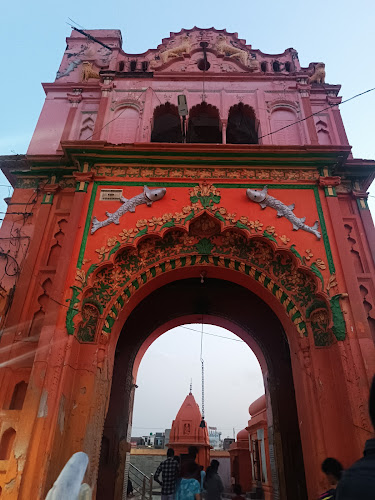
Standing at this crossroads, you’re likely to spot a delightful mix—families making their way to a temple, vendors hawking puffed rice and tiny figurines, young kids tugging on their mother’s saree, and the ever-present smell of incense. Some folks may tell you this is a mere traffic junction, but that’s only if you look in a hurry. With a little patience, you’ll find faded old signboards that whisper timeworn tales of Ayodhya’s role in Indian heritage. The heart of this place, the Badi Devkali Temple, pays homage to Goddess Devkali, believed to be linked to the epic tales of Lord Shri Ram. Lots of pilgrims trek here, always with flowers, hopes, and sometimes pressing questions, which gives the crossroads a spiritual air that’s hard to miss.

In my experience, chatting up a local here opens up all kinds of anecdotes—be it about childhoods spent flying kites around the Tiraha, learning moral lessons at festival gatherings, or joining in community events hosted on special occasions. There's a simplicity and a welcoming energy that almost encourages you to slow down, observe, and maybe snap a few candid shots without being rushed. If you’re traveling with your kids or have an elderly family member, you’ll also find that the area is laid-back and safe enough for a curious stroll, which isn’t always a given in buzzing city intersections.

Key Features

  • Historic Significance: Not just an intersection! The Tiraha acts as a cultural crossroad—steeped in tales of Lord Shri Ram and the local traditions of Faizabad and Ayodhya.
  • Badi Devkali Temple: You just can’t miss this—devotees arrive daily to offer prayers to the goddess for protection and prosperity. The temple has those simple, earthy vibes that stand out in a world of overdone architecture.
  • Family-Friendly: One of those rare places that feel genuinely welcoming for children. They’ll enjoy the open lanes and watching everyday life unfold—no need to fret about chaotic traffic here.
  • Local Cuisine & Street Food: Can’t help but mention the tempting aroma of local delicacies—think crispy samosas, piping hot chai, and seasonal sweets sold from carts nearby. My last trip, I had jalebis that were gone before I could even take a photo.
  • Easy Accessibility: If you value practicalities (like I do!), the Tiraha’s central position means it’s reachable from pretty much any place in Faizabad or Ayodhya, no wild detours necessary.
  • Festive Atmosphere: Especially during big religious festivals and local celebrations, the whole intersection seems to light up, echoing with laughter, devotional songs, and even impromptu performances by local artists.
  • Community Spirit: What stands out most is the charming camaraderie—watching local shopkeepers and families interact, you’ll feel you’ve stumbled into a closely-knit community right at the intersection of the old and the new.

Best Time to Visit

Alright, let’s get practical for a sec. If you’re planning a visit, do yourself a favor—avoid the melting heat of peak summer. I found winter to be frankly delightful; the crisp air adds an almost festive zing to every step. November through February is my pick: temperature hovers between a comfy 10°C to 22°C, so you (and your phone) won’t be dripping sweat by noon.

Another unmissable time—the festival season, especially during Navaratri and Ram Navami. The Tiraha just comes alive with an electric mix of lamps, music, and pilgrims, and there’s this contagious sense of shared excitement. Be ready for the crowds, though! If you thrive on cultural immersion, go for these festival dates. But, if you’re like my camera-shy auntie who prefers peace, weekdays in the early morning or late evening offer you a slower, more meditative experience (plus better photo ops).

How to Get There

First up, good news—getting to Badi Devkali Ayodhya Tiraha is reasonable even for a rookie traveler. Whether you’re road-tripping across Uttar Pradesh, arriving by train, or fresh off a flight, you’ve got options.

By Road: Most local auto-rickshaw drivers know the spot well and, trust me, they’ll let you in on the best snack shops en route if you ask. If you’re coming from the main bus stand or Faizabad railway station, it’s a quick 15-20 minute auto ride. Parking can be a bit tricky, though—best to get dropped off and then stroll the rest of the way.

By Train: Faizabad Junction is your friend—well-connected and not too far. Hop in a cycle-rickshaw or book a cab for the last few kilometers, which will take you straight to the Tiraha.

By Air: Ayodhya’s airport is shaping up, but if you’re flying in today, you’ll likely land in Lucknow. From there, taxis and buses run frequently to Faizabad. After that, local cabs get you to the Tiraha without hassle.

A quirky tip—don’t be shy to stop and ask locals for directions. Every time I’ve gotten lost (which is often, I hate to admit), someone’s always pointed me the right way, sometimes even walking with me a bit. It’s half the adventure, honestly.

Tips for Visiting

  • Dress Respectfully: You’re heading into a holy spot, so go for comfortable, modest clothing—nothing too flashy, especially if you plan to enter the temple.
  • Carry Small Change: Many street vendors and rickshaw drivers find large bills troublesome. Toss a few 10- and 20-rupee notes in your pocket—trust me, you’ll thank yourself when you’re hit with a sudden samosa craving.
  • Plan for Foot Traffic: During festival days, the area gets busier than a railway platform at rush hour. A little patience goes a long way—just soak up the crowd and the chaos.
  • Stay Hydrated: The roadside stalls sell fresh lemonade and bottled water. With so much walking and sightseeing, you’ll need it—especially if you get swept up in the temple queue.
  • Capture Moments, Not Just Photos: It’s tempting to snap a hundred pictures, but take a minute to just absorb the atmosphere, maybe chat with a local grandmother who’ll share stories you won’t find in guidebooks.
  • Look Out for Local Events: If you’re lucky (or good at eavesdropping), you might catch word of a street play or small devotional performance happening nearby. Worth sticking around for—it’ll give you serious insider bragging rights later.
  • Safety and Cleanliness: The area’s generally safe, even for families. I always keep an eye on my valuables, of course, and respectfully use the dustbins sprinkled around—helps keep the place nice for everyone.
  • Open Mind, Open Heart: Above all, bring a dose of curiosity and an appetite for experiences. Every time I visit, I learn or spot something new—whether it’s a ritual, a mural tucked away, or just the way dusk settles over the Tiraha when the temple bells ring.

If you ask me, the real magic of Badi Devkali Ayodhya Tiraha isn’t in swanky infrastructure or grand spectacle, but in its simple, heartfelt energy. Take your time; wander aimlessly—you never know what you’ll discover at this crossroads of history and daily life.

Key Features

  • Key Features
  • Best Time to Visit
  • How to Get There
  • Tips for Visiting

More Details

Updated June 9, 2025

Description

If you ask me, there are a handful of places on this planet that quietly hum with layers of history and local life—and Badi Devkali Ayodhya (Faizabad) Tiraha is one of those rare gems. It’s clear the daily rhythm here isn’t just about people coming and going; it’s much more, weaving the old stories from Ayodhya with the bustling attitudes of today’s travelers, locals, and pilgrims alike. As odd as it may sound, I stumbled here seeking chai and got so much lore and neighborhood color that, honestly, I ended up staying hours longer than planned.

Standing at this crossroads, you’re likely to spot a delightful mix—families making their way to a temple, vendors hawking puffed rice and tiny figurines, young kids tugging on their mother’s saree, and the ever-present smell of incense. Some folks may tell you this is a mere traffic junction, but that’s only if you look in a hurry. With a little patience, you’ll find faded old signboards that whisper timeworn tales of Ayodhya’s role in Indian heritage. The heart of this place, the Badi Devkali Temple, pays homage to Goddess Devkali, believed to be linked to the epic tales of Lord Shri Ram. Lots of pilgrims trek here, always with flowers, hopes, and sometimes pressing questions, which gives the crossroads a spiritual air that’s hard to miss.

In my experience, chatting up a local here opens up all kinds of anecdotes—be it about childhoods spent flying kites around the Tiraha, learning moral lessons at festival gatherings, or joining in community events hosted on special occasions. There’s a simplicity and a welcoming energy that almost encourages you to slow down, observe, and maybe snap a few candid shots without being rushed. If you’re traveling with your kids or have an elderly family member, you’ll also find that the area is laid-back and safe enough for a curious stroll, which isn’t always a given in buzzing city intersections.

Key Features

  • Historic Significance: Not just an intersection! The Tiraha acts as a cultural crossroad—steeped in tales of Lord Shri Ram and the local traditions of Faizabad and Ayodhya.
  • Badi Devkali Temple: You just can’t miss this—devotees arrive daily to offer prayers to the goddess for protection and prosperity. The temple has those simple, earthy vibes that stand out in a world of overdone architecture.
  • Family-Friendly: One of those rare places that feel genuinely welcoming for children. They’ll enjoy the open lanes and watching everyday life unfold—no need to fret about chaotic traffic here.
  • Local Cuisine & Street Food: Can’t help but mention the tempting aroma of local delicacies—think crispy samosas, piping hot chai, and seasonal sweets sold from carts nearby. My last trip, I had jalebis that were gone before I could even take a photo.
  • Easy Accessibility: If you value practicalities (like I do!), the Tiraha’s central position means it’s reachable from pretty much any place in Faizabad or Ayodhya, no wild detours necessary.
  • Festive Atmosphere: Especially during big religious festivals and local celebrations, the whole intersection seems to light up, echoing with laughter, devotional songs, and even impromptu performances by local artists.
  • Community Spirit: What stands out most is the charming camaraderie—watching local shopkeepers and families interact, you’ll feel you’ve stumbled into a closely-knit community right at the intersection of the old and the new.

Best Time to Visit

Alright, let’s get practical for a sec. If you’re planning a visit, do yourself a favor—avoid the melting heat of peak summer. I found winter to be frankly delightful; the crisp air adds an almost festive zing to every step. November through February is my pick: temperature hovers between a comfy 10°C to 22°C, so you (and your phone) won’t be dripping sweat by noon.

Another unmissable time—the festival season, especially during Navaratri and Ram Navami. The Tiraha just comes alive with an electric mix of lamps, music, and pilgrims, and there’s this contagious sense of shared excitement. Be ready for the crowds, though! If you thrive on cultural immersion, go for these festival dates. But, if you’re like my camera-shy auntie who prefers peace, weekdays in the early morning or late evening offer you a slower, more meditative experience (plus better photo ops).

How to Get There

First up, good news—getting to Badi Devkali Ayodhya Tiraha is reasonable even for a rookie traveler. Whether you’re road-tripping across Uttar Pradesh, arriving by train, or fresh off a flight, you’ve got options.

By Road: Most local auto-rickshaw drivers know the spot well and, trust me, they’ll let you in on the best snack shops en route if you ask. If you’re coming from the main bus stand or Faizabad railway station, it’s a quick 15-20 minute auto ride. Parking can be a bit tricky, though—best to get dropped off and then stroll the rest of the way.

By Train: Faizabad Junction is your friend—well-connected and not too far. Hop in a cycle-rickshaw or book a cab for the last few kilometers, which will take you straight to the Tiraha.

By Air: Ayodhya’s airport is shaping up, but if you’re flying in today, you’ll likely land in Lucknow. From there, taxis and buses run frequently to Faizabad. After that, local cabs get you to the Tiraha without hassle.

A quirky tip—don’t be shy to stop and ask locals for directions. Every time I’ve gotten lost (which is often, I hate to admit), someone’s always pointed me the right way, sometimes even walking with me a bit. It’s half the adventure, honestly.

Tips for Visiting

  • Dress Respectfully: You’re heading into a holy spot, so go for comfortable, modest clothing—nothing too flashy, especially if you plan to enter the temple.
  • Carry Small Change: Many street vendors and rickshaw drivers find large bills troublesome. Toss a few 10- and 20-rupee notes in your pocket—trust me, you’ll thank yourself when you’re hit with a sudden samosa craving.
  • Plan for Foot Traffic: During festival days, the area gets busier than a railway platform at rush hour. A little patience goes a long way—just soak up the crowd and the chaos.
  • Stay Hydrated: The roadside stalls sell fresh lemonade and bottled water. With so much walking and sightseeing, you’ll need it—especially if you get swept up in the temple queue.
  • Capture Moments, Not Just Photos: It’s tempting to snap a hundred pictures, but take a minute to just absorb the atmosphere, maybe chat with a local grandmother who’ll share stories you won’t find in guidebooks.
  • Look Out for Local Events: If you’re lucky (or good at eavesdropping), you might catch word of a street play or small devotional performance happening nearby. Worth sticking around for—it’ll give you serious insider bragging rights later.
  • Safety and Cleanliness: The area’s generally safe, even for families. I always keep an eye on my valuables, of course, and respectfully use the dustbins sprinkled around—helps keep the place nice for everyone.
  • Open Mind, Open Heart: Above all, bring a dose of curiosity and an appetite for experiences. Every time I visit, I learn or spot something new—whether it’s a ritual, a mural tucked away, or just the way dusk settles over the Tiraha when the temple bells ring.

If you ask me, the real magic of Badi Devkali Ayodhya Tiraha isn’t in swanky infrastructure or grand spectacle, but in its simple, heartfelt energy. Take your time; wander aimlessly—you never know what you’ll discover at this crossroads of history and daily life.

Key Highlights

  • Key Features
  • Best Time to Visit
  • How to Get There
  • Tips for Visiting

Location

Places to Stay Near Badi Devkali Ayodhya (Faizabad) Tiraha

Find and Book a Tour

Explore More Travel Guides

No reviews found! Be the first to review!

Traveler Reviews for Badi Devkali Ayodhya (Faizabad) Tiraha

There are no reviews yet. Be the first one to write one.

Share Your Experience

Have you visited Badi Devkali Ayodhya (Faizabad) Tiraha? Help other travelers by sharing your review.

Find Accommodations Nearby

Recommended Tours & Activities

Visitor Reviews

There are no reviews yet. Be the first one to write one.

Share Your Experience

Have you visited Badi Devkali Ayodhya (Faizabad) Tiraha? Help other travelers by leaving a review.