

Azerbaijan Carpet Museum
About Azerbaijan Carpet Museum
Description
There’s a certain charm about the Azerbaijan Carpet Museum that’s hard to describe until you see it with your own eyes. Shaped like a giant rolled-up carpet along Baku’s Seaside Boulevard, this museum is both an architectural statement and a love letter to one of Azerbaijan’s oldest crafts—carpet weaving. The building itself feels almost symbolic, as if it’s gently unrolling centuries of history, patterns, and stories right before you. Designed by Austrian architect Franz Janz and opened in 2014, it’s become one of those places that locals are proud of and travelers can’t stop photographing.
Inside, it’s not just about carpets (though there are thousands of them—each one a masterpiece of color and patience). The museum tells the story of Azerbaijan’s identity through threads, dyes, and textures. You’ll find carpets from every region of the country, each with its own motifs and meanings. Some are geometric and bold, others soft and floral, and a few so intricate you’ll wonder how human hands could have possibly made them. But beyond the artistry, the museum manages to make the craft feel alive. You can watch weavers at work, see demonstrations, and even learn how natural dyes are made. It’s not a dry, quiet museum—it hums with creativity.
And here’s the thing: even if you’re not a “museum person,” this one might surprise you. The lighting, the layout, and the storytelling all make it easy to wander and lose track of time. The air smells faintly of wool and wood, and there’s a warmth to the space that feels more like a cultural home than a formal exhibition hall. Some visitors say it’s one of the most photogenic spots in Baku, and honestly, they’re not wrong. The giant windows overlook the Caspian Sea, so between carpets, you can sneak glances of sunlight dancing off the water.
Of course, not every visitor leaves equally impressed. Some find it smaller than expected or wish for more interactive displays. But most walk away deeply moved, especially after realizing how much history and heart are woven into every piece. It’s a place that doesn’t just show you art—it shows you a nation’s soul, thread by thread.
Key Features
- Home to more than 10,000 carpets representing centuries of Azerbaijani weaving traditions.
- Architectural design shaped like a rolled-up carpet, symbolizing the continuity of cultural heritage.
- Exhibits also include traditional Azeri ceramics, costumes, and metalwork.
- Live weaving demonstrations that showcase traditional carpet-making techniques.
- Interactive displays explaining regional carpet styles and natural dyeing methods.
- Wheelchair-accessible entrances, restrooms, and seating areas for inclusive access.
- Onsite restaurant and gender-neutral restrooms for visitor comfort.
- Family-friendly environment with activities and exhibits suitable for children.
- Occasional live performances and cultural events celebrating Azerbaijani arts.
Best Time to Visit
Now, here’s a little advice from experience—try visiting in the late morning or early afternoon. That’s when the sunlight hits the building just right, streaming through the glass panels and illuminating the carpets in a way that makes their colors pop. The museum tends to be quieter around that time too, which gives you space to wander without the usual crowd chatter. If you’re planning to take photos (and you definitely should), the natural light makes everything look richer and warmer.
As for the season, spring and autumn are ideal. The weather in Baku is pleasant, and the Seaside Boulevard outside the museum is perfect for a stroll before or after your visit. Summer can be quite hot, and winter, while mild, sometimes brings strong winds off the Caspian. But honestly, the museum itself is enjoyable year-round—it’s air-conditioned, cozy, and always full of color, no matter what’s happening outside.
And if you’re lucky, you might catch one of their special exhibitions or live performances. They’re not always heavily advertised, so it’s worth checking in advance or asking at the entrance. These events often feature local artisans, musicians, or even short talks about the symbolism behind certain carpet patterns. It’s a deeper dive into Azerbaijani culture that’s well worth your time.
How to Get There
Getting to the Azerbaijan Carpet Museum is simple enough, especially since it’s located right along Baku Boulevard—a central and scenic part of the city. If you’re staying downtown, you can easily walk there from the Old City or the Flame Towers area. The stroll itself is part of the experience, with sea views and street performers along the way. For those who prefer public transport, several bus routes stop nearby, and taxis or ride-hailing apps like Bolt make it a quick ride from most parts of Baku.
If you’re the type who enjoys exploring on foot, consider starting your day at the Maiden Tower, then walking along the boulevard toward the museum. It’s about a 20-minute walk, and you’ll pass cafes, gardens, and sculptures that give you a real feel for the city. There’s also a metro station not too far away, so if you’re traveling from outside the center, that’s another convenient option. Parking can be tricky, though, so if you’re driving, plan accordingly or use a nearby paid lot.
And here’s a small tip—after your visit, grab a coffee or ice cream from one of the nearby seaside cafes. Sitting there, watching the Caspian waves roll in, you’ll probably find yourself thinking about the carpets you just saw and the stories they carry. It’s one of those moments where travel feels perfectly balanced—art, culture, and a bit of sea breeze.
Tips for Visiting
First things first—give yourself enough time. The museum may not look huge from the outside, but once you’re inside, there’s a lot to take in. Two hours is a good starting point, but if you’re a fan of art, design, or history, you could easily spend half a day here. The exhibits are layered with meaning, and it’s worth pausing to read the descriptions or chat with the guides, who are genuinely passionate about their work.
If you’re traveling with kids, you’ll be glad to know the museum is very child-friendly. There are sections that engage younger visitors, and watching the weavers in action tends to fascinate them. Just keep in mind that some areas are roped off for preservation, so it’s best to remind little ones not to touch the carpets—tempting as it might be.
Accessibility is another strong point. The museum has wheelchair-accessible entrances, restrooms, and seating areas, so visitors with mobility needs can explore comfortably. There are also assisted listening devices and an assistive hearing loop available, which is a thoughtful touch that not every museum offers.
For those who like to plan ahead, weekdays are generally less crowded than weekends. If you’re hoping for quiet contemplation or better photo opportunities, go midweek. And don’t rush through the upper floors—they often feature temporary exhibitions or special displays that many visitors accidentally skip.
One more personal note: don’t leave without visiting the museum shop. It’s not one of those generic souvenir stalls—it’s full of beautifully crafted items made by local artisans. You’ll find miniature carpets, silk scarves, and even handmade jewelry inspired by traditional patterns. I still have a small keychain I bought there years ago, and every time I see it, it reminds me of that sunny afternoon in Baku when I first walked into the museum. Funny how a little piece of woven thread can carry so much memory.
Finally, take your time when you step outside. The museum’s location on the Seaside Boulevard means you’re surrounded by some of the best views in the city. Sit on one of the benches, watch the locals stroll by, and let the rhythm of Baku sink in. The Azerbaijan Carpet Museum isn’t just a place to see—it’s a place to feel. And if you let it, it’ll weave its way into your travel memories just like the patterns in its carpets—rich, detailed, and unforgettable.
Key Features
- Home to more than 10,000 carpets representing centuries of Azerbaijani weaving traditions.
- Architectural design shaped like a rolled-up carpet, symbolizing the continuity of cultural heritage.
- Exhibits also include traditional Azeri ceramics, costumes, and metalwork.
- Live weaving demonstrations that showcase traditional carpet-making techniques.
- Interactive displays explaining regional carpet styles and natural dyeing methods.
- Wheelchair-accessible entrances, restrooms, and seating areas for inclusive access.
- Onsite restaurant and gender-neutral restrooms for visitor comfort.
- Family-friendly environment with activities and exhibits suitable for children.
More Details
Updated December 1, 2025
Table of Contents
Description
There’s a certain charm about the Azerbaijan Carpet Museum that’s hard to describe until you see it with your own eyes. Shaped like a giant rolled-up carpet along Baku’s Seaside Boulevard, this museum is both an architectural statement and a love letter to one of Azerbaijan’s oldest crafts—carpet weaving. The building itself feels almost symbolic, as if it’s gently unrolling centuries of history, patterns, and stories right before you. Designed by Austrian architect Franz Janz and opened in 2014, it’s become one of those places that locals are proud of and travelers can’t stop photographing.
Inside, it’s not just about carpets (though there are thousands of them—each one a masterpiece of color and patience). The museum tells the story of Azerbaijan’s identity through threads, dyes, and textures. You’ll find carpets from every region of the country, each with its own motifs and meanings. Some are geometric and bold, others soft and floral, and a few so intricate you’ll wonder how human hands could have possibly made them. But beyond the artistry, the museum manages to make the craft feel alive. You can watch weavers at work, see demonstrations, and even learn how natural dyes are made. It’s not a dry, quiet museum—it hums with creativity.
And here’s the thing: even if you’re not a “museum person,” this one might surprise you. The lighting, the layout, and the storytelling all make it easy to wander and lose track of time. The air smells faintly of wool and wood, and there’s a warmth to the space that feels more like a cultural home than a formal exhibition hall. Some visitors say it’s one of the most photogenic spots in Baku, and honestly, they’re not wrong. The giant windows overlook the Caspian Sea, so between carpets, you can sneak glances of sunlight dancing off the water.
Of course, not every visitor leaves equally impressed. Some find it smaller than expected or wish for more interactive displays. But most walk away deeply moved, especially after realizing how much history and heart are woven into every piece. It’s a place that doesn’t just show you art—it shows you a nation’s soul, thread by thread.
Key Features
- Home to more than 10,000 carpets representing centuries of Azerbaijani weaving traditions.
- Architectural design shaped like a rolled-up carpet, symbolizing the continuity of cultural heritage.
- Exhibits also include traditional Azeri ceramics, costumes, and metalwork.
- Live weaving demonstrations that showcase traditional carpet-making techniques.
- Interactive displays explaining regional carpet styles and natural dyeing methods.
- Wheelchair-accessible entrances, restrooms, and seating areas for inclusive access.
- Onsite restaurant and gender-neutral restrooms for visitor comfort.
- Family-friendly environment with activities and exhibits suitable for children.
- Occasional live performances and cultural events celebrating Azerbaijani arts.
Best Time to Visit
Now, here’s a little advice from experience—try visiting in the late morning or early afternoon. That’s when the sunlight hits the building just right, streaming through the glass panels and illuminating the carpets in a way that makes their colors pop. The museum tends to be quieter around that time too, which gives you space to wander without the usual crowd chatter. If you’re planning to take photos (and you definitely should), the natural light makes everything look richer and warmer.
As for the season, spring and autumn are ideal. The weather in Baku is pleasant, and the Seaside Boulevard outside the museum is perfect for a stroll before or after your visit. Summer can be quite hot, and winter, while mild, sometimes brings strong winds off the Caspian. But honestly, the museum itself is enjoyable year-round—it’s air-conditioned, cozy, and always full of color, no matter what’s happening outside.
And if you’re lucky, you might catch one of their special exhibitions or live performances. They’re not always heavily advertised, so it’s worth checking in advance or asking at the entrance. These events often feature local artisans, musicians, or even short talks about the symbolism behind certain carpet patterns. It’s a deeper dive into Azerbaijani culture that’s well worth your time.
How to Get There
Getting to the Azerbaijan Carpet Museum is simple enough, especially since it’s located right along Baku Boulevard—a central and scenic part of the city. If you’re staying downtown, you can easily walk there from the Old City or the Flame Towers area. The stroll itself is part of the experience, with sea views and street performers along the way. For those who prefer public transport, several bus routes stop nearby, and taxis or ride-hailing apps like Bolt make it a quick ride from most parts of Baku.
If you’re the type who enjoys exploring on foot, consider starting your day at the Maiden Tower, then walking along the boulevard toward the museum. It’s about a 20-minute walk, and you’ll pass cafes, gardens, and sculptures that give you a real feel for the city. There’s also a metro station not too far away, so if you’re traveling from outside the center, that’s another convenient option. Parking can be tricky, though, so if you’re driving, plan accordingly or use a nearby paid lot.
And here’s a small tip—after your visit, grab a coffee or ice cream from one of the nearby seaside cafes. Sitting there, watching the Caspian waves roll in, you’ll probably find yourself thinking about the carpets you just saw and the stories they carry. It’s one of those moments where travel feels perfectly balanced—art, culture, and a bit of sea breeze.
Tips for Visiting
First things first—give yourself enough time. The museum may not look huge from the outside, but once you’re inside, there’s a lot to take in. Two hours is a good starting point, but if you’re a fan of art, design, or history, you could easily spend half a day here. The exhibits are layered with meaning, and it’s worth pausing to read the descriptions or chat with the guides, who are genuinely passionate about their work.
If you’re traveling with kids, you’ll be glad to know the museum is very child-friendly. There are sections that engage younger visitors, and watching the weavers in action tends to fascinate them. Just keep in mind that some areas are roped off for preservation, so it’s best to remind little ones not to touch the carpets—tempting as it might be.
Accessibility is another strong point. The museum has wheelchair-accessible entrances, restrooms, and seating areas, so visitors with mobility needs can explore comfortably. There are also assisted listening devices and an assistive hearing loop available, which is a thoughtful touch that not every museum offers.
For those who like to plan ahead, weekdays are generally less crowded than weekends. If you’re hoping for quiet contemplation or better photo opportunities, go midweek. And don’t rush through the upper floors—they often feature temporary exhibitions or special displays that many visitors accidentally skip.
One more personal note: don’t leave without visiting the museum shop. It’s not one of those generic souvenir stalls—it’s full of beautifully crafted items made by local artisans. You’ll find miniature carpets, silk scarves, and even handmade jewelry inspired by traditional patterns. I still have a small keychain I bought there years ago, and every time I see it, it reminds me of that sunny afternoon in Baku when I first walked into the museum. Funny how a little piece of woven thread can carry so much memory.
Finally, take your time when you step outside. The museum’s location on the Seaside Boulevard means you’re surrounded by some of the best views in the city. Sit on one of the benches, watch the locals stroll by, and let the rhythm of Baku sink in. The Azerbaijan Carpet Museum isn’t just a place to see—it’s a place to feel. And if you let it, it’ll weave its way into your travel memories just like the patterns in its carpets—rich, detailed, and unforgettable.
Key Highlights
- Home to more than 10,000 carpets representing centuries of Azerbaijani weaving traditions.
- Architectural design shaped like a rolled-up carpet, symbolizing the continuity of cultural heritage.
- Exhibits also include traditional Azeri ceramics, costumes, and metalwork.
- Live weaving demonstrations that showcase traditional carpet-making techniques.
- Interactive displays explaining regional carpet styles and natural dyeing methods.
- Wheelchair-accessible entrances, restrooms, and seating areas for inclusive access.
- Onsite restaurant and gender-neutral restrooms for visitor comfort.
- Family-friendly environment with activities and exhibits suitable for children.
Location
Places to Stay Near Azerbaijan Carpet Museum
Find and Book a Tour
Explore More Travel Guides
No reviews found! Be the first to review!
Traveler Reviews for Azerbaijan Carpet Museum
There are no reviews yet. Be the first one to write one.
Have you visited Azerbaijan Carpet Museum? Help other travelers by sharing your review.
You Might Also Like

Heydar Aliyev Center

Baku Eye
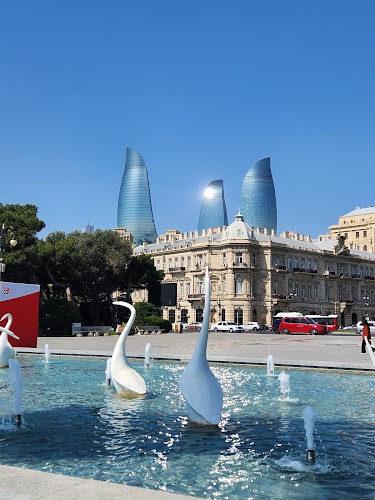
Dənizkənarı Milli Park
Find Accommodations Nearby
Recommended Tours & Activities
Visitor Reviews
There are no reviews yet. Be the first one to write one.
Share Your Experience
Have you visited Azerbaijan Carpet Museum? Help other travelers by leaving a review.