
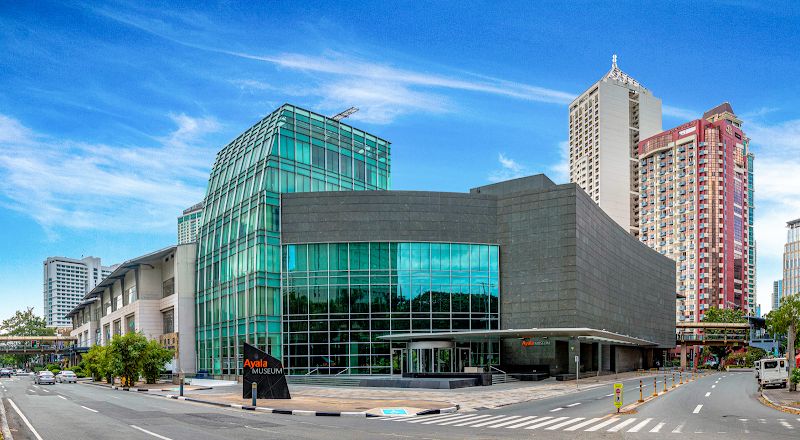
Ayala Museum
About Ayala Museum
Description
The Ayala Museum stands as one of the Philippines' premier cultural institutions, offering visitors an immersive journey through Filipino heritage that goes far beyond typical museum experiences. Located in the heart of Makati's bustling financial district, this privately-run museum has been captivating guests since 1967 with its remarkable collection of archaeological treasures, historical artifacts, and contemporary art pieces. What sets this museum apart from government-run institutions is its innovative approach to storytelling. The country's first digital gallery creates an interactive touchscreen experience that lets you dive deep into collections you might otherwise only glimpse behind glass. And honestly, after visiting countless museums where you're basically just staring at static displays, this hands-on approach feels refreshing. The museum houses an impressive array of exhibits spanning archaeology, ethnography, history, fine arts, numismatics, and ecclesiastical collections. But it's not just about showcasing artifacts - the Ayala Museum actively works to position contemporary Philippine art within the global cultural conversation, making it particularly valuable for travelers seeking authentic cultural understanding. The dioramas here deserve special mention. These aren't your elementary school science fair displays - they're meticulously crafted scenes that bring Philippine history to life in ways that textbooks simply can't match. You'll find yourself standing before miniature worlds that depict everything from pre-colonial life to Spanish conquest, each detail carefully researched and beautifully executed.Key Features
The Ayala Museum offers several distinctive features that make it a standout destination for cultural enthusiasts: • Digital Gallery Experience - The Philippines' first fully interactive digital gallery allows visitors to explore museum and library collections through advanced touchscreen technology, providing detailed information and multiple viewing angles of artifacts • Historical Dioramas - Expertly crafted miniature scenes depicting key moments in Philippine history, from pre-colonial civilizations through Spanish colonization and beyond • Archaeological Collections - Extensive displays of pre-Hispanic gold artifacts, pottery, and tools that showcase the sophisticated craftsmanship of ancient Filipino civilizations • Contemporary Art Exhibitions - Rotating displays featuring both established and emerging Filipino artists, positioned within international artistic movements • Research Library - A comprehensive collection of books, documents, and archival materials focusing on Philippine history, culture, and art • Educational Programs - Regular workshops, lectures, and guided tours designed for various age groups and interest levels • Accessibility Features - Wheelchair-accessible entrances, parking, and restrooms ensure the museum welcomes all visitors • Family-Friendly Amenities - Changing tables and kid-friendly exhibits make it suitable for families traveling with children • On-Site Restaurant - Dining facilities allow visitors to extend their cultural experience without leaving the premisesBest Time to Visit
Planning your visit to the Ayala Museum requires considering both Manila's climate and the museum's crowd patterns. The dry season, running from November through April, offers the most comfortable weather for getting around the city. But here's something most travel guides won't tell you - the museum's air conditioning makes it a perfect rainy season refuge too. Weekday mornings, particularly Tuesday through Thursday between 10 AM and noon, tend to be the quietest times. School groups often visit on weekdays, but they usually arrive after lunch, so you'll have a more peaceful experience if you arrive early. Weekend mornings can get busy with local families, though this actually adds to the atmosphere if you enjoy seeing how locals engage with their cultural heritage. Special exhibitions and events can significantly impact visitor numbers, so check the museum's calendar before your trip. The museum occasionally hosts evening events and workshops that offer unique perspectives on the collections - these are worth timing your visit around if possible. Consider spending at least 2-3 hours for a thorough visit. The digital gallery alone can easily consume an hour if you're genuinely interested in exploring the interactive features. And trust me, rushing through those historical dioramas would be doing yourself a disservice. Manila's notorious traffic means timing your arrival is crucial. If you're staying in other parts of Metro Manila, plan for potential delays, especially during rush hours (7-9 AM and 5-7 PM). The museum's location in Makati's central business district means traffic can be particularly challenging during these times.How to Get There
Getting to the Ayala Museum is relatively straightforward, though Manila's traffic can make any journey unpredictable. The museum sits right in Makati's central business district, making it accessible via multiple transportation options. The MRT (Metro Rail Transit) offers the most reliable option for avoiding traffic. Take the MRT-3 line to Ayala Station, then it's just a short walk to the museum. The station connects directly to several malls and office buildings in the area, so you won't have trouble finding your way. For those preferring taxis or ride-sharing services like Grab, simply tell your driver you're heading to the Ayala Museum in Makati. Most drivers know the location, but having the museum's name written in Filipino can help avoid confusion. Expect fare costs to vary significantly depending on traffic conditions and your starting point. Bus routes serve the Makati area extensively, though navigating Manila's bus system can be challenging for first-time visitors. The EDSA buses stop near Ayala Avenue, from where you can walk or take a short jeepney ride to the museum. If you're driving, the museum provides wheelchair-accessible parking, though spaces can be limited during peak hours. Keep in mind that Manila traffic can turn a 30-minute drive into a two-hour ordeal during rush hour, so plan accordingly. For international visitors staying in tourist areas like Ermita or Malate, budget about 45 minutes to an hour for travel time, assuming moderate traffic conditions. The journey from Ninoy Aquino International Airport typically takes 45 minutes to 1.5 hours, depending on traffic and your chosen transportation method.Tips for Visiting
Making the most of your Ayala Museum experience requires some insider knowledge that you won't find in typical guidebooks. First, bring a valid ID - the museum requires identification for entry, and this catches many international visitors off guard. The digital gallery deserves your full attention, but don't feel pressured to interact with every display. Focus on topics that genuinely interest you rather than trying to see everything. The touchscreen interfaces are intuitive, but take a moment to explore the menu options - many visitors miss the detailed zoom features and audio commentaries. Photography policies can be confusing. While general photography is allowed in most areas, certain special exhibitions may have restrictions. Always check with staff before taking photos, especially of temporary displays. The museum's lighting is designed for preservation, not photography, so don't expect Instagram-perfect lighting everywhere. The on-site restaurant serves decent Filipino cuisine and provides a convenient lunch break, but it's not particularly exceptional. Consider this more of a practical stop than a culinary destination. However, the museum shop offers unique souvenirs and books that you won't find elsewhere - their selection of Philippine art and history publications is particularly impressive. Guided tours are available and highly recommended, especially for first-time visitors. The guides possess deep knowledge about the collections and can provide context that enhances your understanding significantly. But don't feel obligated to stick with the group if something catches your particular interest. Comfortable walking shoes are essential. The museum spans multiple floors, and you'll be doing considerable standing and walking. The floors are polished and can be slippery, so avoid shoes with smooth soles. For families with young children, the museum provides changing tables and generally welcomes kids, but some exhibits might not hold their attention. The dioramas usually fascinate children, while the digital gallery can keep older kids engaged. Consider bringing small snacks, as museum visits can be tiring for little ones. Plan your visit around other Makati attractions. The museum's location makes it easy to combine with shopping at nearby malls or dining in the area's excellent restaurants. Many visitors underestimate how much time they'll spend at the museum and end up rushing through other planned activities. Finally, engage with the museum staff. They're generally knowledgeable and passionate about the collections, and many have fascinating insights about specific pieces or exhibits. Don't hesitate to ask questions - it often leads to discovering hidden gems within the collection that casual visitors miss entirely.Key Features
- Key Features
- Best Time to Visit
- How to Get There
- Tips for Visiting
More Details
Updated September 22, 2025
Table of Contents
Description
The Ayala Museum stands as one of the Philippines’ premier cultural institutions, offering visitors an immersive journey through Filipino heritage that goes far beyond typical museum experiences. Located in the heart of Makati’s bustling financial district, this privately-run museum has been captivating guests since 1967 with its remarkable collection of archaeological treasures, historical artifacts, and contemporary art pieces.
What sets this museum apart from government-run institutions is its innovative approach to storytelling. The country’s first digital gallery creates an interactive touchscreen experience that lets you dive deep into collections you might otherwise only glimpse behind glass. And honestly, after visiting countless museums where you’re basically just staring at static displays, this hands-on approach feels refreshing.
The museum houses an impressive array of exhibits spanning archaeology, ethnography, history, fine arts, numismatics, and ecclesiastical collections. But it’s not just about showcasing artifacts – the Ayala Museum actively works to position contemporary Philippine art within the global cultural conversation, making it particularly valuable for travelers seeking authentic cultural understanding.
The dioramas here deserve special mention. These aren’t your elementary school science fair displays – they’re meticulously crafted scenes that bring Philippine history to life in ways that textbooks simply can’t match. You’ll find yourself standing before miniature worlds that depict everything from pre-colonial life to Spanish conquest, each detail carefully researched and beautifully executed.
Key Features
The Ayala Museum offers several distinctive features that make it a standout destination for cultural enthusiasts:
• Digital Gallery Experience – The Philippines’ first fully interactive digital gallery allows visitors to explore museum and library collections through advanced touchscreen technology, providing detailed information and multiple viewing angles of artifacts
• Historical Dioramas – Expertly crafted miniature scenes depicting key moments in Philippine history, from pre-colonial civilizations through Spanish colonization and beyond
• Archaeological Collections – Extensive displays of pre-Hispanic gold artifacts, pottery, and tools that showcase the sophisticated craftsmanship of ancient Filipino civilizations
• Contemporary Art Exhibitions – Rotating displays featuring both established and emerging Filipino artists, positioned within international artistic movements
• Research Library – A comprehensive collection of books, documents, and archival materials focusing on Philippine history, culture, and art
• Educational Programs – Regular workshops, lectures, and guided tours designed for various age groups and interest levels
• Accessibility Features – Wheelchair-accessible entrances, parking, and restrooms ensure the museum welcomes all visitors
• Family-Friendly Amenities – Changing tables and kid-friendly exhibits make it suitable for families traveling with children
• On-Site Restaurant – Dining facilities allow visitors to extend their cultural experience without leaving the premises
Best Time to Visit
Planning your visit to the Ayala Museum requires considering both Manila’s climate and the museum’s crowd patterns. The dry season, running from November through April, offers the most comfortable weather for getting around the city. But here’s something most travel guides won’t tell you – the museum’s air conditioning makes it a perfect rainy season refuge too.
Weekday mornings, particularly Tuesday through Thursday between 10 AM and noon, tend to be the quietest times. School groups often visit on weekdays, but they usually arrive after lunch, so you’ll have a more peaceful experience if you arrive early. Weekend mornings can get busy with local families, though this actually adds to the atmosphere if you enjoy seeing how locals engage with their cultural heritage.
Special exhibitions and events can significantly impact visitor numbers, so check the museum’s calendar before your trip. The museum occasionally hosts evening events and workshops that offer unique perspectives on the collections – these are worth timing your visit around if possible.
Consider spending at least 2-3 hours for a thorough visit. The digital gallery alone can easily consume an hour if you’re genuinely interested in exploring the interactive features. And trust me, rushing through those historical dioramas would be doing yourself a disservice.
Manila’s notorious traffic means timing your arrival is crucial. If you’re staying in other parts of Metro Manila, plan for potential delays, especially during rush hours (7-9 AM and 5-7 PM). The museum’s location in Makati’s central business district means traffic can be particularly challenging during these times.
How to Get There
Getting to the Ayala Museum is relatively straightforward, though Manila’s traffic can make any journey unpredictable. The museum sits right in Makati’s central business district, making it accessible via multiple transportation options.
The MRT (Metro Rail Transit) offers the most reliable option for avoiding traffic. Take the MRT-3 line to Ayala Station, then it’s just a short walk to the museum. The station connects directly to several malls and office buildings in the area, so you won’t have trouble finding your way.
For those preferring taxis or ride-sharing services like Grab, simply tell your driver you’re heading to the Ayala Museum in Makati. Most drivers know the location, but having the museum’s name written in Filipino can help avoid confusion. Expect fare costs to vary significantly depending on traffic conditions and your starting point.
Bus routes serve the Makati area extensively, though navigating Manila’s bus system can be challenging for first-time visitors. The EDSA buses stop near Ayala Avenue, from where you can walk or take a short jeepney ride to the museum.
If you’re driving, the museum provides wheelchair-accessible parking, though spaces can be limited during peak hours. Keep in mind that Manila traffic can turn a 30-minute drive into a two-hour ordeal during rush hour, so plan accordingly.
For international visitors staying in tourist areas like Ermita or Malate, budget about 45 minutes to an hour for travel time, assuming moderate traffic conditions. The journey from Ninoy Aquino International Airport typically takes 45 minutes to 1.5 hours, depending on traffic and your chosen transportation method.
Tips for Visiting
Making the most of your Ayala Museum experience requires some insider knowledge that you won’t find in typical guidebooks. First, bring a valid ID – the museum requires identification for entry, and this catches many international visitors off guard.
The digital gallery deserves your full attention, but don’t feel pressured to interact with every display. Focus on topics that genuinely interest you rather than trying to see everything. The touchscreen interfaces are intuitive, but take a moment to explore the menu options – many visitors miss the detailed zoom features and audio commentaries.
Photography policies can be confusing. While general photography is allowed in most areas, certain special exhibitions may have restrictions. Always check with staff before taking photos, especially of temporary displays. The museum’s lighting is designed for preservation, not photography, so don’t expect Instagram-perfect lighting everywhere.
The on-site restaurant serves decent Filipino cuisine and provides a convenient lunch break, but it’s not particularly exceptional. Consider this more of a practical stop than a culinary destination. However, the museum shop offers unique souvenirs and books that you won’t find elsewhere – their selection of Philippine art and history publications is particularly impressive.
Guided tours are available and highly recommended, especially for first-time visitors. The guides possess deep knowledge about the collections and can provide context that enhances your understanding significantly. But don’t feel obligated to stick with the group if something catches your particular interest.
Comfortable walking shoes are essential. The museum spans multiple floors, and you’ll be doing considerable standing and walking. The floors are polished and can be slippery, so avoid shoes with smooth soles.
For families with young children, the museum provides changing tables and generally welcomes kids, but some exhibits might not hold their attention. The dioramas usually fascinate children, while the digital gallery can keep older kids engaged. Consider bringing small snacks, as museum visits can be tiring for little ones.
Plan your visit around other Makati attractions. The museum’s location makes it easy to combine with shopping at nearby malls or dining in the area’s excellent restaurants. Many visitors underestimate how much time they’ll spend at the museum and end up rushing through other planned activities.
Finally, engage with the museum staff. They’re generally knowledgeable and passionate about the collections, and many have fascinating insights about specific pieces or exhibits. Don’t hesitate to ask questions – it often leads to discovering hidden gems within the collection that casual visitors miss entirely.
Key Highlights
- Key Features
- Best Time to Visit
- How to Get There
- Tips for Visiting
Location
Places to Stay Near Ayala Museum
Find and Book a Tour
Explore More Travel Guides
No reviews found! Be the first to review!
Traveler Reviews for Ayala Museum
There are no reviews yet. Be the first one to write one.
Have you visited Ayala Museum? Help other travelers by sharing your review.
You Might Also Like
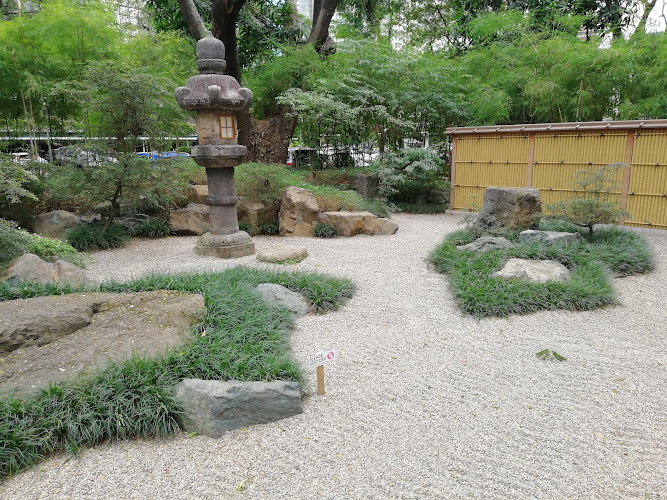
Washington Sycip Park
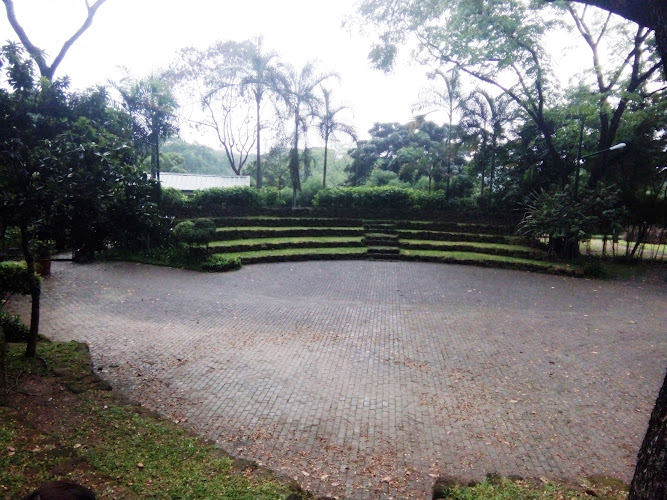
Kasalikasan Garden
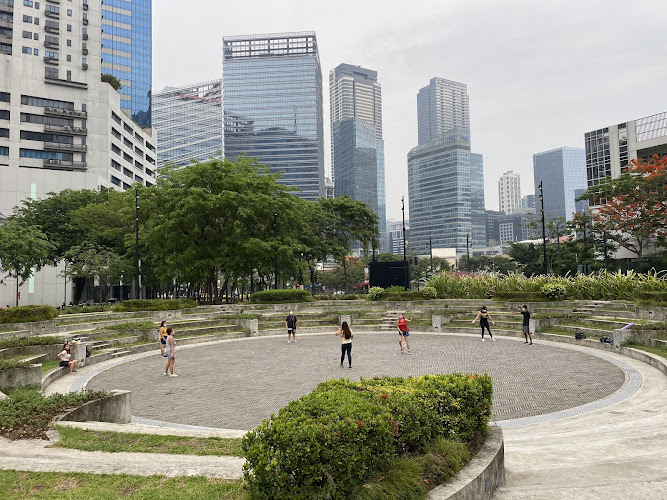
Alveo Central Plaza
Find Accommodations Nearby
Recommended Tours & Activities
Visitor Reviews
There are no reviews yet. Be the first one to write one.
Share Your Experience
Have you visited Ayala Museum? Help other travelers by leaving a review.