
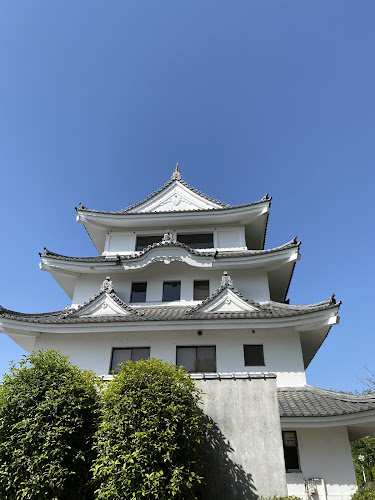
Asahi Castle
About Asahi Castle
Description
Asahi Castle stands as a quietly proud reminder of Japan’s feudal past, a place where history whispers through the wooden beams and stone walls. Unlike some of the flashier castles that get all the tourist buzz, Asahi Castle offers a more laid-back, authentic experience—you won’t find crowds elbowing each other for the perfect selfie spot here, which is honestly a breath of fresh air. It’s one of those gems where you can actually feel the weight of time without the distraction of tourist traps.
The castle’s tenshu, or main keep, is modest compared to the grandiose fortresses you might have seen in Kyoto or Himeji, but that’s part of its charm. It’s a place that invites you to slow down and soak in the atmosphere rather than rush through. Families with kids seem to appreciate it too, since it’s not overwhelming or too sprawling—just enough space for little ones to roam without getting bored or exhausted.
Now, don’t expect a castle that’s been fully restored to its original glory with all the bells and whistles. Asahi Castle has a humble vibe, with some parts reconstructed, others left as ruins, giving it a sort of rugged authenticity. You can almost imagine samurai strategizing here or hear the clatter of armor during a distant battle. The surrounding grounds are peaceful, often dotted with seasonal flowers and trees, making it a pleasant spot for a stroll or a picnic if you’re up for it.
One thing that surprised me was how the castle’s history is quietly woven into the local culture. The nearby town embraces the castle’s legacy, and you can feel that connection when wandering through the streets or chatting with locals. It’s not just a tourist site; it’s a living piece of heritage that locals respect and cherish.
So, while Asahi Castle might not blow your mind with grandeur, it offers a genuine, low-key experience that’s perfect if you’re after something a bit off the beaten path yet still rich in history and atmosphere. It’s the kind of place where you can let your imagination run wild and maybe even catch a glimpse of Japan’s past in a way that feels personal and real.
Key Features
- Historic tenshu (main keep) showcasing traditional Japanese castle architecture
- Family-friendly environment with safe, accessible grounds for children
- Quiet, less crowded atmosphere perfect for reflective walks and photography
- Seasonal flora that enhances the castle grounds, especially during cherry blossom and autumn leaf seasons
- Informative displays and signage that provide context without overwhelming visitors
- Nearby local shops and eateries offering regional specialties and souvenirs
- Well-preserved stone walls and moats that hint at the castle’s defensive past
- Opportunities for guided tours, often led by passionate locals who share fascinating stories
Best Time to Visit
Picking the right time to visit Asahi Castle really depends on what you want from your trip. If you’re a sucker for nature’s showmanship, spring and autumn are hands down the best seasons. Cherry blossoms in spring drape the castle grounds in soft pinks and whites, creating a dreamy scene that’s just begging for a slow, meandering walk. Autumn, on the other hand, turns the area into a fiery canvas of reds, oranges, and yellows. It’s the kind of place that makes you want to sit on a bench and just soak it all in for hours.
Summer can get a bit warm and humid, which might be a dealbreaker if you’re not used to that sticky feeling. But hey, if you don’t mind sweating a little, the lush greenery around the castle is at its fullest, and the longer daylight hours give you more time to explore. Winter visits are quieter still, and while the castle isn’t snow-covered like some northern spots, the crisp air and bare trees lend a stark beauty that’s quite different but equally compelling.
Weekdays tend to be less busy, so if you can swing it, avoid weekends and national holidays. Early mornings are especially peaceful, and you might even get the place almost to yourself, which is a rare treat for a historical site.
How to Get There
Getting to Asahi Castle is pretty straightforward, but it does require a bit of planning since it’s not smack dab in the middle of a big city. Most travelers find it easiest to make their way to the nearest major train station, which connects to regional lines. From there, local buses or taxis can whisk you to the castle grounds.
If you’re the kind of traveler who loves a good walk, the castle is reachable on foot from the town center, and the stroll itself is a nice way to get a feel for the local vibe. Just keep in mind the terrain can be a little hilly in spots, so comfy shoes are a must. For those driving, there’s usually parking nearby, but it’s not huge, so getting there earlier in the day is a smart move.
One thing I always recommend is checking the local bus schedules ahead of time, especially if you’re visiting during off-peak seasons. Public transport can be a bit sparse, and you don’t want to find yourself stuck waiting in the cold or heat. Also, if you’re coming from a major city like Tokyo or Osaka, consider making a day trip out of it or even staying overnight in the nearby town to soak in more of the local culture.
Tips for Visiting
Alright, so you’re gearing up for a trip to Asahi Castle—here are some nuggets of wisdom I picked up along the way that might save you a headache or two.
- Wear comfortable shoes. The castle grounds have uneven paths and some steep inclines. Trust me, your feet will thank you.
- Bring cash. Some of the smaller shops and eateries nearby might not take cards, and ATMs can be scarce.
- Don’t rush. This isn’t a place to tick off a checklist. Take your time to explore the nooks and crannies, sit on a bench, watch the clouds drift by—it’s surprisingly meditative.
- Check the weather forecast. Rain can make the paths slippery, and while the castle looks moody in the rain, it’s not always fun to hike around in soggy shoes.
- Try the local snacks. The town around Asahi Castle has some fantastic regional treats. I once stumbled upon a tiny shop selling homemade rice crackers that were out of this world.
- Bring a camera or a notebook. The views and details are subtle but rewarding if you pay attention. I found myself sketching a few stone wall patterns just because they were so interesting.
- Visit early or late in the day. To avoid crowds and catch the best light for photos, mornings and late afternoons are golden hours here.
- Engage with locals. If you get the chance, chat with the guides or shopkeepers. They often have stories and tidbits that don’t make it into the guidebooks.
In the end, Asahi Castle isn’t about flashy spectacle or huge crowds. It’s about stepping into a quieter slice of history, feeling the layers of time beneath your feet, and maybe, just maybe, imagining the lives of those who once called this place home. If that sounds like your kind of adventure, then you’re in for a treat.
Key Features
- Historic tenshu (main keep) showcasing traditional Japanese castle architecture
- Family-friendly environment with safe, accessible grounds for children
- Quiet, less crowded atmosphere perfect for reflective walks and photography
- Seasonal flora that enhances the castle grounds, especially during cherry blossom and autumn leaf seasons
- Informative displays and signage that provide context without overwhelming visitors
- Nearby local shops and eateries offering regional specialties and souvenirs
- Well-preserved stone walls and moats that hint at the castle’s defensive past
- Opportunities for guided tours, often led by passionate locals who share fascinating stories
More Details
Updated July 13, 2025
Table of Contents
Description
Asahi Castle stands as a quietly proud reminder of Japan’s feudal past, a place where history whispers through the wooden beams and stone walls. Unlike some of the flashier castles that get all the tourist buzz, Asahi Castle offers a more laid-back, authentic experience—you won’t find crowds elbowing each other for the perfect selfie spot here, which is honestly a breath of fresh air. It’s one of those gems where you can actually feel the weight of time without the distraction of tourist traps.
The castle’s tenshu, or main keep, is modest compared to the grandiose fortresses you might have seen in Kyoto or Himeji, but that’s part of its charm. It’s a place that invites you to slow down and soak in the atmosphere rather than rush through. Families with kids seem to appreciate it too, since it’s not overwhelming or too sprawling—just enough space for little ones to roam without getting bored or exhausted.
Now, don’t expect a castle that’s been fully restored to its original glory with all the bells and whistles. Asahi Castle has a humble vibe, with some parts reconstructed, others left as ruins, giving it a sort of rugged authenticity. You can almost imagine samurai strategizing here or hear the clatter of armor during a distant battle. The surrounding grounds are peaceful, often dotted with seasonal flowers and trees, making it a pleasant spot for a stroll or a picnic if you’re up for it.
One thing that surprised me was how the castle’s history is quietly woven into the local culture. The nearby town embraces the castle’s legacy, and you can feel that connection when wandering through the streets or chatting with locals. It’s not just a tourist site; it’s a living piece of heritage that locals respect and cherish.
So, while Asahi Castle might not blow your mind with grandeur, it offers a genuine, low-key experience that’s perfect if you’re after something a bit off the beaten path yet still rich in history and atmosphere. It’s the kind of place where you can let your imagination run wild and maybe even catch a glimpse of Japan’s past in a way that feels personal and real.
Key Features
- Historic tenshu (main keep) showcasing traditional Japanese castle architecture
- Family-friendly environment with safe, accessible grounds for children
- Quiet, less crowded atmosphere perfect for reflective walks and photography
- Seasonal flora that enhances the castle grounds, especially during cherry blossom and autumn leaf seasons
- Informative displays and signage that provide context without overwhelming visitors
- Nearby local shops and eateries offering regional specialties and souvenirs
- Well-preserved stone walls and moats that hint at the castle’s defensive past
- Opportunities for guided tours, often led by passionate locals who share fascinating stories
Best Time to Visit
Picking the right time to visit Asahi Castle really depends on what you want from your trip. If you’re a sucker for nature’s showmanship, spring and autumn are hands down the best seasons. Cherry blossoms in spring drape the castle grounds in soft pinks and whites, creating a dreamy scene that’s just begging for a slow, meandering walk. Autumn, on the other hand, turns the area into a fiery canvas of reds, oranges, and yellows. It’s the kind of place that makes you want to sit on a bench and just soak it all in for hours.
Summer can get a bit warm and humid, which might be a dealbreaker if you’re not used to that sticky feeling. But hey, if you don’t mind sweating a little, the lush greenery around the castle is at its fullest, and the longer daylight hours give you more time to explore. Winter visits are quieter still, and while the castle isn’t snow-covered like some northern spots, the crisp air and bare trees lend a stark beauty that’s quite different but equally compelling.
Weekdays tend to be less busy, so if you can swing it, avoid weekends and national holidays. Early mornings are especially peaceful, and you might even get the place almost to yourself, which is a rare treat for a historical site.
How to Get There
Getting to Asahi Castle is pretty straightforward, but it does require a bit of planning since it’s not smack dab in the middle of a big city. Most travelers find it easiest to make their way to the nearest major train station, which connects to regional lines. From there, local buses or taxis can whisk you to the castle grounds.
If you’re the kind of traveler who loves a good walk, the castle is reachable on foot from the town center, and the stroll itself is a nice way to get a feel for the local vibe. Just keep in mind the terrain can be a little hilly in spots, so comfy shoes are a must. For those driving, there’s usually parking nearby, but it’s not huge, so getting there earlier in the day is a smart move.
One thing I always recommend is checking the local bus schedules ahead of time, especially if you’re visiting during off-peak seasons. Public transport can be a bit sparse, and you don’t want to find yourself stuck waiting in the cold or heat. Also, if you’re coming from a major city like Tokyo or Osaka, consider making a day trip out of it or even staying overnight in the nearby town to soak in more of the local culture.
Tips for Visiting
Alright, so you’re gearing up for a trip to Asahi Castle—here are some nuggets of wisdom I picked up along the way that might save you a headache or two.
- Wear comfortable shoes. The castle grounds have uneven paths and some steep inclines. Trust me, your feet will thank you.
- Bring cash. Some of the smaller shops and eateries nearby might not take cards, and ATMs can be scarce.
- Don’t rush. This isn’t a place to tick off a checklist. Take your time to explore the nooks and crannies, sit on a bench, watch the clouds drift by—it’s surprisingly meditative.
- Check the weather forecast. Rain can make the paths slippery, and while the castle looks moody in the rain, it’s not always fun to hike around in soggy shoes.
- Try the local snacks. The town around Asahi Castle has some fantastic regional treats. I once stumbled upon a tiny shop selling homemade rice crackers that were out of this world.
- Bring a camera or a notebook. The views and details are subtle but rewarding if you pay attention. I found myself sketching a few stone wall patterns just because they were so interesting.
- Visit early or late in the day. To avoid crowds and catch the best light for photos, mornings and late afternoons are golden hours here.
- Engage with locals. If you get the chance, chat with the guides or shopkeepers. They often have stories and tidbits that don’t make it into the guidebooks.
In the end, Asahi Castle isn’t about flashy spectacle or huge crowds. It’s about stepping into a quieter slice of history, feeling the layers of time beneath your feet, and maybe, just maybe, imagining the lives of those who once called this place home. If that sounds like your kind of adventure, then you’re in for a treat.
Key Highlights
- Historic tenshu (main keep) showcasing traditional Japanese castle architecture
- Family-friendly environment with safe, accessible grounds for children
- Quiet, less crowded atmosphere perfect for reflective walks and photography
- Seasonal flora that enhances the castle grounds, especially during cherry blossom and autumn leaf seasons
- Informative displays and signage that provide context without overwhelming visitors
- Nearby local shops and eateries offering regional specialties and souvenirs
- Well-preserved stone walls and moats that hint at the castle’s defensive past
- Opportunities for guided tours, often led by passionate locals who share fascinating stories
Location
Places to Stay Near Asahi Castle
Find and Book a Tour
Explore More Travel Guides
No reviews found! Be the first to review!
Traveler Reviews for Asahi Castle
There are no reviews yet. Be the first one to write one.
Have you visited Asahi Castle? Help other travelers by sharing your review.
You Might Also Like

Aichi Prefecture Forest Park
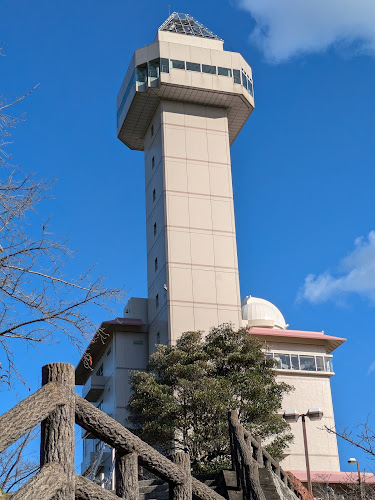
Skyward Asahi
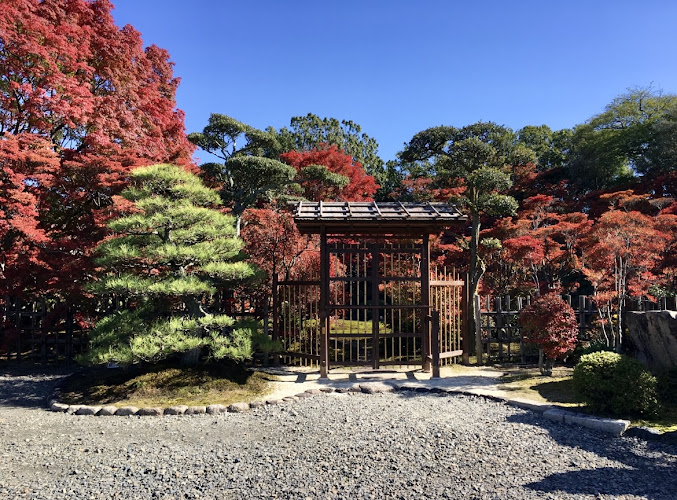
Dodantei
Find Accommodations Nearby
Recommended Tours & Activities
Visitor Reviews
There are no reviews yet. Be the first one to write one.
Share Your Experience
Have you visited Asahi Castle? Help other travelers by leaving a review.