
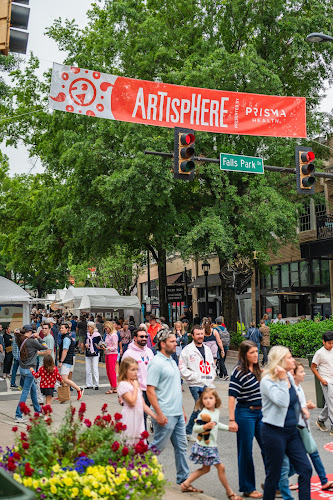
Artisphere
About Artisphere
Description
The Artisphere stands as a unique cultural destination that brings together creative expression, community engagement, and artistic discovery under one roof. This multi-faceted venue serves as both a festival space and an arts organization, offering travelers an immersive experience into the local creative scene that you won't find in your typical tourist guidebook. When I first heard about places like this, I'll admit I was skeptical—how many times have we all been promised an "authentic arts experience" only to find something that feels manufactured? But the Artisphere operates differently, functioning as a living, breathing hub where artists and visitors genuinely connect. What makes this attraction particularly appealing for travelers is its ability to transform throughout the year. Unlike static museums where the exhibits remain unchanged for months, this venue pulses with energy from rotating events, performances, and installations. You're not just looking at art behind velvet ropes here. The space encourages participation and interaction, making it ideal for families traveling with children who need more than passive observation to stay engaged. And honestly, adults appreciate that hands-on approach too—there's something refreshing about being invited to touch, create, and explore rather than just observe from a distance. The organization has built its reputation on accessibility in every sense of the word. The facility welcomes visitors of all abilities with thoughtful accommodations throughout, and the programming ranges from high-concept installations to approachable workshops that don't require any prior artistic knowledge. It's the kind of place where a complete novice feels just as welcome as someone with an MFA.Key Features
- Complete wheelchair accessibility including entrance, parking areas, and restroom facilities, ensuring all visitors can fully experience the venue
- Year-round rotating exhibitions featuring regional and national artists across multiple mediums including visual arts, sculpture, and multimedia installations
- Interactive programming designed specifically for families and young visitors, with hands-on activities that encourage creative exploration
- Festival events that celebrate various artistic disciplines, bringing together performers, visual artists, and musicians in collaborative presentations
- Educational workshops and classes that allow visitors to try their hand at different artistic techniques under professional guidance
- Performance spaces that host theater productions, dance performances, and live music events throughout the year
- Climate-controlled indoor facilities that provide comfortable viewing conditions regardless of weather
- On-site restroom facilities and modern amenities that make extended visits comfortable
- Flexible payment options accepting both credit and debit cards for admission and any merchandise or workshop fees
- Community-focused programming that connects travelers with local artists and provides insight into regional creative traditions
Best Time to Visit
Timing your visit to the Artisphere really depends on what kind of experience you're after, and I've learned through talking with folks who've been multiple times that each season offers something distinct. The venue operates year-round, which is a huge advantage for travelers whose vacation dates are locked in by work schedules or school breaks. If you're traveling with kids, weekday afternoons during the school year tend to be quieter, giving your family more space to explore without crowds. But weekends bring special programming and workshops that might be worth the extra people. I remember a friend telling me she specifically planned her family's trip around one of the weekend workshops, and her daughter still talks about the pottery class they took together two years later. Festival periods represent the most dynamic times to visit, though you'll want to check the organization's event calendar before finalizing your travel plans. These festivals typically occur during spring and fall months when weather cooperates for any outdoor components. During these peak times, you'll find expanded hours, special guest artists, and performances that only happen once or twice annually. The atmosphere shifts during festivals—there's this palpable excitement that makes even casual observers feel like they're part of something special. Summer months attract families on vacation, so expect higher attendance but also extended programming designed for younger visitors. The air conditioning alone makes it a worthwhile escape from hot afternoons when you need a break from outdoor activities. Winter visits offer a more contemplative atmosphere with smaller crowds, perfect for travelers who prefer leisurely exploration without rushed timelines. Early mornings right when doors open provide the most peaceful experience regardless of season. You'll have exhibits largely to yourself and can spend as much time as you want with pieces that speak to you without feeling like you're holding up a line. Late afternoons work well too, particularly on weekdays when tour groups have cleared out but you still have a couple hours before closing.How to Get There
Getting to the Artisphere requires a bit of planning, but the journey is straightforward once you know your options. For travelers flying into the region, you'll want to arrange ground transportation as the venue isn't directly accessible by major airports. Rental cars provide the most flexibility, allowing you to explore surrounding areas and operate on your own schedule—something I always prefer when visiting arts districts where you might want to extend your stay if something catches your interest. The facility offers dedicated parking with accessible spaces close to the entrance, which removes one of the usual headaches associated with urban cultural venues. You won't be circling blocks looking for street parking or feeding meters every two hours. This convenience particularly matters for families with young children or visitors with mobility concerns who don't want a long walk before even entering the building. Ride-sharing services operate in the area and can drop you directly at the entrance. This option works well if you're staying at a nearby hotel and don't want to deal with parking at all. Just be aware that pickup times might vary depending on driver availability, so build in some buffer time if you have other plans that day. For travelers who enjoy walking or cycling, the surrounding neighborhood generally offers pedestrian-friendly routes, though you'll want to familiarize yourself with the specific streets in advance. I'm always a fan of walking to cultural venues when possible—you see more of the local character and stumble upon unexpected discoveries along the way. Public transportation options depend on your specific starting point, and honestly, this varies enough that you'll want to map out routes before your travel day. Some visitors find bus routes convenient while others prefer the directness of personal vehicles. The key is checking current schedules and routes rather than assuming service runs frequently, particularly on weekends when many transit systems reduce frequency.Tips for Visiting
First things first—don't try to rush through this place. I know that goes against every instinct when you're traveling and trying to check off multiple attractions in one day, but the Artisphere rewards slow exploration. Budget at least two to three hours for a meaningful visit, though you could easily spend longer if exhibitions particularly resonate with you or if special programming is happening. Bring the kids without hesitation but set expectations beforehand about indoor voices and respectful behavior around artworks. The staff creates welcoming environments for families, but teaching moments about art appreciation work better when you've already discussed them in the car rather than frantically whispering corrections in galleries. That said, the interactive elements give children legitimate outlets for energy, so don't stress about keeping them museum-quiet for hours. Wear comfortable shoes because you'll be on your feet more than you might expect. The facility layout encourages wandering between different spaces, and once you get absorbed in exhibits, you'll cover more ground than planned. Also, layers help since climate control varies between different areas and your own temperature preferences might conflict with whatever the thermostat says. Check the event calendar before your visit and I mean really look at it closely. The programming changes frequently enough that you might discover a workshop, performance, or artist talk happening during your planned visit. Some of these require advance registration or have limited capacity, so identifying them early prevents disappointment. Nothing's worse than finding out about an amazing hands-on session that filled up three days ago. Photography policies vary depending on current exhibitions, so ask staff about rules before you start snapping pictures. Some artists permit photography while others don't, and you'll want to respect those boundaries. When photos are allowed, natural lighting in certain galleries creates gorgeous conditions for capturing artwork—though honestly, sometimes it's better to just experience things without a camera lens between you and the art. Plan your visit around meal times because while the venue has restrooms and basic amenities, food options might be limited depending on when you go. Eating before or after your visit gives you more flexibility and prevents hangry meltdowns from travel companions. Though I have to say, exploring the surrounding area for local restaurants often leads to the best meal discoveries anyway. Don't skip the less obvious spaces or smaller exhibits tucked into corners. Some of the most memorable pieces hide in unexpected places, and the layout sometimes creates these intimate viewing experiences that feel almost private. Travelers often gravitate toward main galleries and miss quieter installations that offer different perspectives. Consider visiting more than once if your travel schedule allows it. The rotating nature of programming means return visits provide fresh experiences, and I've heard from multiple people that their second visit revealed aspects they completely missed the first time around. Plus, once you understand the layout and flow, you can dive deeper into specific areas that interest you most. Engage with staff members who are usually knowledgeable about both current exhibitions and the broader local arts scene. They can point you toward upcoming events, suggest other cultural attractions in the area, and provide context that enriches your understanding of what you're seeing. These conversations often become unexpected highlights of the visit. Finally, approach your visit with openness to surprise. Not every piece will speak to you, and that's perfectly fine—art appreciation is deeply personal. But allowing yourself to sit with uncomfortable reactions or confusing installations sometimes leads to the most meaningful experiences. You might discover artists or styles you never knew you connected with, and isn't that discovery what makes travel worthwhile?Key Features
- 140+ juried visual artists across multiple mediums (ceramics, glass, jewelry, painting, photography)
- Live music stages and performance programming
- Interactive artist demonstrations and hands-on workshops
- Central downtown Greenville setting near Falls Park on the Reedy
- Family-friendly activities and local food vendors
More Details
Updated January 18, 2026
Table of Contents
Description
The Artisphere stands as a unique cultural destination that brings together creative expression, community engagement, and artistic discovery under one roof. This multi-faceted venue serves as both a festival space and an arts organization, offering travelers an immersive experience into the local creative scene that you won’t find in your typical tourist guidebook. When I first heard about places like this, I’ll admit I was skeptical—how many times have we all been promised an “authentic arts experience” only to find something that feels manufactured? But the Artisphere operates differently, functioning as a living, breathing hub where artists and visitors genuinely connect.
What makes this attraction particularly appealing for travelers is its ability to transform throughout the year. Unlike static museums where the exhibits remain unchanged for months, this venue pulses with energy from rotating events, performances, and installations. You’re not just looking at art behind velvet ropes here. The space encourages participation and interaction, making it ideal for families traveling with children who need more than passive observation to stay engaged. And honestly, adults appreciate that hands-on approach too—there’s something refreshing about being invited to touch, create, and explore rather than just observe from a distance.
The organization has built its reputation on accessibility in every sense of the word. The facility welcomes visitors of all abilities with thoughtful accommodations throughout, and the programming ranges from high-concept installations to approachable workshops that don’t require any prior artistic knowledge. It’s the kind of place where a complete novice feels just as welcome as someone with an MFA.
Key Features
- Complete wheelchair accessibility including entrance, parking areas, and restroom facilities, ensuring all visitors can fully experience the venue
- Year-round rotating exhibitions featuring regional and national artists across multiple mediums including visual arts, sculpture, and multimedia installations
- Interactive programming designed specifically for families and young visitors, with hands-on activities that encourage creative exploration
- Festival events that celebrate various artistic disciplines, bringing together performers, visual artists, and musicians in collaborative presentations
- Educational workshops and classes that allow visitors to try their hand at different artistic techniques under professional guidance
- Performance spaces that host theater productions, dance performances, and live music events throughout the year
- Climate-controlled indoor facilities that provide comfortable viewing conditions regardless of weather
- On-site restroom facilities and modern amenities that make extended visits comfortable
- Flexible payment options accepting both credit and debit cards for admission and any merchandise or workshop fees
- Community-focused programming that connects travelers with local artists and provides insight into regional creative traditions
Best Time to Visit
Timing your visit to the Artisphere really depends on what kind of experience you’re after, and I’ve learned through talking with folks who’ve been multiple times that each season offers something distinct. The venue operates year-round, which is a huge advantage for travelers whose vacation dates are locked in by work schedules or school breaks.
If you’re traveling with kids, weekday afternoons during the school year tend to be quieter, giving your family more space to explore without crowds. But weekends bring special programming and workshops that might be worth the extra people. I remember a friend telling me she specifically planned her family’s trip around one of the weekend workshops, and her daughter still talks about the pottery class they took together two years later.
Festival periods represent the most dynamic times to visit, though you’ll want to check the organization’s event calendar before finalizing your travel plans. These festivals typically occur during spring and fall months when weather cooperates for any outdoor components. During these peak times, you’ll find expanded hours, special guest artists, and performances that only happen once or twice annually. The atmosphere shifts during festivals—there’s this palpable excitement that makes even casual observers feel like they’re part of something special.
Summer months attract families on vacation, so expect higher attendance but also extended programming designed for younger visitors. The air conditioning alone makes it a worthwhile escape from hot afternoons when you need a break from outdoor activities. Winter visits offer a more contemplative atmosphere with smaller crowds, perfect for travelers who prefer leisurely exploration without rushed timelines.
Early mornings right when doors open provide the most peaceful experience regardless of season. You’ll have exhibits largely to yourself and can spend as much time as you want with pieces that speak to you without feeling like you’re holding up a line. Late afternoons work well too, particularly on weekdays when tour groups have cleared out but you still have a couple hours before closing.
How to Get There
Getting to the Artisphere requires a bit of planning, but the journey is straightforward once you know your options. For travelers flying into the region, you’ll want to arrange ground transportation as the venue isn’t directly accessible by major airports. Rental cars provide the most flexibility, allowing you to explore surrounding areas and operate on your own schedule—something I always prefer when visiting arts districts where you might want to extend your stay if something catches your interest.
The facility offers dedicated parking with accessible spaces close to the entrance, which removes one of the usual headaches associated with urban cultural venues. You won’t be circling blocks looking for street parking or feeding meters every two hours. This convenience particularly matters for families with young children or visitors with mobility concerns who don’t want a long walk before even entering the building.
Ride-sharing services operate in the area and can drop you directly at the entrance. This option works well if you’re staying at a nearby hotel and don’t want to deal with parking at all. Just be aware that pickup times might vary depending on driver availability, so build in some buffer time if you have other plans that day.
For travelers who enjoy walking or cycling, the surrounding neighborhood generally offers pedestrian-friendly routes, though you’ll want to familiarize yourself with the specific streets in advance. I’m always a fan of walking to cultural venues when possible—you see more of the local character and stumble upon unexpected discoveries along the way.
Public transportation options depend on your specific starting point, and honestly, this varies enough that you’ll want to map out routes before your travel day. Some visitors find bus routes convenient while others prefer the directness of personal vehicles. The key is checking current schedules and routes rather than assuming service runs frequently, particularly on weekends when many transit systems reduce frequency.
Tips for Visiting
First things first—don’t try to rush through this place. I know that goes against every instinct when you’re traveling and trying to check off multiple attractions in one day, but the Artisphere rewards slow exploration. Budget at least two to three hours for a meaningful visit, though you could easily spend longer if exhibitions particularly resonate with you or if special programming is happening.
Bring the kids without hesitation but set expectations beforehand about indoor voices and respectful behavior around artworks. The staff creates welcoming environments for families, but teaching moments about art appreciation work better when you’ve already discussed them in the car rather than frantically whispering corrections in galleries. That said, the interactive elements give children legitimate outlets for energy, so don’t stress about keeping them museum-quiet for hours.
Wear comfortable shoes because you’ll be on your feet more than you might expect. The facility layout encourages wandering between different spaces, and once you get absorbed in exhibits, you’ll cover more ground than planned. Also, layers help since climate control varies between different areas and your own temperature preferences might conflict with whatever the thermostat says.
Check the event calendar before your visit and I mean really look at it closely. The programming changes frequently enough that you might discover a workshop, performance, or artist talk happening during your planned visit. Some of these require advance registration or have limited capacity, so identifying them early prevents disappointment. Nothing’s worse than finding out about an amazing hands-on session that filled up three days ago.
Photography policies vary depending on current exhibitions, so ask staff about rules before you start snapping pictures. Some artists permit photography while others don’t, and you’ll want to respect those boundaries. When photos are allowed, natural lighting in certain galleries creates gorgeous conditions for capturing artwork—though honestly, sometimes it’s better to just experience things without a camera lens between you and the art.
Plan your visit around meal times because while the venue has restrooms and basic amenities, food options might be limited depending on when you go. Eating before or after your visit gives you more flexibility and prevents hangry meltdowns from travel companions. Though I have to say, exploring the surrounding area for local restaurants often leads to the best meal discoveries anyway.
Don’t skip the less obvious spaces or smaller exhibits tucked into corners. Some of the most memorable pieces hide in unexpected places, and the layout sometimes creates these intimate viewing experiences that feel almost private. Travelers often gravitate toward main galleries and miss quieter installations that offer different perspectives.
Consider visiting more than once if your travel schedule allows it. The rotating nature of programming means return visits provide fresh experiences, and I’ve heard from multiple people that their second visit revealed aspects they completely missed the first time around. Plus, once you understand the layout and flow, you can dive deeper into specific areas that interest you most.
Engage with staff members who are usually knowledgeable about both current exhibitions and the broader local arts scene. They can point you toward upcoming events, suggest other cultural attractions in the area, and provide context that enriches your understanding of what you’re seeing. These conversations often become unexpected highlights of the visit.
Finally, approach your visit with openness to surprise. Not every piece will speak to you, and that’s perfectly fine—art appreciation is deeply personal. But allowing yourself to sit with uncomfortable reactions or confusing installations sometimes leads to the most meaningful experiences. You might discover artists or styles you never knew you connected with, and isn’t that discovery what makes travel worthwhile?
Key Highlights
- 140+ juried visual artists across multiple mediums (ceramics, glass, jewelry, painting, photography)
- Live music stages and performance programming
- Interactive artist demonstrations and hands-on workshops
- Central downtown Greenville setting near Falls Park on the Reedy
- Family-friendly activities and local food vendors
Location
Places to Stay Near Artisphere
Find and Book a Tour
Explore More Travel Guides
No reviews found! Be the first to review!
Traveler Reviews for Artisphere
There are no reviews yet. Be the first one to write one.
Have you visited Artisphere? Help other travelers by sharing your review.
Nearby Attractions
You Might Also Like
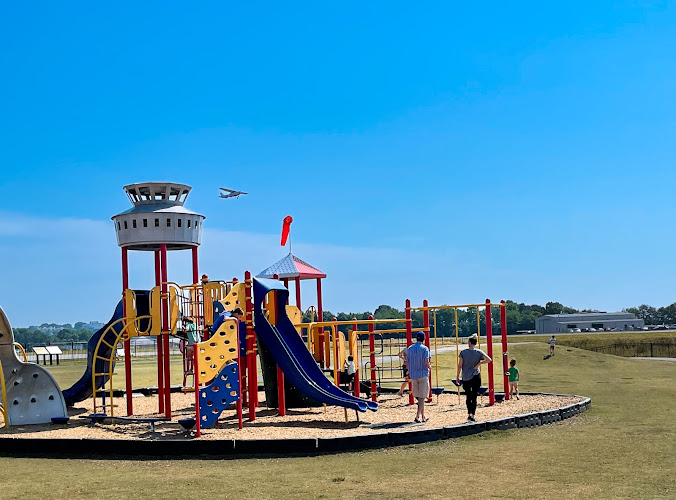
Runway Park at GMU
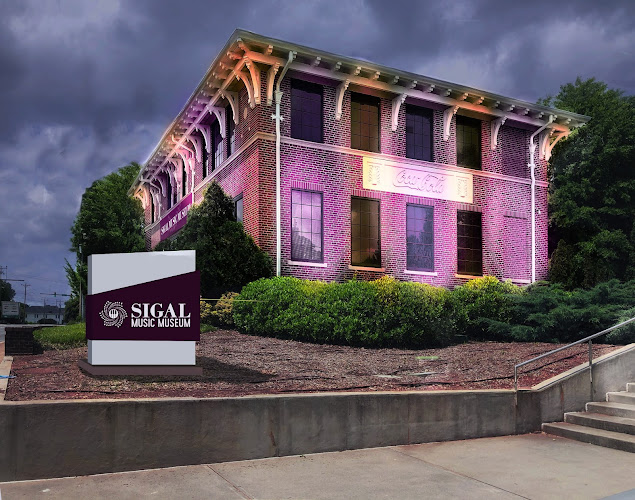
Sigal Music Museum
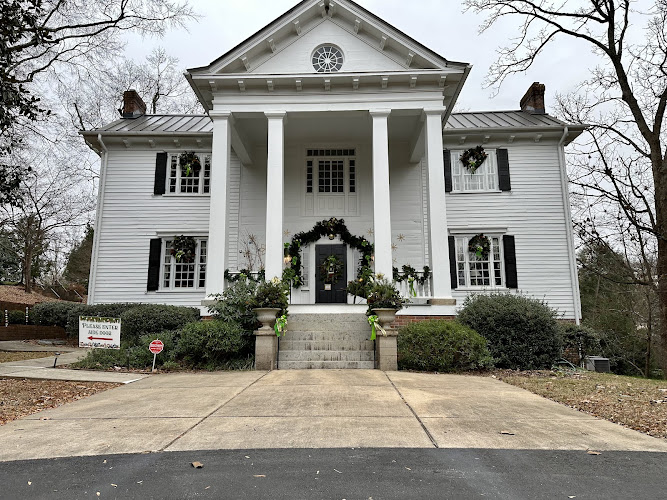
Kilgore-Lewis House
Find Accommodations Nearby
Recommended Tours & Activities
Visitor Reviews
There are no reviews yet. Be the first one to write one.
Share Your Experience
Have you visited Artisphere? Help other travelers by leaving a review.