
Arquipélago de Sant
About Arquipélago de Sant
Description
The Arquipélago de Sant represents one of those rare places on Earth where time seems to move at its own pace. It’s a cluster of islands, each with its own personality, colors, and quirks. Some spots feel completely untouched—just wild coastline, cliffs tumbling into turquoise sea, and fishing boats drifting in the distance. Others are more lived-in, where you’ll find communities that have adapted beautifully to the rhythm of the ocean. It’s not overly polished, and honestly, that’s part of its charm. The landscapes are dramatic, mixing rugged volcanic formations with calmer stretches of golden sand. You’ll catch wind of seabirds circling above, hear conversations with a mixture of local dialects, and sense that blend of tradition and nature that still holds strong here. While most visitors leave with glowing praise, it’s fair to say that not every corner is built for convenience—a few travelers note the limited infrastructure, and yes, you’ll need a little patience. But if you’re one of those people who value authenticity over perfection, then this archipelago really delivers in spades.
Key Features
- Pristine coastlines where turquoise waters meet volcanic cliffs
- Rich biodiversity, with marine life frequently spotted on coastal excursions
- Traditional fishing villages that still thrive on age-old practices
- Trails and lookout points for hiking and photography
- Opportunities to taste local cuisine influenced by the sea
- Uncrowded beaches offering space for reflection and relaxation
- Boat tours that connect several islands in a single day
- Atmosphere that combines cultural heritage with raw natural beauty
Best Time to Visit
The best months to set foot here really depend on what you’re after. Spring and early summer are brilliant for travelers who love milder temperatures, blooming flora, and calmer seas—perfect for boat rides. Late summer tends to be a bit hotter but brings a fuller energy, with festivals and local gatherings that let you experience island life in its most dynamic season. Autumn often feels more laid-back, which can be a gift if you’re hoping for fewer crowds and cooler air for hiking the hills. Personally, I’d argue winter brings a touch of magic. Sure, it can be windier, but watching dramatic waves crash against the volcanic cliffs is a humbling sight. And if you like photography, the lighting that time of year is something else. Of course, some services and tours may scale down in the colder months, so it’s worth planning ahead if you want specific activities.
How to Get There
Reaching the Arquipélago de Sant usually involves a combination of air and sea travel. Most long-distance travelers arrive first at a nearby mainland hub and then continue by regional flight or ferry. The flight routes can be a bit sporadic, depending on the time of year, so flexibility when booking is a must. Once you’re on the main island, ferries and small boats provide connections between the smaller ones, although schedules occasionally run more on “island time” than on strict timetables—something to consider if you’re a stickler for precision. Personally, I found the unpredictability part of the adventure—spending an extra hour dockside while chatting with locals or watching the sea shimmer isn’t the worst way to pass time. Taxis and hired vehicles are available on the bigger islands, but honestly, in certain spots, the best way to move around is on foot or bicycle.
Tips for Visiting
A visit here isn’t like popping into a big urban hotspot with endless infrastructure—it’s about adapting to the slower rhythm. So here are a few things worth keeping in mind:
- Pack thoughtfully: Sunscreen, sturdy shoes, and cash are all essential. Not every island has an ATM, and while credit cards are accepted in some places, you’ll regret not having a little local currency.
- Respect local customs: Folks here are used to visitors but deeply connected to their traditions. Be mindful with photographs in villages and always ask before snapping someone’s portrait.
- Taste the catch of the day: If you’ve never tried fish grilled straight from the morning boat, well, you haven’t really lived island life. The freshness is on another level.
- Plan ahead for ferries: Schedules can change due to weather, so leave wiggle room in your itinerary. Better to allow for delays than end up stressing about a missed connection.
- Embrace the disconnect: Internet data can be patchy—especially on the outer islands. Instead of frustration, think of it as an invitation to be present and just absorb what’s happening around you.
- Bring reusable gear: A water bottle, tote bag, even a portable cutlery set goes a long way in helping reduce waste here. Small steps really matter on islands where resources are limited.
- Don’t skip sunrise or sunset: I know, it sounds simple, but watching daylight change across the cliffs and sea is an experience worth waking early or staying up late for. It’s one of those memories that sticks.
If you’re the type who values experiences over glossy convenience and you appreciate nature that feels wild rather than manicured, the Arquipélago de Sant will speak to you in ways that are hard to describe. The mix of dramatic landscapes, authentic local life, and the kind of peace you rarely find these days—it’s all here, waiting for those willing to slow down and soak it up.
Key Features
- Pristine coastlines where turquoise waters meet volcanic cliffs
- Rich biodiversity, with marine life frequently spotted on coastal excursions
- Traditional fishing villages that still thrive on age-old practices
- Trails and lookout points for hiking and photography
- Opportunities to taste local cuisine influenced by the sea
- Uncrowded beaches offering space for reflection and relaxation
- Boat tours that connect several islands in a single day
- Atmosphere that combines cultural heritage with raw natural beauty
More Details
Updated October 1, 2025
Table of Contents
Description
The Arquipélago de Sant represents one of those rare places on Earth where time seems to move at its own pace. It’s a cluster of islands, each with its own personality, colors, and quirks. Some spots feel completely untouched—just wild coastline, cliffs tumbling into turquoise sea, and fishing boats drifting in the distance. Others are more lived-in, where you’ll find communities that have adapted beautifully to the rhythm of the ocean. It’s not overly polished, and honestly, that’s part of its charm. The landscapes are dramatic, mixing rugged volcanic formations with calmer stretches of golden sand. You’ll catch wind of seabirds circling above, hear conversations with a mixture of local dialects, and sense that blend of tradition and nature that still holds strong here. While most visitors leave with glowing praise, it’s fair to say that not every corner is built for convenience—a few travelers note the limited infrastructure, and yes, you’ll need a little patience. But if you’re one of those people who value authenticity over perfection, then this archipelago really delivers in spades.
Key Features
- Pristine coastlines where turquoise waters meet volcanic cliffs
- Rich biodiversity, with marine life frequently spotted on coastal excursions
- Traditional fishing villages that still thrive on age-old practices
- Trails and lookout points for hiking and photography
- Opportunities to taste local cuisine influenced by the sea
- Uncrowded beaches offering space for reflection and relaxation
- Boat tours that connect several islands in a single day
- Atmosphere that combines cultural heritage with raw natural beauty
Best Time to Visit
The best months to set foot here really depend on what you’re after. Spring and early summer are brilliant for travelers who love milder temperatures, blooming flora, and calmer seas—perfect for boat rides. Late summer tends to be a bit hotter but brings a fuller energy, with festivals and local gatherings that let you experience island life in its most dynamic season. Autumn often feels more laid-back, which can be a gift if you’re hoping for fewer crowds and cooler air for hiking the hills. Personally, I’d argue winter brings a touch of magic. Sure, it can be windier, but watching dramatic waves crash against the volcanic cliffs is a humbling sight. And if you like photography, the lighting that time of year is something else. Of course, some services and tours may scale down in the colder months, so it’s worth planning ahead if you want specific activities.
How to Get There
Reaching the Arquipélago de Sant usually involves a combination of air and sea travel. Most long-distance travelers arrive first at a nearby mainland hub and then continue by regional flight or ferry. The flight routes can be a bit sporadic, depending on the time of year, so flexibility when booking is a must. Once you’re on the main island, ferries and small boats provide connections between the smaller ones, although schedules occasionally run more on “island time” than on strict timetables—something to consider if you’re a stickler for precision. Personally, I found the unpredictability part of the adventure—spending an extra hour dockside while chatting with locals or watching the sea shimmer isn’t the worst way to pass time. Taxis and hired vehicles are available on the bigger islands, but honestly, in certain spots, the best way to move around is on foot or bicycle.
Tips for Visiting
A visit here isn’t like popping into a big urban hotspot with endless infrastructure—it’s about adapting to the slower rhythm. So here are a few things worth keeping in mind:
- Pack thoughtfully: Sunscreen, sturdy shoes, and cash are all essential. Not every island has an ATM, and while credit cards are accepted in some places, you’ll regret not having a little local currency.
- Respect local customs: Folks here are used to visitors but deeply connected to their traditions. Be mindful with photographs in villages and always ask before snapping someone’s portrait.
- Taste the catch of the day: If you’ve never tried fish grilled straight from the morning boat, well, you haven’t really lived island life. The freshness is on another level.
- Plan ahead for ferries: Schedules can change due to weather, so leave wiggle room in your itinerary. Better to allow for delays than end up stressing about a missed connection.
- Embrace the disconnect: Internet data can be patchy—especially on the outer islands. Instead of frustration, think of it as an invitation to be present and just absorb what’s happening around you.
- Bring reusable gear: A water bottle, tote bag, even a portable cutlery set goes a long way in helping reduce waste here. Small steps really matter on islands where resources are limited.
- Don’t skip sunrise or sunset: I know, it sounds simple, but watching daylight change across the cliffs and sea is an experience worth waking early or staying up late for. It’s one of those memories that sticks.
If you’re the type who values experiences over glossy convenience and you appreciate nature that feels wild rather than manicured, the Arquipélago de Sant will speak to you in ways that are hard to describe. The mix of dramatic landscapes, authentic local life, and the kind of peace you rarely find these days—it’s all here, waiting for those willing to slow down and soak it up.
Key Highlights
- Pristine coastlines where turquoise waters meet volcanic cliffs
- Rich biodiversity, with marine life frequently spotted on coastal excursions
- Traditional fishing villages that still thrive on age-old practices
- Trails and lookout points for hiking and photography
- Opportunities to taste local cuisine influenced by the sea
- Uncrowded beaches offering space for reflection and relaxation
- Boat tours that connect several islands in a single day
- Atmosphere that combines cultural heritage with raw natural beauty
Location
Places to Stay Near Arquipélago de Sant'Ana
Find and Book a Tour
Explore More Travel Guides
No reviews found! Be the first to review!
Traveler Reviews for Arquipélago de Sant
There are no reviews yet. Be the first one to write one.
Have you visited Arquipélago de Sant? Help other travelers by sharing your review.
You Might Also Like
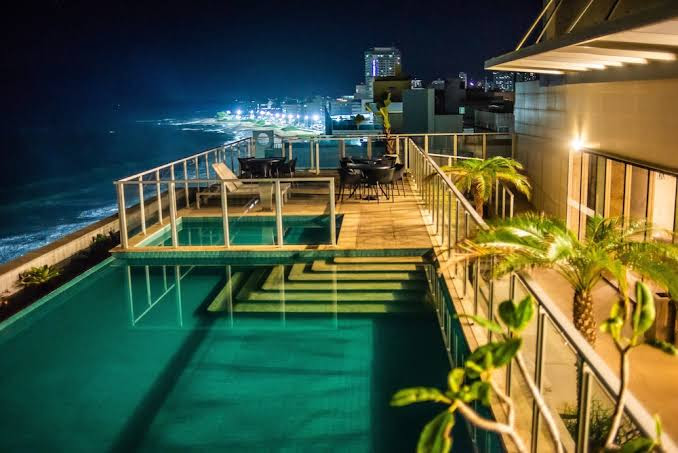
Paradiso Macaé Hotel
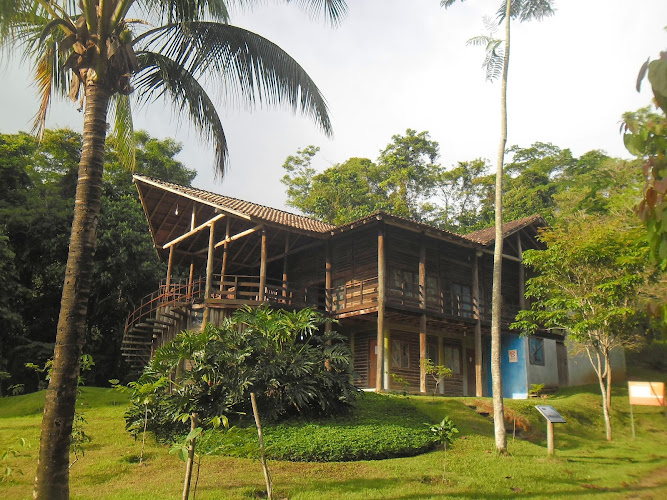
Parque Natural Municipal Atalaia (Fechado temporariamente)

Galeria Praiana
Find Accommodations Nearby
Recommended Tours & Activities
Visitor Reviews
There are no reviews yet. Be the first one to write one.
Share Your Experience
Have you visited Arquipélago de Sant? Help other travelers by leaving a review.