
Arena Tachikawa Tachihi
About Arena Tachikawa Tachihi
Key Features
More Details
Updated April 15, 2024
## Arena Tachikawa Tachihi: Practical Guide to Tokyo’s Compact, Event-Ready Sports Hub
Address: 500-4 Izumichō, Tachikawa, Tokyo 190-0015, Japan
Coordinates: 35.7150329, 139.4172992
Category: Sports complex
Google rating (user-provided): 3.9
Arena Tachikawa Tachihi is a modern multi-use arena in western Tokyo’s Tachikawa district. Opened in October 2017, it quickly became known as a flexible, mid-size venue that can pivot between professional basketball, cheer/dance competitions, combat sports, and one-off international events. It’s owned by Tachihi Holdings and operated by Tama Sports Club. Capacity is listed as 3,275 on the venue’s Japanese spec page; some English summaries round that to ~3,000. Expect minor variation depending on event layout.
### Why it matters
– Home floor for B.League power Alvark Tokyo. The arena hosts Alvark Tokyo (Toyota’s pro team) for home games and events—useful if you want top-tier Japanese basketball without navigating a 10k+ seat stadium.
– Proven “backup” for major tournaments. In 2018 the Toray Pan Pacific Open (WTA) moved here while Ariake Coliseum was renovated for the Tokyo 2020 Olympics—evidence of the hall’s adaptability and broadcast-friendly setup.
– Compact, efficient logistics. The building sits beside Tachihi Station on the Tama Monorail, a short hop from JR Tachikawa—Tokyo’s key western hub—keeping transfers simple on game day.
—
## Fast facts (verified)
– Opened: October 2017
– Capacity: 3,275 (official Japanese specs); some sources cite ~3,000 in English overviews
– Owner: Tachihi Holdings Co., Ltd.
– Operator: Tama Sports Club
– Primary tenant: Alvark Tokyo (B.League)
– Nearest transit: Tama Toshi Monorail Tachihi Station
– Court size: approx. 28.16 m × 55.33 m; max ceiling height 14.89 m (useful for event tech & rigging)
– Address in Japanese: 東京都立川市泉町500番4
Sources: venue spec page; Wikipedia JP/EN; stadium guides.
> Data note: Capacity and some operator details differ slightly across English-language summaries vs. the Japanese specification page. When precision matters (e.g., production, broadcast, VIP inventory), defer to the venue’s Japanese spec: 3,275 seats and the dimensions above.
—
## Getting there (step-by-step)
1. From central Tokyo (Shinjuku)
Take the JR Chūō Line (Rapid) to Tachikawa Station (about 30–40 minutes depending on service). Walk upstairs to Tachikawa-Kita Monorail station and ride two stops to Tachihi. The arena is a short walk from the platform.
2. Direct monorail approach
If you’re already along the Tama Toshi Monorail Line, get off at Tachihi Station; the arena stands adjacent to the tracks, streamlining arrivals for families and groups.
—
## What events you’ll see here
– B.League basketball (Alvark Tokyo). Regular-season games and selected events use this hall, creating an intimate, loud atmosphere compared with mega-arenas.
– Cheer/dance championships & community competitions. The calendar frequently lists regional cheer dance qualifiers and similar floor-based events.
– Boxing & combat sports. Local promotions book recurring cards—e.g., the Genkotsu Tachikawa Tournament vol. 11 ran here on July 27, 2025.
– International specials. Past tours like the Harlem Globetrotters have scheduled dates here, taking advantage of the center-hung scoreboard and lower bowl sightlines. (Always confirm the current tour site for dates.) Globetrotters
– Tennis history note (2018 only). Hosted the Toray Pan Pacific Open during Ariake’s renovation. This was a one-off relocation, not a recurring fixture.
To check what’s on during your dates, consult the official event schedule (in Japanese). It lists event name, date, and which building (main arena, etc.) is in use.
—
## Inside the building: what to expect
– Scale & layout. With 3,275 seats at max capacity and a single main bowl, most seats keep you close to the action—great for photography and for kids’ attention spans. Specs like 14.89 m max ceiling height enable overhead rigs and show lighting.
– Surrounding complex. The wider Tachihi sports area includes additional facilities (you’ll see references to “Dome Tachikawa Tachihi” and “Tachihi Beach” on overviews), but your ticket will specify the exact building (“アリーナ立川立飛”). Verify your entrance on the event page.
– Concourse & amenities. Third-party venue write-ups point to clean facilities and straightforward flows; however, food/beverage options can vary by event organizer. Always check your event’s page for concessions and re-entry rules.
—
## Practical tips that save time
– Monorail timing buffer. For sell-out basketball nights or cheer events with multiple divisions, build in extra minutes at Tachihi Station—platform crowding is common just before tip-off or awards blocks. (Transit access is excellent but compact.)
– Alternate plans if dates shift. Western Tokyo now has multiple venues (e.g., Tachikawa Stage Garden is a separate live venue in GREEN SPRINGS near Tachikawa Station). Always confirm your venue name—it’s easy to mix them up when browsing English pages.
– Event-specific policies. Cheer/dance and combat sports often run no professional cameras or limited lens lengths; basketball is usually more permissive from the stands. Policies are set by event promoters, not the building—check the official event schedule link through to each organizer.
– Nearby conveniences. Tachikawa’s commercial zone (one stop/short ride away) has big-box shopping and dining; some Japanese reviews also note the LaLaport Tachikawa Tachihi mall across the road, which can be handy for meals before or after sessions. (Expect crowds during large events.)
—
## How it compares to larger Tokyo arenas
If you’re used to Ariake Coliseum or Saitama Super Arena, expect quicker entry, closer seats, and simpler egress here. The trade-off is fewer premium hospitality options and smaller concourses. For families and travelers who value easy navigation and sightlines over scale, this hall often wins.
—
## Booking & verification checklist
– Check the official calendar first to confirm dates and which facility is in use.
– Cross-check promoter pages (B.League/Alvark Tokyo, touring shows) for final tip-off/start times and on-site policies. Out Worldwide
– Capacity context: English guides sometimes cite ~3,000; the Japanese spec is 3,275. If you’re planning a group block or production setup, use the Japanese spec.
—
## What’s changed or may be outdated
– 2018 Toray Pan Pacific Open at this venue was a temporary relocation; current editions returned to standard Tokyo venues post-renovation. Don’t assume annual tennis here.
– Event rosters shift each season. The examples above (e.g., Harlem Globetrotters, regional championships, boxing series) reflect scheduled or past instances; always reconfirm on the venue schedule and the tour/league site before you go.
—
### Sources
Venue specifications and history, Alvark tenancy, 2018 tennis relocation, monorail access, capacity and dimensions, event calendar, and example events are corroborated by the official facility page, Japanese/English Wikipedia entries, stadium guides, tour/league sites, and event listings.
> If you want me to tailor a visit plan around an Alvark home game—seating picks, family-friendly pre-game eats near Tachikawa, and the cleanest transfer from central Tokyo—I can map it to your exact dates and budget.
Table of Contents
Key Highlights
Arena Tachikawa Tachihi
Location
Places to Stay Near Arena Tachikawa Tachihi
Find and Book a Tour
Explore More Travel Guides
No reviews found! Be the first to review!
Traveler Reviews for Arena Tachikawa Tachihi
There are no reviews yet. Be the first one to write one.
Have you visited Arena Tachikawa Tachihi? Help other travelers by sharing your review.
You Might Also Like
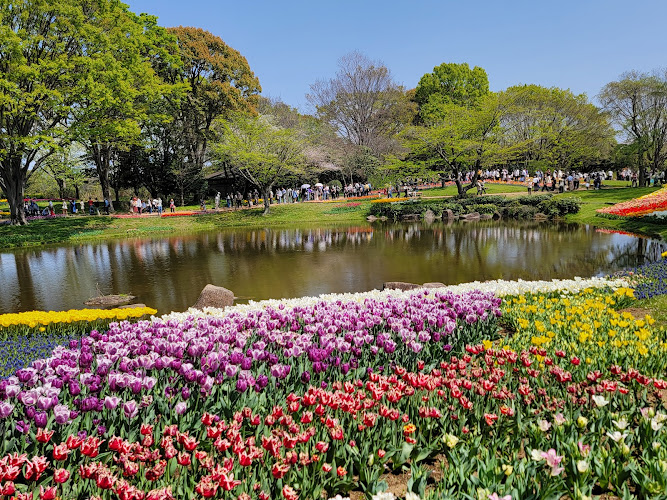
Tachikawa Park
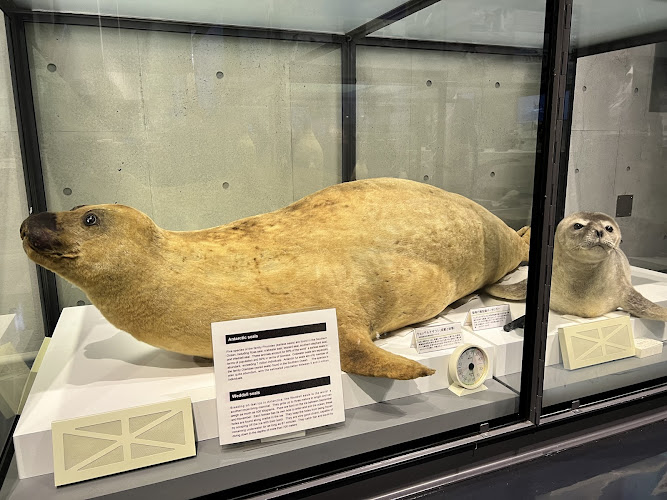
Polar Science Museum
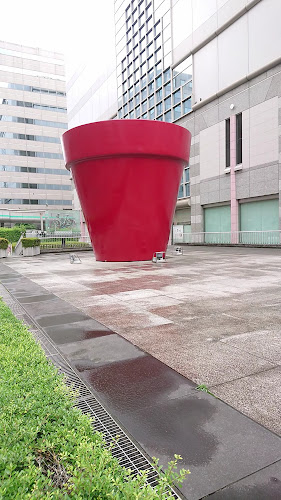
Faret Tachikawa
Find Accommodations Nearby
Recommended Tours & Activities
Visitor Reviews
There are no reviews yet. Be the first one to write one.
Share Your Experience
Have you visited Arena Tachikawa Tachihi? Help other travelers by leaving a review.