

Archaeological Survey of India Vellore Fort
About Archaeological Survey of India Vellore Fort
Description
The Archaeological Survey of India Vellore Fort is a fascinating mix of history, military architecture and small museum exhibits that reward anyone curious about South Indian princely history and colonial encounters. Managed by the Archaeological Survey of India, the fort compounds carry the quiet authority of a government-protected heritage site — statues, plaques and guarded rooms that keep their own tempo. Visitors often arrive expecting just a fort; they leave with stories about ramparts that once hummed with soldiers, wells with secret legends, and a museum cabinet or two where ancient inscriptions sit under the watchful eye of conservators.
This site stands out because it is both a preserved historical monument and an active government-monitored site. That dual nature gives it a certain no-nonsense charm: entry procedures, timings and interpretive materials are generally reliable, but the place is not over-curated. The Archaeological Survey of India presence means conservation is ongoing; visitors may spot scaffolding or conservators at work, and that lends a living, slightly unfinished quality that some travelers actually prefer. It feels like a place mid-restoration rather than a stage-set reproduction.
Architecturally, the fort reflects centuries of adaptation. Thick granite walls, bastions, and arched gateways are reminders of strategic importance. Inside, rooms and corridors suggest administrative and military uses, and the small museum exhibits highlight inscriptions, pottery fragments and artifacts recovered during excavations. Interpretive signage is practical rather than poetic; that's helpful for travelers who want facts without frills. For those who like context, a modest walkthrough of the museum combined with a slow circuit of the ramparts will provide a solid historical narrative: local rulers, regional conflicts, and later colonial periods all left fingerprints here.
It should be said, plainly: this is not a theme-park re-enactment. It is a government-run fort and museum where authenticity and preservation are priorities. In practice, that means fewer tourist trinkets and more archival substance. The visitor who comes expecting a reflective, slightly austere experience will usually be rewarded. And if a traveler enjoys quiet corners for photography, the fort’s stone textures, shadowed alleys and views over Vellore town offer excellent material for good photos, especially in soft morning or late afternoon light.
Key Features
- Protected Historic Site: Managed by the Archaeological Survey of India; conservation and management follow official protocols.
- Defensive Architecture: Robust granite ramparts, bastions and arched gateways that showcase military engineering from regional rulers and colonial modifications.
- On-site Museum: Small but well-curated collection of inscriptions, pottery, and recovered artifacts that explain local history.
- Interpretive Signage: Clear, factual panels — no fairy tales, just context and dates to orient the curious mind.
- Photogenic Angles: Stone textures, archways, and shadow-play ideal for photography enthusiasts, especially at golden hour.
- Active Conservation: Visitors may observe restoration work; a peek behind the scenes for those intrigued by heritage care.
- Peaceful Ambience: Compared to busier tourist forts, this site offers quieter exploration and a chance to pause and reflect.
- Accessible Facilities: Basic amenities are present given its status as an official site — ticket counter, signage, and supervised entry.
Best Time to Visit
Timing matters. The best window for visiting the Archaeological Survey of India Vellore Fort is during the cooler months, roughly from November to February, when daytime temperatures are comfortable for walking on sun-baked stone. Early mornings are especially lovely — the light is soft, humidity is low, and the fort tends to be almost empty. Late afternoons work well too; shadows lengthen, and the textures of the fort come alive for photographers.
Avoid the peak of summer, when the granite can radiate heat and long walks feel like an endurance test. Monsoon season brings dramatic skies and slick surfaces, which can be beautiful but slippery — and some areas may be damp or closed for safety. Weekdays are generally quieter than weekends, making them better for contemplative exploration. If a visitor wants a calm, documentary-style tour without jostling crowds, suggest a weekday morning in winter.
How to Get There
The Archaeological Survey of India Vellore Fort is well connected by road and rail, which makes it a practical day trip from nearby cities. Many travelers reach Vellore by train; the major railway hub serving the region is Katpadi Junction, which lies a short taxi or auto rickshaw ride from the fort. Trains from Chennai and other nearby cities link into Katpadi frequently, giving visitors multiple scheduling options throughout the day.
For those arriving by air, the closest major airport is Chennai International Airport. From there, a combination of train or car travel will get a visitor to Vellore. Road travel is straightforward: state highways connect Vellore with major urban centers, and private cars or taxis make the trip comfortable. The fort’s proximity to central Vellore means a short local ride from most accommodations in town. For ground navigation, auto rickshaws and taxis are plentiful; local drivers typically know the ASI-managed entrances and can advise on parking and entry points.
It’s useful to plan arrival times around the site’s opening hours. Government-run monuments often have fixed morning and afternoon visiting windows, with a lunch break in between. So, check local schedules in advance and aim to arrive right when gates open for the freshest, least crowded experience. If someone prefers a guided approach, local guides are available nearby — ask at the ticket counter — though many independent travelers are perfectly happy with self-guided exploration thanks to the clear signage.
Tips for Visiting
Planning a visit pays off. Here are practical tips that seasoned visitors recommend based on real experience and—yes—some trial and error.
- Bring water and sun protection: Even in winter, sun reflects off the stone. A hat, sunscreen and a water bottle will make the visit far more pleasant.
- Wear sensible shoes: The fort has uneven stone floors, steps and occasional damp patches. Closed-toe shoes with a decent sole are recommended.
- Allow at least 90 minutes: To see the ramparts, key bastions, the small museum and to take photos without rushing, budget an hour and a half. Those who read every plaque and linger by the walls should plan two hours.
- Check opening hours: Many ASI sites have split schedules with a midday closure. Arrive early to avoid missing the afternoon window.
- Respect restricted areas: Parts of the fort may be under restoration or reserved for official use. Signs will indicate no-go zones; they’re there for safety and preservation.
- Carry small change: Ticket counters and restroom facilities may accept cash only; having change makes transitions smoother.
- Engage with staff: ASI personnel and guards often know fascinating little details and local lore that won’t be on official panels. A friendly question can yield a surprising anecdote.
- Photography etiquette: Photography is generally allowed, but avoid flash in exhibit cases and be mindful of any no-photo signs in sensitive areas.
- Combine nearby attractions: Vellore has other heritage sites and local markets that pair well with a fort visit. Plan a relaxed itinerary rather than cramming too much into one day.
One anecdote that often circulates among visitors: a traveler who thought they would breeze through in 30 minutes ended up staying three hours because they found a shaded bench, an elderly guide who knew a dozen local anecdotes, and a surprisingly compact but rich museum that told a fuller story than expected. It happens more than one would guess; the fort invites lingering.
Finally, treat this site with the small courtesies owed to a government-protected monument. Take photographs, take notes, but avoid touching fragile surfaces and leave artifacts alone. That little bit of respect helps the Archaeological Survey of India continue its conservation work so future visitors can enjoy the same sense of discovery. The fort rewards curiosity, so come prepared to look closely and think historically — and the visit will feel worthwhile, even to the traveler who arrived with only a casual interest.
Key Features
- Key Features
- Best Time to Visit
- How to Get There
- Tips for Visiting
More Details
Updated August 30, 2025
Table of Contents
- Description
- Key Features
- Best Time to Visit
- How to Get There
- Tips for Visiting
- Key Highlights
- Location
- Places to Stay Near Archaeological Survey of India Vellore Fort
- Find and Book a Tour
- Explore More Travel Guides
- Nearby Places You Might Like
- Traveler Reviews for Archaeological Survey of India Vellore Fort
- Share Your Experience
Description
The Archaeological Survey of India Vellore Fort is a fascinating mix of history, military architecture and small museum exhibits that reward anyone curious about South Indian princely history and colonial encounters. Managed by the Archaeological Survey of India, the fort compounds carry the quiet authority of a government-protected heritage site — statues, plaques and guarded rooms that keep their own tempo. Visitors often arrive expecting just a fort; they leave with stories about ramparts that once hummed with soldiers, wells with secret legends, and a museum cabinet or two where ancient inscriptions sit under the watchful eye of conservators.
This site stands out because it is both a preserved historical monument and an active government-monitored site. That dual nature gives it a certain no-nonsense charm: entry procedures, timings and interpretive materials are generally reliable, but the place is not over-curated. The Archaeological Survey of India presence means conservation is ongoing; visitors may spot scaffolding or conservators at work, and that lends a living, slightly unfinished quality that some travelers actually prefer. It feels like a place mid-restoration rather than a stage-set reproduction.
Architecturally, the fort reflects centuries of adaptation. Thick granite walls, bastions, and arched gateways are reminders of strategic importance. Inside, rooms and corridors suggest administrative and military uses, and the small museum exhibits highlight inscriptions, pottery fragments and artifacts recovered during excavations. Interpretive signage is practical rather than poetic; that’s helpful for travelers who want facts without frills. For those who like context, a modest walkthrough of the museum combined with a slow circuit of the ramparts will provide a solid historical narrative: local rulers, regional conflicts, and later colonial periods all left fingerprints here.
It should be said, plainly: this is not a theme-park re-enactment. It is a government-run fort and museum where authenticity and preservation are priorities. In practice, that means fewer tourist trinkets and more archival substance. The visitor who comes expecting a reflective, slightly austere experience will usually be rewarded. And if a traveler enjoys quiet corners for photography, the fort’s stone textures, shadowed alleys and views over Vellore town offer excellent material for good photos, especially in soft morning or late afternoon light.
Key Features
- Protected Historic Site: Managed by the Archaeological Survey of India; conservation and management follow official protocols.
- Defensive Architecture: Robust granite ramparts, bastions and arched gateways that showcase military engineering from regional rulers and colonial modifications.
- On-site Museum: Small but well-curated collection of inscriptions, pottery, and recovered artifacts that explain local history.
- Interpretive Signage: Clear, factual panels — no fairy tales, just context and dates to orient the curious mind.
- Photogenic Angles: Stone textures, archways, and shadow-play ideal for photography enthusiasts, especially at golden hour.
- Active Conservation: Visitors may observe restoration work; a peek behind the scenes for those intrigued by heritage care.
- Peaceful Ambience: Compared to busier tourist forts, this site offers quieter exploration and a chance to pause and reflect.
- Accessible Facilities: Basic amenities are present given its status as an official site — ticket counter, signage, and supervised entry.
Best Time to Visit
Timing matters. The best window for visiting the Archaeological Survey of India Vellore Fort is during the cooler months, roughly from November to February, when daytime temperatures are comfortable for walking on sun-baked stone. Early mornings are especially lovely — the light is soft, humidity is low, and the fort tends to be almost empty. Late afternoons work well too; shadows lengthen, and the textures of the fort come alive for photographers.
Avoid the peak of summer, when the granite can radiate heat and long walks feel like an endurance test. Monsoon season brings dramatic skies and slick surfaces, which can be beautiful but slippery — and some areas may be damp or closed for safety. Weekdays are generally quieter than weekends, making them better for contemplative exploration. If a visitor wants a calm, documentary-style tour without jostling crowds, suggest a weekday morning in winter.
How to Get There
The Archaeological Survey of India Vellore Fort is well connected by road and rail, which makes it a practical day trip from nearby cities. Many travelers reach Vellore by train; the major railway hub serving the region is Katpadi Junction, which lies a short taxi or auto rickshaw ride from the fort. Trains from Chennai and other nearby cities link into Katpadi frequently, giving visitors multiple scheduling options throughout the day.
For those arriving by air, the closest major airport is Chennai International Airport. From there, a combination of train or car travel will get a visitor to Vellore. Road travel is straightforward: state highways connect Vellore with major urban centers, and private cars or taxis make the trip comfortable. The fort’s proximity to central Vellore means a short local ride from most accommodations in town. For ground navigation, auto rickshaws and taxis are plentiful; local drivers typically know the ASI-managed entrances and can advise on parking and entry points.
It’s useful to plan arrival times around the site’s opening hours. Government-run monuments often have fixed morning and afternoon visiting windows, with a lunch break in between. So, check local schedules in advance and aim to arrive right when gates open for the freshest, least crowded experience. If someone prefers a guided approach, local guides are available nearby — ask at the ticket counter — though many independent travelers are perfectly happy with self-guided exploration thanks to the clear signage.
Tips for Visiting
Planning a visit pays off. Here are practical tips that seasoned visitors recommend based on real experience and—yes—some trial and error.
- Bring water and sun protection: Even in winter, sun reflects off the stone. A hat, sunscreen and a water bottle will make the visit far more pleasant.
- Wear sensible shoes: The fort has uneven stone floors, steps and occasional damp patches. Closed-toe shoes with a decent sole are recommended.
- Allow at least 90 minutes: To see the ramparts, key bastions, the small museum and to take photos without rushing, budget an hour and a half. Those who read every plaque and linger by the walls should plan two hours.
- Check opening hours: Many ASI sites have split schedules with a midday closure. Arrive early to avoid missing the afternoon window.
- Respect restricted areas: Parts of the fort may be under restoration or reserved for official use. Signs will indicate no-go zones; they’re there for safety and preservation.
- Carry small change: Ticket counters and restroom facilities may accept cash only; having change makes transitions smoother.
- Engage with staff: ASI personnel and guards often know fascinating little details and local lore that won’t be on official panels. A friendly question can yield a surprising anecdote.
- Photography etiquette: Photography is generally allowed, but avoid flash in exhibit cases and be mindful of any no-photo signs in sensitive areas.
- Combine nearby attractions: Vellore has other heritage sites and local markets that pair well with a fort visit. Plan a relaxed itinerary rather than cramming too much into one day.
One anecdote that often circulates among visitors: a traveler who thought they would breeze through in 30 minutes ended up staying three hours because they found a shaded bench, an elderly guide who knew a dozen local anecdotes, and a surprisingly compact but rich museum that told a fuller story than expected. It happens more than one would guess; the fort invites lingering.
Finally, treat this site with the small courtesies owed to a government-protected monument. Take photographs, take notes, but avoid touching fragile surfaces and leave artifacts alone. That little bit of respect helps the Archaeological Survey of India continue its conservation work so future visitors can enjoy the same sense of discovery. The fort rewards curiosity, so come prepared to look closely and think historically — and the visit will feel worthwhile, even to the traveler who arrived with only a casual interest.
Key Highlights
- Key Features
- Best Time to Visit
- How to Get There
- Tips for Visiting
Location
Places to Stay Near Archaeological Survey of India Vellore Fort
Find and Book a Tour
Explore More Travel Guides
No reviews found! Be the first to review!
Traveler Reviews for Archaeological Survey of India Vellore Fort
There are no reviews yet. Be the first one to write one.
Have you visited Archaeological Survey of India Vellore Fort? Help other travelers by sharing your review.
You Might Also Like

VIT Park
Cup and Saucer Waterfalls
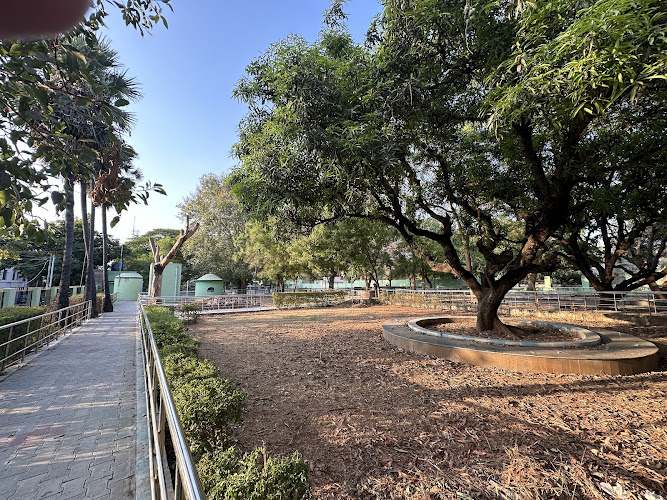
Vallalar Park
Find Accommodations Nearby
Recommended Tours & Activities
Visitor Reviews
There are no reviews yet. Be the first one to write one.
Share Your Experience
Have you visited Archaeological Survey of India Vellore Fort? Help other travelers by leaving a review.