

Archaeological Site of Kition
About Archaeological Site of Kition
Stepping foot into the Archaeological Site of Kition feels like peeling back layers of time to glimpse a bustling ancient city that once thrived on Cyprus’s southeast coast. This isn’t just a dusty old spot with a few stones scattered around — it’s a living mosaic of temples, tombs, houses, and a necropolis, all whispering stories from thousands of years ago. If you’ve ever wondered what life was like in the Canaanite era and later during Greek and Phoenician influences, this place hands you those tales on a silver platter.
The ruins here aren’t overly polished or hyper-restored, which, honestly, I like. It keeps the raw, authentic vibe intact — no glossy tourist trap feels. Imagine wandering through the skeletal remains of ancient temples where rituals once took place, standing where people worshiped gods or prepared for life beyond death. The necropolis, full of tombs, lends a kind of eerie yet fascinating insight into burial practices and the beliefs about the afterlife.
Beyond just stones and artifacts, the site reflects a unique blend of cultures. Kition was a melting pot; the Phoenicians settled here, mixing their traditions with those of the locals. That’s visible in the architecture and the layout of the ancient city. It kinda feels like reading an old book where each chapter has a slightly different accent or handwriting.
One thing that’s pretty sweet about the place: it’s genuinely family-friendly and accessible. Wheelchairs? No problem. I’ve been to some ancient sites where getting a wheelchair in would’ve been an exercise in futility, but here they’ve made sure getting around is not a total nightmare for anyone. Plus, kids can roam without danger of breaking ancient relics (which is always a concern when you have little explorers).
Key Features
- Remains of multiple temples showcasing Canaanite, Phoenician, and Greek influences
- An extensive necropolis featuring well-preserved tombs
- Ruins of ancient houses giving insight into residential life
- Accessible facilities including parking and wheelchair-friendly paths
- Informative signage that brings the history alive without being too heavy or scholarly
- Close proximity to Larnaca’s city center—perfect for combining ancient history with modern amenities
- Great spot for families with good accessibility and kid-friendly exploration spaces
Best Time to Visit
Cyprus bakes under the Mediterranean sun for most of the year, which is fabulous, but also means mid-summer might test your patience (and your sunscreen supply). The best periods, if you’re asking me, are spring and autumn — think April to June or September to October. The weather is just right, not too hot, not too cold, and you can stroll around without turning into a puddle. Plus, fewer tourists tend to pop by during these shoulder seasons, so you get a bit more breathing room to soak up the atmosphere.
Early mornings are golden if you love softer light and cooler temps. Plus, fewer people means more chances for those “alone with history” vibes, essential for snapping photos without a dozen strangers photobombing.
Oh, and if you’re the type who enjoys an occasional local festival or cultural event, keep an eye out for Larnaca’s calendar too, because sometimes the whole city celebrates its heritage with fun events, and Kition might feature as a central point.
How to Get There
Getting to the Archaeological Site of Kition is more straightforward than I’d imagined. It sits in Larnaca, which is pretty well connected, whether you’re arriving by plane, bus, or car. From the city center, it’s just a short hop — a quick cab fare or a brisk walk if you’ve got the time (and energy!). Walking through Larnaca’s streets towards the site gives you a nice feel for the modern-day city juxtaposed with ancient history just waiting at the end of the path.
If you’re flying into Larnaca International Airport, which most visitors do, it’s about a 10-15 minute drive, depending on traffic. Grab a rental car if you want to explore more of Cyprus on your own terms (trust me, you’ll want to), or use the local buses, which do a decent job connecting the main spots.
Parking is available right near the entrance, and the spot is designed with convenience in mind, especially if you’ve got mobility aids or strollers along. Just a heads-up: some of Cyprus’s roads can be narrow and a bit twisty, but nothing that would scare off even moderately confident drivers.
Tips for Visiting
Alright, now that you’re pumped to check out Kition, here are a few nuggets of advice from someone who’s been there and maybe goofed a bit so you don’t have to:
- Wear comfortable shoes: The site covers quite a bit of ground and is mostly uneven surfaces—ancient stones don’t play nice with heels or flimsy sandals.
- Bring water and a hat: Shade is, well, kinda limited. The Cyprus sun can be relentless, so hydration is non-negotiable.
- Don’t rush it: Give yourself ample time to wander and absorb. It’s tempting to just snap a photo and dash, but linger a bit — the atmosphere there is worth soaking in.
- Read the signage: The information boards are a treasure trove that might make you go “Oh, that’s cool!” or even “Whoa, didn’t know that!” So don’t just breeze past.
- Go for a guided tour if possible: Sometimes wandering solo is great, but a local guide can reveal the juicy details and ancient gossip the signs won’t tell you.
- Keep kids engaged: If you’re traveling with little ones, make the visit interactive — ask them to spot temple columns or imagine living in ancient houses; it’s a great way to keep them curious and involved.
- Mind the weather: On hot days, mornings and late afternoons are ideal. The site’s open, and shade trails are few, so plan accordingly.
- Combine your visit with Larnaca’s other attractions: The site sits close enough to explore museums, beaches, and local eateries — I personally recommend grabbing a coffee nearby after walking through history.
Visiting the Archaeological Site of Kition feels like unlocking a pocket of time where ancient civilizations mingle just beneath your feet. If you love history with a side of discovery — spiced up by real stories of people who lived, loved, and worshiped centuries ago — this is a spot you’ll remember long after the visit. Plus, it doesn’t feel like you’re just another tourist ticking off a checklist. Instead, it’s a quiet invitation to slow down and breathe in the richness of the past without all the usual fuss.
Key Features
- Remains of multiple temples showcasing Canaanite, Phoenician, and Greek influences
- An extensive necropolis featuring well-preserved tombs
- Ruins of ancient houses giving insight into residential life
- Accessible facilities including parking and wheelchair-friendly paths
- Informative signage that brings the history alive without being too heavy or scholarly
- Close proximity to Larnaca’s city center—perfect for combining ancient history with modern amenities
- Great spot for families with good accessibility and kid-friendly exploration spaces
You Might Also Like

A. G. Leventis Gallery

Acropolis Park
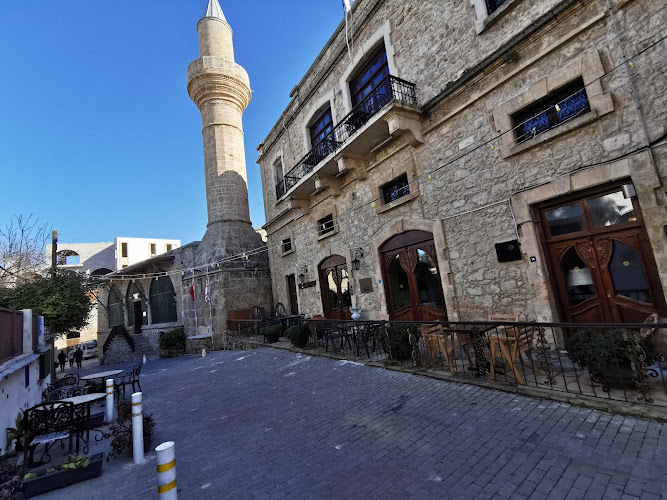
Ağa Cafer Pasha Mosque
Tours & Activities
GetYourGuide provides this tour inventory. We may earn a commission if you book through it; verify current availability, prices, and terms with the provider.
Visitor Reviews
There are no reviews yet. Be the first one to write one.
Share Your Experience
Have you visited Archaeological Site of Kition? Help other travelers by leaving a review.