
Araiyakushi Baishouin
About Araiyakushi Baishouin
Description
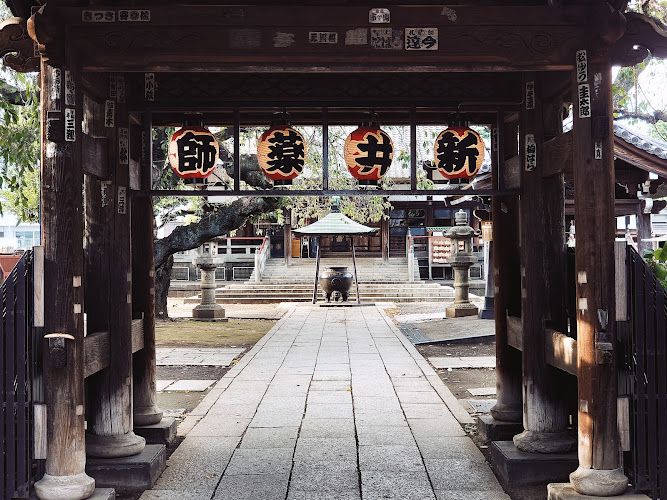
Araiyakushi Baishouin stands as one of Tokyo's more unusual temple destinations, and honestly, that's exactly what makes it worth your time. Founded way back in 1586, this Buddhist temple has built quite the reputation over the centuries for something pretty specific - helping visitors with eye ailments. Now, before you roll your eyes (pun intended), hear me out. Whether you're a believer in spiritual healing or just someone who appreciates historical traditions, there's something genuinely fascinating about a place that's been dedicated to this particular purpose for over four hundred years. I stumbled across this temple completely by accident during one of my Tokyo wanderings, and I'm glad I did. The temple sits in the Nakano area, which doesn't get nearly as much tourist attention as places like Asakusa or Shibuya, and that's part of its charm. You won't be fighting through crowds of selfie-stick wielding tourists here, at least not most of the time. Instead, you'll find a functioning community temple that locals actually use, mixed with enough historical significance and natural beauty to make it a solid stop on any Tokyo itinerary. The temple grounds themselves have that lived-in quality that so many over-restored tourist sites lack. This is a place where real people come to pray, where the incense smoke isn't just for atmosphere, and where the monks actually go about their daily business. But don't let that make you think it's somehow less impressive - the architecture is beautiful in that understated way Japanese temples do so well, and when the cherry blossoms are in season, well, that's when things get really special.Key Features
- Eye Healing Tradition: The temple's main claim to fame is its association with curing eye diseases and ailments. Visitors have been coming here for centuries seeking relief from vision problems, and the tradition continues today with special prayers and amulets dedicated to eye health.
- Regular Markets: One of the best reasons to plan your visit carefully is the temple's frequent markets. These aren't your typical tourist trap affairs either - locals actually shop here, which means you'll find everything from fresh produce to handmade crafts at reasonable prices.
- Cherry Blossom Season: The temple grounds transform during sakura season with beautiful cherry trees that create that picture-perfect Japanese spring scene everyone dreams about. And because it's not on the main tourist circuit, you actually have space to enjoy them.
- Historical Architecture: Dating back to the late 16th century, the temple buildings showcase traditional Buddhist architectural styles that have been maintained through the centuries, offering genuine historical atmosphere.
- Local Community Hub: This isn't just a museum piece - it's a functioning temple that serves the local community, giving visitors an authentic glimpse into how these sacred spaces operate in modern Japan.
- Accessible Facilities: The temple includes restroom facilities for visitors, which honestly can be a lifesaver when you're temple-hopping around Tokyo.
- Off-the-Beaten-Path Location: Situated in Nakano, the temple offers a chance to explore a neighborhood that most tourists skip, complete with its own shopping arcades and local restaurants.
Best Time to Visit
Let me be straight with you - timing matters here, probably more than at most temples. The absolute best time to visit is during cherry blossom season, which typically runs from late March through early April, though climate change has been making this a bit unpredictable lately. When those sakura trees are blooming, the temple grounds become absolutely magical. I've seen photos that don't do it justice, and even being there in person feels almost too perfect, like someone painted the scene just for you. But here's the thing about cherry blossom season - everyone knows about it. While Araiyakushi Baishouin isn't as crowded as the mega-famous spots, you'll still encounter more visitors during this period. If you're okay with sharing the space and want those Instagram-worthy shots, go for it. The crowds here are nothing compared to Ueno Park or Chidorigafuchi, trust me. The temple markets are another huge consideration for timing your visit. These happen regularly throughout the month, and checking the schedule before you go can make the difference between a pleasant temple visit and a genuinely memorable cultural experience. The market days bring the whole place to life with vendors, locals shopping for their daily needs, and an energy that's quite different from the usual temple tranquility. Early morning visits are magical regardless of season. I'm talking about arriving right when the temple opens, before the day really gets going. You'll catch monks performing their morning rituals, the light hits the buildings in this gorgeous way, and you get that peaceful atmosphere that temples are supposed to have. Plus, if you've got any eye concerns you want to pray about, doing it in the quiet morning hours feels more personal somehow. Autumn is my second favorite season for visiting. The leaves change color beautifully, the weather is comfortable for walking around, and you avoid both the summer heat and the winter chill. November in particular offers crisp, clear days that are perfect for temple exploring. I'd probably avoid visiting during the height of summer, particularly July and August. Tokyo gets brutally hot and humid during these months, and temple grounds without much shade can become pretty uncomfortable. But if summer is your only option, go early in the morning or later in the evening.How to Get There
Getting to Araiyakushi Baishouin is actually pretty straightforward, which surprised me given its relative obscurity among international tourists. The temple is located in Nakano, and the closest station is Araiyakushimae Station on the Seibu Shinjuku Line. From the station, you're looking at maybe a five-minute walk, and the route is well-marked with signs pointing toward the temple. If you're coming from central Tokyo, you've got options. From Shinjuku Station, you can take the Seibu Shinjuku Line directly to Araiyakushimae Station - it's just a few stops and takes about ten minutes. This is probably your easiest route if you're staying anywhere near Shinjuku, which many tourists do. Alternatively, you can use the JR Chuo Line to Nakano Station, then either walk about fifteen minutes to the temple or catch a bus. The walk from Nakano Station is actually pretty pleasant, taking you through residential neighborhoods that give you a peek at everyday Tokyo life. I'd recommend the walk if the weather's nice and you're not in a huge hurry. For those using Google Maps or other navigation apps, just search for "Araiyakushi Baishouin" and follow the directions - they're generally accurate. The temple is well-known enough locally that even asking for directions won't leave people scratching their heads. Taxi is always an option too, though honestly it's overkill for this destination unless you're mobility-challenged or traveling with lots of luggage. If you do take a taxi, any driver will know Araiyakushi temple without issue. One thing I learned the hard way - don't confuse this with other temples in Tokyo with similar names. Make sure you're heading to the one in Nakano specifically. And if you're planning to visit on a market day, factor in a bit more time because the area around the temple gets busier with foot traffic.Tips for Visiting
First things first - this is a functioning religious site, so basic temple etiquette applies. That means dressing reasonably (no need for formal wear, but maybe skip the beachwear), speaking quietly, and being respectful of people who are there to pray rather than sightsee. It's not rocket science, but you'd be surprised how many visitors forget they're in a sacred space. Bring cash. This cannot be stressed enough. While Tokyo is getting more card-friendly, temple markets and offering boxes are still very much cash operations. If you want to buy amulets, make offerings, or shop at the market stalls, you'll need yen in your pocket. There are ATMs around, but save yourself the hassle and come prepared. Speaking of amulets, the eye-related ones here make for unique souvenirs that actually mean something. They're called "omamori" and the temple has specific ones dedicated to eye health and vision protection. Even if you don't buy into the spiritual aspect, they're beautiful little pieces of traditional craftsmanship and make better gifts than another Tokyo keychain. Photography is generally allowed on the temple grounds, but always check for signs indicating restricted areas. And please, please be mindful of people who are praying - don't shove cameras in their faces or disrupt their worship for your perfect shot. The architecture and gardens are photogenic enough without needing to include unwilling subjects. If you're serious about the eye health aspect, there's a proper way to pray at the temple. You can observe locals doing it, or politely ask at the temple office for guidance. Nobody expects foreigners to know all the ins and outs, but making an effort is appreciated. Combine your visit with exploring Nakano more broadly. The Nakano Broadway shopping complex is nearby and offers a completely different vibe - it's famous for anime and manga merchandise, vintage collectibles, and quirky shops. The contrast between the ancient temple and this pop culture hub really captures Tokyo's whole deal. Restrooms are available on the temple grounds, which is genuinely helpful, but they're basic facilities - don't expect the high-tech Japanese toilets you might find in department stores. Market days can get crowded, especially in good weather, so arrive early if you want first pick of the goods and a chance to actually move around comfortably. The produce vendors especially sell out of the best stuff by midday. Wear comfortable walking shoes. The temple grounds aren't huge, but you'll be on your feet, and if you're exploring the surrounding neighborhood too, proper footwear makes all the difference. Finally, manage your expectations. This isn't Sensoji Temple in Asakusa with its massive structures and constant festival atmosphere. Araiyakushi Baishouin is smaller, quieter, and less obviously spectacular. But that's exactly what makes it special - it's real, it's authentic, and it offers a glimpse of Tokyo that package tours usually miss entirely.Key Features
- Founded in 1586 with historical ties to the Tokugawa period
- Principal worship of Yakushi Nyorai (Buddha of Healing) and legends about cures for eye ailments
- Expansive grounds for Nakano with a bell tower and pagoda elements
- Cherry blossom display in spring—popular with local hanami visitors
- Regular Goma fire ceremonies and monthly flea markets that showcase local life
More Details
Updated March 30, 2026
Table of Contents
Description
Araiyakushi Baishouin stands as one of Tokyo’s more unusual temple destinations, and honestly, that’s exactly what makes it worth your time. Founded way back in 1586, this Buddhist temple has built quite the reputation over the centuries for something pretty specific – helping visitors with eye ailments. Now, before you roll your eyes (pun intended), hear me out. Whether you’re a believer in spiritual healing or just someone who appreciates historical traditions, there’s something genuinely fascinating about a place that’s been dedicated to this particular purpose for over four hundred years.
I stumbled across this temple completely by accident during one of my Tokyo wanderings, and I’m glad I did. The temple sits in the Nakano area, which doesn’t get nearly as much tourist attention as places like Asakusa or Shibuya, and that’s part of its charm. You won’t be fighting through crowds of selfie-stick wielding tourists here, at least not most of the time. Instead, you’ll find a functioning community temple that locals actually use, mixed with enough historical significance and natural beauty to make it a solid stop on any Tokyo itinerary.
The temple grounds themselves have that lived-in quality that so many over-restored tourist sites lack. This is a place where real people come to pray, where the incense smoke isn’t just for atmosphere, and where the monks actually go about their daily business. But don’t let that make you think it’s somehow less impressive – the architecture is beautiful in that understated way Japanese temples do so well, and when the cherry blossoms are in season, well, that’s when things get really special.
Key Features
- Eye Healing Tradition: The temple’s main claim to fame is its association with curing eye diseases and ailments. Visitors have been coming here for centuries seeking relief from vision problems, and the tradition continues today with special prayers and amulets dedicated to eye health.
- Regular Markets: One of the best reasons to plan your visit carefully is the temple’s frequent markets. These aren’t your typical tourist trap affairs either – locals actually shop here, which means you’ll find everything from fresh produce to handmade crafts at reasonable prices.
- Cherry Blossom Season: The temple grounds transform during sakura season with beautiful cherry trees that create that picture-perfect Japanese spring scene everyone dreams about. And because it’s not on the main tourist circuit, you actually have space to enjoy them.
- Historical Architecture: Dating back to the late 16th century, the temple buildings showcase traditional Buddhist architectural styles that have been maintained through the centuries, offering genuine historical atmosphere.
- Local Community Hub: This isn’t just a museum piece – it’s a functioning temple that serves the local community, giving visitors an authentic glimpse into how these sacred spaces operate in modern Japan.
- Accessible Facilities: The temple includes restroom facilities for visitors, which honestly can be a lifesaver when you’re temple-hopping around Tokyo.
- Off-the-Beaten-Path Location: Situated in Nakano, the temple offers a chance to explore a neighborhood that most tourists skip, complete with its own shopping arcades and local restaurants.
Best Time to Visit
Let me be straight with you – timing matters here, probably more than at most temples. The absolute best time to visit is during cherry blossom season, which typically runs from late March through early April, though climate change has been making this a bit unpredictable lately. When those sakura trees are blooming, the temple grounds become absolutely magical. I’ve seen photos that don’t do it justice, and even being there in person feels almost too perfect, like someone painted the scene just for you.
But here’s the thing about cherry blossom season – everyone knows about it. While Araiyakushi Baishouin isn’t as crowded as the mega-famous spots, you’ll still encounter more visitors during this period. If you’re okay with sharing the space and want those Instagram-worthy shots, go for it. The crowds here are nothing compared to Ueno Park or Chidorigafuchi, trust me.
The temple markets are another huge consideration for timing your visit. These happen regularly throughout the month, and checking the schedule before you go can make the difference between a pleasant temple visit and a genuinely memorable cultural experience. The market days bring the whole place to life with vendors, locals shopping for their daily needs, and an energy that’s quite different from the usual temple tranquility.
Early morning visits are magical regardless of season. I’m talking about arriving right when the temple opens, before the day really gets going. You’ll catch monks performing their morning rituals, the light hits the buildings in this gorgeous way, and you get that peaceful atmosphere that temples are supposed to have. Plus, if you’ve got any eye concerns you want to pray about, doing it in the quiet morning hours feels more personal somehow.
Autumn is my second favorite season for visiting. The leaves change color beautifully, the weather is comfortable for walking around, and you avoid both the summer heat and the winter chill. November in particular offers crisp, clear days that are perfect for temple exploring.
I’d probably avoid visiting during the height of summer, particularly July and August. Tokyo gets brutally hot and humid during these months, and temple grounds without much shade can become pretty uncomfortable. But if summer is your only option, go early in the morning or later in the evening.
How to Get There
Getting to Araiyakushi Baishouin is actually pretty straightforward, which surprised me given its relative obscurity among international tourists. The temple is located in Nakano, and the closest station is Araiyakushimae Station on the Seibu Shinjuku Line. From the station, you’re looking at maybe a five-minute walk, and the route is well-marked with signs pointing toward the temple.
If you’re coming from central Tokyo, you’ve got options. From Shinjuku Station, you can take the Seibu Shinjuku Line directly to Araiyakushimae Station – it’s just a few stops and takes about ten minutes. This is probably your easiest route if you’re staying anywhere near Shinjuku, which many tourists do.
Alternatively, you can use the JR Chuo Line to Nakano Station, then either walk about fifteen minutes to the temple or catch a bus. The walk from Nakano Station is actually pretty pleasant, taking you through residential neighborhoods that give you a peek at everyday Tokyo life. I’d recommend the walk if the weather’s nice and you’re not in a huge hurry.
For those using Google Maps or other navigation apps, just search for “Araiyakushi Baishouin” and follow the directions – they’re generally accurate. The temple is well-known enough locally that even asking for directions won’t leave people scratching their heads.
Taxi is always an option too, though honestly it’s overkill for this destination unless you’re mobility-challenged or traveling with lots of luggage. If you do take a taxi, any driver will know Araiyakushi temple without issue.
One thing I learned the hard way – don’t confuse this with other temples in Tokyo with similar names. Make sure you’re heading to the one in Nakano specifically. And if you’re planning to visit on a market day, factor in a bit more time because the area around the temple gets busier with foot traffic.
Tips for Visiting
First things first – this is a functioning religious site, so basic temple etiquette applies. That means dressing reasonably (no need for formal wear, but maybe skip the beachwear), speaking quietly, and being respectful of people who are there to pray rather than sightsee. It’s not rocket science, but you’d be surprised how many visitors forget they’re in a sacred space.
Bring cash. This cannot be stressed enough. While Tokyo is getting more card-friendly, temple markets and offering boxes are still very much cash operations. If you want to buy amulets, make offerings, or shop at the market stalls, you’ll need yen in your pocket. There are ATMs around, but save yourself the hassle and come prepared.
Speaking of amulets, the eye-related ones here make for unique souvenirs that actually mean something. They’re called “omamori” and the temple has specific ones dedicated to eye health and vision protection. Even if you don’t buy into the spiritual aspect, they’re beautiful little pieces of traditional craftsmanship and make better gifts than another Tokyo keychain.
Photography is generally allowed on the temple grounds, but always check for signs indicating restricted areas. And please, please be mindful of people who are praying – don’t shove cameras in their faces or disrupt their worship for your perfect shot. The architecture and gardens are photogenic enough without needing to include unwilling subjects.
If you’re serious about the eye health aspect, there’s a proper way to pray at the temple. You can observe locals doing it, or politely ask at the temple office for guidance. Nobody expects foreigners to know all the ins and outs, but making an effort is appreciated.
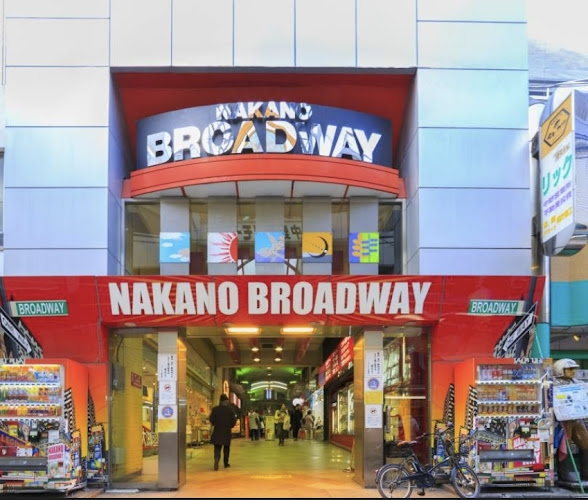
Combine your visit with exploring Nakano more broadly. The Nakano Broadway shopping complex is nearby and offers a completely different vibe – it’s famous for anime and manga merchandise, vintage collectibles, and quirky shops. The contrast between the ancient temple and this pop culture hub really captures Tokyo’s whole deal.
Restrooms are available on the temple grounds, which is genuinely helpful, but they’re basic facilities – don’t expect the high-tech Japanese toilets you might find in department stores.
Market days can get crowded, especially in good weather, so arrive early if you want first pick of the goods and a chance to actually move around comfortably. The produce vendors especially sell out of the best stuff by midday.
Wear comfortable walking shoes. The temple grounds aren’t huge, but you’ll be on your feet, and if you’re exploring the surrounding neighborhood too, proper footwear makes all the difference.
Finally, manage your expectations. This isn’t Sensoji Temple in Asakusa with its massive structures and constant festival atmosphere. Araiyakushi Baishouin is smaller, quieter, and less obviously spectacular. But that’s exactly what makes it special – it’s real, it’s authentic, and it offers a glimpse of Tokyo that package tours usually miss entirely.
Key Highlights
- Founded in 1586 with historical ties to the Tokugawa period
- Principal worship of Yakushi Nyorai (Buddha of Healing) and legends about cures for eye ailments
- Expansive grounds for Nakano with a bell tower and pagoda elements
- Cherry blossom display in spring—popular with local hanami visitors
- Regular Goma fire ceremonies and monthly flea markets that showcase local life
Location
Places to Stay Near Araiyakushi Baishouin
Find and Book a Tour
Explore More Travel Guides
No reviews found! Be the first to review!
Araiyakushi Baishouin is a prominent attractions located in Nakano City.
Visit us at: 5 Chome-3-5 Arai, Nakano City, Tokyo 165-0026, Japan.
Traveler Reviews for Araiyakushi Baishouin
There are no reviews yet. Be the first one to write one.
Have you visited Araiyakushi Baishouin? Help other travelers by sharing your review.
Nearby Attractions
You Might Also Like
Nakano Broadway
Nakano Shiki no Mori Park
Nakano City Araiyakushi Park
Find Accommodations Nearby
Recommended Tours & Activities
Visitor Reviews
There are no reviews yet. Be the first one to write one.
Share Your Experience
Have you visited Araiyakushi Baishouin? Help other travelers by leaving a review.