
Applewood Estate
About Applewood Estate
Description
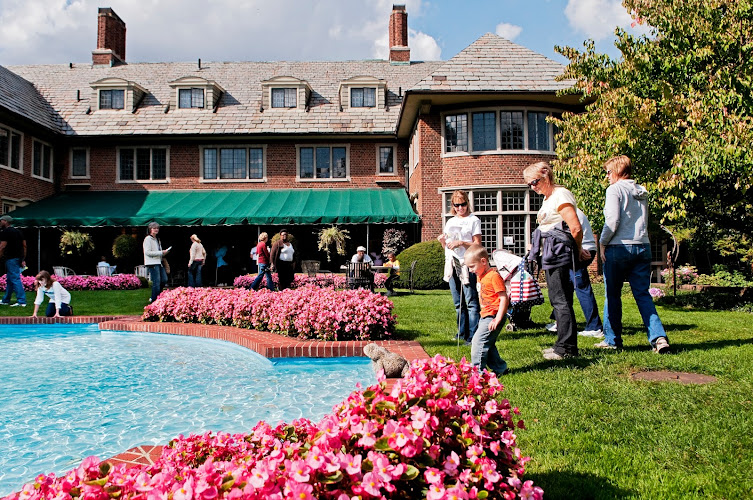
Applewood Estate, tucked away in the heart of Flint, Michigan, feels like a quiet conversation between history and nature. It’s one of those places where time slows down just enough for you to notice the crunch of gravel underfoot and the scent of lilacs drifting across the gardens. Originally built in 1916 for automotive pioneer Charles Stewart Mott, the estate now serves as a living museum—part historical home, part botanical haven, and part community gathering space. It’s managed by the Ruth Mott Foundation, which means it’s not just a tourist attraction but also a place with a purpose: preserving heritage while inspiring local engagement.
Walking through the estate, you can almost picture the Mott family sitting on the veranda, sipping lemonade on a warm afternoon. The house itself is stately but not pretentious—more like a grandparent’s home that’s been lovingly kept for generations. The gardens, though, are the real showstopper. Rows of colorful blooms, fruit trees, and neatly trimmed hedges stretch out like something from a storybook. There’s even a working farm and orchard where you might catch volunteers tending to vegetables or kids learning about sustainable gardening. It’s the kind of place that quietly teaches you something while you’re too busy admiring the view to notice.
What’s refreshing about Applewood is how welcoming it feels. You don’t have to be a history buff or a garden enthusiast to enjoy it. Families come here for picnics, photographers chase the golden light filtering through the trees, and locals drop by for workshops or seasonal events. It’s a space that thrives on community energy, yet never loses its peaceful charm. Sure, a few visitors might wish for more interactive exhibits or a livelier pace, but honestly, that’s part of its charm—it’s not trying to be flashy. It’s about authenticity, reflection, and connection to the land and its story.
Key Features
- Historic 1916 residence of Charles Stewart Mott, open for guided tours
- Expansive gardens featuring seasonal flowers, orchards, and native plantings
- Educational programs, workshops, and community events throughout the year
- Wheelchair-accessible paths, restrooms, and seating areas for inclusive access
- Gender-neutral restrooms and family-friendly amenities
- Free on-site parking for visitors
- Peaceful walking trails ideal for photography and quiet reflection
- Working farm and orchard showcasing sustainable practices
Best Time to Visit
If you ask me, the best time to visit Applewood Estate is spring or early autumn. Spring brings the gardens to life with tulips, daffodils, and apple blossoms that practically demand a photo or two. The air smells fresh, the colors are pure, and the whole place hums with renewal. Summer is lovely too, especially if you enjoy long, lazy strolls under shady trees, but it can get a bit warm during midday. Autumn, though—oh, it’s magic. The trees turn fiery shades of orange and red, and the crisp air makes every step feel cinematic. Winter has its own quiet beauty, but many of the outdoor areas close, so it’s better suited for those who love solitude and snow-dusted scenery.
I remember visiting one late September afternoon, the kind where the light looks almost golden. The orchard was heavy with apples, and volunteers were handing out samples of cider. It wasn’t crowded, just a few families wandering about, and you could hear the soft murmur of conversation mixed with the rustle of leaves. That’s the kind of moment Applewood offers—simple, genuine, and oddly grounding.
How to Get There
Reaching Applewood Estate is pretty straightforward if you’re already in the Flint area. Most visitors arrive by car, and thankfully, parking is easy and free—something I always appreciate when traveling. The estate sits close to the city center, so it’s a short drive from many local attractions, and public transportation options are available for those who prefer not to drive. Once you arrive, the entrance is clearly marked, and the staff or volunteers are friendly enough to point you in the right direction if you look even a little lost.
If you’re coming from out of town, Flint’s Bishop International Airport is the nearest major hub. From there, it’s a quick 15-minute drive. I’d recommend renting a car if you plan to explore other nearby spots like the Flint Institute of Arts or the Cultural Center campus. And don’t worry too much about getting turned around—GPS directions are spot on, and the drive itself is pleasant, especially during the fall when the trees along the way look like they’re on fire.
Tips for Visiting
Here’s the thing about Applewood Estate: it rewards those who take their time. Don’t rush through it like you’re checking off a list. Wander. Sit on a bench for a while. Let the place breathe around you. That’s when you really start to feel its rhythm. If you’re planning your first visit, here are a few things I’ve learned along the way:
- Check event schedules: The estate often hosts free community days, workshops, and garden tours. These can really enrich your experience.
- Wear comfortable shoes: The grounds are expansive, and you’ll want to explore every corner.
- Bring a camera: Whether you’re into photography or just love capturing memories, the light here is fantastic, especially in the late afternoon.
- Pack a picnic: There are plenty of shady spots where you can relax and enjoy a meal outdoors.
- Respect the space: It’s a working historical site and garden, so treat it with care. Stay on paths and avoid picking flowers, tempting as it might be.
- Visit during different seasons: Each one transforms the estate in its own way. Spring brings color, summer offers lush green tranquility, and autumn paints everything in gold.
One last thing—don’t skip the small details. There’s something deeply satisfying about noticing the craftsmanship in the woodwork of the house or the way the sunlight hits the old brick walls. Applewood isn’t just about big moments; it’s about the little ones that sneak up on you when you least expect them. And if you’re anything like me, you’ll leave feeling a little lighter, a little more connected, and maybe even inspired to plant something when you get home. That’s the quiet power of places like this—they remind you to slow down and appreciate what’s already around you.
Key Features
- Historic 1916 residence of Charles Stewart Mott, open for guided tours
- Expansive gardens featuring seasonal flowers, orchards, and native plantings
- Educational programs, workshops, and community events throughout the year
- Wheelchair-accessible paths, restrooms, and seating areas for inclusive access
- Gender-neutral restrooms and family-friendly amenities
- Free on-site parking for visitors
- Peaceful walking trails ideal for photography and quiet reflection
- Working farm and orchard showcasing sustainable practices
More Details
Updated December 1, 2025
Table of Contents
Description
Applewood Estate, tucked away in the heart of Flint, Michigan, feels like a quiet conversation between history and nature. It’s one of those places where time slows down just enough for you to notice the crunch of gravel underfoot and the scent of lilacs drifting across the gardens. Originally built in 1916 for automotive pioneer Charles Stewart Mott, the estate now serves as a living museum—part historical home, part botanical haven, and part community gathering space. It’s managed by the Ruth Mott Foundation, which means it’s not just a tourist attraction but also a place with a purpose: preserving heritage while inspiring local engagement.
Walking through the estate, you can almost picture the Mott family sitting on the veranda, sipping lemonade on a warm afternoon. The house itself is stately but not pretentious—more like a grandparent’s home that’s been lovingly kept for generations. The gardens, though, are the real showstopper. Rows of colorful blooms, fruit trees, and neatly trimmed hedges stretch out like something from a storybook. There’s even a working farm and orchard where you might catch volunteers tending to vegetables or kids learning about sustainable gardening. It’s the kind of place that quietly teaches you something while you’re too busy admiring the view to notice.
What’s refreshing about Applewood is how welcoming it feels. You don’t have to be a history buff or a garden enthusiast to enjoy it. Families come here for picnics, photographers chase the golden light filtering through the trees, and locals drop by for workshops or seasonal events. It’s a space that thrives on community energy, yet never loses its peaceful charm. Sure, a few visitors might wish for more interactive exhibits or a livelier pace, but honestly, that’s part of its charm—it’s not trying to be flashy. It’s about authenticity, reflection, and connection to the land and its story.
Key Features
- Historic 1916 residence of Charles Stewart Mott, open for guided tours
- Expansive gardens featuring seasonal flowers, orchards, and native plantings
- Educational programs, workshops, and community events throughout the year
- Wheelchair-accessible paths, restrooms, and seating areas for inclusive access
- Gender-neutral restrooms and family-friendly amenities
- Free on-site parking for visitors
- Peaceful walking trails ideal for photography and quiet reflection
- Working farm and orchard showcasing sustainable practices
Best Time to Visit
If you ask me, the best time to visit Applewood Estate is spring or early autumn. Spring brings the gardens to life with tulips, daffodils, and apple blossoms that practically demand a photo or two. The air smells fresh, the colors are pure, and the whole place hums with renewal. Summer is lovely too, especially if you enjoy long, lazy strolls under shady trees, but it can get a bit warm during midday. Autumn, though—oh, it’s magic. The trees turn fiery shades of orange and red, and the crisp air makes every step feel cinematic. Winter has its own quiet beauty, but many of the outdoor areas close, so it’s better suited for those who love solitude and snow-dusted scenery.
I remember visiting one late September afternoon, the kind where the light looks almost golden. The orchard was heavy with apples, and volunteers were handing out samples of cider. It wasn’t crowded, just a few families wandering about, and you could hear the soft murmur of conversation mixed with the rustle of leaves. That’s the kind of moment Applewood offers—simple, genuine, and oddly grounding.
How to Get There
Reaching Applewood Estate is pretty straightforward if you’re already in the Flint area. Most visitors arrive by car, and thankfully, parking is easy and free—something I always appreciate when traveling. The estate sits close to the city center, so it’s a short drive from many local attractions, and public transportation options are available for those who prefer not to drive. Once you arrive, the entrance is clearly marked, and the staff or volunteers are friendly enough to point you in the right direction if you look even a little lost.
If you’re coming from out of town, Flint’s Bishop International Airport is the nearest major hub. From there, it’s a quick 15-minute drive. I’d recommend renting a car if you plan to explore other nearby spots like the Flint Institute of Arts or the Cultural Center campus. And don’t worry too much about getting turned around—GPS directions are spot on, and the drive itself is pleasant, especially during the fall when the trees along the way look like they’re on fire.
Tips for Visiting
Here’s the thing about Applewood Estate: it rewards those who take their time. Don’t rush through it like you’re checking off a list. Wander. Sit on a bench for a while. Let the place breathe around you. That’s when you really start to feel its rhythm. If you’re planning your first visit, here are a few things I’ve learned along the way:
- Check event schedules: The estate often hosts free community days, workshops, and garden tours. These can really enrich your experience.
- Wear comfortable shoes: The grounds are expansive, and you’ll want to explore every corner.
- Bring a camera: Whether you’re into photography or just love capturing memories, the light here is fantastic, especially in the late afternoon.
- Pack a picnic: There are plenty of shady spots where you can relax and enjoy a meal outdoors.
- Respect the space: It’s a working historical site and garden, so treat it with care. Stay on paths and avoid picking flowers, tempting as it might be.
- Visit during different seasons: Each one transforms the estate in its own way. Spring brings color, summer offers lush green tranquility, and autumn paints everything in gold.
One last thing—don’t skip the small details. There’s something deeply satisfying about noticing the craftsmanship in the woodwork of the house or the way the sunlight hits the old brick walls. Applewood isn’t just about big moments; it’s about the little ones that sneak up on you when you least expect them. And if you’re anything like me, you’ll leave feeling a little lighter, a little more connected, and maybe even inspired to plant something when you get home. That’s the quiet power of places like this—they remind you to slow down and appreciate what’s already around you.
Key Highlights
- Historic 1916 residence of Charles Stewart Mott, open for guided tours
- Expansive gardens featuring seasonal flowers, orchards, and native plantings
- Educational programs, workshops, and community events throughout the year
- Wheelchair-accessible paths, restrooms, and seating areas for inclusive access
- Gender-neutral restrooms and family-friendly amenities
- Free on-site parking for visitors
- Peaceful walking trails ideal for photography and quiet reflection
- Working farm and orchard showcasing sustainable practices
Location
Places to Stay Near Applewood Estate
Find and Book a Tour
Explore More Travel Guides
No reviews found! Be the first to review!
Traveler Reviews for Applewood Estate
There are no reviews yet. Be the first one to write one.
Have you visited Applewood Estate? Help other travelers by sharing your review.
You Might Also Like

Flint Institute of Arts Museum + Art School
Historic Saginaw Street

Sloan Museum of Discovery
Find Accommodations Nearby
Recommended Tours & Activities
Visitor Reviews
There are no reviews yet. Be the first one to write one.
Share Your Experience
Have you visited Applewood Estate? Help other travelers by leaving a review.