

Appleton History Museum
About Appleton History Museum
Description
The Appleton History Museum, operated by the local historical society and housed in a thoughtfully arranged resource center, presents a clear, personable look at Appleton and the Outagamie County story. It is a place where local history is displayed with care—objects, photographs, oral histories, and archives that together map how a small Fox River Valley city became what it is today. The museum aims to be both a learning hub and a neighborhood living room. Visitors will notice right away that it feels less like an intimidating institution and more like a friendly, well-curated collection of stories. And yes, that matters. Museums that make history feel like a conversation rather than a lecture are rare, and this one does that well.
Exhibits range from permanent displays about industry, immigration, and early settlement to rotating shows that highlight under-told chapters of local life. One of the museum’s strengths is how it connects big-picture themes—railroads, industry, river trade—to the everyday experiences of people who lived here: shopkeepers, teachers, farmers, and artisans. Thematic displays often include hands-on elements for children and tactile items for visitors who appreciate a more sensory approach to history. For people interested in genealogy or primary-source research, the resource center component is not just window dressing; it is an active archive with records, newspaper collections, and staff who take research seriously. Researchers commonly find photographs, city directories, and county records that make digging into family history surprisingly productive.
A notable, oft-celebrated thread through Appleton’s story involves famous local figures and events that pull wider interest. The museum occasionally hosts special exhibits that draw regional attention—think beloved cultural icons or thematic shows tied to broader American history. The theater space inside the museum is used for talks, screenings, and community events, which helps the place feel alive rather than static. After an exhibit, visitors can linger in the small but well-stocked gift shop where reproductions, books about local history, and family-friendly souvenirs are available. It’s perfect for picking up a meaningful memento without having to go hunting.
Accessibility is a practical and visible priority here. The entrance is wheelchair accessible, there is accessible parking on site, and restrooms are equipped for visitors with mobility needs. Those are the kinds of details that matter a lot when planning a day trip, and they make the museum appealing for groups that include older adults or family members with strollers. Speaking of families, the museum routinely pitches programming at kids and school groups. Activities are designed to engage younger visitors—simple scavenger hunts, hands-on craft corners, and sometimes short, theatrical presentations in the theater that bring local stories to life. A frequently heard comment from visiting families is how pleasantly surprised kids are to discover that history can be fun, not boring. That little victory—turning skepticism into curiosity—is one of the museum’s quiet achievements.
Practicalities align well with visitor needs. There is a free on-site parking lot for museum guests and paid street parking nearby for those who prefer to park closer to other downtown destinations. The museum offers guided tours which provide context that self-guided visits might miss; docents and staffers are friendly, and they genuinely want to help. If someone has only ninety minutes in Appleton, a guided tour will direct attention to the highlights and share local anecdotes that aren’t printed on labels. For the wanderer who likes to take their time, the museum’s layout encourages slow exploration—small alcoves of artifacts, short video segments in the theater, and places to sit and leaf through reproduced documents or local-history books.
What sets the Appleton History Museum apart from the generic local museum is its dual personality as both archive and community hub. It is part research library, part exhibit space, and part event venue. This combination means that repeat visitors often discover new things on subsequent trips—an important trait for anyone interested in diving deeper. Regulars will tell you about the seasonal shifting of exhibits, the special lectures that bring university scholars and hometown historians together, and the local oral history projects that preserve voices unlikely to appear in broader histories. These initiatives keep the museum in touch with the living memory of Appleton and the Fox River Valley.
There are little details that reveal the museum’s character. For one, staff members are often seen helping a researcher find a microfilm reel one minute and guiding a parent toward a kid-friendly activity the next. The theater occasionally screens archival footage that shows downtown Appleton in a different era—motorcars where bicycles once ruled, the river working like a machine for commerce. A frequent visitor once laughed about being unexpectedly moved by a tiny exhibit on early schoolbooks; it’s little stuff like that which hints at the human scale of the museum’s curation. And yes, some exhibits are small—this is not the Smithsonian—but they are curated with intentionality.
If a traveler is looking for a deeper understanding of Wisconsin’s regional evolution—from river commerce on the Fox River to factories of the 20th century—the museum provides a useful, digestible primer. It situates Appleton within larger trends in Midwestern history without losing sight of the local personalities who made decisions, built businesses, and raised families here. That balance between the macro and the micro is helpful because it answers the most practical question a visitor might have: why does this town matter? The museum answers that with artifacts and stories instead of sloganeering.
There are few things the museum could do better, and to be candid, visitors who want blockbuster exhibits should manage expectations. This is a place for people who appreciate context, archival depth, and friendly staff more than flashy, high-tech installations. But for travelers who savor local stories, want to understand the Fox Valley’s place in Midwestern development, or enjoy genealogy research, it’s an unexpectedly rich stop. The museum’s programming calendar also means that, depending on the time of year, travelers might encounter lectures, community events, and special exhibits that make a short visit turn into a whole morning or afternoon.
In short, the Appleton History Museum is a well-kept, community-oriented institution that respects the past while inviting participation. It makes history accessible, supports research, accommodates a range of visitors with thoughtful accessibility features, and—this is important—offers a human touch. Visitors leave with a stronger sense of place and a handful of stories that make Appleton feel familiar even if they’ve never been before. For anyone planning a downtown stroll through Appleton or a detour through the Fox River Valley, allocating time for this museum is a modest, high-return decision: a small investment of time that yields a richer, more nuanced travel experience.
Key Features
More Details
Updated August 30, 2025
Table of Contents
Description
The Appleton History Museum, operated by the local historical society and housed in a thoughtfully arranged resource center, presents a clear, personable look at Appleton and the Outagamie County story. It is a place where local history is displayed with care—objects, photographs, oral histories, and archives that together map how a small Fox River Valley city became what it is today. The museum aims to be both a learning hub and a neighborhood living room. Visitors will notice right away that it feels less like an intimidating institution and more like a friendly, well-curated collection of stories. And yes, that matters. Museums that make history feel like a conversation rather than a lecture are rare, and this one does that well.
Exhibits range from permanent displays about industry, immigration, and early settlement to rotating shows that highlight under-told chapters of local life. One of the museum’s strengths is how it connects big-picture themes—railroads, industry, river trade—to the everyday experiences of people who lived here: shopkeepers, teachers, farmers, and artisans. Thematic displays often include hands-on elements for children and tactile items for visitors who appreciate a more sensory approach to history. For people interested in genealogy or primary-source research, the resource center component is not just window dressing; it is an active archive with records, newspaper collections, and staff who take research seriously. Researchers commonly find photographs, city directories, and county records that make digging into family history surprisingly productive.
A notable, oft-celebrated thread through Appleton’s story involves famous local figures and events that pull wider interest. The museum occasionally hosts special exhibits that draw regional attention—think beloved cultural icons or thematic shows tied to broader American history. The theater space inside the museum is used for talks, screenings, and community events, which helps the place feel alive rather than static. After an exhibit, visitors can linger in the small but well-stocked gift shop where reproductions, books about local history, and family-friendly souvenirs are available. It’s perfect for picking up a meaningful memento without having to go hunting.
Accessibility is a practical and visible priority here. The entrance is wheelchair accessible, there is accessible parking on site, and restrooms are equipped for visitors with mobility needs. Those are the kinds of details that matter a lot when planning a day trip, and they make the museum appealing for groups that include older adults or family members with strollers. Speaking of families, the museum routinely pitches programming at kids and school groups. Activities are designed to engage younger visitors—simple scavenger hunts, hands-on craft corners, and sometimes short, theatrical presentations in the theater that bring local stories to life. A frequently heard comment from visiting families is how pleasantly surprised kids are to discover that history can be fun, not boring. That little victory—turning skepticism into curiosity—is one of the museum’s quiet achievements.
Practicalities align well with visitor needs. There is a free on-site parking lot for museum guests and paid street parking nearby for those who prefer to park closer to other downtown destinations. The museum offers guided tours which provide context that self-guided visits might miss; docents and staffers are friendly, and they genuinely want to help. If someone has only ninety minutes in Appleton, a guided tour will direct attention to the highlights and share local anecdotes that aren’t printed on labels. For the wanderer who likes to take their time, the museum’s layout encourages slow exploration—small alcoves of artifacts, short video segments in the theater, and places to sit and leaf through reproduced documents or local-history books.
What sets the Appleton History Museum apart from the generic local museum is its dual personality as both archive and community hub. It is part research library, part exhibit space, and part event venue. This combination means that repeat visitors often discover new things on subsequent trips—an important trait for anyone interested in diving deeper. Regulars will tell you about the seasonal shifting of exhibits, the special lectures that bring university scholars and hometown historians together, and the local oral history projects that preserve voices unlikely to appear in broader histories. These initiatives keep the museum in touch with the living memory of Appleton and the Fox River Valley.
There are little details that reveal the museum’s character. For one, staff members are often seen helping a researcher find a microfilm reel one minute and guiding a parent toward a kid-friendly activity the next. The theater occasionally screens archival footage that shows downtown Appleton in a different era—motorcars where bicycles once ruled, the river working like a machine for commerce. A frequent visitor once laughed about being unexpectedly moved by a tiny exhibit on early schoolbooks; it’s little stuff like that which hints at the human scale of the museum’s curation. And yes, some exhibits are small—this is not the Smithsonian—but they are curated with intentionality.
If a traveler is looking for a deeper understanding of Wisconsin’s regional evolution—from river commerce on the Fox River to factories of the 20th century—the museum provides a useful, digestible primer. It situates Appleton within larger trends in Midwestern history without losing sight of the local personalities who made decisions, built businesses, and raised families here. That balance between the macro and the micro is helpful because it answers the most practical question a visitor might have: why does this town matter? The museum answers that with artifacts and stories instead of sloganeering.
There are few things the museum could do better, and to be candid, visitors who want blockbuster exhibits should manage expectations. This is a place for people who appreciate context, archival depth, and friendly staff more than flashy, high-tech installations. But for travelers who savor local stories, want to understand the Fox Valley’s place in Midwestern development, or enjoy genealogy research, it’s an unexpectedly rich stop. The museum’s programming calendar also means that, depending on the time of year, travelers might encounter lectures, community events, and special exhibits that make a short visit turn into a whole morning or afternoon.
In short, the Appleton History Museum is a well-kept, community-oriented institution that respects the past while inviting participation. It makes history accessible, supports research, accommodates a range of visitors with thoughtful accessibility features, and—this is important—offers a human touch. Visitors leave with a stronger sense of place and a handful of stories that make Appleton feel familiar even if they’ve never been before. For anyone planning a downtown stroll through Appleton or a detour through the Fox River Valley, allocating time for this museum is a modest, high-return decision: a small investment of time that yields a richer, more nuanced travel experience.
Key Highlights
Appleton History Museum
Location
Places to Stay Near Appleton History Museum
Find and Book a Tour
Explore More Travel Guides
No reviews found! Be the first to review!
Traveler Reviews for Appleton History Museum
There are no reviews yet. Be the first one to write one.
Have you visited Appleton History Museum? Help other travelers by sharing your review.
You Might Also Like
Atlas Science Center Center
Building For Kids
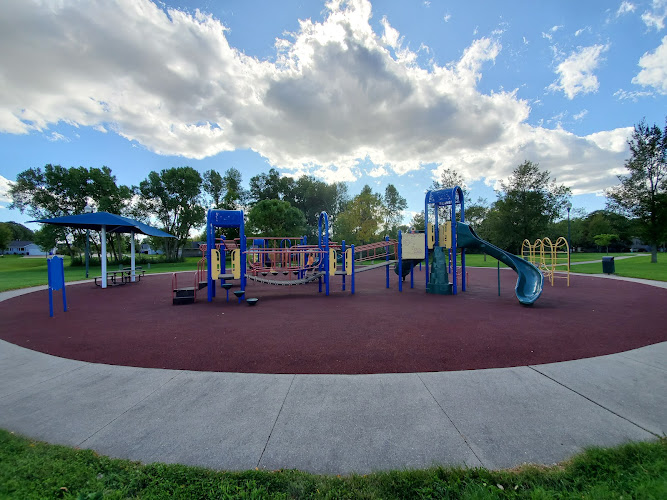
Derks Park
Find Accommodations Nearby
Recommended Tours & Activities
Visitor Reviews
There are no reviews yet. Be the first one to write one.
Share Your Experience
Have you visited Appleton History Museum? Help other travelers by leaving a review.