
Animal Ark
About Animal Ark
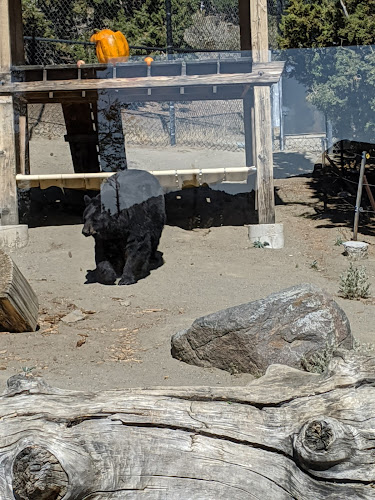
The Animal Ark stands as a sanctuary where wildlife conservation meets hands-on education, offering travelers a refreshing alternative to traditional zoos. This non-profit wildlife park operates with a mission that goes beyond simple entertainment—it's dedicated to rescuing animals that can't be released back into the wild and providing them with permanent homes while educating visitors about wildlife preservation.
What sets this sanctuary apart from your typical tourist attraction is its genuine commitment to animal welfare. The creatures here aren't performing tricks or living behind standard zoo barriers. Instead, they're residents who've found refuge after being orphaned, injured, or raised in captivity. Walking through the facility, you'll notice how the staff truly knows each animal's backstory, and honestly, there's something quite moving about that level of personal care.
I've visited quite a few wildlife centers over the years, and there's usually this disconnect between the animals and the educational component. But here? The learning naturally flows from observing these magnificent creatures in thoughtfully designed habitats. You're not just reading plaques—you're witnessing conservation in action.
The nature center component adds another dimension to the experience. It's not massive like some of those sprawling safari parks, which actually works in its favor. You can comfortably explore everything in a few hours without feeling rushed or exhausted. And for families traveling with kids, that's honestly the sweet spot before everyone gets cranky and overstimulated.
Key Features
- Native and non-native wildlife species rescued from situations where they couldn't survive independently in the wild
- Educational programs designed for multiple age groups, from young children discovering animals for the first time to adults seeking deeper conservation knowledge
- Wheelchair accessible facilities throughout, including both the entrance and restroom facilities, making it genuinely inclusive for visitors with mobility considerations
- Smaller, more intimate setting that allows for closer animal observations compared to sprawling zoo environments
- Non-profit structure ensuring visitor fees directly support animal care and conservation efforts rather than corporate profits
- Knowledgeable staff and volunteers who share detailed information about each resident animal's individual story and needs
- Natural habitat designs that prioritize animal welfare while still allowing quality viewing opportunities
- Interactive educational displays at the nature center portion that complement the animal encounters
- Photo opportunities that don't require pressuring animals into unnatural behaviors—you're capturing them being themselves
- Seasonal programming that changes throughout the year, giving repeat visitors fresh experiences
Best Time to Visit
Timing your visit to the Animal Ark can genuinely make the difference between a good experience and a great one. The shoulder seasons—spring and fall—tend to offer the most comfortable conditions for both visitors and animals. During these periods, you'll find moderate temperatures that keep the animals more active and visible throughout the day.
Summer brings the longest operating hours, which sounds ideal until you consider that many of the animals (being quite sensible creatures) retreat to shaded areas during the hottest parts of the day. If you're visiting during summer months, aim for early morning visits right when they open. The animals are more active, the temperatures haven't peaked yet, and you'll beat the afternoon crowds. I learned this the hard way during a July visit when I showed up at 2 PM and half the residents were napping in the shade.
Fall deserves special mention because the desert landscape surrounding the facility transforms into something quite beautiful. The temperatures drop to genuinely pleasant levels, and you might catch animals displaying behaviors you wouldn't see during scorching summer months.
Winter visits can be surprisingly enjoyable, though you'll want to check their seasonal hours as they sometimes operate on reduced schedules. But here's a insider perspective—some of the cold-weather adapted animals become noticeably more energetic when temperatures drop. Plus, winter weekdays see significantly fewer visitors, meaning you can take your time at each habitat without navigating around crowds.
Weekdays generally provide a more relaxed atmosphere compared to weekends, though you might encounter school field trips on certain days. Weekend mornings work well too, just arrive early before the midday rush.
Weather matters more than you might initially think. Avoid visiting on extremely windy days, as the animals tend to be less visible and the experience becomes less enjoyable when you're fighting dust and debris. Overcast days? Actually pretty ideal—animals stay active longer without intense sun, and lighting for photographs often looks better.
How to Get There
Getting to the Animal Ark requires a bit of planning since it's not located right in the middle of a major city. The sanctuary sits in a more remote setting, which actually contributes to its charm and the authentic nature experience it provides. However, this does mean you'll need personal transportation—this isn't really a public transit accessible destination.
Most visitors arrive by personal vehicle, and that's honestly your best bet. The drive itself offers some scenic views, particularly if you're coming from urban areas and appreciate the transition into more natural landscapes. Roads leading to the facility are paved and well-maintained, though you'll want to pay attention to your navigation system or directions as the final approaches can be a bit tricky for first-time visitors.
If you're staying in nearby accommodations, the drive typically ranges from 20 to 45 minutes depending on your starting point. Factor in a bit of extra time for your first visit—I've definitely missed a turn or two in areas where landmarks are less obvious than city streets.
Rental cars work perfectly fine for this trip. You don't need any special vehicle or four-wheel drive capability. Standard sedans handle the journey without issues. Just make sure you've got enough fuel before heading out, as gas stations become sparse in the surrounding area.
Ride-sharing services technically could work, but you'd face challenges arranging a return pickup from a location with limited cellular service. Not impossible, just potentially frustrating. If you're traveling without a car, consider hiring a local guide service that includes transportation—several tourism operators in the region offer packages.
Parking at the facility is straightforward with designated areas close to the entrance. No need to worry about competitive parking situations or walking long distances from your vehicle.
Tips for Visiting
Dress for outdoor conditions regardless of the season. This is an outdoor facility where you'll be walking on natural terrain, so leave those fancy sandals at your hotel. Comfortable, closed-toe shoes make the experience significantly better. And layers—always bring layers. Desert climates can shift temperatures dramatically, and what feels perfect at 10 AM might feel quite different by 2 PM.
Sunscreen isn't optional; it's essential. Even on cloudy days, even in winter. I've seen too many tourists turn lobster-red because they underestimated the sun at higher elevations. Bring a hat too. Your future self will thank you.
Water bottles are your friends here. Staying hydrated matters more than most travelers realize, especially if you're not accustomed to drier climates. Some visitors bring small backpacks with snacks too, which makes sense for families with children.
Photography enthusiasts should bring proper cameras rather than relying solely on phones. The lighting conditions and distances involved often exceed what phone cameras handle well. But here's something I wish someone had told me earlier—patience yields better photos than fancy equipment. Wait for the animals to move into good positions rather than snapping dozens of mediocre shots.
Timing your arrival for feeding times can enhance your experience significantly. Check their schedule when you arrive and plan your route through the facility accordingly. Animals become dramatically more active and visible during feeding periods.
Engage with the staff and volunteers. They're incredibly knowledgeable and passionate about the animals under their care. Ask questions beyond what's posted on signs—these folks have stories and insights that bring the whole experience to life.
Respect the posted guidelines about not disturbing animals or attempting to feed them. These rules exist for legitimate safety and welfare reasons, not just as bureaucratic formalities. The animals here have specific dietary needs and health considerations.
Budget more time than you initially think necessary. Even though the facility isn't enormous, rushing through defeats the purpose. This is a place for observation and connection, not checking boxes on a sightseeing list.
Consider making a donation beyond admission fees if you're able. As a non-profit, they depend on visitor support to continue their conservation work. Even small contributions make tangible differences in animal care quality.
Accessibility features are available, but if you or someone in your group has specific mobility needs, call ahead to discuss any concerns. The staff can provide guidance on which areas work best for wheelchairs or other assistive devices.
Finally—and this might sound odd—manage your expectations appropriately. This isn't a theme park with guaranteed entertainment every minute. Animals have off days, quiet moments, and natural behaviors that might include lots of resting. That's authentic wildlife observation, and there's real value in experiencing animals being themselves rather than performing.
Key Features
- Rescue and sanctuary for orphaned, injured and non-releasable regional wildlife
- Up-close educational tours and volunteer-led talks about individual animals
- ZAA-accredited facility with experienced animal care staff
- Seasonal operations with outdoor enclosures set in forested foothills
- Symbolic adoption and community outreach programs
Nearby Attractions
You Might Also Like

Artown
Bartley Ranch Regional Park
Believe Sculpture
Tours & Activities
GetYourGuide provides this tour inventory. We may earn a commission if you book through it; verify current availability, prices, and terms with the provider.
Visitor Reviews
There are no reviews yet. Be the first one to write one.
Share Your Experience
Have you visited Animal Ark? Help other travelers by leaving a review.