
Angono-Binangonan Petroglyphs Site
About Angono-Binangonan Petroglyphs Site
Description
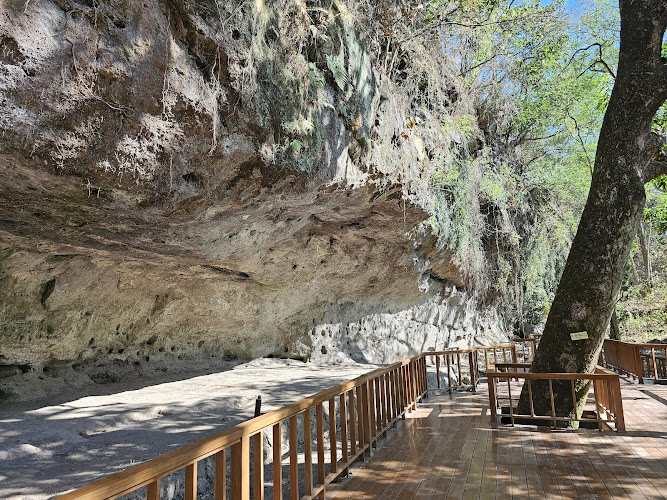
Imagine stepping back thousands of years, right into the dawn of human creativity. That’s exactly what you get when you visit the Angono-Binangonan Petroglyphs Site. This place isn’t just some dusty old rock wall; it’s a genuine time capsule etched by Neolithic hands, showcasing humans and animals carved into stone. These figures whisper stories from a time long before written history, giving you a rare glimpse into the lives and beliefs of early Filipinos.
Now, don’t expect a sprawling museum with flashy exhibits here. The petroglyphs are housed in a rock shelter that feels intimate and a bit mysterious—like a secret waiting to be uncovered. It’s a cultural landmark that’s been officially recognized as a national treasure, and rightly so. The carvings are some of the oldest known artworks in the Philippines, making this site a must-see for history buffs and curious travelers alike.
One thing to keep in mind: while the site offers restroom facilities that are wheelchair accessible, the entrance itself isn’t the easiest to navigate for those with mobility challenges. So, plan accordingly if you’re bringing someone who might need extra help. Also, there’s no restaurant on-site, so pack some snacks or plan to eat before or after your visit.
If you’re traveling with kids, you’ll be happy to know this spot can actually be pretty engaging for them. The ancient carvings spark curiosity and make history feel alive—way better than reading it from a textbook, trust me. Just be ready to answer a lot of questions, because once kids get interested, they don’t stop!
Key Features
- Neolithic-era petroglyphs featuring humans and animals carved into rock walls
- Recognized as a National Cultural Treasure and historical landmark
- Located within a natural rock shelter offering an intimate viewing experience
- Wheelchair accessible restrooms available (entrance not fully accessible)
- Family-friendly with educational value for children
- Quiet, contemplative atmosphere perfect for history lovers and cultural enthusiasts
- On-site restroom facilities; no dining options, so bring your own refreshments
Best Time to Visit
Timing your visit right can totally change the vibe of the Angono-Binangonan Petroglyphs. Early mornings are golden because the site is cooler and less crowded. Plus, the soft morning light makes the carvings easier to see and appreciate. If you’re like me and hate jostling with crowds, this is your sweet spot.
Avoid weekends and local holidays if possible—this place can get surprisingly busy, especially with school groups and tourists. The wet season, typically from June to November, brings a lot of rain, which can make the paths slippery and the experience less enjoyable. So, shoot for the dry months between December and May for the best conditions.
How to Get There
Getting to the Angono-Binangonan Petroglyphs is an adventure in itself. It’s situated in the province of Rizal, just a bit outside Metro Manila, making it a doable day trip if you’re based in the city. From Manila, you can hop on a jeepney or bus heading toward Angono or Binangonan. The ride usually takes about an hour, depending on traffic (which, let’s be honest, can be a bit unpredictable).
Once you reach the town proper, locals are pretty friendly and can point you toward the petroglyphs. If you’re feeling adventurous, tricycles are the way to go for the last stretch. Keep in mind, the final walk to the rock shelter involves some uneven terrain, so wear comfortable shoes and be ready for a little hike.
Tips for Visiting
Alright, here’s where I get a bit personal. When I first visited, I underestimated how fragile the carvings are. So, please, don’t touch the rock art—even if you’re tempted. Oils from your skin can damage these priceless works over time. Respect the site like it’s a living, breathing piece of history because, well, it kinda is.
Bring a camera or smartphone, but remember flash photography is usually discouraged to protect the petroglyphs. Natural light does wonders here, so try to visit when the sun is up high enough to illuminate the carvings.
Also, pack water and light snacks, especially if you’re visiting with kids. There’s no restaurant nearby, and the walk can work up a thirst. Oh, and wear a hat or sunscreen because parts of the path are exposed to the sun.
Lastly, take your time. This isn’t a place to rush through. Sit down, observe the details, and let your imagination wander. Think about the folks who carved these images thousands of years ago—what were their lives like? What stories did they want to tell? It’s a humbling, kinda magical experience.
Key Features
- Neolithic-era petroglyphs featuring humans and animals carved into rock walls
- Recognized as a National Cultural Treasure and historical landmark
- Located within a natural rock shelter offering an intimate viewing experience
- Wheelchair accessible restrooms available (entrance not fully accessible)
- Family-friendly with educational value for children
- Quiet, contemplative atmosphere perfect for history lovers and cultural enthusiasts
- On-site restroom facilities; no dining options, so bring your own refreshments
More Details
Updated August 2, 2025
Table of Contents
- Description
- Key Features
- Best Time to Visit
- How to Get There
- Tips for Visiting
- Key Highlights
- Location
- Places to Stay Near Angono-Binangonan Petroglyphs Site
- Find and Book a Tour
- Explore More Travel Guides
- Nearby Places You Might Like
- Traveler Reviews for Angono-Binangonan Petroglyphs Site
- Share Your Experience
Description
Imagine stepping back thousands of years, right into the dawn of human creativity. That’s exactly what you get when you visit the Angono-Binangonan Petroglyphs Site. This place isn’t just some dusty old rock wall; it’s a genuine time capsule etched by Neolithic hands, showcasing humans and animals carved into stone. These figures whisper stories from a time long before written history, giving you a rare glimpse into the lives and beliefs of early Filipinos.
Now, don’t expect a sprawling museum with flashy exhibits here. The petroglyphs are housed in a rock shelter that feels intimate and a bit mysterious—like a secret waiting to be uncovered. It’s a cultural landmark that’s been officially recognized as a national treasure, and rightly so. The carvings are some of the oldest known artworks in the Philippines, making this site a must-see for history buffs and curious travelers alike.
One thing to keep in mind: while the site offers restroom facilities that are wheelchair accessible, the entrance itself isn’t the easiest to navigate for those with mobility challenges. So, plan accordingly if you’re bringing someone who might need extra help. Also, there’s no restaurant on-site, so pack some snacks or plan to eat before or after your visit.
If you’re traveling with kids, you’ll be happy to know this spot can actually be pretty engaging for them. The ancient carvings spark curiosity and make history feel alive—way better than reading it from a textbook, trust me. Just be ready to answer a lot of questions, because once kids get interested, they don’t stop!
Key Features
- Neolithic-era petroglyphs featuring humans and animals carved into rock walls
- Recognized as a National Cultural Treasure and historical landmark
- Located within a natural rock shelter offering an intimate viewing experience
- Wheelchair accessible restrooms available (entrance not fully accessible)
- Family-friendly with educational value for children
- Quiet, contemplative atmosphere perfect for history lovers and cultural enthusiasts
- On-site restroom facilities; no dining options, so bring your own refreshments
Best Time to Visit
Timing your visit right can totally change the vibe of the Angono-Binangonan Petroglyphs. Early mornings are golden because the site is cooler and less crowded. Plus, the soft morning light makes the carvings easier to see and appreciate. If you’re like me and hate jostling with crowds, this is your sweet spot.
Avoid weekends and local holidays if possible—this place can get surprisingly busy, especially with school groups and tourists. The wet season, typically from June to November, brings a lot of rain, which can make the paths slippery and the experience less enjoyable. So, shoot for the dry months between December and May for the best conditions.
How to Get There
Getting to the Angono-Binangonan Petroglyphs is an adventure in itself. It’s situated in the province of Rizal, just a bit outside Metro Manila, making it a doable day trip if you’re based in the city. From Manila, you can hop on a jeepney or bus heading toward Angono or Binangonan. The ride usually takes about an hour, depending on traffic (which, let’s be honest, can be a bit unpredictable).
Once you reach the town proper, locals are pretty friendly and can point you toward the petroglyphs. If you’re feeling adventurous, tricycles are the way to go for the last stretch. Keep in mind, the final walk to the rock shelter involves some uneven terrain, so wear comfortable shoes and be ready for a little hike.
Tips for Visiting
Alright, here’s where I get a bit personal. When I first visited, I underestimated how fragile the carvings are. So, please, don’t touch the rock art—even if you’re tempted. Oils from your skin can damage these priceless works over time. Respect the site like it’s a living, breathing piece of history because, well, it kinda is.
Bring a camera or smartphone, but remember flash photography is usually discouraged to protect the petroglyphs. Natural light does wonders here, so try to visit when the sun is up high enough to illuminate the carvings.
Also, pack water and light snacks, especially if you’re visiting with kids. There’s no restaurant nearby, and the walk can work up a thirst. Oh, and wear a hat or sunscreen because parts of the path are exposed to the sun.
Lastly, take your time. This isn’t a place to rush through. Sit down, observe the details, and let your imagination wander. Think about the folks who carved these images thousands of years ago—what were their lives like? What stories did they want to tell? It’s a humbling, kinda magical experience.
Key Highlights
- Neolithic-era petroglyphs featuring humans and animals carved into rock walls
- Recognized as a National Cultural Treasure and historical landmark
- Located within a natural rock shelter offering an intimate viewing experience
- Wheelchair accessible restrooms available (entrance not fully accessible)
- Family-friendly with educational value for children
- Quiet, contemplative atmosphere perfect for history lovers and cultural enthusiasts
- On-site restroom facilities; no dining options, so bring your own refreshments
Location
Places to Stay Near Angono-Binangonan Petroglyphs Site
Find and Book a Tour
Explore More Travel Guides
No reviews found! Be the first to review!
Traveler Reviews for Angono-Binangonan Petroglyphs Site
There are no reviews yet. Be the first one to write one.
Have you visited Angono-Binangonan Petroglyphs Site? Help other travelers by sharing your review.
You Might Also Like
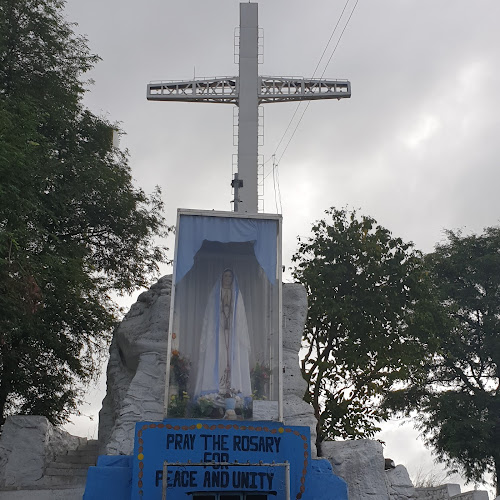
Ang Kalbaryo
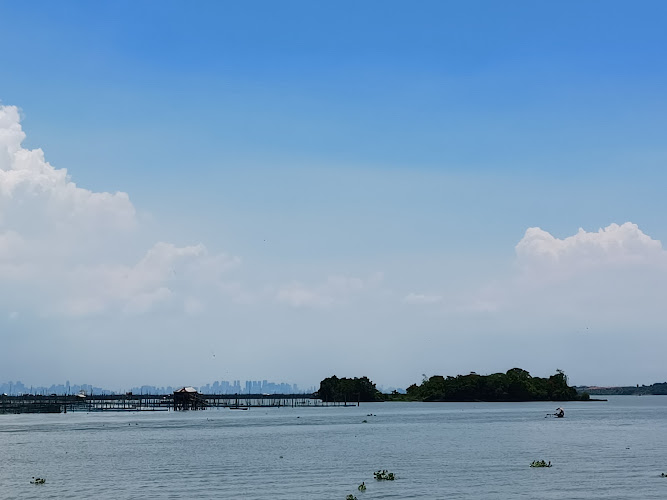
Brgy Kalinawan

Binangonan Light House at Santorini Estates
Find Accommodations Nearby
Recommended Tours & Activities
Visitor Reviews
There are no reviews yet. Be the first one to write one.
Share Your Experience
Have you visited Angono-Binangonan Petroglyphs Site? Help other travelers by leaving a review.