
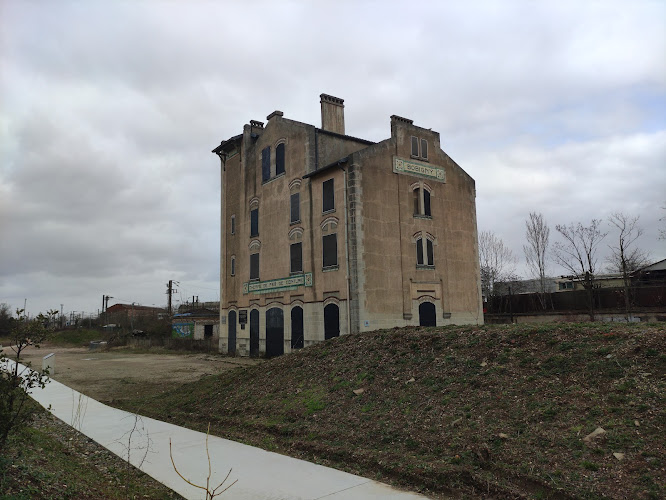
Ancienne Gare de déportation de Bobigny
About Ancienne Gare de déportation de Bobigny
Description
The Ancienne Gare de déportation de Bobigny stands as a solemn reminder etched into the landscape of French history, a place where memory and reality collide in a deeply moving way. This former railway station was used during World War II as a deportation point for thousands of Jews and other victims sent to Nazi concentration camps. Walking through its grounds feels bittersweet – a heavy silence that presses down on you, yet it’s impossible not to feel the importance of bearing witness here.
This isn’t your usual tourist spot by any means; it demands reflection and respect. It’s a memorial site, sure, but it’s also a place that quietly shouts stories of pain, resistance, and the very human cost of war. The station’s bare brick structures and remnants are preserved deliberately, avoiding any gloss or fluff. It’s raw and real – almost like the site itself refuses to let time dilute its tragic past.
What makes this place stand out, I think, is how it confronts you with history without sugarcoating it. You don’t get flowery narratives or overly dramatized tales. Instead, there’s a stark simplicity in how the story is told; the cold platform, the old tracks, the modest plaques—all trigger a profound sense of loss and remembrance. Visitors often leave feeling a mix of emotions: sadness, anger, contemplation, even hope that such atrocities never happen again.
Over the years, this memorial has drawn a steady stream of visitors, from school groups trying to understand the past, to historians and tourists with a keen interest in WWII. Some find the experience overwhelming, others find it grounding. But nearly everyone acknowledges the weight the place carries—it's one of those rare spots where history stays alive, almost refuses to be forgotten.
There’s something deeply human about visiting this memorial. It doesn't just teach you dates and facts; it forces you to reckon with the idea of ordinary people caught in horrifying circumstances. For some, that’s a tough pill to swallow, but ultimately, it’s that honesty that makes the Ancienne Gare de déportation de Bobigny more than just a historical site – it becomes a powerful call to remember, and to act against hatred in whatever form it takes.
Key Features
- Original railway tracks and platforms preserved to evoke the deportation journeys’ stark reality
- Informative plaques and displays that present facts clearly without overwhelming you
- Quiet surroundings that allow for personal reflection away from the bustle of the city
- Architectural remains maintaining authenticity, offering a genuine glimpse into the past
- Educational focus that includes guided tours and materials for those wanting deeper understanding
- Memorial elements dedicated to the victims, fostering emotional connection and empathy
- Integration into local remembrance events, marking significant WWII anniversaries
Best Time to Visit
Honestly, the experience here isn’t about chasing sunshine or beating crowds, but about timing your visit when you can fully absorb the atmosphere. Spring and early autumn tend to be ideal because the weather in the Paris outskirts is mild – not too hot, not freezing – so you won’t be distracted by discomfort. Plus, it's less crowded compared to peak summer months, which makes it easier to find your own quiet corner for reflection.
Winter visits bring their own kind of introspective mood, especially on gray, overcast days, when the cold seems to echo the solemnity of the place. But do bundle up, because the station itself is pretty exposed. It’s an outdoor museum of sorts, so weather impacts your experience quite a bit.
Try to plan your visit mid-week if possible, since weekends often draw larger groups, from school trips to organized tours. If you’re hoping for a more personal, slower-paced experience, weekdays are your friend. And if you’re visiting during remembrance ceremonies, be ready for crowds but also for powerful communal moments that you won’t find any other time.
How to Get There
Getting to the Ancienne Gare de déportation de Bobigny is pretty straightforward, though it might require a bit of planning if you’re coming from central Paris. The site sits in Bobigny, a northeastern suburb of Paris, so public transportation is your best bet to keep things smooth and stress-free.
Take the Paris Métro line 5 towards Bobigny Pablo Picasso station – it’s the closest metro stop to the memorial. From there, it’s a roughly 15-minute walk. The walk itself is along fairly busy city streets, so keep an eye out while crossing roads—but the neighborhood's everyday vibe might give you a glimpse into contemporary suburban life beyond tourist spots.
If you’re not keen on walking, there are local buses that run from the Metro station closer to the memorial. Just check the latest schedules before you go; Paris’s public transport can be a bit of a moving target during strikes or maintenance works. And, well, if you’re driving, there’s parking around, but traffic can be a bit heavy during rush hour, so patience is part of the deal.
One of the more impactful parts of visiting here is imagining how these same tracks and platforms once carried people to a fate they never wanted. It adds a chilling layer knowing this isn’t some recreated museum set up just for tourists – it’s the actual route taken, frozen in time but vibrating with history.
Tips for Visiting
Alright, first off: bring your patience and your open heart. This isn’t Disneyland—it’s a site of remembrance, not entertainment. Give yourself time to soak in the atmosphere. Don’t rush through, because it’s the quiet moments that hit the hardest.
Another thing—try to go with some background knowledge. You don’t have to be a historian, but understanding the basic context really changes the experience. When you’re standing there, reading those plaques, you’ll get way more from it if you know just a bit about the horrors that unfolded here.
If you can, attend a guided tour. From my own wandering through historical sites, tours often unlock stories that plaques miss. Guides bring passion and detailed insights, including some lesser-known facts that make the entire visit richer and more memorable.
Wear comfortable shoes. The site is mostly outdoors and involves some walking on uneven paths, so sneakers or sturdy shoes can save you from uncomfortable blisters—and trust me, these little things make a big difference.
Don’t expect flashy exhibitions or multimedia shows. This place speaks wood, stone, and silence, so if you’re looking for high-tech distractions, you’ll likely be disappointed. But if you want history that feels immediate, raw, and unavoidable, this is the spot.
And, frankly, be prepared for emotions. It’s totally normal to feel moved, or even shaken. Those feelings mean you’re connecting with the place, not just ticking off a box on your itinerary.
Lastly, take a moment after your visit to explore Bobigny a bit. It’s not a tourist hotspot, but walking through its daily life can offer perspective on how history shapes neighborhoods and people generations later.
Key Features
- Original railway tracks and platforms preserved to evoke the deportation journeys’ stark reality
- Informative plaques and displays that present facts clearly without overwhelming you
- Quiet surroundings that allow for personal reflection away from the bustle of the city
- Architectural remains maintaining authenticity, offering a genuine glimpse into the past
- Educational focus that includes guided tours and materials for those wanting deeper understanding
- Memorial elements dedicated to the victims, fostering emotional connection and empathy
- Integration into local remembrance events, marking significant WWII anniversaries
More Details
Updated June 5, 2025
Table of Contents
- Description
- Key Features
- Best Time to Visit
- How to Get There
- Tips for Visiting
- Key Highlights
- Location
- Places to Stay Near Ancienne Gare de déportation de Bobigny
- Find and Book a Tour
- Explore More Travel Guides
- Nearby Places You Might Like
- Traveler Reviews for Ancienne Gare de déportation de Bobigny
- Share Your Experience
Description
The Ancienne Gare de déportation de Bobigny stands as a solemn reminder etched into the landscape of French history, a place where memory and reality collide in a deeply moving way. This former railway station was used during World War II as a deportation point for thousands of Jews and other victims sent to Nazi concentration camps. Walking through its grounds feels bittersweet – a heavy silence that presses down on you, yet it’s impossible not to feel the importance of bearing witness here.
This isn’t your usual tourist spot by any means; it demands reflection and respect. It’s a memorial site, sure, but it’s also a place that quietly shouts stories of pain, resistance, and the very human cost of war. The station’s bare brick structures and remnants are preserved deliberately, avoiding any gloss or fluff. It’s raw and real – almost like the site itself refuses to let time dilute its tragic past.
What makes this place stand out, I think, is how it confronts you with history without sugarcoating it. You don’t get flowery narratives or overly dramatized tales. Instead, there’s a stark simplicity in how the story is told; the cold platform, the old tracks, the modest plaques—all trigger a profound sense of loss and remembrance. Visitors often leave feeling a mix of emotions: sadness, anger, contemplation, even hope that such atrocities never happen again.
Over the years, this memorial has drawn a steady stream of visitors, from school groups trying to understand the past, to historians and tourists with a keen interest in WWII. Some find the experience overwhelming, others find it grounding. But nearly everyone acknowledges the weight the place carries—it’s one of those rare spots where history stays alive, almost refuses to be forgotten.
There’s something deeply human about visiting this memorial. It doesn’t just teach you dates and facts; it forces you to reckon with the idea of ordinary people caught in horrifying circumstances. For some, that’s a tough pill to swallow, but ultimately, it’s that honesty that makes the Ancienne Gare de déportation de Bobigny more than just a historical site – it becomes a powerful call to remember, and to act against hatred in whatever form it takes.
Key Features
- Original railway tracks and platforms preserved to evoke the deportation journeys’ stark reality
- Informative plaques and displays that present facts clearly without overwhelming you
- Quiet surroundings that allow for personal reflection away from the bustle of the city
- Architectural remains maintaining authenticity, offering a genuine glimpse into the past
- Educational focus that includes guided tours and materials for those wanting deeper understanding
- Memorial elements dedicated to the victims, fostering emotional connection and empathy
- Integration into local remembrance events, marking significant WWII anniversaries
Best Time to Visit
Honestly, the experience here isn’t about chasing sunshine or beating crowds, but about timing your visit when you can fully absorb the atmosphere. Spring and early autumn tend to be ideal because the weather in the Paris outskirts is mild – not too hot, not freezing – so you won’t be distracted by discomfort. Plus, it’s less crowded compared to peak summer months, which makes it easier to find your own quiet corner for reflection.
Winter visits bring their own kind of introspective mood, especially on gray, overcast days, when the cold seems to echo the solemnity of the place. But do bundle up, because the station itself is pretty exposed. It’s an outdoor museum of sorts, so weather impacts your experience quite a bit.
Try to plan your visit mid-week if possible, since weekends often draw larger groups, from school trips to organized tours. If you’re hoping for a more personal, slower-paced experience, weekdays are your friend. And if you’re visiting during remembrance ceremonies, be ready for crowds but also for powerful communal moments that you won’t find any other time.
How to Get There
Getting to the Ancienne Gare de déportation de Bobigny is pretty straightforward, though it might require a bit of planning if you’re coming from central Paris. The site sits in Bobigny, a northeastern suburb of Paris, so public transportation is your best bet to keep things smooth and stress-free.
Take the Paris Métro line 5 towards Bobigny Pablo Picasso station – it’s the closest metro stop to the memorial. From there, it’s a roughly 15-minute walk. The walk itself is along fairly busy city streets, so keep an eye out while crossing roads—but the neighborhood’s everyday vibe might give you a glimpse into contemporary suburban life beyond tourist spots.
If you’re not keen on walking, there are local buses that run from the Metro station closer to the memorial. Just check the latest schedules before you go; Paris’s public transport can be a bit of a moving target during strikes or maintenance works. And, well, if you’re driving, there’s parking around, but traffic can be a bit heavy during rush hour, so patience is part of the deal.
One of the more impactful parts of visiting here is imagining how these same tracks and platforms once carried people to a fate they never wanted. It adds a chilling layer knowing this isn’t some recreated museum set up just for tourists – it’s the actual route taken, frozen in time but vibrating with history.
Tips for Visiting
Alright, first off: bring your patience and your open heart. This isn’t Disneyland—it’s a site of remembrance, not entertainment. Give yourself time to soak in the atmosphere. Don’t rush through, because it’s the quiet moments that hit the hardest.
Another thing—try to go with some background knowledge. You don’t have to be a historian, but understanding the basic context really changes the experience. When you’re standing there, reading those plaques, you’ll get way more from it if you know just a bit about the horrors that unfolded here.
If you can, attend a guided tour. From my own wandering through historical sites, tours often unlock stories that plaques miss. Guides bring passion and detailed insights, including some lesser-known facts that make the entire visit richer and more memorable.
Wear comfortable shoes. The site is mostly outdoors and involves some walking on uneven paths, so sneakers or sturdy shoes can save you from uncomfortable blisters—and trust me, these little things make a big difference.
Don’t expect flashy exhibitions or multimedia shows. This place speaks wood, stone, and silence, so if you’re looking for high-tech distractions, you’ll likely be disappointed. But if you want history that feels immediate, raw, and unavoidable, this is the spot.
And, frankly, be prepared for emotions. It’s totally normal to feel moved, or even shaken. Those feelings mean you’re connecting with the place, not just ticking off a box on your itinerary.
Lastly, take a moment after your visit to explore Bobigny a bit. It’s not a tourist hotspot, but walking through its daily life can offer perspective on how history shapes neighborhoods and people generations later.
Key Highlights
- Original railway tracks and platforms preserved to evoke the deportation journeys’ stark reality
- Informative plaques and displays that present facts clearly without overwhelming you
- Quiet surroundings that allow for personal reflection away from the bustle of the city
- Architectural remains maintaining authenticity, offering a genuine glimpse into the past
- Educational focus that includes guided tours and materials for those wanting deeper understanding
- Memorial elements dedicated to the victims, fostering emotional connection and empathy
- Integration into local remembrance events, marking significant WWII anniversaries
Location
Places to Stay Near Ancienne Gare de déportation de Bobigny
Find and Book a Tour
Explore More Travel Guides
No reviews found! Be the first to review!
Traveler Reviews for Ancienne Gare de déportation de Bobigny
There are no reviews yet. Be the first one to write one.
Have you visited Ancienne Gare de déportation de Bobigny? Help other travelers by sharing your review.
You Might Also Like
Find Accommodations Nearby
Recommended Tours & Activities
Visitor Reviews
There are no reviews yet. Be the first one to write one.
Share Your Experience
Have you visited Ancienne Gare de déportation de Bobigny? Help other travelers by leaving a review.