

An Giang Museum
About An Giang Museum
Description
The An Giang Museum sits as a compact but richly layered window into the life, history, and cultures of An Giang province in the Mekong Delta. From the moment a visitor steps inside, they find a museum that prefers depth over flash: modest galleries, careful labeling, and an emphasis on stories — especially the daily stories of farming, river travel, and the interwoven lives of Khmer, Cham, and Kinh communities. It is the kind of place that rewards a slow walk and a curious mind. People who come expecting huge, blockbuster displays might be surprised; people who like subtle, local-focused museums will likely leave pleased and with new questions to pursue.
Exhibit themes range from prehistoric archaeology and traditional crafts to the more modern chapters of provincial life. Stone tools, pottery shards, and interpretive panels chart the long human presence along the waterways. Those items are small, sometimes unassuming, but they anchor a narrative: An Giang as a crossroads where river, rice, and people meet. Next, the ethnographic displays explore the Cham and Khmer heritages that shape much of the province’s festivals, language, and architecture. Colorful textiles, ritual objects, and detailed models of local houses give a good sense of how communities live in the delta environment. It’s not overly academic — signage is practical, often only in Vietnamese or with limited English — yet the objects themselves communicate across language barriers.
Visitors who pay attention will find sections devoted to riverine life and the economics of the Mekong Delta. Old photographs, fishing gear, and boat models make plain how transport and trade on canals and the Hau Giang waterway have shaped settlement patterns. Street scenes and market dioramas are unexpectedly evocative: the floating markets and the wooden boats come alive in a different way when seen as artifacts, rather than just postcard images. The museum does a fine job showing how seasonal rhythms — flooding, rice planting and harvest, and fish migrations — influence everyday choices for people across the province.
There is also a colonial and modern history wing that covers the late 19th and 20th centuries, including resistance movements, administrative changes under French rule, and the region’s role in 20th-century conflicts. The tone here is careful and measured; it doesn’t shout propaganda, but it frames local stories within larger events. For travelers who are into history, these galleries provide context to the monuments and temples they might visit around Long Xuyen, Chau Doc, or Sam Mountain later on. And for photographers, some of the old photographs offer a texture of the past that contrasts nicely with current-day scenes in the Mekong Delta towns.
One of the quietly delightful things about the museum is how it foregrounds local crafts: examples of weaving, wood carving, and traditional Khmer and Cham ceremonial dress are displayed with explanatory notes about materials and techniques. The museum highlights how craft practices are changing — younger generations move to cities or work other jobs, and some specialist skills are at risk. That little note, right there, often sparks conversation among curious visitors about cultural preservation and sustainable tourism. In fact, the space feels like it was assembled by people who genuinely care about the province and want visitors to leave with a better grasp of the complexity behind a single image of the Mekong Delta.
Accessibility is practical rather than flashy. There are restrooms on site, and a wheelchair-accessible restroom is available, which makes the museum more welcoming to travelers with mobility needs. However, visitors should not expect a big visitor center vibe — there is no on-site restaurant and seating is limited, so plan accordingly if someone in the group needs longer breaks. Families do well here: the museum is considered suitable for children, with enough visual interest to keep youngsters attentive for an hour or two. The displays are curated to educate rather than to entertain; that works well for families who want meaningful cultural exposure rather than theme-park style thrills.
Language can be a mixed bag. Many labels and panels are in Vietnamese, and while some key sections have English translations, they are not comprehensive. This can be frustrating for travelers who like to read everything in detail; on the other hand, it encourages a different kind of engagement. A visitor might spend more time looking closely at an object, trying to infer its use, or asking a local guide for context — which often leads to better conversations and, frankly, more fun. Locals working at the museum are typically friendly and willing to help; they may not speak perfect English but will happily point out highlights or explain the significance of particular artifacts.
For travelers planning an itinerary around An Giang, the museum is a useful orientation stop. It gives a helpful overview of the province’s people and places, so that when someone later visits floating markets, Cham villages, Khmer pagodas, Sam Mountain, or the borderlands near Cambodia, the sights make deeper sense. It’s especially worth a visit on a rainy afternoon when outdoor plans get soggy; the museum provides dry, thoughtful company without demanding a whole day. Honestly, a good, focused visit takes about 60 to 90 minutes for most people — long enough to absorb the major themes, short enough to keep momentum for other nearby attractions.
There are a few nits to mention simply because travelers appreciate heads-up details. Some displays are in need of conservation: older labels are faded, and lighting is variable across galleries. The building itself is modest; at times it feels like a well-loved local institution rather than a polished tourist center. That authenticity is part of its charm, but it does mean the museum is best for travelers who prefer substance over gloss. Also, if someone expects interactive multimedia or big touchscreens, they will be disappointed. This museum tells its stories through objects, photographs, and careful text — low-tech but honest.
Insider tip that many guidebooks miss: ask about seasonal exhibits and community events. The museum occasionally hosts small displays or talks tied to regional festivals or agricultural cycles. When those are on, the place feels a little livelier — local students or elders sometimes come to present or to view the exhibits, and that can be an unexpectedly rewarding cultural exchange. Another nice detail: the museum’s maps of the province are excellent for travel planning. They show rivers, key towns, and sites like Sam Mountain and the larger towns such as Long Xuyen and Chau Doc, which is handy if someone is mapping out a day trip or a longer exploration of the Mekong Delta.
In short, the An Giang Museum is valuable because it centers local voices. It doesn’t overwhelm with scale but rather deepens an understanding of a part of Vietnam often seen only through scenic photographs. The museum quietly argues, with objects and a careful narrative, that the Mekong Delta is made of people, labor, belief, and adaptation. Travelers who approach it with patience and curiosity will leave with more than a few facts; they’ll leave with a framework that makes subsequent visits to markets, rivers, and temples feel richer and more meaningful. It’s not flashy. It is honest, and sometimes that is precisely what a traveler needs to really see a place.
Key Features
More Details
Updated August 29, 2025
Table of Contents
Description
The An Giang Museum sits as a compact but richly layered window into the life, history, and cultures of An Giang province in the Mekong Delta. From the moment a visitor steps inside, they find a museum that prefers depth over flash: modest galleries, careful labeling, and an emphasis on stories — especially the daily stories of farming, river travel, and the interwoven lives of Khmer, Cham, and Kinh communities. It is the kind of place that rewards a slow walk and a curious mind. People who come expecting huge, blockbuster displays might be surprised; people who like subtle, local-focused museums will likely leave pleased and with new questions to pursue.
Exhibit themes range from prehistoric archaeology and traditional crafts to the more modern chapters of provincial life. Stone tools, pottery shards, and interpretive panels chart the long human presence along the waterways. Those items are small, sometimes unassuming, but they anchor a narrative: An Giang as a crossroads where river, rice, and people meet. Next, the ethnographic displays explore the Cham and Khmer heritages that shape much of the province’s festivals, language, and architecture. Colorful textiles, ritual objects, and detailed models of local houses give a good sense of how communities live in the delta environment. It’s not overly academic — signage is practical, often only in Vietnamese or with limited English — yet the objects themselves communicate across language barriers.
Visitors who pay attention will find sections devoted to riverine life and the economics of the Mekong Delta. Old photographs, fishing gear, and boat models make plain how transport and trade on canals and the Hau Giang waterway have shaped settlement patterns. Street scenes and market dioramas are unexpectedly evocative: the floating markets and the wooden boats come alive in a different way when seen as artifacts, rather than just postcard images. The museum does a fine job showing how seasonal rhythms — flooding, rice planting and harvest, and fish migrations — influence everyday choices for people across the province.
There is also a colonial and modern history wing that covers the late 19th and 20th centuries, including resistance movements, administrative changes under French rule, and the region’s role in 20th-century conflicts. The tone here is careful and measured; it doesn’t shout propaganda, but it frames local stories within larger events. For travelers who are into history, these galleries provide context to the monuments and temples they might visit around Long Xuyen, Chau Doc, or Sam Mountain later on. And for photographers, some of the old photographs offer a texture of the past that contrasts nicely with current-day scenes in the Mekong Delta towns.
One of the quietly delightful things about the museum is how it foregrounds local crafts: examples of weaving, wood carving, and traditional Khmer and Cham ceremonial dress are displayed with explanatory notes about materials and techniques. The museum highlights how craft practices are changing — younger generations move to cities or work other jobs, and some specialist skills are at risk. That little note, right there, often sparks conversation among curious visitors about cultural preservation and sustainable tourism. In fact, the space feels like it was assembled by people who genuinely care about the province and want visitors to leave with a better grasp of the complexity behind a single image of the Mekong Delta.
Accessibility is practical rather than flashy. There are restrooms on site, and a wheelchair-accessible restroom is available, which makes the museum more welcoming to travelers with mobility needs. However, visitors should not expect a big visitor center vibe — there is no on-site restaurant and seating is limited, so plan accordingly if someone in the group needs longer breaks. Families do well here: the museum is considered suitable for children, with enough visual interest to keep youngsters attentive for an hour or two. The displays are curated to educate rather than to entertain; that works well for families who want meaningful cultural exposure rather than theme-park style thrills.
Language can be a mixed bag. Many labels and panels are in Vietnamese, and while some key sections have English translations, they are not comprehensive. This can be frustrating for travelers who like to read everything in detail; on the other hand, it encourages a different kind of engagement. A visitor might spend more time looking closely at an object, trying to infer its use, or asking a local guide for context — which often leads to better conversations and, frankly, more fun. Locals working at the museum are typically friendly and willing to help; they may not speak perfect English but will happily point out highlights or explain the significance of particular artifacts.
For travelers planning an itinerary around An Giang, the museum is a useful orientation stop. It gives a helpful overview of the province’s people and places, so that when someone later visits floating markets, Cham villages, Khmer pagodas, Sam Mountain, or the borderlands near Cambodia, the sights make deeper sense. It’s especially worth a visit on a rainy afternoon when outdoor plans get soggy; the museum provides dry, thoughtful company without demanding a whole day. Honestly, a good, focused visit takes about 60 to 90 minutes for most people — long enough to absorb the major themes, short enough to keep momentum for other nearby attractions.
There are a few nits to mention simply because travelers appreciate heads-up details. Some displays are in need of conservation: older labels are faded, and lighting is variable across galleries. The building itself is modest; at times it feels like a well-loved local institution rather than a polished tourist center. That authenticity is part of its charm, but it does mean the museum is best for travelers who prefer substance over gloss. Also, if someone expects interactive multimedia or big touchscreens, they will be disappointed. This museum tells its stories through objects, photographs, and careful text — low-tech but honest.
Insider tip that many guidebooks miss: ask about seasonal exhibits and community events. The museum occasionally hosts small displays or talks tied to regional festivals or agricultural cycles. When those are on, the place feels a little livelier — local students or elders sometimes come to present or to view the exhibits, and that can be an unexpectedly rewarding cultural exchange. Another nice detail: the museum’s maps of the province are excellent for travel planning. They show rivers, key towns, and sites like Sam Mountain and the larger towns such as Long Xuyen and Chau Doc, which is handy if someone is mapping out a day trip or a longer exploration of the Mekong Delta.
In short, the An Giang Museum is valuable because it centers local voices. It doesn’t overwhelm with scale but rather deepens an understanding of a part of Vietnam often seen only through scenic photographs. The museum quietly argues, with objects and a careful narrative, that the Mekong Delta is made of people, labor, belief, and adaptation. Travelers who approach it with patience and curiosity will leave with more than a few facts; they’ll leave with a framework that makes subsequent visits to markets, rivers, and temples feel richer and more meaningful. It’s not flashy. It is honest, and sometimes that is precisely what a traveler needs to really see a place.
Key Highlights
An Giang Museum
Location
Places to Stay Near An Giang Museum
Find and Book a Tour
Explore More Travel Guides
No reviews found! Be the first to review!
Traveler Reviews for An Giang Museum
There are no reviews yet. Be the first one to write one.
Have you visited An Giang Museum? Help other travelers by sharing your review.
You Might Also Like

Bắc Giang
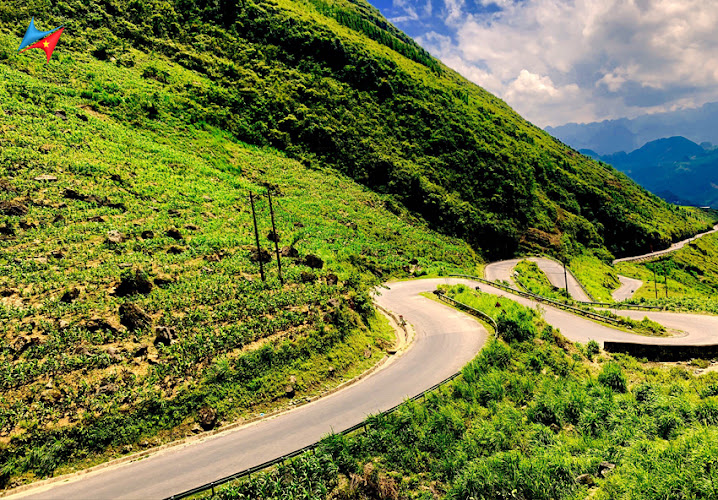
Mã Pí Lèng Pass
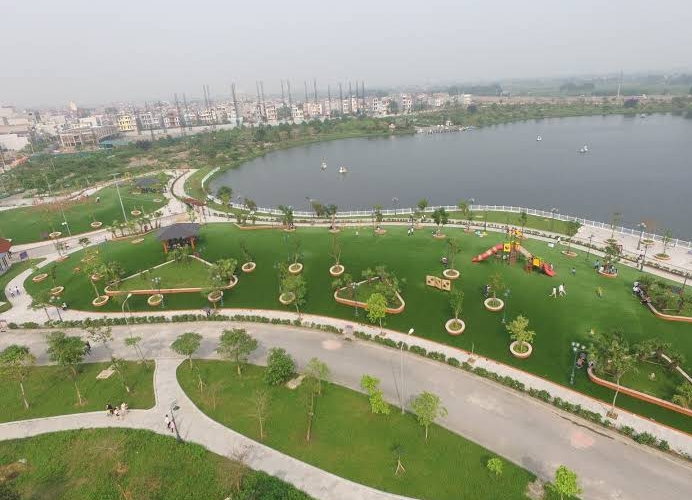
Hoang Hoa Tham Park
Find Accommodations Nearby
Recommended Tours & Activities
Visitor Reviews
There are no reviews yet. Be the first one to write one.
Share Your Experience
Have you visited An Giang Museum? Help other travelers by leaving a review.