
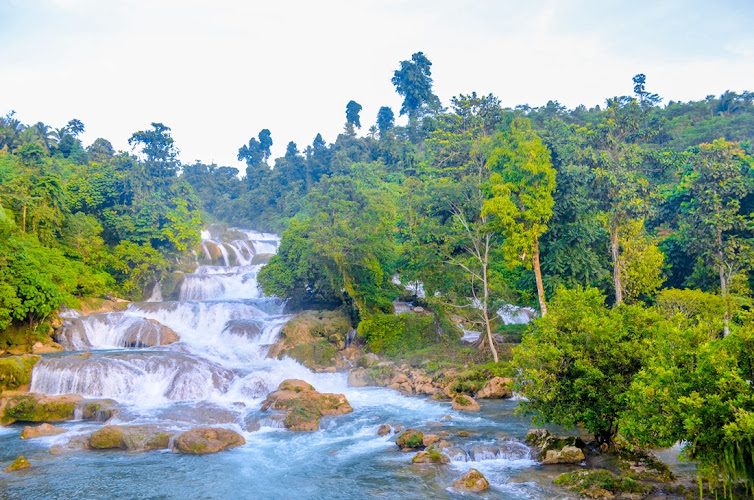
Aliwagwag Falls Eco Park
About Aliwagwag Falls Eco Park
Description
Aliwagwag Falls Eco Park is the kind of place that lives in your memory long after you leave. And for good reason—it’s one of those rare spots in the Philippines that feels almost surreal, like something straight out of a travel magazine but, you know, actually real. People always talk about the falls as this “must-visit,” but honestly, I think that’s underselling it a bit. Standing in front of Aliwagwag’s wild, staircased torrents, you get this sense of being dwarfed by nature in the absolute best way. We’re talking about more than 84 steps of cascading water tumbles, each unique, each photogenic (no joke, I still have half a memory card just of these falls).
But it’s not just gazing that makes Aliwagwag Falls Eco Park shine. The water’s inviting, the air feels about three degrees cooler than everywhere else, and that gurgling sound? You’ll want to bottle it up and play it back when city life gets crazy. The layout of the falls is pretty fascinating too—unlike other waterfalls that plunge straight down in one epic drop, Aliwagwag is this long, multi-tiered symphony of little pools and whitewater slopes. Depending on where you stand, you get a totally different vibe. Some levels are almost spa-like, perfect for dipping your toes or going full “swim until your lips turn blue” (guilty as charged). Others are raw and powerful, delivering a steady spray that somehow manages to plaster a permanent grin on your face.
I noticed on my trip that it’s not overbuilt—there’s room for folks to breathe, swim, have picnics, or just stretch out by the riverbank and let the sound of the falls wash away the last remnants of WiFi withdrawal. The eco park itself is designed to let the wildness stay front and center. Sure, there are amenities and a few splashy adventure activities (hello, zipline!), but it doesn’t scream “touristy” the way some natural attractions do. Most folks who visit seem genuinely awestruck. And for families, especially those with kids, it’s wildly accessible. Not every nature park hits that sweet spot between excitement and safety—but Aliwagwag manages, with a sort of relaxed energy that lets you go full explorer or just lay back and watch the clouds.
Of course, no place is flawless, and sometimes you’ll notice little things—maybe a slightly muddy footpath after rain, or a line at the zipline when everyone has the same idea at once. Honestly, though, those are small tradeoffs for the sheer scale and raw beauty. If you’re the type who loves places that feel alive, with a touch of unpredictability and plenty of space to create your own adventure, then Aliwagwag Falls Eco Park delivers.
Key Features
- Stepped Waterfalls: Over 84 cascading "steps," creating a multi-layered waterfall that’s practically made for exploration and Insta-envy. Each step is a little different, from wide swimming pools to narrower gurgling flows.
- Swimming Spots: Multiple clear pools for swimming. Water’s cool and refreshing, and there are both shallow and deeper areas, so everyone from little ones to wannabe-mermaids can jump in.
- Monkey Bridge: Not your everyday tourist feature. This hanging bridge dangles over the frothing water below—crossing it’s a thrill, and if you’re not a fan of heights, it’s still worth a peek (if just for the stories).
- Zip Lining: For adrenaline-junkies and even low-key thrill-seekers. The zip line offers epic aerial views of the falls—screams and nervous giggles echoing all the way.
- Nature Trails: Short hikes to viewpoints and secret benches. You’ll catch butterflies, the occasional monkey (if you get lucky), and plenty of rare birds. Great for the amateur photographer or anyone who likes a bit of a leg-stretch before lunch.
- Kid-Friendly Facilities: Picnic spots, seating, safe swimming sections, and loads of space for kids to splash and explore—without parents worrying every second.
- Onsite Services: Helpful staff who answer questions or help you plan your route around the park. Not obtrusive, just right.
- Eco Park Setting: Plenty of shaded spaces thanks to thick jungle cover—so even on those tropical scorchers, there’s always a spot to chill.
Best Time to Visit
Timing makes a lot of difference at Aliwagwag Falls Eco Park, and trust me—if you’re picky about crowds or weather, you’ll want to plan a bit. Most regulars and savvy travelers swear by the dry season, which usually runs from late November to about May. That’s when the sky’s mostly clear, water levels are just right for safe swimming and ziplining, and the risk of rain ruining your day is pretty low. I remember showing up on a Monday in March, sunblock in hand, and the only other folks around were a couple haggling over who got to go on the Monkey Bridge first. That quiet, tranquil vibe? Absolute gold.
Weekdays are definitely less busy. If you hate lines, and who doesn’t, try to swing your visit for a Tuesday or Wednesday. Saturdays and Sundays, especially holiday weekends and summer vacation, do get a little hectic. But as someone who’s braved the crowd, I’ll say: even at its busiest, the park rarely feels overwhelming because of all the nooks and different pools spread throughout the tiers.
Rainy season (June to October) makes the falls roarin’ strong and extra photogenic, but the tradeoff is muddier paths and occasional closures for safety reasons if the river swells. If you don’t mind a bit of unpredictability and maybe sacrificing perfect conditions for those wild, misty photographs—go for it anyway! There’s something kind of thrilling about seeing the falls at their wildest… just pack decent shoes and don’t risk the Monkey Bridge if staff advise against it. Oh, and mornings have their own magic—the light through the trees makes everything look enchanted, and if you arrive early enough, you might just have a whole pool to yourself. (That happened, and I was nearly late for lunch because I didn’t want to leave.)
How to Get There
Getting to Aliwagwag Falls Eco Park isn’t as tricky as old online forums make it sound—just requires a bit of patience and an adventurous spirit. Most travelers start from Davao City, which is a solid launch pad for the eastern part of Mindanao. And from there, you’ve got a couple of classic options. If you’ve got wheels or like the freedom of stopping for random roadside snacks (and seriously, those bibingka stands along the way are dangerous), car or rented van is easiest. The drive takes about 4 to 5 hours, depending on road conditions and how often you stop for photos of rice paddies and coconut trees.
Public transportation’s not out of the question. Hop a bus from Davao City headed for Cateel or Baganga; there are regular schedules, but honestly, buses here run on island time, so a bit of patience is required. From Cateel town center, you can grab a habal-habal (motorbike taxi)—one of those “hold-on-tight and pray for the best” rides, but they’re fun and pretty much part of any legit provincial adventure. Be sure to chat with your driver; locals know the best shortcuts and can tell you which spots aren’t worth the crowd.
I’ve met folks who bike or even hike the final stretch (bless their hearts), but unless you’re in it for the story, the main road works fine. Parking’s generally easy; if you come early, you get the shaded spots (and trust me, your dashboard will thank you by noon). Entrance fees are reasonable, and staff at the gate are happy to help with directions or answer any “where’s the restroom?” questions.
Tips for Visiting
Bring a bit of curiosity and patience—Aliwagwag Falls Eco Park rewards both! Here are some tips I swear by after my own visits:
- Pack light but smart. Walking shoes or sandals with grip are key; rocks can get slippery (especially after rain). If you’re planning to stay in the water for a while, bring an extra shirt or sarong—breeze from the falls can get chilly.
- Don’t forget snacks and water. There’s a couple of vendors near the entrance, but options deeper into the park can be sparse. Picnicking by the pools is a local staple—just clean up after yourself; keep this wonder pristine.
- Listen to the locals and staff. They’ll tell you which pools are safest for swimming and whether the zipline/monkey bridge are open. If they say not to cross in heavy rain, trust them—they know these falls better than any Google review.
Key Features
- Key Features
- Best Time to Visit
- How to Get There
- Tips for Visiting
More Details
Updated July 6, 2025
Table of Contents
Description
Aliwagwag Falls Eco Park is the kind of place that lives in your memory long after you leave. And for good reason—it’s one of those rare spots in the Philippines that feels almost surreal, like something straight out of a travel magazine but, you know, actually real. People always talk about the falls as this “must-visit,” but honestly, I think that’s underselling it a bit. Standing in front of Aliwagwag’s wild, staircased torrents, you get this sense of being dwarfed by nature in the absolute best way. We’re talking about more than 84 steps of cascading water tumbles, each unique, each photogenic (no joke, I still have half a memory card just of these falls).
But it’s not just gazing that makes Aliwagwag Falls Eco Park shine. The water’s inviting, the air feels about three degrees cooler than everywhere else, and that gurgling sound? You’ll want to bottle it up and play it back when city life gets crazy. The layout of the falls is pretty fascinating too—unlike other waterfalls that plunge straight down in one epic drop, Aliwagwag is this long, multi-tiered symphony of little pools and whitewater slopes. Depending on where you stand, you get a totally different vibe. Some levels are almost spa-like, perfect for dipping your toes or going full “swim until your lips turn blue” (guilty as charged). Others are raw and powerful, delivering a steady spray that somehow manages to plaster a permanent grin on your face.
I noticed on my trip that it’s not overbuilt—there’s room for folks to breathe, swim, have picnics, or just stretch out by the riverbank and let the sound of the falls wash away the last remnants of WiFi withdrawal. The eco park itself is designed to let the wildness stay front and center. Sure, there are amenities and a few splashy adventure activities (hello, zipline!), but it doesn’t scream “touristy” the way some natural attractions do. Most folks who visit seem genuinely awestruck. And for families, especially those with kids, it’s wildly accessible. Not every nature park hits that sweet spot between excitement and safety—but Aliwagwag manages, with a sort of relaxed energy that lets you go full explorer or just lay back and watch the clouds.
Of course, no place is flawless, and sometimes you’ll notice little things—maybe a slightly muddy footpath after rain, or a line at the zipline when everyone has the same idea at once. Honestly, though, those are small tradeoffs for the sheer scale and raw beauty. If you’re the type who loves places that feel alive, with a touch of unpredictability and plenty of space to create your own adventure, then Aliwagwag Falls Eco Park delivers.
Key Features
- Stepped Waterfalls: Over 84 cascading “steps,” creating a multi-layered waterfall that’s practically made for exploration and Insta-envy. Each step is a little different, from wide swimming pools to narrower gurgling flows.
- Swimming Spots: Multiple clear pools for swimming. Water’s cool and refreshing, and there are both shallow and deeper areas, so everyone from little ones to wannabe-mermaids can jump in.
- Monkey Bridge: Not your everyday tourist feature. This hanging bridge dangles over the frothing water below—crossing it’s a thrill, and if you’re not a fan of heights, it’s still worth a peek (if just for the stories).
- Zip Lining: For adrenaline-junkies and even low-key thrill-seekers. The zip line offers epic aerial views of the falls—screams and nervous giggles echoing all the way.
- Nature Trails: Short hikes to viewpoints and secret benches. You’ll catch butterflies, the occasional monkey (if you get lucky), and plenty of rare birds. Great for the amateur photographer or anyone who likes a bit of a leg-stretch before lunch.
- Kid-Friendly Facilities: Picnic spots, seating, safe swimming sections, and loads of space for kids to splash and explore—without parents worrying every second.
- Onsite Services: Helpful staff who answer questions or help you plan your route around the park. Not obtrusive, just right.
- Eco Park Setting: Plenty of shaded spaces thanks to thick jungle cover—so even on those tropical scorchers, there’s always a spot to chill.
Best Time to Visit
Timing makes a lot of difference at Aliwagwag Falls Eco Park, and trust me—if you’re picky about crowds or weather, you’ll want to plan a bit. Most regulars and savvy travelers swear by the dry season, which usually runs from late November to about May. That’s when the sky’s mostly clear, water levels are just right for safe swimming and ziplining, and the risk of rain ruining your day is pretty low. I remember showing up on a Monday in March, sunblock in hand, and the only other folks around were a couple haggling over who got to go on the Monkey Bridge first. That quiet, tranquil vibe? Absolute gold.
Weekdays are definitely less busy. If you hate lines, and who doesn’t, try to swing your visit for a Tuesday or Wednesday. Saturdays and Sundays, especially holiday weekends and summer vacation, do get a little hectic. But as someone who’s braved the crowd, I’ll say: even at its busiest, the park rarely feels overwhelming because of all the nooks and different pools spread throughout the tiers.
Rainy season (June to October) makes the falls roarin’ strong and extra photogenic, but the tradeoff is muddier paths and occasional closures for safety reasons if the river swells. If you don’t mind a bit of unpredictability and maybe sacrificing perfect conditions for those wild, misty photographs—go for it anyway! There’s something kind of thrilling about seeing the falls at their wildest… just pack decent shoes and don’t risk the Monkey Bridge if staff advise against it. Oh, and mornings have their own magic—the light through the trees makes everything look enchanted, and if you arrive early enough, you might just have a whole pool to yourself. (That happened, and I was nearly late for lunch because I didn’t want to leave.)
How to Get There
Getting to Aliwagwag Falls Eco Park isn’t as tricky as old online forums make it sound—just requires a bit of patience and an adventurous spirit. Most travelers start from Davao City, which is a solid launch pad for the eastern part of Mindanao. And from there, you’ve got a couple of classic options. If you’ve got wheels or like the freedom of stopping for random roadside snacks (and seriously, those bibingka stands along the way are dangerous), car or rented van is easiest. The drive takes about 4 to 5 hours, depending on road conditions and how often you stop for photos of rice paddies and coconut trees.
Public transportation’s not out of the question. Hop a bus from Davao City headed for Cateel or Baganga; there are regular schedules, but honestly, buses here run on island time, so a bit of patience is required. From Cateel town center, you can grab a habal-habal (motorbike taxi)—one of those “hold-on-tight and pray for the best” rides, but they’re fun and pretty much part of any legit provincial adventure. Be sure to chat with your driver; locals know the best shortcuts and can tell you which spots aren’t worth the crowd.
I’ve met folks who bike or even hike the final stretch (bless their hearts), but unless you’re in it for the story, the main road works fine. Parking’s generally easy; if you come early, you get the shaded spots (and trust me, your dashboard will thank you by noon). Entrance fees are reasonable, and staff at the gate are happy to help with directions or answer any “where’s the restroom?” questions.
Tips for Visiting
Bring a bit of curiosity and patience—Aliwagwag Falls Eco Park rewards both! Here are some tips I swear by after my own visits:
- Pack light but smart. Walking shoes or sandals with grip are key; rocks can get slippery (especially after rain). If you’re planning to stay in the water for a while, bring an extra shirt or sarong—breeze from the falls can get chilly.
- Don’t forget snacks and water. There’s a couple of vendors near the entrance, but options deeper into the park can be sparse. Picnicking by the pools is a local staple—just clean up after yourself; keep this wonder pristine.
- Listen to the locals and staff. They’ll tell you which pools are safest for swimming and whether the zipline/monkey bridge are open. If they say not to cross in heavy rain, trust them—they know these falls better than any Google review.
-
Key Highlights
- Key Features
- Best Time to Visit
- How to Get There
- Tips for Visiting
Location
Places to Stay Near Aliwagwag Falls Eco Park
Find and Book a Tour
Explore More Travel Guides
No reviews found! Be the first to review!
Traveler Reviews for Aliwagwag Falls Eco Park
There are no reviews yet. Be the first one to write one.
Have you visited Aliwagwag Falls Eco Park? Help other travelers by sharing your review.
You Might Also Like

Iba Memorial Gardens

Doña Aurora Aragon-Quezon House
Cell Towers
Find Accommodations Nearby
Recommended Tours & Activities
Visitor Reviews
There are no reviews yet. Be the first one to write one.
Share Your Experience
Have you visited Aliwagwag Falls Eco Park? Help other travelers by leaving a review.