

Al Jimi Fort
About Al Jimi Fort
Description
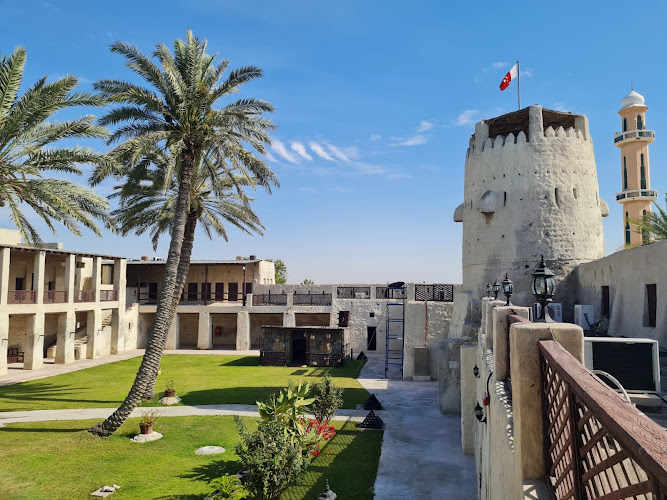
Al Jimi Fort in Al Ain, Abu Dhabi, is one of those places that quietly draws you in with its understated charm. It’s not the kind of fortress that screams for attention with towering walls or massive gates. Instead, it whispers stories of a time when life in the desert revolved around oases, trade routes, and the constant need for protection. Built during the 18th century, this fort once stood as a guardian over the Jimi Oasis, one of the oldest cultivated areas in Al Ain. You can almost feel the history in the air — the echo of footsteps from guards who once patrolled its walls, the murmur of families who found refuge inside, and the faint scent of palm trees swaying just beyond its perimeter.
When you step inside, there’s this sense of calm that’s hard to describe. The thick mud-brick walls, now carefully restored, seem to absorb the desert heat, creating a cool, almost sacred atmosphere. The fort’s architecture is a perfect example of traditional Emirati design — simple yet purposeful, blending seamlessly with the surrounding oasis landscape. It’s not just a relic of the past; it’s a living reminder of how people adapted to the harsh desert environment with ingenuity and grace. And honestly, that’s what makes it stand out. It’s authentic. It’s real. And in a world full of polished tourist attractions, that authenticity feels refreshing.
Some visitors find the fort quiet — maybe even too quiet — but that’s part of its charm. It’s not about flashy exhibits or interactive displays. It’s about slowing down, taking a moment to imagine what life was like centuries ago, and appreciating the craftsmanship that went into every inch of its construction. The surrounding area, dotted with palm groves and traditional houses, adds to the timeless feel. It’s easy to spend an hour or two wandering around, camera in hand, soaking in the textures and colors that change with the shifting sunlight.
What I personally love about Al Jimi Fort is how it connects the past and present so effortlessly. You might see a local family picnicking nearby or hear the distant hum of modern Al Ain just beyond the oasis. Yet, within those walls, time seems to stand still. It’s a rare kind of peace — the kind that reminds you why travel matters in the first place.
Key Features
- 18th-century fortress built from traditional mud-brick and palm materials
- Strategic location overlooking the historic Jimi Oasis
- Restored watchtowers providing panoramic views of the surrounding palm groves
- Exemplary example of traditional Emirati defensive architecture
- Quiet, uncrowded site ideal for photography and reflection
- Close proximity to other cultural landmarks in Al Ain
- Preserved inner courtyard showcasing regional building techniques
The fort’s design is a story in itself. The circular watchtower, for instance, was built not just for defense but also as a lookout point to monitor the oasis and the surrounding desert. The walls, thick and sturdy, were made from locally sourced materials — mud, straw, and palm trunks — a testament to sustainable building long before it became a buzzword. And if you look closely, you’ll notice small openings in the walls, once used by guards to keep an eye out for approaching threats. It’s these little details that make exploring Al Jimi Fort such a rewarding experience.
Best Time to Visit
If you’re planning a visit, timing matters — a lot. The best time to explore Al Jimi Fort is between November and March when the weather in Al Ain is pleasantly mild. During these months, daytime temperatures hover around the mid-20s Celsius, making it comfortable to walk around without feeling like you’re melting under the desert sun. Early mornings and late afternoons are especially magical. The light hits the fort’s earthen walls just right, casting long, golden shadows that bring out every texture and curve. It’s a photographer’s dream, really.
Summer, on the other hand, can be brutal. The heat is relentless, and unless you’re used to desert climates, it’s best to avoid midday visits. That said, if you happen to be in the area during the hotter months, you can still enjoy the fort in the early morning or evening when the temperature dips slightly. Just bring plenty of water — trust me, you’ll need it.
How to Get There
Getting to Al Jimi Fort is fairly straightforward if you’re already in Al Ain. The city itself is about a 90-minute drive from Abu Dhabi or roughly two hours from Dubai, depending on traffic. Once you’re in Al Ain, local signage will guide you toward the Jimi district, where the fort is located. It’s tucked away within the oasis area, so you might need to park a short distance away and walk the rest. The walk, though, is part of the experience — you pass through date palms and narrow paths that give you a glimpse of what life around the oasis must have been like centuries ago.
If you don’t have a car, taxis and ride-hailing services are widely available in Al Ain. Some local tour operators also include Al Jimi Fort as part of their cultural heritage tours, often alongside other landmarks like Al Jahili Fort and the Al Ain Oasis. Personally, I’d recommend visiting on your own if you can. That way, you can take your time, linger where you want, and really soak in the atmosphere without feeling rushed.
Tips for Visiting
Here’s where a few insider tips can make your visit smoother (and more enjoyable):
- Go early or late in the day. Not only will you avoid the heat, but you’ll also catch the best light for photos.
- Wear comfortable shoes. The terrain around the fort can be uneven, especially if you wander into the surrounding oasis paths.
- Bring water and snacks. There aren’t many facilities nearby, so it’s best to come prepared.
- Respect the site. This is a historical landmark, so avoid climbing on the walls or touching fragile surfaces.
- Take your time. The fort isn’t huge, but its charm lies in the details — the texture of the walls, the way the light shifts, the quiet hum of the oasis beyond.
- Combine your visit. If you’re exploring Al Ain’s heritage, consider visiting nearby attractions like the Al Ain Oasis or the Al Ain Palace Museum for a fuller picture of the region’s history.
One thing I always tell people: don’t rush through it. Al Jimi Fort isn’t about ticking a box off your itinerary. It’s about connecting — with the place, with the past, and maybe even with yourself a little. There’s something grounding about standing in a place that’s seen centuries of change and still stands tall. It reminds you how resilient human history can be.
And if you’re into photography, bring your best gear. The textures, the earthy tones, the interplay of light and shadow — it’s all a visual treat. Even a smartphone camera can capture stunning shots here if you play with angles and timing. I once visited in the late afternoon, just as the sun began to dip, and the whole fort seemed to glow from within. It’s one of those moments that stays with you long after you’ve left.
In short, Al Jimi Fort may not be the flashiest attraction in the UAE, but it’s one of the most authentic. It’s a place where history feels tangible, where you can slow down and simply be present. And honestly, in a world that moves a little too fast, that’s a rare gift.
Key Features
- 18th-century fortress built from traditional mud-brick and palm materials
- Strategic location overlooking the historic Jimi Oasis
- Restored watchtowers providing panoramic views of the surrounding palm groves
- Exemplary example of traditional Emirati defensive architecture
- Quiet, uncrowded site ideal for photography and reflection
- Close proximity to other cultural landmarks in Al Ain
- Preserved inner courtyard showcasing regional building techniques
More Details
Updated November 7, 2025
Table of Contents
- Description
- Key Features
- Best Time to Visit
- How to Get There
- Tips for Visiting
- Key Highlights
- Location
- Places to Stay Near Al Jimi Fort
- Find and Book a Tour
- Explore More Travel Guides
- Al Jimi Fort, Al Ain — Visitor Guide with Practical On-the-Ground Context
- Why Al Jimi Fort matters
- What to expect on site
- Plan your visit (logistics you can count on)
- Make it a smart circuit: nearby stops that do have robust visitor infrastructure
- Cultural backdrop: why oases and small forts matter in Al Ain
- Practical itinerary (half-day)
- Responsible & inclusive visiting
- What’s not confirmed (and how to handle it)
- Summary
- Nearby Places You Might Like
- Traveler Reviews for Al Jimi Fort
- Share Your Experience
Description
Al Jimi Fort in Al Ain, Abu Dhabi, is one of those places that quietly draws you in with its understated charm. It’s not the kind of fortress that screams for attention with towering walls or massive gates. Instead, it whispers stories of a time when life in the desert revolved around oases, trade routes, and the constant need for protection. Built during the 18th century, this fort once stood as a guardian over the Jimi Oasis, one of the oldest cultivated areas in Al Ain. You can almost feel the history in the air — the echo of footsteps from guards who once patrolled its walls, the murmur of families who found refuge inside, and the faint scent of palm trees swaying just beyond its perimeter.
When you step inside, there’s this sense of calm that’s hard to describe. The thick mud-brick walls, now carefully restored, seem to absorb the desert heat, creating a cool, almost sacred atmosphere. The fort’s architecture is a perfect example of traditional Emirati design — simple yet purposeful, blending seamlessly with the surrounding oasis landscape. It’s not just a relic of the past; it’s a living reminder of how people adapted to the harsh desert environment with ingenuity and grace. And honestly, that’s what makes it stand out. It’s authentic. It’s real. And in a world full of polished tourist attractions, that authenticity feels refreshing.
Some visitors find the fort quiet — maybe even too quiet — but that’s part of its charm. It’s not about flashy exhibits or interactive displays. It’s about slowing down, taking a moment to imagine what life was like centuries ago, and appreciating the craftsmanship that went into every inch of its construction. The surrounding area, dotted with palm groves and traditional houses, adds to the timeless feel. It’s easy to spend an hour or two wandering around, camera in hand, soaking in the textures and colors that change with the shifting sunlight.
What I personally love about Al Jimi Fort is how it connects the past and present so effortlessly. You might see a local family picnicking nearby or hear the distant hum of modern Al Ain just beyond the oasis. Yet, within those walls, time seems to stand still. It’s a rare kind of peace — the kind that reminds you why travel matters in the first place.
Key Features
- 18th-century fortress built from traditional mud-brick and palm materials
- Strategic location overlooking the historic Jimi Oasis
- Restored watchtowers providing panoramic views of the surrounding palm groves
- Exemplary example of traditional Emirati defensive architecture
- Quiet, uncrowded site ideal for photography and reflection
- Close proximity to other cultural landmarks in Al Ain
- Preserved inner courtyard showcasing regional building techniques
The fort’s design is a story in itself. The circular watchtower, for instance, was built not just for defense but also as a lookout point to monitor the oasis and the surrounding desert. The walls, thick and sturdy, were made from locally sourced materials — mud, straw, and palm trunks — a testament to sustainable building long before it became a buzzword. And if you look closely, you’ll notice small openings in the walls, once used by guards to keep an eye out for approaching threats. It’s these little details that make exploring Al Jimi Fort such a rewarding experience.
Best Time to Visit
If you’re planning a visit, timing matters — a lot. The best time to explore Al Jimi Fort is between November and March when the weather in Al Ain is pleasantly mild. During these months, daytime temperatures hover around the mid-20s Celsius, making it comfortable to walk around without feeling like you’re melting under the desert sun. Early mornings and late afternoons are especially magical. The light hits the fort’s earthen walls just right, casting long, golden shadows that bring out every texture and curve. It’s a photographer’s dream, really.
Summer, on the other hand, can be brutal. The heat is relentless, and unless you’re used to desert climates, it’s best to avoid midday visits. That said, if you happen to be in the area during the hotter months, you can still enjoy the fort in the early morning or evening when the temperature dips slightly. Just bring plenty of water — trust me, you’ll need it.
How to Get There
Getting to Al Jimi Fort is fairly straightforward if you’re already in Al Ain. The city itself is about a 90-minute drive from Abu Dhabi or roughly two hours from Dubai, depending on traffic. Once you’re in Al Ain, local signage will guide you toward the Jimi district, where the fort is located. It’s tucked away within the oasis area, so you might need to park a short distance away and walk the rest. The walk, though, is part of the experience — you pass through date palms and narrow paths that give you a glimpse of what life around the oasis must have been like centuries ago.
If you don’t have a car, taxis and ride-hailing services are widely available in Al Ain. Some local tour operators also include Al Jimi Fort as part of their cultural heritage tours, often alongside other landmarks like Al Jahili Fort and the Al Ain Oasis. Personally, I’d recommend visiting on your own if you can. That way, you can take your time, linger where you want, and really soak in the atmosphere without feeling rushed.
Tips for Visiting
Here’s where a few insider tips can make your visit smoother (and more enjoyable):
- Go early or late in the day. Not only will you avoid the heat, but you’ll also catch the best light for photos.
- Wear comfortable shoes. The terrain around the fort can be uneven, especially if you wander into the surrounding oasis paths.
- Bring water and snacks. There aren’t many facilities nearby, so it’s best to come prepared.
- Respect the site. This is a historical landmark, so avoid climbing on the walls or touching fragile surfaces.
- Take your time. The fort isn’t huge, but its charm lies in the details — the texture of the walls, the way the light shifts, the quiet hum of the oasis beyond.
- Combine your visit. If you’re exploring Al Ain’s heritage, consider visiting nearby attractions like the Al Ain Oasis or the Al Ain Palace Museum for a fuller picture of the region’s history.
One thing I always tell people: don’t rush through it. Al Jimi Fort isn’t about ticking a box off your itinerary. It’s about connecting — with the place, with the past, and maybe even with yourself a little. There’s something grounding about standing in a place that’s seen centuries of change and still stands tall. It reminds you how resilient human history can be.
And if you’re into photography, bring your best gear. The textures, the earthy tones, the interplay of light and shadow — it’s all a visual treat. Even a smartphone camera can capture stunning shots here if you play with angles and timing. I once visited in the late afternoon, just as the sun began to dip, and the whole fort seemed to glow from within. It’s one of those moments that stays with you long after you’ve left.
In short, Al Jimi Fort may not be the flashiest attraction in the UAE, but it’s one of the most authentic. It’s a place where history feels tangible, where you can slow down and simply be present. And honestly, in a world that moves a little too fast, that’s a rare gift.
Key Highlights
- 18th-century fortress built from traditional mud-brick and palm materials
- Strategic location overlooking the historic Jimi Oasis
- Restored watchtowers providing panoramic views of the surrounding palm groves
- Exemplary example of traditional Emirati defensive architecture
- Quiet, uncrowded site ideal for photography and reflection
- Close proximity to other cultural landmarks in Al Ain
- Preserved inner courtyard showcasing regional building techniques
Location
Places to Stay Near Al Jimi Fort
Find and Book a Tour
Explore More Travel Guides
No reviews found! Be the first to review!
Al Jimi Fort, Al Ain — Visitor Guide with Practical On-the-Ground Context
Location: 7P3R+4R2, Al Jimi – Al Ain (Al `Ayn), Emirate of Abu Dhabi, UAE
Coordinates: 24.2527538, 55.7420084 oai_citation:0‡wanderlog.com
Al Jimi Fort is a compact historic fortress in the Al Jimi district of Al Ain. It stands within one of the emirate’s traditional oasis belts and sits a short hop from the modern city grid and Al Jimi Mall. While it’s lesser-known than Al Jahili Fort, it contributes to the same oasis-and-falaj cultural landscape that made Al Ain’s oases a UNESCO World Heritage site in 2011. oai_citation:1‡UNESCO World Heritage Centre
Why Al Jimi Fort matters
-
Part of the Al Ain oasis system: The Al Jimi area is one of several palm-grove oases in Al Ain. These oases are maintained by the ancient falaj irrigation system—subterranean channels that move water to palm gardens and farms. The UNESCO listing recognizes this living cultural landscape, which includes multiple restored buildings, forts, and watchtowers that historically protected water and agriculture. oai_citation:2‡UNESCO World Heritage Centre
-
A low-profile counterpart to marquee sites: The Department of Culture & Tourism – Abu Dhabi (DCT Abu Dhabi) publicly highlights major Al Ain heritage anchors (e.g., Al Jahili Fort, Qasr Al Muwaiji, Al Ain Palace Museum). Al Jimi Fort is not among the flagship venues listed on their “Museums & Cultural Assets” roster, which helps explain its limited signage, programming, and published logistics. Expect minimal on-site interpretation. oai_citation:3‡dct.gov.ae
Accuracy note: There’s no official DCT Abu Dhabi page with operating hours or ticketing for Al Jimi Fort as of today. Treat hours/access as variable and verify locally (see “Plan your visit” below). This avoids relying on inconsistent third-party listings.
What to expect on site
-
Scale & setting: This is a small neighborhood fortress in a residential-oasis setting rather than a large museum complex. Visual cues include traditional earthen architecture in line with Al Ain’s desert-adapated building practices seen across the oases. (The wider Al Jimi Oasis features restored buildings, towers, and working falaj lines—use these as your interpretive context for the fort itself.) oai_citation:4‡Experience Abu Dhabi
-
Interpretation: Don’t expect indoor galleries. If the gate is closed, treat the fort as a view-from-outside stop and focus on oasis walks nearby (see “Combine with nearby stops”). This aligns with the site’s low profile on official channels. oai_citation:5‡dct.gov.ae
-
Photography: Street-level photography of heritage exteriors is generally fine, but avoid photographing private homes or people without permission. This is a lived-in neighborhood.
Plan your visit (logistics you can count on)
-
Exact pin & navigation: Use Plus Code 7P3R+4R2 (Al Jimi – Shareat Al Jimi) or the coordinates above for taxi or navigation apps. Taxi drivers in Al Ain recognize “Al Jimi area / Al Jimi Mall” as an anchor; the fort is a short drive from there. oai_citation:6‡wanderlog.com
-
Hours & access check: Because Al Jimi Fort isn’t an actively promoted museum site, verify on the day:
- Ask at Al Ain’s major staffed heritage sites (e.g., Al Jahili Fort visitor desk) whether Al Jimi Fort is open or view-only that week. DCT teams stationed at the flagship sites are the most reliable source for up-to-date access status across smaller assets. oai_citation:7‡dct.gov.ae
-
If gates are shut, pivot to an oasis-walk (see next section) and plan your heritage deep-dive at Al Jahili or Qasr Al Muwaiji instead—both have consistent public access and interpretation. oai_citation:8‡dct.gov.ae
-
Best time of day: Early morning or late afternoon for shade and softer light across the palm groves of Al Jimi Oasis (this advice tracks with how Al Ain’s oases are shaped and irrigated). Carry water and sun protection; sidewalks can be patchy around older lanes. oai_citation:9‡Experience Abu Dhabi
-
Dress & respect: Lightweight, breathable clothing that covers shoulders and knees is practical and culturally appropriate when moving through residential-oasis lanes.
-
Accessibility realities: Paths near minor heritage assets can be uneven sand or compacted earth; wheelchair users may find flagship sites (Al Jahili, Qasr Al Muwaiji) more reliably accessible due to maintained courtyards and facilities. oai_citation:10‡dct.gov.ae
Make it a smart circuit: nearby stops that do have robust visitor infrastructure
- Al Jimi Oasis walking loop: Explore shaded palm gardens, falaj channels, and restored towers/structures within the oasis belt. This is the best way to grasp how a small fort like Al Jimi fit into a water-and-agriculture security network. oai_citation:11‡Experience Abu Dhabi
- Al Jahili Fort: Al Ain’s signature fort with exhibitions and staffed facilities; a reliable place to gather heritage context, wayfinding help, and current programming across the city’s sites. oai_citation:12‡en.wikipedia.org
- Qasr Al Muwaiji: A royal residence-fort associated with the UAE’s leadership, offering structured interpretation in English/Arabic; pairs well with Al Jahili for an accessible, museum-quality experience. (Listed among DCT’s managed sites.) oai_citation:13‡dct.gov.ae
Editorial tip for your site build: If you have (or plan) articles on Al Ain Oasis and Al Jahili Fort, link them contextually from this guide. These are high-utility internal links that keep readers in a coherent “Al Ain heritage” topic cluster supported by UNESCO credentials. oai_citation:14‡UNESCO World Heritage Centre
Cultural backdrop: why oases and small forts matter in Al Ain
Al Ain’s oases—Hafit, Hili, Bidaa Bint Saud, and the Oases Areas—earned UNESCO status for preserving a continuous record of desert settlement, agriculture, and water management stretching from prehistory to the present. Heritage assets in and around these oases, including modest forts and towers, reflect community-level defense of water and farmland and the social importance of date palm cultivation maintained by falaj irrigation. Reading Al Jimi Fort against this landscape gives it meaning even when interior access is limited. oai_citation:15‡UNESCO World Heritage Centre
Practical itinerary (half-day)
- Morning – Start at Al Jahili Fort for orientation and exhibits. Gather any updates on smaller sites (ask about Al Jimi Fort’s access that day). oai_citation:16‡en.wikipedia.org
- Late morning – Drive 10–15 minutes to Al Jimi Fort for exterior views and neighborhood context. Use the 7P3R+4R2 pin for drop-off. oai_citation:17‡wanderlog.com
- Midday – Walk or short drive into Al Jimi Oasis paths (shade, falaj, traditional plots). Pause for photos and note irrigation channels and restored structures. oai_citation:18‡Experience Abu Dhabi
- Optional – Continue to Qasr Al Muwaiji for a second interpreted site with indoor spaces. oai_citation:19‡dct.gov.ae
Responsible & inclusive visiting
- Community setting: Al Jimi is a lived-in neighborhood around a working oasis. Keep noise low; don’t block lanes used by residents or farm traffic.
- Photography etiquette: Ask before photographing people; avoid private yards and doorways.
- Hydration & heat: Shade exists under palms, but humidity and radiant heat can be high even in winter sun—carry water and plan rests.
- Wayfinding: If language is a barrier, show the Plus Code or the Arabic name of the area on your phone; staff at the marquee forts can assist.
What’s not confirmed (and how to handle it)
- Opening hours / ticketing for Al Jimi Fort: Not published by DCT Abu Dhabi and inconsistent on third-party sites. Treat Al Jimi as view-from-outside by default and confirm in person via staffed heritage sites the same day. This avoids outdated or user-generated errors. oai_citation:20‡dct.gov.ae
Summary
Al Jimi Fort is a small but authentic piece of Al Ain’s oasis heritage—best appreciated as part of a broader circuit that includes Al Jimi Oasis, Al Jahili Fort, and Qasr Al Muwaiji. Use the precise 7P3R+4R2 location and plan for limited on-site interpretation. For a deeper dive, anchor your day at the flagship DCT-managed forts and let Al Jimi round out your understanding of how oases were protected and sustained in the desert. oai_citation:21‡wanderlog.com
Sources: Visit Abu Dhabi (Al Jimi Oasis context), UNESCO World Heritage Committee decision for Al Ain Cultural Sites, DCT Abu Dhabi site listings for managed Al Ain museums/forts, and precise address/coordinates references. oai_citation:22‡Experience Abu Dhabi
Data freshness check (Oct 31, 2025): No official DCT Abu Dhabi operating info found for Al Jimi Fort; rely on in-person confirmation at staffed sites and treat access as variable. oai_citation:23‡dct.gov.ae
Traveler Reviews for Al Jimi Fort
There are no reviews yet. Be the first one to write one.
Have you visited Al Jimi Fort? Help other travelers by sharing your review.
You Might Also Like
Umm Al Quwain Museum

Old Umm Al Quwain

Jebel Hafeet Beehive Tombs
Find Accommodations Nearby
Recommended Tours & Activities
Visitor Reviews
There are no reviews yet. Be the first one to write one.
Share Your Experience
Have you visited Al Jimi Fort? Help other travelers by leaving a review.