Mosque 4.7 Wakaf Bharu, MalaysiaCommunity Guide

Al-Ismaili Mosque (Royal Mosque)

Bandar Baru Pasir Pekan, 16250 Wakaf Bharu, Kelantan, 말레이시아

Al-Ismaili Mosque (Royal Mosque)
1,110 Photos

About & Overview

Description

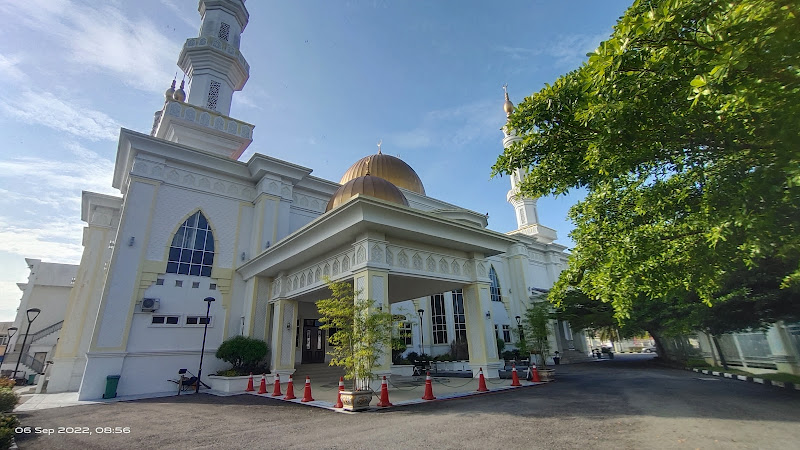
The Al-Ismaili Mosque, commonly called the Royal Mosque, in Wakaf Bharu, Kelantan, is a graceful example of contemporary Malay-Islamic architecture infused with local royal patronage. Built to serve the local Muslim community and to commemorate ties to Kelantan’s royal family, the mosque greets visitors with elegant minarets, sweeping domes, and intricate wood and tile details that reflect Kelantanese craftsmanship. Inside, cool shaded prayer halls, carved wooden accents and patterned mihrab tiling create a tranquil atmosphere ideal for reflection and photography. What makes this mosque special is its blend of community function and ceremonial presence: it hosts daily prayers, royal events, and community gatherings, so visitors witness both devotional life and the region’s cultural rhythms. Strolling the grounds at golden hour is particularly memorable—the façades glow warmly and the adjacent streets reveal local markets and eateries. Travelers should visit to appreciate Kelantanese religious architecture up close, to experience local piety and hospitality, and to use the mosque as a peaceful base for exploring Wakaf Bharu and nearby Pasir Mas.

Highlights & Key Features

  • Distinctive Malay-Islamic architectural details and royal-influenced design
  • Prominent domes and slender minarets visible from surrounding roads
  • Spacious, cool prayer halls with detailed wooden and tile work
  • Active community hub hosting daily prayers and local ceremonies
  • Photogenic exterior and landscaped grounds ideal for golden-hour visits

Visitor Guide & Information

Description

The Al-Ismaili Mosque, often called the Royal Mosque, stands as one of those places that genuinely takes your breath away when you first glimpse it. I’ve visited quite a few mosques throughout my travels, and there’s something particularly special about this one that goes beyond its architectural beauty. It’s a working place of worship that doubles as a major tourist attraction, which means you’re not just looking at a museum piece – you’re experiencing a living, breathing spiritual center that continues to serve its community while welcoming curious travelers from around the world.

What strikes most visitors first is the sheer elegance of the structure. The mosque represents a beautiful blend of traditional Islamic architecture with modern accessibility features, making it an inclusive destination that truly lives up to its reputation as a must-see attraction. And honestly, in today’s world, it’s refreshing to find a historic religious site that’s taken such care to ensure everyone can experience its beauty, regardless of physical limitations.

The mosque serves multiple purposes within its community. It’s primarily a place of worship for local Muslims, but it’s also become an important cultural landmark that helps educate visitors about Islamic traditions and architecture. When you visit, you’re not just ticking another attraction off your list – you’re gaining insight into a faith practiced by millions worldwide. The atmosphere inside reflects a peaceful spirituality that seems to transcend language barriers and cultural differences.

Key Features

The Al-Ismaili Mosque offers several distinctive features that make it worth including in any travel itinerary:

• Architectural Splendor – The mosque showcases stunning Islamic architectural elements including intricate geometric patterns, detailed calligraphy, and a design that’s both traditional and contemporary. The craftsmanship is genuinely remarkable, with every detail seeming to have been considered and executed with precision.

• Complete Accessibility – Unlike many historic religious sites, this mosque provides wheelchair accessible entrances, parking lots, and restrooms. This commitment to accessibility means that travelers with mobility challenges can fully experience the site without barriers.

• Cultural Education Opportunities – The mosque serves as an informal learning center where visitors can understand Islamic practices, architectural traditions, and the role of mosques in Muslim communities. It’s one thing to read about Islam in books; it’s another to experience a functioning mosque firsthand.

• Modern Amenities – Clean, well-maintained restroom facilities are available for visitors, which might seem like a small detail but trust me, after hours of sightseeing, these conveniences matter enormously.

• Prayer Hall Beauty – The main prayer hall features impressive design elements that create both visual appeal and acoustic excellence. The space is designed to accommodate worshippers while allowing visitors to appreciate the architectural achievement.

• Welcoming Atmosphere – Despite being a sacred space, the mosque maintains an open policy toward respectful visitors of all faiths and backgrounds. The staff and community members are generally helpful and patient with questions.

• Photographic Opportunities – The exterior and permitted interior spaces offer exceptional photography opportunities, particularly during golden hour when the light plays across the architectural details.

Best Time to Visit

Timing your visit to the Al-Ismaili Mosque can make a significant difference in your experience. Based on what I’ve learned from fellow travelers and practical considerations, here’s what you need to know about scheduling your visit.

The mosque is generally accessible to tourists throughout the day, but you’ll want to plan around prayer times. Friday afternoons are particularly busy since Jumu’ah (Friday prayer) is the most important congregational prayer of the week for Muslims. If you’re hoping for a quieter, more contemplative visit, weekday mornings typically offer the best experience. You’ll have more space to appreciate the architecture and won’t feel like you’re getting in anyone’s way.

Early morning visits, especially shortly after sunrise, provide beautiful natural lighting that really brings out the architectural details. The cooler temperatures at this time also make exploring more comfortable, especially if you’re visiting during warmer months. But honestly? Late afternoon has its own charm too – there’s something magical about watching the light change across the facade as the day progresses.

Weather considerations matter depending on the region’s climate. If you’re visiting during summer months, try to arrive early before the midday heat becomes oppressive. The mosque does provide indoor spaces, but you’ll likely spend time outside admiring the exterior and grounds. Winter visits can be quite pleasant, though you might want to bring a light jacket for early morning or evening visits.

Avoid planning your visit during major Islamic holidays unless you specifically want to observe the celebrations. During Ramadan, Eid al-Fitr, and Eid al-Adha, the mosque will be filled with worshippers, and tourist access might be restricted or limited. While witnessing these celebrations can be meaningful, it’s not the best time if your primary goal is architectural appreciation and photography.

Weekends tend to attract more tourists, so if you prefer a less crowded experience, weekday visits are your friend. That said, weekend visits sometimes coincide with volunteer guides being more readily available to answer questions and provide context about the mosque’s history and significance.

How to Get There

Getting to the Al-Ismaili Mosque is generally straightforward, though your specific transportation options will depend on where you’re staying and your comfort level with local transit systems.

For travelers who prefer the convenience and flexibility of having their own wheels, driving to the mosque is a viable option. The site offers wheelchair accessible parking, and there’s typically adequate parking space for visitors. If you’re using GPS or mapping apps on your phone, searching for “Al-Ismaili Mosque” or “Royal Mosque” should bring up the correct location. Just make sure you’ve got offline maps downloaded in case the listing data connection gets spotty.

Taxis and ride-sharing services represent probably the most hassle-free option for tourists unfamiliar with the area. Local taxi drivers almost certainly know the mosque by name given its prominence as a tourist attraction. With ride-sharing apps, you can simply input the mosque’s name and let the technology handle navigation. This option works particularly well if you’re combining the mosque visit with other nearby attractions.

Public transportation can be a more economical choice, though it requires a bit more research and planning. Check with your hotel concierge or local tourism office about which bus routes serve the mosque area. And here’s a tip from experience: write down the mosque’s name in the local language on a piece of paper. If you get confused or lost, showing this to locals can help you get directions even if there’s a language barrier.

Some travelers find that joining organized tours provides the easiest transportation solution, especially if you’re short on time or prefer having everything arranged. Many city tours include the mosque as a stop, handling all the logistics for you. The downside? You’ll have less flexibility with timing and might feel rushed.

Walking might be possible if you’re staying relatively close to the mosque. There’s something nice about approaching a grand building on foot – you get a better sense of the neighborhood and how the mosque fits into its surroundings. Just check the distance beforehand and consider the weather conditions.

Tips for Visiting

Making the most of your mosque visit requires some preparation and cultural awareness. These tips come from both personal experience and lessons learned by other travelers.

Dress appropriately – this is non-negotiable and honestly just basic respect. Women should bring a headscarf to cover their hair, and both men and women need to ensure their clothing covers shoulders, arms, and legs. Loose-fitting clothes work better than tight outfits. Some mosques provide coverings for visitors who arrive unprepared, but don’t count on it. Pack your own modest outfit and save yourself potential embarrassment or denied entry.

Remove your shoes before entering prayer areas. There will be designated areas for shoe storage, and you might want to bring socks since floors can sometimes be cold. Keep your shoes somewhere you’ll remember – sounds obvious, but I once spent fifteen minutes searching for mine among hundreds of similar-looking pairs.

Photography etiquette matters greatly. While exterior photography is typically fine, always ask permission before photographing inside or taking pictures of worshippers. Some areas might be completely off-limits to cameras. When in doubt, ask, and respect whatever answer you receive. Put the camera down sometimes and just experience the space with your own eyes.

Be mindful of prayer times. If prayers begin while you’re visiting, step aside and remain quiet. Watch what regular worshippers do and follow their lead. This isn’t the time for loud conversations or wandering around taking photos. Consider it an opportunity to observe authentic religious practice.

Bring a small bag for carrying your shoes if you want to explore different areas of the mosque complex. Nothing fancy required – a simple plastic bag works perfectly and saves you from walking back and forth.

Stay hydrated, especially during warmer months, but remember that drinking and eating aren’t appropriate inside prayer halls. Take care of those needs before entering or in designated public areas.

Consider visiting with a local guide or knowledgeable friend if possible. The architectural and religious significance becomes so much richer when someone can explain the symbolism and history. Even a good guidebook can enhance your understanding significantly.

Respect the space’s dual nature as both tourist attraction and active place of worship. The people praying here aren’t performers for your entertainment – they’re engaged in sincere spiritual practice. Maintain appropriate noise levels and give worshippers their space.

Keep your belongings secure but don’t stress excessively about theft. Mosques generally maintain an atmosphere of trust, but basic precautions like keeping valuables close still make sense.

Finally, approach your visit with genuine curiosity and respect rather than just treating it as another photo opportunity. The Al-Ismaili Mosque offers a window into Islamic culture and spirituality that goes far beyond its undeniable beauty. Take time to sit quietly, observe the details, and reflect on what you’re experiencing. Those moments of genuine connection often become the most memorable parts of any journey.

Community & Insider Notes

Last modified August 17, 2026

Description

The Al-Ismaili Mosque, often called the Royal Mosque, stands as one of those places that genuinely takes your breath away when you first glimpse it. I’ve visited quite a few mosques throughout my travels, and there’s something particularly special about this one that goes beyond its architectural beauty. It’s a working place of worship that doubles as a major tourist attraction, which means you’re not just looking at a museum piece – you’re experiencing a living, breathing spiritual center that continues to serve its community while welcoming curious travelers from around the world.

What strikes most visitors first is the sheer elegance of the structure. The mosque represents a beautiful blend of traditional Islamic architecture with modern accessibility features, making it an inclusive destination that truly lives up to its reputation as a must-see attraction. And honestly, in today’s world, it’s refreshing to find a historic religious site that’s taken such care to ensure everyone can experience its beauty, regardless of physical limitations.

The mosque serves multiple purposes within its community. It’s primarily a place of worship for local Muslims, but it’s also become an important cultural landmark that helps educate visitors about Islamic traditions and architecture. When you visit, you’re not just ticking another attraction off your list – you’re gaining insight into a faith practiced by millions worldwide. The atmosphere inside reflects a peaceful spirituality that seems to transcend language barriers and cultural differences.

Key Features

The Al-Ismaili Mosque offers several distinctive features that make it worth including in any travel itinerary:

• Architectural Splendor – The mosque showcases stunning Islamic architectural elements including intricate geometric patterns, detailed calligraphy, and a design that’s both traditional and contemporary. The craftsmanship is genuinely remarkable, with every detail seeming to have been considered and executed with precision.

• Complete Accessibility – Unlike many historic religious sites, this mosque provides wheelchair accessible entrances, parking lots, and restrooms. This commitment to accessibility means that travelers with mobility challenges can fully experience the site without barriers.

• Cultural Education Opportunities – The mosque serves as an informal learning center where visitors can understand Islamic practices, architectural traditions, and the role of mosques in Muslim communities. It’s one thing to read about Islam in books; it’s another to experience a functioning mosque firsthand.

• Modern Amenities – Clean, well-maintained restroom facilities are available for visitors, which might seem like a small detail but trust me, after hours of sightseeing, these conveniences matter enormously.

• Prayer Hall Beauty – The main prayer hall features impressive design elements that create both visual appeal and acoustic excellence. The space is designed to accommodate worshippers while allowing visitors to appreciate the architectural achievement.

• Welcoming Atmosphere – Despite being a sacred space, the mosque maintains an open policy toward respectful visitors of all faiths and backgrounds. The staff and community members are generally helpful and patient with questions.

• Photographic Opportunities – The exterior and permitted interior spaces offer exceptional photography opportunities, particularly during golden hour when the light plays across the architectural details.

Best Time to Visit

Timing your visit to the Al-Ismaili Mosque can make a significant difference in your experience. Based on what I’ve learned from fellow travelers and practical considerations, here’s what you need to know about scheduling your visit.

The mosque is generally accessible to tourists throughout the day, but you’ll want to plan around prayer times. Friday afternoons are particularly busy since Jumu’ah (Friday prayer) is the most important congregational prayer of the week for Muslims. If you’re hoping for a quieter, more contemplative visit, weekday mornings typically offer the best experience. You’ll have more space to appreciate the architecture and won’t feel like you’re getting in anyone’s way.

Early morning visits, especially shortly after sunrise, provide beautiful natural lighting that really brings out the architectural details. The cooler temperatures at this time also make exploring more comfortable, especially if you’re visiting during warmer months. But honestly? Late afternoon has its own charm too – there’s something magical about watching the light change across the facade as the day progresses.

Weather considerations matter depending on the region’s climate. If you’re visiting during summer months, try to arrive early before the midday heat becomes oppressive. The mosque does provide indoor spaces, but you’ll likely spend time outside admiring the exterior and grounds. Winter visits can be quite pleasant, though you might want to bring a light jacket for early morning or evening visits.

Avoid planning your visit during major Islamic holidays unless you specifically want to observe the celebrations. During Ramadan, Eid al-Fitr, and Eid al-Adha, the mosque will be filled with worshippers, and tourist access might be restricted or limited. While witnessing these celebrations can be meaningful, it’s not the best time if your primary goal is architectural appreciation and photography.

Weekends tend to attract more tourists, so if you prefer a less crowded experience, weekday visits are your friend. That said, weekend visits sometimes coincide with volunteer guides being more readily available to answer questions and provide context about the mosque’s history and significance.

How to Get There

Getting to the Al-Ismaili Mosque is generally straightforward, though your specific transportation options will depend on where you’re staying and your comfort level with local transit systems.

For travelers who prefer the convenience and flexibility of having their own wheels, driving to the mosque is a viable option. The site offers wheelchair accessible parking, and there’s typically adequate parking space for visitors. If you’re using GPS or mapping apps on your phone, searching for “Al-Ismaili Mosque” or “Royal Mosque” should bring up the correct location. Just make sure you’ve got offline maps downloaded in case the listing data connection gets spotty.

Taxis and ride-sharing services represent probably the most hassle-free option for tourists unfamiliar with the area. Local taxi drivers almost certainly know the mosque by name given its prominence as a tourist attraction. With ride-sharing apps, you can simply input the mosque’s name and let the technology handle navigation. This option works particularly well if you’re combining the mosque visit with other nearby attractions.

Public transportation can be a more economical choice, though it requires a bit more research and planning. Check with your hotel concierge or local tourism office about which bus routes serve the mosque area. And here’s a tip from experience: write down the mosque’s name in the local language on a piece of paper. If you get confused or lost, showing this to locals can help you get directions even if there’s a language barrier.

Some travelers find that joining organized tours provides the easiest transportation solution, especially if you’re short on time or prefer having everything arranged. Many city tours include the mosque as a stop, handling all the logistics for you. The downside? You’ll have less flexibility with timing and might feel rushed.

Walking might be possible if you’re staying relatively close to the mosque. There’s something nice about approaching a grand building on foot – you get a better sense of the neighborhood and how the mosque fits into its surroundings. Just check the distance beforehand and consider the weather conditions.

Tips for Visiting

Making the most of your mosque visit requires some preparation and cultural awareness. These tips come from both personal experience and lessons learned by other travelers.

Dress appropriately – this is non-negotiable and honestly just basic respect. Women should bring a headscarf to cover their hair, and both men and women need to ensure their clothing covers shoulders, arms, and legs. Loose-fitting clothes work better than tight outfits. Some mosques provide coverings for visitors who arrive unprepared, but don’t count on it. Pack your own modest outfit and save yourself potential embarrassment or denied entry.

Remove your shoes before entering prayer areas. There will be designated areas for shoe storage, and you might want to bring socks since floors can sometimes be cold. Keep your shoes somewhere you’ll remember – sounds obvious, but I once spent fifteen minutes searching for mine among hundreds of similar-looking pairs.

Photography etiquette matters greatly. While exterior photography is typically fine, always ask permission before photographing inside or taking pictures of worshippers. Some areas might be completely off-limits to cameras. When in doubt, ask, and respect whatever answer you receive. Put the camera down sometimes and just experience the space with your own eyes.

Be mindful of prayer times. If prayers begin while you’re visiting, step aside and remain quiet. Watch what regular worshippers do and follow their lead. This isn’t the time for loud conversations or wandering around taking photos. Consider it an opportunity to observe authentic religious practice.

Bring a small bag for carrying your shoes if you want to explore different areas of the mosque complex. Nothing fancy required – a simple plastic bag works perfectly and saves you from walking back and forth.

Stay hydrated, especially during warmer months, but remember that drinking and eating aren’t appropriate inside prayer halls. Take care of those needs before entering or in designated public areas.

Consider visiting with a local guide or knowledgeable friend if possible. The architectural and religious significance becomes so much richer when someone can explain the symbolism and history. Even a good guidebook can enhance your understanding significantly.

Respect the space’s dual nature as both tourist attraction and active place of worship. The people praying here aren’t performers for your entertainment – they’re engaged in sincere spiritual practice. Maintain appropriate noise levels and give worshippers their space.

Keep your belongings secure but don’t stress excessively about theft. Mosques generally maintain an atmosphere of trust, but basic precautions like keeping valuables close still make sense.

Finally, approach your visit with genuine curiosity and respect rather than just treating it as another photo opportunity. The Al-Ismaili Mosque offers a window into Islamic culture and spirituality that goes far beyond its undeniable beauty. Take time to sit quietly, observe the details, and reflect on what you’re experiencing. Those moments of genuine connection often become the most memorable parts of any journey.

Key Highlights

  • Distinctive Malay-Islamic architectural details and royal-influenced design
  • Prominent domes and slender minarets visible from surrounding roads
  • Spacious, cool prayer halls with detailed wooden and tile work
  • Active community hub hosting daily prayers and local ceremonies
  • Photogenic exterior and landscaped grounds ideal for golden-hour visits

Location

Places to Stay Near Al-Ismaili Mosque (Royal Mosque)

Find and Book a Tour

Explore More Travel Guides

No reviews found! Be the first to review!

Select a Rating5 Stars4 Stars3 Stars2 Stars1 Star

Al-Ismaili Mosque (Royal Mosque) is a prominent attractions located in Wakaf Bharu.

Visit us at: Bandar Baru Pasir Pekan, 16250 Wakaf Bharu, Kelantan, 말레이시아.

Nearby Attractions (Within 5 km)

Explore verified points of interest within walking or short transit distance.

No neighboring places mapped within 5 km yet.

Find Places to Stay Nearby

Stay22 provides this accommodation search. We may earn a commission if you book through it; verify current prices and terms with the provider.

Recommended Experiences & Activities

GetYourGuide provides this tour inventory. We may earn a commission if you book through it; verify current availability, prices, and terms with the provider.

Top Viator Experiences & Guided Tours in Wakaf Bharu

We may earn a commission if you book through links on this page at no extra cost to you. All tours feature verified customer reviews and flexible cancellation options.

Traveler Reviews & Community Q&A

No traveler reviews yet. Share your experience below!

No traveler questions yet. Be the first to ask a local!

Real Journey Travels Community