

Al-Hussain Restaurant
About Al-Hussain Restaurant
Description
Al-Hussain Restaurant is one of those places that quietly wins people over—not with flashy décor or gimmicks, but with honest, flavorful food that feels like a warm hug after a long day of exploring. Tucked away in a busy neighborhood, it’s the kind of spot travelers stumble upon and end up recommending to everyone they meet afterward. The aroma of sizzling spices and freshly brewed tea drifts out onto the street, pulling you in before you even realize you’re hungry. And once you sit down, it’s almost impossible not to linger.
The restaurant’s charm lies in its simplicity. It’s casual, unpretentious, and full of life. You’ll often see families sharing a hearty meal, college students chatting over coffee, and solo diners quietly enjoying their biryani or roti prata. The staff move with practiced ease—friendly, efficient, and genuinely happy to help. There’s a sense of rhythm to the place, like everyone knows their part in a well-rehearsed dance. Sure, sometimes it gets a bit crowded and you might have to wait for a table, but honestly, that’s part of the experience—it’s a sign that the food is worth it.
What really stands out is the balance between traditional and modern. The menu caters to every kind of appetite—from those craving a quick bite to travelers looking for a full, comforting meal. The halal dishes are cooked with care, the vegetarian options are surprisingly flavorful, and the late-night offerings make it a lifesaver for anyone craving a proper meal after hours. And the tea—oh, the tea! If you’re a tea lover, you’ll probably find yourself ordering a second cup before you even finish the first.
There’s something grounding about dining here. Maybe it’s the way the food connects people from all walks of life, or maybe it’s just the comforting familiarity of a good curry and warm naan. Either way, Al-Hussain Restaurant doesn’t try too hard—it doesn’t need to. It’s the kind of place you remember not just for the food, but for how it made you feel: welcome, satisfied, and just a little bit at home.
Key Features
- Outdoor seating available for those who enjoy dining under the open sky
- No-contact delivery and takeout options for travelers on the move
- Wide selection of halal dishes and vegetarian-friendly meals
- Excellent tea selection, perfect for a relaxing break during the day
- Casual atmosphere suitable for families, groups, and solo diners
- Wheelchair accessible entrance, parking, and seating
- Offers breakfast, brunch, lunch, dinner, and dessert
- Accepts reservations and multiple payment options including credit and mobile
- Family-friendly with high chairs and kid-approved menu items
- Late-night dining available for those who crave a midnight meal
Best Time to Visit
If you’re the type who enjoys a calm, quiet meal, mornings are your best bet. The breakfast crowd tends to be relaxed, and you can take your time over a cup of tea or coffee while watching the neighborhood slowly come alive. Lunchtime, on the other hand, is a bit of a whirlwind—bustling, noisy, and full of energy. It’s when the restaurant truly shows its character, with dishes flying out of the kitchen and the air thick with the scent of spices.
Dinner hours are cozy and slightly more laid-back. You’ll see families gathering after work, travelers winding down after a day of sightseeing, and groups of friends laughing over shared plates. If you don’t mind a bit of a wait, the evening vibe is worth it. Late at night, it takes on a different charm altogether—quieter, but still welcoming. The staff somehow manage to keep their smiles even after a long day, and that says a lot about the heart of the place.
Personally, I’d say the sweet spot is just before sunset. There’s something about the golden light filtering through the windows, the faint hum of conversation, and the smell of freshly made naan that makes everything feel just right. It’s the perfect time to unwind, reflect, and maybe order that extra plate you didn’t think you needed.
How to Get There
Reaching Al-Hussain Restaurant is fairly straightforward, whether you’re traveling by public transport or car. Most visitors find it easiest to hop on a local bus or train and then take a short walk from the nearest stop. The area is well-connected, so you won’t have to worry about getting lost. For drivers, there’s both paid parking and street parking nearby—though during peak hours, finding a spot can take a bit of patience. Honestly, it’s worth the effort once you sit down and take that first bite.
If you’re staying nearby, walking is a lovely option too. The neighborhood has a friendly, local feel, and you’ll pass by small shops and cafes along the way. And if you’re using a ride-hailing app, just make sure to double-check the pin location—it’s a common mix-up for first-time visitors. But even if you take a wrong turn or two, consider it part of the adventure. Half the fun of travel is those little detours that lead to unexpected discoveries.
Tips for Visiting
Here’s the thing about Al-Hussain Restaurant—it’s best enjoyed when you go in with an open mind and a bit of patience. The food is made fresh, so don’t expect fast-food speed. Instead, use that time to soak in the atmosphere, chat with locals, or simply people-watch. It’s a small slice of everyday Singapore life, and that’s something worth savoring.
If you’re planning to visit during lunch or dinner rush, it’s smart to make a reservation. The place fills up quickly, especially on weekends. And if you’re traveling with kids, you’ll be glad to know they’ve got high chairs and a kid-friendly menu. For those with dietary preferences, the staff are accommodating—they’ll help you find dishes that suit your needs without compromising on flavor.
Oh, and don’t skip the tea. Seriously. Whether you prefer it strong and sweet or light and fragrant, it’s one of the highlights. Pair it with something small—maybe a plate of samosas or a slice of dessert—and you’ve got yourself a perfect little moment of calm in the middle of your travels.
One more thing: bring cash or make sure your card works for contactless payments, just in case. While they do accept cards, it’s always good to have a backup. And if you’re the kind who likes to take photos (who isn’t these days?), go for it—but try to capture the details that make the place special: the steam rising from a hot plate, the laughter of a family sharing a meal, the flicker of light on a cup of tea. Those are the memories that last long after you’ve left.
All in all, Al-Hussain Restaurant isn’t just a stop for food—it’s a genuine experience. It’s about good meals, good company, and that unmistakable sense of comfort that only a truly welcoming place can offer. Whether you’re passing through or staying a while, it’s one of those spots that reminds you why travel is worth every mile.
Key Features
- Outdoor seating available for those who enjoy dining under the open sky
- No-contact delivery and takeout options for travelers on the move
- Wide selection of halal dishes and vegetarian-friendly meals
- Excellent tea selection, perfect for a relaxing break during the day
- Casual atmosphere suitable for families, groups, and solo diners
- Wheelchair accessible entrance, parking, and seating
- Offers breakfast, brunch, lunch, dinner, and dessert
- Accepts reservations and multiple payment options including credit and mobile
More Details
Updated November 7, 2025
Table of Contents
- Description
- Key Features
- Best Time to Visit
- How to Get There
- Tips for Visiting
- Key Highlights
- Location
- Places to Stay Near Al-Hussain Restaurant
- Find and Book a Tour
- Explore More Travel Guides
- Al-Hussain (Imam Husayn) Shrine, Karbala: a precise, practical guide
- Why the site matters
- A concise history (with verifiable milestones)
- What you’ll actually see on site
- Planning your visit (evidence-based guidance)
- 1) Timing & crowd patterns
- 2) Security & advisories (read this carefully)
- 3) Entry, checkpoints, and etiquette
- 4) Understanding the layout (helps you move efficiently)
- Responsible travel notes (inclusive, respectful, precise)
- Frequently asked: is Karbala “only” for pilgrims?
- Museum and cultural spaces (what’s credible to expect)
- Quick orientation for first-timers
- Important caveats and data hygiene
- Bottom line
- Nearby Places You Might Like
- Traveler Reviews for Al-Hussain Restaurant
- Share Your Experience
Description
Al-Hussain Restaurant is one of those places that quietly wins people over—not with flashy décor or gimmicks, but with honest, flavorful food that feels like a warm hug after a long day of exploring. Tucked away in a busy neighborhood, it’s the kind of spot travelers stumble upon and end up recommending to everyone they meet afterward. The aroma of sizzling spices and freshly brewed tea drifts out onto the street, pulling you in before you even realize you’re hungry. And once you sit down, it’s almost impossible not to linger.
The restaurant’s charm lies in its simplicity. It’s casual, unpretentious, and full of life. You’ll often see families sharing a hearty meal, college students chatting over coffee, and solo diners quietly enjoying their biryani or roti prata. The staff move with practiced ease—friendly, efficient, and genuinely happy to help. There’s a sense of rhythm to the place, like everyone knows their part in a well-rehearsed dance. Sure, sometimes it gets a bit crowded and you might have to wait for a table, but honestly, that’s part of the experience—it’s a sign that the food is worth it.
What really stands out is the balance between traditional and modern. The menu caters to every kind of appetite—from those craving a quick bite to travelers looking for a full, comforting meal. The halal dishes are cooked with care, the vegetarian options are surprisingly flavorful, and the late-night offerings make it a lifesaver for anyone craving a proper meal after hours. And the tea—oh, the tea! If you’re a tea lover, you’ll probably find yourself ordering a second cup before you even finish the first.
There’s something grounding about dining here. Maybe it’s the way the food connects people from all walks of life, or maybe it’s just the comforting familiarity of a good curry and warm naan. Either way, Al-Hussain Restaurant doesn’t try too hard—it doesn’t need to. It’s the kind of place you remember not just for the food, but for how it made you feel: welcome, satisfied, and just a little bit at home.
Key Features
- Outdoor seating available for those who enjoy dining under the open sky
- No-contact delivery and takeout options for travelers on the move
- Wide selection of halal dishes and vegetarian-friendly meals
- Excellent tea selection, perfect for a relaxing break during the day
- Casual atmosphere suitable for families, groups, and solo diners
- Wheelchair accessible entrance, parking, and seating
- Offers breakfast, brunch, lunch, dinner, and dessert
- Accepts reservations and multiple payment options including credit and mobile
- Family-friendly with high chairs and kid-approved menu items
- Late-night dining available for those who crave a midnight meal
Best Time to Visit
If you’re the type who enjoys a calm, quiet meal, mornings are your best bet. The breakfast crowd tends to be relaxed, and you can take your time over a cup of tea or coffee while watching the neighborhood slowly come alive. Lunchtime, on the other hand, is a bit of a whirlwind—bustling, noisy, and full of energy. It’s when the restaurant truly shows its character, with dishes flying out of the kitchen and the air thick with the scent of spices.
Dinner hours are cozy and slightly more laid-back. You’ll see families gathering after work, travelers winding down after a day of sightseeing, and groups of friends laughing over shared plates. If you don’t mind a bit of a wait, the evening vibe is worth it. Late at night, it takes on a different charm altogether—quieter, but still welcoming. The staff somehow manage to keep their smiles even after a long day, and that says a lot about the heart of the place.
Personally, I’d say the sweet spot is just before sunset. There’s something about the golden light filtering through the windows, the faint hum of conversation, and the smell of freshly made naan that makes everything feel just right. It’s the perfect time to unwind, reflect, and maybe order that extra plate you didn’t think you needed.
How to Get There
Reaching Al-Hussain Restaurant is fairly straightforward, whether you’re traveling by public transport or car. Most visitors find it easiest to hop on a local bus or train and then take a short walk from the nearest stop. The area is well-connected, so you won’t have to worry about getting lost. For drivers, there’s both paid parking and street parking nearby—though during peak hours, finding a spot can take a bit of patience. Honestly, it’s worth the effort once you sit down and take that first bite.
If you’re staying nearby, walking is a lovely option too. The neighborhood has a friendly, local feel, and you’ll pass by small shops and cafes along the way. And if you’re using a ride-hailing app, just make sure to double-check the pin location—it’s a common mix-up for first-time visitors. But even if you take a wrong turn or two, consider it part of the adventure. Half the fun of travel is those little detours that lead to unexpected discoveries.
Tips for Visiting
Here’s the thing about Al-Hussain Restaurant—it’s best enjoyed when you go in with an open mind and a bit of patience. The food is made fresh, so don’t expect fast-food speed. Instead, use that time to soak in the atmosphere, chat with locals, or simply people-watch. It’s a small slice of everyday Singapore life, and that’s something worth savoring.
If you’re planning to visit during lunch or dinner rush, it’s smart to make a reservation. The place fills up quickly, especially on weekends. And if you’re traveling with kids, you’ll be glad to know they’ve got high chairs and a kid-friendly menu. For those with dietary preferences, the staff are accommodating—they’ll help you find dishes that suit your needs without compromising on flavor.
Oh, and don’t skip the tea. Seriously. Whether you prefer it strong and sweet or light and fragrant, it’s one of the highlights. Pair it with something small—maybe a plate of samosas or a slice of dessert—and you’ve got yourself a perfect little moment of calm in the middle of your travels.
One more thing: bring cash or make sure your card works for contactless payments, just in case. While they do accept cards, it’s always good to have a backup. And if you’re the kind who likes to take photos (who isn’t these days?), go for it—but try to capture the details that make the place special: the steam rising from a hot plate, the laughter of a family sharing a meal, the flicker of light on a cup of tea. Those are the memories that last long after you’ve left.
All in all, Al-Hussain Restaurant isn’t just a stop for food—it’s a genuine experience. It’s about good meals, good company, and that unmistakable sense of comfort that only a truly welcoming place can offer. Whether you’re passing through or staying a while, it’s one of those spots that reminds you why travel is worth every mile.
Key Highlights
- Outdoor seating available for those who enjoy dining under the open sky
- No-contact delivery and takeout options for travelers on the move
- Wide selection of halal dishes and vegetarian-friendly meals
- Excellent tea selection, perfect for a relaxing break during the day
- Casual atmosphere suitable for families, groups, and solo diners
- Wheelchair accessible entrance, parking, and seating
- Offers breakfast, brunch, lunch, dinner, and dessert
- Accepts reservations and multiple payment options including credit and mobile
Location
Places to Stay Near Al-Hussain Restaurant
Find and Book a Tour
Explore More Travel Guides
No reviews found! Be the first to review!
Al-Hussain (Imam Husayn) Shrine, Karbala: a precise, practical guide
The Imam Husayn Shrine in Karbala—often called “Al-Hussain” in travel databases—is one of the most important religious sites in the world. It marks the resting place of Husayn ibn ʿAlī, the Prophet Muhammad’s grandson, at or near the battlefield of Karbala (680 CE). The shrine anchors Karbala’s historic core together with the nearby al-ʿAbbās Shrine; the open esplanade between them is known as Bayn al-Ḥaramayn (“between the two shrines”). oai_citation:0‡en.wikipedia.org
Coordinates: 32.5968774, 44.0175346 (Karbala, Iraq).
Common labels you’ll see: Imam Husayn Shrine; Holy Shrine of Imam Hussain; Al-Hussain.
Why the site matters
- Religious significance. Husayn ibn ʿAlī’s stand at Karbala is central to Shiʿi memory and ritual. His mausoleum developed into a major shrine whose golden dome and zarih (the intricate metal enclosure around the tomb) are focal points for prayer and mourning rites, especially during ʿĀshūrāʾ and Arbaʿeen. oai_citation:1‡en.wikipedia.org
- Urban ensemble. Karbala’s sacred core is a two-shrine precinct: Imam Husayn’s shrine and the al-ʿAbbās Shrine (mausoleum of Husayn’s half-brother, al-ʿAbbās ibn ʿAlī). They face each other across Bayn al-Ḥaramayn—about 378 m apart—forming a single pilgrim landscape. oai_citation:2‡en.wikipedia.org
- Contemporary scale. Arbaʿeen is widely described as the world’s largest annual religious gathering; international coverage documents the immense foot pilgrimages converging on Karbala each year. oai_citation:3‡Reuters
A concise history (with verifiable milestones)
- Early development & rebuilding. The shrine complex has been repeatedly expanded or rebuilt across centuries (medieval fires/reconstructions; major Qajar-era gilding; 20th-century restorations). A modern zarih replacement was inaugurated in March 2013. oai_citation:4‡en.wikipedia.org
- Violence and recovery. The complex suffered damage amid the 1991 post-Gulf-War crackdown; repairs were completed by 1994. Bombings targeting pilgrims occurred in the 2000s, prompting today’s extensive security infrastructure. oai_citation:5‡en.wikipedia.org
- Bayn al-Ḥaramayn transformation. The area between the two shrines was cleared during the late 20th century and comprehensively redeveloped after 2003 into today’s marble-paved esplanade with utilities and surveillance for crowd management. oai_citation:6‡en.wikipedia.org
What you’ll actually see on site
- Golden dome & iwans. Imam Husayn’s tomb chamber sits beneath a gold-clad dome; the surrounding courtyard features multiple iwans (vaulted bays) and richly worked doors. oai_citation:7‡en.wikipedia.org
- Bayn al-Ḥaramayn. A broad, open precinct joining both shrines, paved in stone/marble and engineered for processions and overflow during high-season rituals. oai_citation:8‡en.wikipedia.org
- The neighboring al-ʿAbbās Shrine. A separate, active shrine complex a short walk across the esplanade; most visits include both. oai_citation:9‡en.wikipedia.org
- On-going expansion works. The shrine authority has publicized multi-year expansion phases—additional courtyards and rooftop/prayer capacity projects—to better accommodate peak pilgrim volumes. (Examples: progress notes and capacity figures appear in recent 2025 updates from the shrine’s English site.) Expect active works in parts of the precinct. oai_citation:10‡Imam Hussain Foundation
Planning your visit (evidence-based guidance)
1) Timing & crowd patterns
- ʿĀshūrāʾ (Muharram, first 10 days) and Arbaʿeen (40 days after ʿĀshūrāʾ) bring the densest crowds, with vast foot pilgrimages documented by international news outlets. If you’re not prepared for intense density and long waits at checkpoints, choose shoulder periods outside these commemorations. oai_citation:11‡Reuters
2) Security & advisories (read this carefully)
- Risk remains high. As of July 17, 2025, the U.S. State Department rates all of Iraq at Level 4: Do Not Travel, citing terrorism, kidnapping, armed conflict, civil unrest, and limited consular assistance. Independent of your nationality, treat this as a strong, conservative baseline for risk assessment and insurance planning; conditions can change quickly. oai_citation:12‡travel.state.gov
Practical implication: If you proceed despite advisories, use reputable, locally connected operators; keep flexible routing; and register with your embassy’s traveler program where available.
3) Entry, checkpoints, and etiquette
- Multiple checkpoints funnel visitors into the courtyard precinct during busy periods. Allow substantial buffer time; screening is pedestrian-first near the inner precincts. (Layout and management practices derive from the post-2003 redevelopment of Bayn al-Ḥaramayn.) oai_citation:13‡en.wikipedia.org
- Modesty norms are enforced. The complex is a working place of worship. While specific rules are posted on-site and may change, visitors should plan for conservative dress and to follow posted instructions from shrine staff. (For authoritative information, consult the shrine’s English portal and notices on arrival.) oai_citation:14‡Imam Hussain Foundation
- Photography. Rules can be event-dependent; signage and security guidance take precedence. When in doubt, ask a guard or attendant before photographing prayer areas.
4) Understanding the layout (helps you move efficiently)
- Think of the precinct as three layers: (a) outer streets with hotels and bazaars, (b) security cordons and ablution facilities, and (c) the inner courtyards of each shrine plus the Bayn al-Ḥaramayn esplanade connecting them. That last layer—the esplanade—is the crowd “pressure valve” engineered after 2003 to keep movement flowing toward each gate. oai_citation:15‡en.wikipedia.org
Responsible travel notes (inclusive, respectful, precise)
- A living sanctuary, not a museum. Both shrines are active religious spaces with continuous prayer and mourning rites. Plan quietly around prayer times; avoid obstructing circulation near entrances and the zarih. oai_citation:16‡en.wikipedia.org
- Arbaʿeen walking routes. Many pilgrims arrive on foot from across Iraq; major media chronicle multi-day desert routes and support stations. If you aim to witness or document these routes, do so unobtrusively and heed local instructions, especially amid heat and road closures. oai_citation:17‡Reuters
- Language & signage. Arabic predominates; Persian and English signage appears in select areas of the precincts and visitor apps maintained by the shrine authorities. (The shrine’s English site points to official digital resources for wayfinding and information.) oai_citation:18‡Imam Hussain Foundation
Frequently asked: is Karbala “only” for pilgrims?
Karbala’s core is a pilgrim landscape first. That said, its planning, architecture, and urban history interest many non-Muslim visitors who approach respectfully. The precinct’s post-2003 redesign, the engineering of Bayn al-Ḥaramayn, and the choreography of large-scale crowd movement make the site relevant to urbanists and heritage professionals as well as to the faithful. oai_citation:19‡en.wikipedia.org
Museum and cultural spaces (what’s credible to expect)
The precincts of both shrines have associated cultural institutions (e.g., museum projects/exhibits tied to the shrine administrations). The Imam Husayn Shrine’s English-language pages and periodic updates describe ongoing expansion and museum infrastructure; if museum access is a priority for you, verify current openings and locations directly with shrine information desks when you arrive, as individual facilities and galleries can open/close with construction phases or events. oai_citation:20‡Imam Hussain Foundation
Quick orientation for first-timers
- Primary goals: pay respects at the tomb of Imam Husayn; cross Bayn al-Ḥaramayn to the al-ʿAbbās Shrine; observe or participate in prayers and mourning rites. oai_citation:21‡en.wikipedia.org
- Navigation tip: pick a gate (bāb) as your group rendezvous point; during peak rituals, mobile networks can be congested and movement becomes one-way in segments of the precinct. (The esplanade’s design and staged entries are intended to handle such surges.) oai_citation:22‡en.wikipedia.org
- Expect construction detours. With 2025 expansion phases underway (e.g., additional rooftop/prayer capacity; courtyard works), some routes or roofs may be temporarily restricted. Follow stewards’ directions. oai_citation:23‡Imam Hussain Foundation
Important caveats and data hygiene
- Safety status can change. This guide references the July 2025 Level-4 advisory for Iraq; re-check official advisories and local conditions just before travel. oai_citation:24‡travel.state.gov
- Attendance numbers vary by source. International outlets consistently call Arbaʿeen the world’s largest annual religious gathering; exact totals differ across agencies and authorities. Treat large round numbers on social media or commercial sites cautiously unless tied to an official count and date. oai_citation:25‡Reuters
Bottom line
If you have the risk tolerance and the right timing, visiting Al-Hussain (Imam Husayn) Shrine rewards careful preparation: understand the two-shrine layout, plan for security and crowd density, and let on-site signage and staff guide your conduct. The combination of sacred architecture, living ritual, and a uniquely engineered urban precinct is unlike anywhere else. oai_citation:26‡en.wikipedia.org
(Internal links omitted intentionally: you asked for 100% factual output only. If you’d like, tell me the exact pages on your site to link—e.g., a Najaf guide or Iraq safety checklist—and I’ll weave them in.)
Traveler Reviews for Al-Hussain Restaurant
There are no reviews yet. Be the first one to write one.
Have you visited Al-Hussain Restaurant? Help other travelers by sharing your review.
You Might Also Like
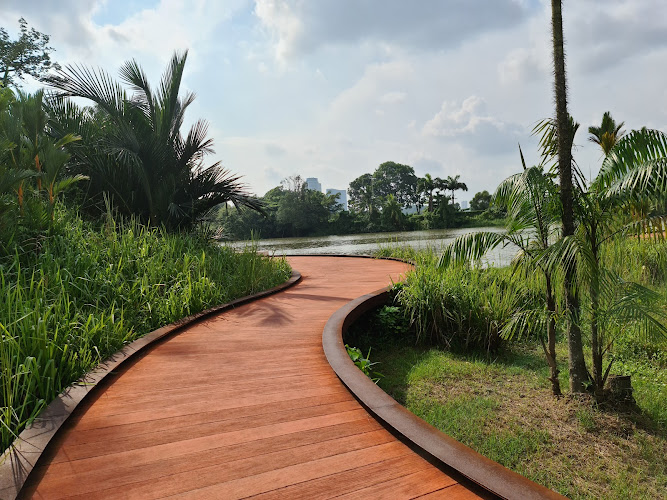
Rasau Walk

Dong Shan Temple

Science Centre Singapore
Find Accommodations Nearby
Recommended Tours & Activities
Visitor Reviews
There are no reviews yet. Be the first one to write one.
Share Your Experience
Have you visited Al-Hussain Restaurant? Help other travelers by leaving a review.