Guided Sightseeing Tours & Activities in Al Qatif
- Browse sightseeing excursions and activities in Al Qatif
- Check live availability, rates & traveler reviews on Viator
- Secure online booking with flexible options
3025 Fatah St, 7604, Alqalah, 7604, Al Qatif 32637, Saudi Arabia

Al Dalooj Historical House isn’t the kind of place that screams for attention.
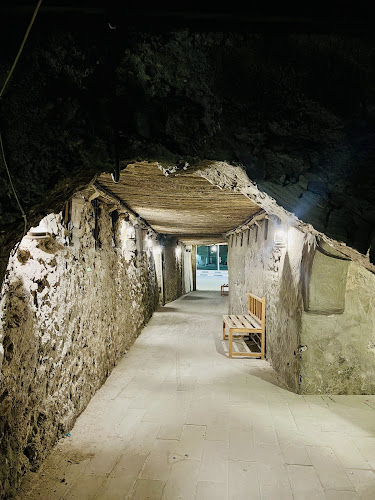
The house reflects a traditional style of domestic architecture that once defined everyday life in the region. Thick walls built for survival against heat, modest rooms laid out with practicality in mind, and materials sourced locally because, well, that’s what people had. Nothing fancy. Nothing fake. Just real history you can walk through. And I’ll say it outright: places like this matter more than big-ticket landmarks because they tell human stories. Ordinary ones. The kind you and I can relate to.
Walking through Al Dalooj Historical House feels a bit like visiting a grandparent’s home from another century. There’s a softness to it. Corners that look worn because they were used. Doorways that feel slightly off in height, reminding you that standardization wasn’t a thing back then. I remember visiting a similar house years ago and catching myself lowering my voice automatically, like the walls could still hear. Same feeling here.
This historical landmark is also surprisingly approachable for families. Kids can wander without the constant hush-hush of formal museums, and that makes the learning stick. Instead of glass cases and warning signs, they see real rooms and imagine real lives. That’s powerful. And for adult travelers, especially those tired of overproduced attractions, Al Dalooj offers a slower, more grounded experience.
What stands out most is how the house hasn’t been over-restored. Some places polish history until it looks brand new, which defeats the point if you ask me. Here, imperfections are allowed to stay. Cracks, weathering, and uneven textures quietly do the storytelling. It’s not dramatic history. It’s domestic history. And that’s rarer than you’d think.
Visitors often leave with a sense of calm rather than awe. It’s not about being wowed; it’s about understanding how people lived, rested, cooked, raised kids, and dealt with harsh summers long before air conditioning and delivery apps. The experience feels honest, which probably explains why sentiment around the place is overwhelmingly positive, even if it’s low-key.
If you ask me, the best time to visit Al Dalooj Historical House is during the cooler months. Late autumn through early spring tends to be kinder weather-wise, which makes exploring old structures way more enjoyable. Thick walls help, sure, but no one wants to rush through history because they’re sweating buckets.
Mornings are especially pleasant. The light hits the walls at an angle that shows off textures you’d miss at noon. Plus, it’s quieter then. And quiet matters here. This isn’t a place to power-walk with a checklist. It rewards patience. I once visited a similar site in the afternoon rush and regretted it. Too many people, too much noise, zero magic.
Weekdays usually feel more relaxed than weekends. If you’re traveling with kids, earlier hours also work better since they’re more alert and curious. By midday, even the most enthusiastic child turns into a tiny negotiator asking for snacks and shade.
There’s no strong seasonal programming tied to the house, so you’re not missing out by avoiding peak tourist periods. Honestly, off-peak visits often feel more authentic. You get space to think, observe, and maybe imagine what daily life looked like here a hundred years ago. That’s when the place really clicks.
Reaching Al Dalooj Historical House is fairly straightforward if you’re already exploring the surrounding region. It’s typically included as part of cultural or heritage-focused itineraries, whether you’re driving yourself or joining a local tour. Roads leading to historical areas are generally well-marked, and navigation apps usually get you close enough without much fuss.
If you’re driving, allow some extra time to park and walk. I actually recommend it. That short walk helps shift your mindset from modern travel mode into something slower and more observant. You notice details. Smells, sounds, little things that make the visit richer.
Public transport may get you part of the way depending on where you’re staying, but this is one of those places where flexibility helps. Taxis or ride-hailing services can be useful, especially if you’re unfamiliar with the area or traveling with kids who have limited patience. Been there, learned that lesson the hard way.
For travelers who like structure, guided cultural tours often include stops at historical houses like Al Dalooj. These can add helpful context, though I’ll admit I sometimes prefer wandering at my own pace. There’s no wrong choice here, just different styles of experiencing history.
First tip: slow down. Seriously. This isn’t a place you rush through in 15 minutes before grabbing coffee. Give yourself time to stand in rooms, look at ceiling beams, and imagine daily routines. The value is in observation, not speed.
Dress comfortably and modestly. Old houses have uneven floors, narrow passages, and sometimes low door frames. You don’t want to be distracted by uncomfortable shoes or constant ducking because you forgot to pay attention. I once smacked my head in a historical house elsewhere and, yeah, not fun.
If you’re visiting with children, encourage questions. Let them guess what rooms were used for or how people stayed cool. It turns the visit into a conversation instead of a lecture. And since the site is kid-friendly, you won’t feel like you’re constantly saying don’t touch that.
Photography is usually fine, but be respectful. Some details feel personal, even if they’re technically public. I tend to take fewer photos in places like this and rely more on memory. Sounds cheesy, I know, but it sticks better.
Bring water, especially in warmer months. Old houses were designed for a different pace of life, not modern tourism schedules. Staying hydrated keeps you focused and present, which makes the experience better overall.
Finally, don’t overthink it. Al Dalooj Historical House doesn’t demand expert knowledge or deep historical background. It asks for curiosity and a bit of empathy. Imagine families living here, dealing with heat, chores, celebrations, and ordinary days. That mental exercise alone makes the visit worthwhile.
And if you leave feeling calmer than when you arrived, that’s a win. Some places teach history through facts and dates. Others, like this one, teach it through feeling. I know which kind stays with me longer.
Last modified August 17, 2026
Al Dalooj Historical House isn’t the kind of place that screams for attention. And honestly, that’s part of its charm. This old house, quietly standing its ground through decades of change, feels more like a lived-in memory than a polished museum. When travelers talk about authentic heritage experiences, this is what they usually mean, even if they don’t realize it yet.
The house reflects a traditional style of domestic architecture that once defined everyday life in the region. Thick walls built for survival against heat, modest rooms laid out with practicality in mind, and materials sourced locally because, well, that’s what people had. Nothing fancy. Nothing fake. Just real history you can walk through. And I’ll say it outright: places like this matter more than big-ticket landmarks because they tell human stories. Ordinary ones. The kind you and I can relate to.
Walking through Al Dalooj Historical House feels a bit like visiting a grandparent’s home from another century. There’s a softness to it. Corners that look worn because they were used. Doorways that feel slightly off in height, reminding you that standardization wasn’t a thing back then. I remember visiting a similar house years ago and catching myself lowering my voice automatically, like the walls could still hear. Same feeling here.
This historical landmark is also surprisingly approachable for families. Kids can wander without the constant hush-hush of formal museums, and that makes the learning stick. Instead of glass cases and warning signs, they see real rooms and imagine real lives. That’s powerful. And for adult travelers, especially those tired of overproduced attractions, Al Dalooj offers a slower, more grounded experience.
What stands out most is how the house hasn’t been over-restored. Some places polish history until it looks brand new, which defeats the point if you ask me. Here, imperfections are allowed to stay. Cracks, weathering, and uneven textures quietly do the storytelling. It’s not dramatic history. It’s domestic history. And that’s rarer than you’d think.
Visitors often leave with a sense of calm rather than awe. It’s not about being wowed; it’s about understanding how people lived, rested, cooked, raised kids, and dealt with harsh summers long before air conditioning and delivery apps. The experience feels honest, which probably explains why sentiment around the place is overwhelmingly positive, even if it’s low-key.
If you ask me, the best time to visit Al Dalooj Historical House is during the cooler months. Late autumn through early spring tends to be kinder weather-wise, which makes exploring old structures way more enjoyable. Thick walls help, sure, but no one wants to rush through history because they’re sweating buckets.
Mornings are especially pleasant. The light hits the walls at an angle that shows off textures you’d miss at noon. Plus, it’s quieter then. And quiet matters here. This isn’t a place to power-walk with a checklist. It rewards patience. I once visited a similar site in the afternoon rush and regretted it. Too many people, too much noise, zero magic.
Weekdays usually feel more relaxed than weekends. If you’re traveling with kids, earlier hours also work better since they’re more alert and curious. By midday, even the most enthusiastic child turns into a tiny negotiator asking for snacks and shade.
There’s no strong seasonal programming tied to the house, so you’re not missing out by avoiding peak tourist periods. Honestly, off-peak visits often feel more authentic. You get space to think, observe, and maybe imagine what daily life looked like here a hundred years ago. That’s when the place really clicks.
Reaching Al Dalooj Historical House is fairly straightforward if you’re already exploring the surrounding region. It’s typically included as part of cultural or heritage-focused itineraries, whether you’re driving yourself or joining a local tour. Roads leading to historical areas are generally well-marked, and navigation apps usually get you close enough without much fuss.
If you’re driving, allow some extra time to park and walk. I actually recommend it. That short walk helps shift your mindset from modern travel mode into something slower and more observant. You notice details. Smells, sounds, little things that make the visit richer.
Public transport may get you part of the way depending on where you’re staying, but this is one of those places where flexibility helps. Taxis or ride-hailing services can be useful, especially if you’re unfamiliar with the area or traveling with kids who have limited patience. Been there, learned that lesson the hard way.
For travelers who like structure, guided cultural tours often include stops at historical houses like Al Dalooj. These can add helpful context, though I’ll admit I sometimes prefer wandering at my own pace. There’s no wrong choice here, just different styles of experiencing history.
First tip: slow down. Seriously. This isn’t a place you rush through in 15 minutes before grabbing coffee. Give yourself time to stand in rooms, look at ceiling beams, and imagine daily routines. The value is in observation, not speed.
Dress comfortably and modestly. Old houses have uneven floors, narrow passages, and sometimes low door frames. You don’t want to be distracted by uncomfortable shoes or constant ducking because you forgot to pay attention. I once smacked my head in a historical house elsewhere and, yeah, not fun.
If you’re visiting with children, encourage questions. Let them guess what rooms were used for or how people stayed cool. It turns the visit into a conversation instead of a lecture. And since the site is kid-friendly, you won’t feel like you’re constantly saying don’t touch that.
Photography is usually fine, but be respectful. Some details feel personal, even if they’re technically public. I tend to take fewer photos in places like this and rely more on memory. Sounds cheesy, I know, but it sticks better.
Bring water, especially in warmer months. Old houses were designed for a different pace of life, not modern tourism schedules. Staying hydrated keeps you focused and present, which makes the experience better overall.
Finally, don’t overthink it. Al Dalooj Historical House doesn’t demand expert knowledge or deep historical background. It asks for curiosity and a bit of empathy. Imagine families living here, dealing with heat, chores, celebrations, and ordinary days. That mental exercise alone makes the visit worthwhile.
And if you leave feeling calmer than when you arrived, that’s a win. Some places teach history through facts and dates. Others, like this one, teach it through feeling. I know which kind stays with me longer.

No reviews found! Be the first to review!
Al Dalooj Historical House (Arabic: بيت الدعلوج) is a traditional heritage home in Al Qatif, Eastern Province, Saudi Arabia. It’s referenced at 3025 Fatah St, Alqalah, Al Qatif 32637—a location listing used by travel directories—and is representative of the region’s domestic architecture rather than a large museum-style attraction. Expect a small-scale, architecturally significant site that rewards close looking.Trip.com Singapore
Al Qatif’s old quarters once centered on Qatif Castle (Qal’at al-Qatif) and a dense matrix of homes built with sea stone and plaster, arranged to stay cool and ventilated through Gulf summers. Many of those structures have been lost; surviving houses like Al Dalooj are valuable references for local craft—stucco (gypsum) carving, arches, and multi-storey layouts with small upper rooms (khalwa) used for privacy and heat relief. Regional documentation describes this construction tradition clearly: stone-and-plaster walls, palm-trunk roof elements, and three-level family houses were typical in Qatif’s historic core.Wikipedia
Independent Arabic write-ups focused specifically on بيت الدعلوج highlight:
– Rich stucco ornament, columns and arches with local/Islamic motifs;
– Multiple floors culminating in a khalwa room on the top level;
– Structure built from local “farūsh” (sea) stone—a hallmark of Qatif’s traditional building.ateeg.art
Access reality check
There’s no official website or posted schedule for Al Dalooj Historical House. Some travelers only view it from the outside; others arrange interior access informally (e.g., via local contacts). Always seek permission before photographing interiors and be respectful if the building is under restoration or community care.Trip.com Singapore
Al Dalooj Historical House is best treated as a heritage architecture stop—a place to read craft and climate-responsive design in situ—rather than a staffed attraction with set hours. Pair it with Qatif/Tarout’s larger heritage landscape to turn a short photo stop into a meaningful culture deep-dive. Verify access on the day, and assume exterior viewing if you cannot reach a local contact.Trip.com Singapore
Explore verified points of interest within walking or short transit distance.
No neighboring places mapped within 5 km yet.
Stay22 provides this accommodation search. We may earn a commission if you book through it; verify current prices and terms with the provider.
GetYourGuide provides this tour inventory. We may earn a commission if you book through it; verify current availability, prices, and terms with the provider.
We may earn a commission if you book through links on this page at no extra cost to you. All tours feature verified customer reviews and flexible cancellation options.
No traveler reviews yet. Share your experience below!
No traveler questions yet. Be the first to ask a local!