
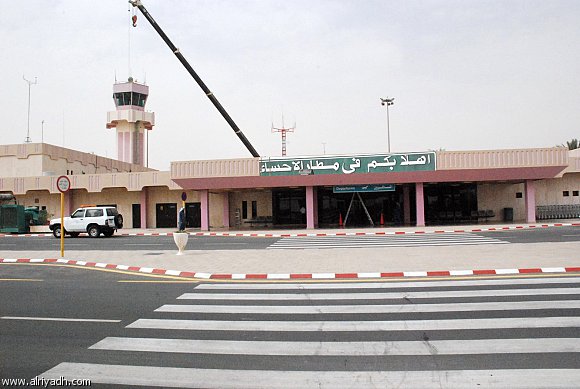
Al-Ahsa Airport
About Al-Ahsa Airport
Description
Al-Ahsa International Airport is the small, easygoing gateway to Saudi Arabia’s legendary oasis region. Serving the city of Hofuf (often written Al-Hofuf or just “Hofuf”) and the wider Al-Ahsa Governorate, this compact airport is one of those places that quietly gets the job done. Travelers who prefer airports that are navigable in minutes rather than hours tend to appreciate its straightforward layout, friendly ground staff, and low-stress check-in and security. It’s an airport that favors practical comfort over spectacle—ideal when time is tight or energy is low.
Officially coded as IATA: HOF and ICAO: OEAH, the airport handles a handful of daily flights, primarily domestic routes connecting to major Saudi hubs. Common routes include Riyadh and Jeddah, while international flights have operated periodically, such as services to Dubai, depending on airline schedules and seasons. The single-terminal design means fewer long walks or confusing transfers. And, for travelers who care about accessibility, the airport’s step-free access, reserved parking, and accessible restrooms make navigating the terminal more manageable.
In terms of travel experience, passengers generally report short queues and quick baggage claim—especially on midday flights—though peak times before major holidays or evening departures can feel busier. Expect a concise selection of cafés and kiosks for snacks and hot drinks, plus essential facilities like baggage storage, restrooms, family amenities such as baby-changing tables, and dedicated prayer rooms. This is a regional airport that knows its typical traveler well: families visiting the oasis, business travelers commuting to the energy and agricultural industries, and locals hopping to the big hubs to connect onward.
What sets the airport’s location apart is the destination just beyond the curb. Al-Ahsa is home to a UNESCO-listed oasis landscape—date palm groves, ancient springs, and the distinctive cliffs and caves of Al-Qarah Mountain—alongside traditional markets and crafts. For travelers planning a stopover or a short city break, the airport positions them within an easy drive of some of Saudi Arabia’s most intriguing cultural stops. And unlike some sprawling airports where a layover can evaporate into transit, here it’s realistic to step outside, see the city, and get back for your departure without a nerve-wracking rush (assuming a cushion of time, of course).
Is Al-Ahsa International Airport large? No, and that’s part of the charm. It’s sized right for quick arrivals and straightforward departures. Those craving world-spanning connectivity can still get it: with a short hop to Riyadh or Jeddah, you can connect almost anywhere. If a traveler is deciding where to fly into for Hofuf or Al-Ahsa, the airport here makes a strong case—especially if the itinerary includes the oasis itself.
As for practical airport information: a single terminal operates in alignment with flight schedules, and services generally scale up around departures and arrivals. There are times when dining and retail options feel modest, particularly very late at night, so seasoned travelers often bring a favorite snack or bottled water. That said, staff are attentive, cleanliness standards are usually high, and signage is clear in both Arabic and English. Al-Ahsa’s desert climate also shapes the travel rhythm: summers are intensely hot, winters are mild, and the terminal’s air conditioning is the quiet hero of many travel days.
Key Features
- IATA code HOF; ICAO code OEAH
- Single-terminal layout with short walking distances and simple wayfinding
- Domestic routes commonly include Riyadh and Jeddah; some seasons see international flights (e.g., Dubai) based on airline schedules
- Wheelchair-accessible entrance, parking, and restrooms for easier mobility
- Prayer rooms and family-friendly facilities, including baby-changing tables
- Baggage storage service for travelers planning short excursions into the city
- Essential amenities: restrooms, seating areas, snack kiosks/cafés; selection can be limited late at night
- Ride-hailing and taxi options available curbside; car rental desks commonly operate in line with flight times
- Compact arrivals hall enabling quicker exit to the city compared to larger international airports
- Proximity to UNESCO-listed Al-Ahsa Oasis, traditional souqs, and the sandstone formations of Al-Qarah Mountain
Best Time to Visit
For travelers planning a wider Al-Ahsa visit, the sweet spot runs from late October through March. That’s when the desert climate tilts mild, with daytime temperatures that encourage exploration of the date palm groves and heritage landmarks. Expect cool evenings—light layers help—and crisp mornings that are perfect for market strolls or gentle hikes around Al-Qarah.
From April through early June, temperatures rise quickly. If travel is necessary in this window, early morning flights can be a blessing, letting travelers get into town and out exploring before midday heat sets in. July and August often bring the most intense heat, with 40–45°C days common. The airport itself stays cool, but anyone planning a layover adventure during this season should time outings carefully—late afternoons and evenings are kinder.
Religious and national holidays can impact demand and flight schedules. Expect busier terminals prior to major travel periods, and consider booking flights and ground transport earlier than usual. In those peak windows, arriving a bit earlier than standard guidance can be the difference between a calm check-in and a scramble at security.
How to Get There
Al-Ahsa International Airport serves the city of Hofuf and the surrounding oasis communities in Saudi Arabia’s Eastern Province. Most travelers reach it by car. It’s typically a 20–30 minute drive to central Hofuf depending on traffic and the specific neighborhood. Taxis and ride-hailing apps operate throughout the area; drivers are familiar with the airport’s drop-off and pick-up zones, and curbside pickup is straightforward.
Car rentals are a popular option, especially if the plan includes visiting date farms or heading out toward Al-Qarah Mountain. Car rental counters usually open around flight operations; seasoned travelers often pre-book to ensure availability and a faster pickup. Parking at the airport is open-air and practical, with accessible spaces near the terminal entrance. For quick drop-offs or pickups, the curb area is clearly signed—just follow the short-term parking rules to avoid fines.
Public transport to the terminal is limited compared with big international airports. Regional buses typically connect city centers rather than airport curbs. If using intercity bus or train services to reach Hofuf, it’s best to arrange a short taxi or ride-hail hop from the station to the airport. That last leg is simple and usually cost-effective.
Considering alternative airports? It happens—especially if you’re juggling meetings across the Eastern Province or chasing the best fare. King Fahd International Airport in Dammam is the most logical large-hub alternative, roughly 150 km away by road. Depending on border times and the itinerary, Bahrain International Airport is another option for some travelers, while King Khalid International Airport in Riyadh serves as a main long-haul gateway. Each alternative adds a drive, so factor in daylight, traffic, and the desert climate when planning the journey.
Tips for Visiting
Arrive time-smart. For domestic flights, arriving about 2 hours before departure is a comfortable rule of thumb, and for international flights, 3 hours is recommended. Because Al-Ahsa International Airport’s operations are concentrated around flight waves, queues can build quickly before a departure cluster, even if the terminal seems quiet just before.
Pack for the climate. If you’re connecting onward or planning a quick outing during a layover, consider the heat. A light scarf or hat is surprisingly useful; sunglasses and sunscreen are essential. Indoors, the air conditioning can feel cool after the outdoor heat, so a light layer helps with temperature swings.
Plan your connectivity. Wi‑Fi availability and performance can vary as services evolve. If reliable data is critical for maps, ride-hailing, or translation, a local eSIM or data plan is a smart backup. Speaking of maps, downloading an offline city map of Hofuf and Al-Ahsa’s key sights makes short layovers much smoother.
Expect streamlined services, not mega-mall shopping. Al-Ahsa International Airport is about practicality. There are cafés and snack points, but choices can be limited outside of peak times. If you or your travel companions get “hangry,” bring a favorite snack, especially for late-night or very early flights. Hydration is key in a desert climate—carry water, and refill when possible.
Use the airport’s family and accessibility features. The terminal offers wheelchair-accessible entrances, parking, and restrooms, plus baby-changing tables. If traveling with elders, children, or anyone who benefits from reduced walking distances, the compact layout is a quiet win. Ask staff for assistance if needed; they know the shortcuts and timings.
Know the codes and routes. The airport code is HOF, with the ICAO code OEAH. Domestic routes often include Riyadh and Jeddah, with occasional international schedules based on airline planning. When checking a ticket or tracking a bag, using the HOF code prevents mix-ups and helps airline staff pull up the correct airport information quickly.
Mind the prayer times and cultural rhythms. Al-Ahsa is a region where tradition is celebrated, and the airport reflects that. Prayer rooms are available, and certain services may briefly slow during prayer times. It doesn’t usually impact flights, but it’s a good detail to keep in mind if you’re timing a last-minute coffee run before boarding.
For layovers, think local—and realistic. With a few hours, it’s feasible to explore a taste of Al-Ahsa. The Qaisariah Souq gives a glimpse of traditional trade, and Al-Qarah Mountain’s walkways and caves are a unique quick escape. Date lovers, rejoice: tasting fresh dates in season is practically a rite of passage here. Allow buffer time for traffic and a relaxed stroll back through security; the airport is easy, but rushing in desert heat can be tiring.
Consider the alternatives wisely. If your schedule is rigid or your preferred airline doesn’t operate through HOF on your date, look at Dammam or Riyadh as back-up plans. That said, factor in the drive: adding 150–300 km by road changes the feel of your day. Many travelers prefer the simplicity of HOF plus a connection over a long highway ride in the heat.
Stay flexible with schedules. Regional aviation can adjust flight times seasonally, and international routes may run at specific times of year. If a direct international flight appears only on certain days, it’s not a glitch—it’s likely seasonal planning. Book early for peak weekends and holidays, and double-check the departure time the day before; it reduces stress and keeps surprises to a minimum.
Think like a pro traveler. Keep essential items in a small personal bag—passport, phone, charger, any medications, and a pen for forms. If you plan to re-check bags or store luggage, labeling in both English and Arabic can speed things up. As with most international airports, professional and courteous interactions go a long way; staff are used to guiding visitors who are new to the region.
Finally, remember why this airport works so well for Hofuf and the Al-Ahsa oasis: it’s efficient, human-scaled, and close to the good stuff. From a time-saving morning hop to Riyadh to a weekend escape exploring date farms and limestone caves, Al-Ahsa International Airport serves travelers who prefer to spend less time walking a terminal and more time doing what they came to do. And for most visitors, that’s exactly the point.
Key Features
- Small, easy-to-navigate terminal with short walking distances
- Direct access to Al-Ahsa Oasis and regional road network
- Domestic flight connections to major Saudi cities
- Basic passenger amenities and car rental counters
- Traditional regional character and lower crowd levels
More Details
Updated October 30, 2025
Table of Contents
Description
Al-Ahsa International Airport is the small, easygoing gateway to Saudi Arabia’s legendary oasis region. Serving the city of Hofuf (often written Al-Hofuf or just “Hofuf”) and the wider Al-Ahsa Governorate, this compact airport is one of those places that quietly gets the job done. Travelers who prefer airports that are navigable in minutes rather than hours tend to appreciate its straightforward layout, friendly ground staff, and low-stress check-in and security. It’s an airport that favors practical comfort over spectacle—ideal when time is tight or energy is low.
Officially coded as IATA: HOF and ICAO: OEAH, the airport handles a handful of daily flights, primarily domestic routes connecting to major Saudi hubs. Common routes include Riyadh and Jeddah, while international flights have operated periodically, such as services to Dubai, depending on airline schedules and seasons. The single-terminal design means fewer long walks or confusing transfers. And, for travelers who care about accessibility, the airport’s step-free access, reserved parking, and accessible restrooms make navigating the terminal more manageable.
In terms of travel experience, passengers generally report short queues and quick baggage claim—especially on midday flights—though peak times before major holidays or evening departures can feel busier. Expect a concise selection of cafés and kiosks for snacks and hot drinks, plus essential facilities like baggage storage, restrooms, family amenities such as baby-changing tables, and dedicated prayer rooms. This is a regional airport that knows its typical traveler well: families visiting the oasis, business travelers commuting to the energy and agricultural industries, and locals hopping to the big hubs to connect onward.
What sets the airport’s location apart is the destination just beyond the curb. Al-Ahsa is home to a UNESCO-listed oasis landscape—date palm groves, ancient springs, and the distinctive cliffs and caves of Al-Qarah Mountain—alongside traditional markets and crafts. For travelers planning a stopover or a short city break, the airport positions them within an easy drive of some of Saudi Arabia’s most intriguing cultural stops. And unlike some sprawling airports where a layover can evaporate into transit, here it’s realistic to step outside, see the city, and get back for your departure without a nerve-wracking rush (assuming a cushion of time, of course).
Is Al-Ahsa International Airport large? No, and that’s part of the charm. It’s sized right for quick arrivals and straightforward departures. Those craving world-spanning connectivity can still get it: with a short hop to Riyadh or Jeddah, you can connect almost anywhere. If a traveler is deciding where to fly into for Hofuf or Al-Ahsa, the airport here makes a strong case—especially if the itinerary includes the oasis itself.
As for practical airport information: a single terminal operates in alignment with flight schedules, and services generally scale up around departures and arrivals. There are times when dining and retail options feel modest, particularly very late at night, so seasoned travelers often bring a favorite snack or bottled water. That said, staff are attentive, cleanliness standards are usually high, and signage is clear in both Arabic and English. Al-Ahsa’s desert climate also shapes the travel rhythm: summers are intensely hot, winters are mild, and the terminal’s air conditioning is the quiet hero of many travel days.
Key Features
- IATA code HOF; ICAO code OEAH
- Single-terminal layout with short walking distances and simple wayfinding
- Domestic routes commonly include Riyadh and Jeddah; some seasons see international flights (e.g., Dubai) based on airline schedules
- Wheelchair-accessible entrance, parking, and restrooms for easier mobility
- Prayer rooms and family-friendly facilities, including baby-changing tables
- Baggage storage service for travelers planning short excursions into the city
- Essential amenities: restrooms, seating areas, snack kiosks/cafés; selection can be limited late at night
- Ride-hailing and taxi options available curbside; car rental desks commonly operate in line with flight times
- Compact arrivals hall enabling quicker exit to the city compared to larger international airports
- Proximity to UNESCO-listed Al-Ahsa Oasis, traditional souqs, and the sandstone formations of Al-Qarah Mountain
Best Time to Visit
For travelers planning a wider Al-Ahsa visit, the sweet spot runs from late October through March. That’s when the desert climate tilts mild, with daytime temperatures that encourage exploration of the date palm groves and heritage landmarks. Expect cool evenings—light layers help—and crisp mornings that are perfect for market strolls or gentle hikes around Al-Qarah.
From April through early June, temperatures rise quickly. If travel is necessary in this window, early morning flights can be a blessing, letting travelers get into town and out exploring before midday heat sets in. July and August often bring the most intense heat, with 40–45°C days common. The airport itself stays cool, but anyone planning a layover adventure during this season should time outings carefully—late afternoons and evenings are kinder.
Religious and national holidays can impact demand and flight schedules. Expect busier terminals prior to major travel periods, and consider booking flights and ground transport earlier than usual. In those peak windows, arriving a bit earlier than standard guidance can be the difference between a calm check-in and a scramble at security.
How to Get There
Al-Ahsa International Airport serves the city of Hofuf and the surrounding oasis communities in Saudi Arabia’s Eastern Province. Most travelers reach it by car. It’s typically a 20–30 minute drive to central Hofuf depending on traffic and the specific neighborhood. Taxis and ride-hailing apps operate throughout the area; drivers are familiar with the airport’s drop-off and pick-up zones, and curbside pickup is straightforward.
Car rentals are a popular option, especially if the plan includes visiting date farms or heading out toward Al-Qarah Mountain. Car rental counters usually open around flight operations; seasoned travelers often pre-book to ensure availability and a faster pickup. Parking at the airport is open-air and practical, with accessible spaces near the terminal entrance. For quick drop-offs or pickups, the curb area is clearly signed—just follow the short-term parking rules to avoid fines.
Public transport to the terminal is limited compared with big international airports. Regional buses typically connect city centers rather than airport curbs. If using intercity bus or train services to reach Hofuf, it’s best to arrange a short taxi or ride-hail hop from the station to the airport. That last leg is simple and usually cost-effective.
Considering alternative airports? It happens—especially if you’re juggling meetings across the Eastern Province or chasing the best fare. King Fahd International Airport in Dammam is the most logical large-hub alternative, roughly 150 km away by road. Depending on border times and the itinerary, Bahrain International Airport is another option for some travelers, while King Khalid International Airport in Riyadh serves as a main long-haul gateway. Each alternative adds a drive, so factor in daylight, traffic, and the desert climate when planning the journey.
Tips for Visiting
Arrive time-smart. For domestic flights, arriving about 2 hours before departure is a comfortable rule of thumb, and for international flights, 3 hours is recommended. Because Al-Ahsa International Airport’s operations are concentrated around flight waves, queues can build quickly before a departure cluster, even if the terminal seems quiet just before.
Pack for the climate. If you’re connecting onward or planning a quick outing during a layover, consider the heat. A light scarf or hat is surprisingly useful; sunglasses and sunscreen are essential. Indoors, the air conditioning can feel cool after the outdoor heat, so a light layer helps with temperature swings.
Plan your connectivity. Wi‑Fi availability and performance can vary as services evolve. If reliable data is critical for maps, ride-hailing, or translation, a local eSIM or data plan is a smart backup. Speaking of maps, downloading an offline city map of Hofuf and Al-Ahsa’s key sights makes short layovers much smoother.
Expect streamlined services, not mega-mall shopping. Al-Ahsa International Airport is about practicality. There are cafés and snack points, but choices can be limited outside of peak times. If you or your travel companions get “hangry,” bring a favorite snack, especially for late-night or very early flights. Hydration is key in a desert climate—carry water, and refill when possible.
Use the airport’s family and accessibility features. The terminal offers wheelchair-accessible entrances, parking, and restrooms, plus baby-changing tables. If traveling with elders, children, or anyone who benefits from reduced walking distances, the compact layout is a quiet win. Ask staff for assistance if needed; they know the shortcuts and timings.
Know the codes and routes. The airport code is HOF, with the ICAO code OEAH. Domestic routes often include Riyadh and Jeddah, with occasional international schedules based on airline planning. When checking a ticket or tracking a bag, using the HOF code prevents mix-ups and helps airline staff pull up the correct airport information quickly.
Mind the prayer times and cultural rhythms. Al-Ahsa is a region where tradition is celebrated, and the airport reflects that. Prayer rooms are available, and certain services may briefly slow during prayer times. It doesn’t usually impact flights, but it’s a good detail to keep in mind if you’re timing a last-minute coffee run before boarding.
For layovers, think local—and realistic. With a few hours, it’s feasible to explore a taste of Al-Ahsa. The Qaisariah Souq gives a glimpse of traditional trade, and Al-Qarah Mountain’s walkways and caves are a unique quick escape. Date lovers, rejoice: tasting fresh dates in season is practically a rite of passage here. Allow buffer time for traffic and a relaxed stroll back through security; the airport is easy, but rushing in desert heat can be tiring.
Consider the alternatives wisely. If your schedule is rigid or your preferred airline doesn’t operate through HOF on your date, look at Dammam or Riyadh as back-up plans. That said, factor in the drive: adding 150–300 km by road changes the feel of your day. Many travelers prefer the simplicity of HOF plus a connection over a long highway ride in the heat.
Stay flexible with schedules. Regional aviation can adjust flight times seasonally, and international routes may run at specific times of year. If a direct international flight appears only on certain days, it’s not a glitch—it’s likely seasonal planning. Book early for peak weekends and holidays, and double-check the departure time the day before; it reduces stress and keeps surprises to a minimum.
Think like a pro traveler. Keep essential items in a small personal bag—passport, phone, charger, any medications, and a pen for forms. If you plan to re-check bags or store luggage, labeling in both English and Arabic can speed things up. As with most international airports, professional and courteous interactions go a long way; staff are used to guiding visitors who are new to the region.
Finally, remember why this airport works so well for Hofuf and the Al-Ahsa oasis: it’s efficient, human-scaled, and close to the good stuff. From a time-saving morning hop to Riyadh to a weekend escape exploring date farms and limestone caves, Al-Ahsa International Airport serves travelers who prefer to spend less time walking a terminal and more time doing what they came to do. And for most visitors, that’s exactly the point.
Key Highlights
- Small, easy-to-navigate terminal with short walking distances
- Direct access to Al-Ahsa Oasis and regional road network
- Domestic flight connections to major Saudi cities
- Basic passenger amenities and car rental counters
- Traditional regional character and lower crowd levels
Location
Places to Stay Near Al-Ahsa Airport
Find and Book a Tour
Explore More Travel Guides
No reviews found! Be the first to review!
Traveler Reviews for Al-Ahsa Airport
There are no reviews yet. Be the first one to write one.
Have you visited Al-Ahsa Airport? Help other travelers by sharing your review.
Nearby Attractions
You Might Also Like
Almuallimin Al Gharbiyyah

Hofuf Hotel

Al Hofuf 36423
Find Accommodations Nearby
Recommended Tours & Activities
Visitor Reviews
There are no reviews yet. Be the first one to write one.
Share Your Experience
Have you visited Al-Ahsa Airport? Help other travelers by leaving a review.