
Akkanna Madanna Caves
About Akkanna Madanna Caves
Description
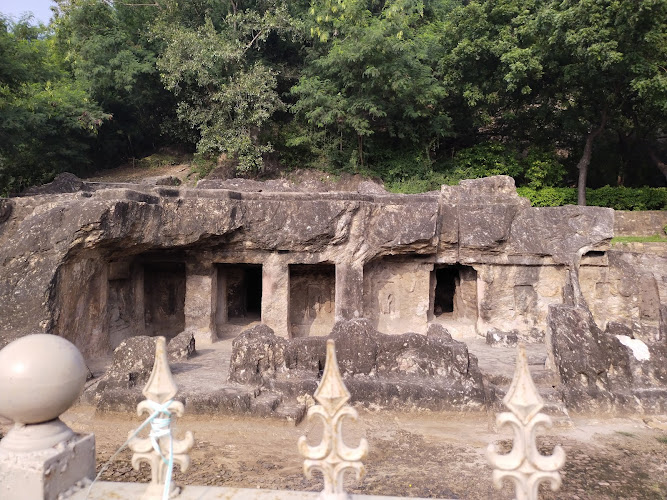
The Akkanna Madanna Caves in Vijayawada are one of those places that quietly take your breath away—not because they’re flashy or over-the-top, but because of the sheer sense of time and devotion carved into stone. Set against the base of the Indrakeeladri Hill, these 17th-century rock-cut temples are dedicated to Lord Shiva and are believed to have been excavated during the Eastern Chalukya period. You can almost feel the rhythm of chisels that once echoed through the caves, shaping not just rock but faith itself.
Walking into the caves, the first thing that strikes most visitors is how the space feels both sacred and human at the same time. The carvings, though weathered, still hold a quiet dignity. I remember standing there, tracing the outlines of ancient motifs with my eyes, and thinking about how many generations have stood in that same spot, whispering prayers or simply taking in the stillness. It’s humbling, really.
Unlike the grander, more polished temples you might find elsewhere, the Akkanna Madanna Caves have an authenticity that’s hard to replicate. The air smells faintly of incense, mingled with the earthy scent of stone and river breeze from the Krishna nearby. Some visitors say the caves feel alive, as though they hold centuries of stories in their walls. And honestly, I kind of agree.
While the site is primarily a place of worship, it’s also a fascinating stop for history buffs and architecture lovers. You’ll find traces of early Hindu rock-cut architecture here, with pillared halls, sanctums, and subtle carvings that hint at the craftsmanship of the artisans. The caves might not be as massive as Ajanta or Ellora, but they have their own quiet charm. It’s one of those places where you can sit for a while and just let the history sink in.
Key Features
- Rock-Cut Architecture: The caves are carved directly into the Indrakeeladri Hill, showcasing early examples of Hindu rock-cut temple design.
- Dedicated to Lord Shiva: The main sanctum features a Shiva Lingam, still worshipped by locals and pilgrims today.
- Historic Significance: Believed to date back to the 7th century under the Eastern Chalukyas, though later renovations occurred in the 17th century.
- Serene Ambience: The caves offer a calm, spiritual environment away from the bustle of Vijayawada city.
- Close to Kanaka Durga Temple: Located near one of Andhra Pradesh’s most revered temples, making it easy to explore both in a single visit.
- Family-Friendly: The site is accessible and safe for children, with well-maintained pathways and a peaceful atmosphere.
- Wheelchair Accessible Parking: Visitors with mobility needs will find convenient parking facilities nearby.
Best Time to Visit
If you ask me, the best time to explore the Akkanna Madanna Caves is between November and February. The weather is cooler, the skies are clear, and you can actually enjoy wandering around without feeling like the sun is melting your shoes. Early mornings are particularly magical—the light filters softly through the trees, the air feels fresh, and the sound of temple bells from nearby Kanaka Durga Temple adds a kind of rhythm to the moment.
Avoid the peak summer months if you can. The heat in Vijayawada can be intense, and since the caves are carved into rock, they tend to trap warmth. Monsoon season, though beautiful, can make the paths a bit slippery. Still, if you’re the adventurous type who doesn’t mind a little drizzle, it’s quite a sight to see the hill glistening after the rain.
Festivals, especially during Dussehra, bring a different energy altogether. The area comes alive with devotees, lights, and chants. It’s crowded, yes, but there’s something deeply moving about witnessing faith on that scale.
How to Get There
Getting to the Akkanna Madanna Caves is pretty straightforward. Vijayawada is well-connected by road, rail, and air, so no matter where you’re coming from, you won’t have trouble reaching the city. Once you’re in Vijayawada, the caves are just a short drive from the main bus and railway stations. Auto-rickshaws and taxis are easy to find, and most drivers will know the location right away—just mention “Akkanna Madanna Caves near Kanaka Durga Temple,” and you’ll be on your way.
If you enjoy walking, you can even take a leisurely stroll from the base of Indrakeeladri Hill. It’s not a long trek, but the views of the Krishna River along the way are worth it. For those traveling with family or elderly companions, it’s best to use a vehicle to get closer to the entrance since the climb can be a bit steep in parts.
For out-of-towners, Vijayawada Airport (around 20 km away) is the nearest air link, with regular flights from major Indian cities. From there, you can easily hire a cab or use app-based ride services to reach the site.
Tips for Visiting
Here’s where I’ll share a few things I wish someone had told me before my first visit. First, wear comfortable shoes. The ground around the caves can be uneven, and you’ll likely find yourself walking a bit more than you expect. Carry a bottle of water—there’s something about exploring ancient stone structures that makes you thirstier than usual.
If you’re planning to take photos (and you should!), go early in the day when the light is soft. The natural shadows inside the caves make for beautiful, moody shots. But please, be respectful—this is still a place of worship for many, so avoid using flash during prayers or ceremonies.
You don’t need to be deeply religious to appreciate this place, but it helps to approach it with a sense of reverence. Take a moment to sit quietly in one of the chambers and just listen. You might hear the faint hum of chants from the nearby temple or the rustle of leaves outside. It’s a kind of peace that’s hard to find in modern life.
Also, if you’re traveling with kids, they’ll probably love exploring the caves. There’s something inherently exciting about walking through ancient corridors and imagining what life was like centuries ago. Just keep an eye on them near the edges or steps.
For those interested in history and architecture, consider reading up a bit on the Eastern Chalukya dynasty before your visit. It gives you a whole new appreciation for what you’re seeing. And if you’re the kind who loves local food (who isn’t?), grab a plate of steaming hot idlis or spicy Andhra snacks from one of the nearby stalls after your visit—it’s the perfect way to wrap up the experience.
To sum it up, the Akkanna Madanna Caves aren’t just another tourist stop—they’re a window into a time when faith, art, and community were carved together in stone. Whether you’re a pilgrim, a history lover, or just someone who enjoys discovering places that feel a little off the beaten path, this site has a quiet, enduring magic. It’s not the kind of place that shouts for attention—but once you’ve been there, it lingers in your memory long after you’ve left.
Key Features
- Key Features
- Best Time to Visit
- How to Get There
- Tips for Visiting
More Details
Updated October 10, 2025
Table of Contents
Description
The Akkanna Madanna Caves in Vijayawada are one of those places that quietly take your breath away—not because they’re flashy or over-the-top, but because of the sheer sense of time and devotion carved into stone. Set against the base of the Indrakeeladri Hill, these 17th-century rock-cut temples are dedicated to Lord Shiva and are believed to have been excavated during the Eastern Chalukya period. You can almost feel the rhythm of chisels that once echoed through the caves, shaping not just rock but faith itself.
Walking into the caves, the first thing that strikes most visitors is how the space feels both sacred and human at the same time. The carvings, though weathered, still hold a quiet dignity. I remember standing there, tracing the outlines of ancient motifs with my eyes, and thinking about how many generations have stood in that same spot, whispering prayers or simply taking in the stillness. It’s humbling, really.
Unlike the grander, more polished temples you might find elsewhere, the Akkanna Madanna Caves have an authenticity that’s hard to replicate. The air smells faintly of incense, mingled with the earthy scent of stone and river breeze from the Krishna nearby. Some visitors say the caves feel alive, as though they hold centuries of stories in their walls. And honestly, I kind of agree.
While the site is primarily a place of worship, it’s also a fascinating stop for history buffs and architecture lovers. You’ll find traces of early Hindu rock-cut architecture here, with pillared halls, sanctums, and subtle carvings that hint at the craftsmanship of the artisans. The caves might not be as massive as Ajanta or Ellora, but they have their own quiet charm. It’s one of those places where you can sit for a while and just let the history sink in.
Key Features
- Rock-Cut Architecture: The caves are carved directly into the Indrakeeladri Hill, showcasing early examples of Hindu rock-cut temple design.
- Dedicated to Lord Shiva: The main sanctum features a Shiva Lingam, still worshipped by locals and pilgrims today.
- Historic Significance: Believed to date back to the 7th century under the Eastern Chalukyas, though later renovations occurred in the 17th century.
- Serene Ambience: The caves offer a calm, spiritual environment away from the bustle of Vijayawada city.
- Close to Kanaka Durga Temple: Located near one of Andhra Pradesh’s most revered temples, making it easy to explore both in a single visit.
- Family-Friendly: The site is accessible and safe for children, with well-maintained pathways and a peaceful atmosphere.
- Wheelchair Accessible Parking: Visitors with mobility needs will find convenient parking facilities nearby.
Best Time to Visit
If you ask me, the best time to explore the Akkanna Madanna Caves is between November and February. The weather is cooler, the skies are clear, and you can actually enjoy wandering around without feeling like the sun is melting your shoes. Early mornings are particularly magical—the light filters softly through the trees, the air feels fresh, and the sound of temple bells from nearby Kanaka Durga Temple adds a kind of rhythm to the moment.
Avoid the peak summer months if you can. The heat in Vijayawada can be intense, and since the caves are carved into rock, they tend to trap warmth. Monsoon season, though beautiful, can make the paths a bit slippery. Still, if you’re the adventurous type who doesn’t mind a little drizzle, it’s quite a sight to see the hill glistening after the rain.
Festivals, especially during Dussehra, bring a different energy altogether. The area comes alive with devotees, lights, and chants. It’s crowded, yes, but there’s something deeply moving about witnessing faith on that scale.
How to Get There
Getting to the Akkanna Madanna Caves is pretty straightforward. Vijayawada is well-connected by road, rail, and air, so no matter where you’re coming from, you won’t have trouble reaching the city. Once you’re in Vijayawada, the caves are just a short drive from the main bus and railway stations. Auto-rickshaws and taxis are easy to find, and most drivers will know the location right away—just mention “Akkanna Madanna Caves near Kanaka Durga Temple,” and you’ll be on your way.
If you enjoy walking, you can even take a leisurely stroll from the base of Indrakeeladri Hill. It’s not a long trek, but the views of the Krishna River along the way are worth it. For those traveling with family or elderly companions, it’s best to use a vehicle to get closer to the entrance since the climb can be a bit steep in parts.
For out-of-towners, Vijayawada Airport (around 20 km away) is the nearest air link, with regular flights from major Indian cities. From there, you can easily hire a cab or use app-based ride services to reach the site.
Tips for Visiting
Here’s where I’ll share a few things I wish someone had told me before my first visit. First, wear comfortable shoes. The ground around the caves can be uneven, and you’ll likely find yourself walking a bit more than you expect. Carry a bottle of water—there’s something about exploring ancient stone structures that makes you thirstier than usual.
If you’re planning to take photos (and you should!), go early in the day when the light is soft. The natural shadows inside the caves make for beautiful, moody shots. But please, be respectful—this is still a place of worship for many, so avoid using flash during prayers or ceremonies.
You don’t need to be deeply religious to appreciate this place, but it helps to approach it with a sense of reverence. Take a moment to sit quietly in one of the chambers and just listen. You might hear the faint hum of chants from the nearby temple or the rustle of leaves outside. It’s a kind of peace that’s hard to find in modern life.
Also, if you’re traveling with kids, they’ll probably love exploring the caves. There’s something inherently exciting about walking through ancient corridors and imagining what life was like centuries ago. Just keep an eye on them near the edges or steps.
For those interested in history and architecture, consider reading up a bit on the Eastern Chalukya dynasty before your visit. It gives you a whole new appreciation for what you’re seeing. And if you’re the kind who loves local food (who isn’t?), grab a plate of steaming hot idlis or spicy Andhra snacks from one of the nearby stalls after your visit—it’s the perfect way to wrap up the experience.
To sum it up, the Akkanna Madanna Caves aren’t just another tourist stop—they’re a window into a time when faith, art, and community were carved together in stone. Whether you’re a pilgrim, a history lover, or just someone who enjoys discovering places that feel a little off the beaten path, this site has a quiet, enduring magic. It’s not the kind of place that shouts for attention—but once you’ve been there, it lingers in your memory long after you’ve left.
Key Highlights
- Key Features
- Best Time to Visit
- How to Get There
- Tips for Visiting
Location
Places to Stay Near Akkanna Madanna Caves
Find and Book a Tour
Explore More Travel Guides
No reviews found! Be the first to review!
Traveler Reviews for Akkanna Madanna Caves
There are no reviews yet. Be the first one to write one.
Have you visited Akkanna Madanna Caves? Help other travelers by sharing your review.
You Might Also Like
Vijayawada
Gandhi Park

Sri Durga Malleswara Swamy Varla Devasthanam
Find Accommodations Nearby
Recommended Tours & Activities
Visitor Reviews
There are no reviews yet. Be the first one to write one.
Share Your Experience
Have you visited Akkanna Madanna Caves? Help other travelers by leaving a review.