
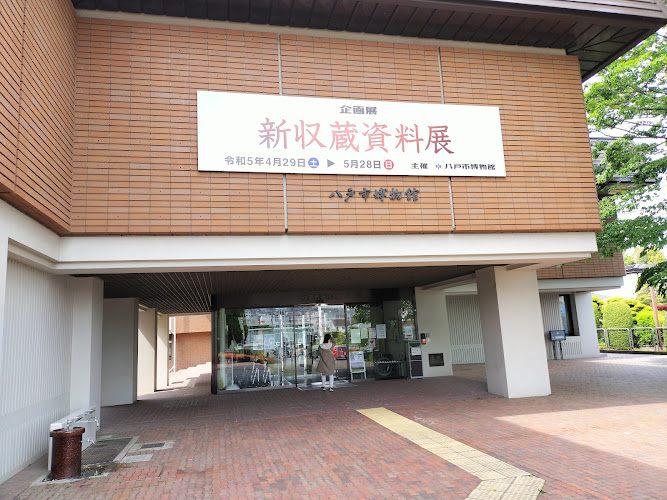
Akita Prefectural Museum
About Akita Prefectural Museum
Description
The Akita Prefectural Museum sits as a thoughtful, quietly confident hub of history, art, and nature interpretation in Akita. Visitors expecting only an art gallery are often surprised: this is a prefectural museum with broad ambitions. It documents local life across centuries, showcases notable works by artists connected to the region, and explains the natural environment that shaped Akita. The presentation feels deliberate rather than flashy — exhibitions are curated with respect for the objects and for the stories those objects tell about people who lived here long before modern conveniences.
The permanent displays cover archaeology, folk culture, natural history, and art. Pieces range from finds hinting at ancient life in the area to ceramics, lacquer, regional textiles, and paintings by artists like Tsuguharu Foujita whose works appear in regional collections. Lovers of historical craft traditions and Japanese cultural history will enjoy the sections on local festivals, samurai-era artifacts, and rural life. Meanwhile, visitors who drift toward natural science exhibits can learn about Akita’s forests, rivers, and wildlife in displays that interpret the landscape as real living context for human history.
The museum building is practical and accessible, designed to welcome a wide audience. The layout invites a calm flow: one gallery leads to the next without sudden changes, so it is easy to take in the collection at a measured pace. Lighting and signage are clear; for non-Japanese readers there is enough bilingual information to understand the gist of most exhibits, though occasional labels remain Japanese-only. Overall, the place strikes a good balance between academic rigor and tourist-friendly storytelling.
One of the more memorable elements is the Hirano Masakichi collection, a local assemblage of artifacts and art that surfaces regional tastes and connections. Special exhibitions rotate often, sometimes featuring modern art or themed displays that dig into cultural heritage. The museum also functions as a civic space: periodic events, workshops, and family activities make it feel alive and connected to the community. In short, the Akita Prefectural Museum acts both as a repository of things and as a living place where residents and visitors can learn about why this part of Japan looks and feels the way it does.
The atmosphere encourages lingering. The cafe and on-site restaurant provide welcome pauses; the writer remembers a slow cup of coffee there after a morning of wandering displays, watching local families move between galleries. Accessibility is taken seriously, with wheelchair-accessible entrances, restrooms, and parking. Families will find changing tables and child-friendly areas, which is a thoughtful touch for travelers with young children. Free on-site parking is available, and the grounds often feel quiet compared with busier city museums.
Key Features
- Comprehensive permanent exhibitions covering archaeology, folk culture, natural history, and regional art
- Notable collections including works associated with Tsuguharu Foujita and the Hirano Masakichi collection
- Special rotating exhibitions that highlight modern and traditional Japanese art and cultural heritage
- On-site restaurant and restrooms for visitor convenience
- Wheelchair accessible entrance, restroom, and parking, plus family facilities with changing tables
- Free on-site parking and easy car access for day-trippers
- Multilingual signage and information in key exhibition areas (basic English provided)
- Event programming and occasional hands-on workshops geared to children and adults
- Quiet galleries that allow for thoughtful viewing and photography rules that are generally friendly for non-commercial use
Best Time to Visit
The best time to visit depends on what the visitor hopes to experience. Spring brings gentle weather and nearby cherry blossoms, making the museum a pleasant stop on a broader sightseeing day. Autumn is especially alluring: cool air and vivid foliage in the surrounding parks add a scenic layer to museum-going, and special seasonal exhibits often appear then. Summers can be warm and humid in Akita, but museum interiors stay comfortably cool, offering a welcome respite. Winters are cold and snowy; visiting during winter gives a very different mood — quieter streets, a slower pace, and indoor cultural experiences that take on extra coziness.
Weekdays outside of school vacation periods are generally quieter. If a traveler prefers fewer crowds and more space to linger, aim for mid-week mornings. On the other hand, weekends and local holidays host family programs, workshops, and special events that make the museum feel more lively. For festival-goers, pairing a museum visit with Akita’s major summer festivals can be rewarding, but note that travel and accommodation may be busier then.
Special exhibitions sometimes draw larger crowds; when a major artist or popular theme is on display, plan for more time and maybe arrive earlier in the day. The museum’s climate-controlled galleries also make it a good plan B when weather turns sour — rain or snow won’t stop the experience.
How to Get There
The Akita Prefectural Museum is reachable by car, taxi, and public transit, though the most convenient option may vary depending on the traveler’s starting point. From Akita Station, a taxi ride is straightforward and typically takes around 15–30 minutes depending on traffic. Trains and buses operate throughout the city and region; travelers should check local timetables for routes that serve the museum area. If the schedule seems confusing, a friendly taxi driver will usually provide the quickest door-to-door solution.
Driving is convenient, especially for visitors planning to explore multiple sites in the prefecture. The museum offers free on-site parking, which is a relief in a country where many city attractions have limited parking. Roads are generally well maintained, but in winter travelers should be prepared for snow conditions and occasionally icy surfaces. Renting a car with winter tires or choosing public transit in heavy snow is a wise choice.
For those relying on buses, local routes that serve cultural sites and parks are the usual options. Walking is pleasant if staying nearby or if combining the museum with a stroll in a nearby park or historic area. The surrounding district has other points of interest worth visiting on foot, so pairing a museum visit with a short walking tour rewards attentive travelers.
Tips for Visiting
Practical tips make the visit smoother. First, check opening hours and special exhibition schedules before leaving. Some galleries may close for rotation or conservation, and holiday or Monday closures are possible. Ticketing is usually simple; discounts are often available for students, seniors, and groups, so bring appropriate ID if applicable.
Second, allow at least 1.5 to 2.5 hours for a comfortable, unrushed visit. The museum encourages slow looking — the best parts reveal themselves when not rushed. If a special exhibition is on, plan extra time. The writer once ducked into a special exhibit and ended up losing track of time entirely; what was planned as a quick stop became a delightful afternoon.
Families should take advantage of the child-friendly amenities. Changing tables, accessible restrooms, and family program schedules make it easier to plan with small children. Hands-on activities often fill quickly, so arrive early if participating matters to the trip.
Photography policies vary by gallery and by exhibit. Non-commercial photography for personal use is generally allowed in many areas, but some special and fragile exhibits restrict photography. When in doubt, ask museum staff — they are typically helpful and will point out the rules. Also, leave large backpacks at lockers or check-in areas to avoid damaging exhibits and to keep pathways clear.
Make time for a break. The museum’s restaurant and cafe provide decent food and seating; they are nice for recharging mid-visit. If the weather is favorable, combining the museum with a walk in a nearby park or green space makes for a full yet relaxed day. Souvenir shopping at the museum shop often yields unique local crafts and exhibition catalogs that make better gifts than the usual mass-produced trinkets.
Finally, embrace curiosity. The Akita Prefectural Museum rewards visitors who take a few detours — read the long labels, listen to any audio guides, and try to piece together the local narratives on display. The museum does a good job of connecting artifacts to people and place, and for travelers who like to understand the deeper layers of a destination, that context makes the visit stick in memory long after the trip ends.
Overall, the Akita Prefectural Museum is a thoughtful stop for anyone exploring Akita Prefecture. It’s not loud or screaming for social media attention; instead, it quietly hands over stories that help a traveler understand the culture, history, and nature of this part of Japan. For visitors who like a little context with their sightseeing, this museum delivers in spades — and maybe, like the writer, they’ll leave with a stronger sense of why Akita feels the way it does.
Key Features
- Comprehensive permanent exhibitions covering archaeology, folk culture, natural history, and regional art
- Notable collections including works associated with Tsuguharu Foujita and the Hirano Masakichi collection
- Special rotating exhibitions that highlight modern and traditional Japanese art and cultural heritage
- On-site restaurant and restrooms for visitor convenience
- Wheelchair accessible entrance, restroom, and parking, plus family facilities with changing tables
- Free on-site parking and easy car access for day-trippers
- Multilingual signage and information in key exhibition areas (basic English provided)
- Event programming and occasional hands-on workshops geared to children and adults
More Details
Updated August 29, 2025
Table of Contents
Description
The Akita Prefectural Museum sits as a thoughtful, quietly confident hub of history, art, and nature interpretation in Akita. Visitors expecting only an art gallery are often surprised: this is a prefectural museum with broad ambitions. It documents local life across centuries, showcases notable works by artists connected to the region, and explains the natural environment that shaped Akita. The presentation feels deliberate rather than flashy — exhibitions are curated with respect for the objects and for the stories those objects tell about people who lived here long before modern conveniences.
The permanent displays cover archaeology, folk culture, natural history, and art. Pieces range from finds hinting at ancient life in the area to ceramics, lacquer, regional textiles, and paintings by artists like Tsuguharu Foujita whose works appear in regional collections. Lovers of historical craft traditions and Japanese cultural history will enjoy the sections on local festivals, samurai-era artifacts, and rural life. Meanwhile, visitors who drift toward natural science exhibits can learn about Akita’s forests, rivers, and wildlife in displays that interpret the landscape as real living context for human history.
The museum building is practical and accessible, designed to welcome a wide audience. The layout invites a calm flow: one gallery leads to the next without sudden changes, so it is easy to take in the collection at a measured pace. Lighting and signage are clear; for non-Japanese readers there is enough bilingual information to understand the gist of most exhibits, though occasional labels remain Japanese-only. Overall, the place strikes a good balance between academic rigor and tourist-friendly storytelling.
One of the more memorable elements is the Hirano Masakichi collection, a local assemblage of artifacts and art that surfaces regional tastes and connections. Special exhibitions rotate often, sometimes featuring modern art or themed displays that dig into cultural heritage. The museum also functions as a civic space: periodic events, workshops, and family activities make it feel alive and connected to the community. In short, the Akita Prefectural Museum acts both as a repository of things and as a living place where residents and visitors can learn about why this part of Japan looks and feels the way it does.
The atmosphere encourages lingering. The cafe and on-site restaurant provide welcome pauses; the writer remembers a slow cup of coffee there after a morning of wandering displays, watching local families move between galleries. Accessibility is taken seriously, with wheelchair-accessible entrances, restrooms, and parking. Families will find changing tables and child-friendly areas, which is a thoughtful touch for travelers with young children. Free on-site parking is available, and the grounds often feel quiet compared with busier city museums.
Key Features
- Comprehensive permanent exhibitions covering archaeology, folk culture, natural history, and regional art
- Notable collections including works associated with Tsuguharu Foujita and the Hirano Masakichi collection
- Special rotating exhibitions that highlight modern and traditional Japanese art and cultural heritage
- On-site restaurant and restrooms for visitor convenience
- Wheelchair accessible entrance, restroom, and parking, plus family facilities with changing tables
- Free on-site parking and easy car access for day-trippers
- Multilingual signage and information in key exhibition areas (basic English provided)
- Event programming and occasional hands-on workshops geared to children and adults
- Quiet galleries that allow for thoughtful viewing and photography rules that are generally friendly for non-commercial use
Best Time to Visit
The best time to visit depends on what the visitor hopes to experience. Spring brings gentle weather and nearby cherry blossoms, making the museum a pleasant stop on a broader sightseeing day. Autumn is especially alluring: cool air and vivid foliage in the surrounding parks add a scenic layer to museum-going, and special seasonal exhibits often appear then. Summers can be warm and humid in Akita, but museum interiors stay comfortably cool, offering a welcome respite. Winters are cold and snowy; visiting during winter gives a very different mood — quieter streets, a slower pace, and indoor cultural experiences that take on extra coziness.
Weekdays outside of school vacation periods are generally quieter. If a traveler prefers fewer crowds and more space to linger, aim for mid-week mornings. On the other hand, weekends and local holidays host family programs, workshops, and special events that make the museum feel more lively. For festival-goers, pairing a museum visit with Akita’s major summer festivals can be rewarding, but note that travel and accommodation may be busier then.
Special exhibitions sometimes draw larger crowds; when a major artist or popular theme is on display, plan for more time and maybe arrive earlier in the day. The museum’s climate-controlled galleries also make it a good plan B when weather turns sour — rain or snow won’t stop the experience.
How to Get There
The Akita Prefectural Museum is reachable by car, taxi, and public transit, though the most convenient option may vary depending on the traveler’s starting point. From Akita Station, a taxi ride is straightforward and typically takes around 15–30 minutes depending on traffic. Trains and buses operate throughout the city and region; travelers should check local timetables for routes that serve the museum area. If the schedule seems confusing, a friendly taxi driver will usually provide the quickest door-to-door solution.
Driving is convenient, especially for visitors planning to explore multiple sites in the prefecture. The museum offers free on-site parking, which is a relief in a country where many city attractions have limited parking. Roads are generally well maintained, but in winter travelers should be prepared for snow conditions and occasionally icy surfaces. Renting a car with winter tires or choosing public transit in heavy snow is a wise choice.
For those relying on buses, local routes that serve cultural sites and parks are the usual options. Walking is pleasant if staying nearby or if combining the museum with a stroll in a nearby park or historic area. The surrounding district has other points of interest worth visiting on foot, so pairing a museum visit with a short walking tour rewards attentive travelers.
Tips for Visiting
Practical tips make the visit smoother. First, check opening hours and special exhibition schedules before leaving. Some galleries may close for rotation or conservation, and holiday or Monday closures are possible. Ticketing is usually simple; discounts are often available for students, seniors, and groups, so bring appropriate ID if applicable.
Second, allow at least 1.5 to 2.5 hours for a comfortable, unrushed visit. The museum encourages slow looking — the best parts reveal themselves when not rushed. If a special exhibition is on, plan extra time. The writer once ducked into a special exhibit and ended up losing track of time entirely; what was planned as a quick stop became a delightful afternoon.
Families should take advantage of the child-friendly amenities. Changing tables, accessible restrooms, and family program schedules make it easier to plan with small children. Hands-on activities often fill quickly, so arrive early if participating matters to the trip.
Photography policies vary by gallery and by exhibit. Non-commercial photography for personal use is generally allowed in many areas, but some special and fragile exhibits restrict photography. When in doubt, ask museum staff — they are typically helpful and will point out the rules. Also, leave large backpacks at lockers or check-in areas to avoid damaging exhibits and to keep pathways clear.
Make time for a break. The museum’s restaurant and cafe provide decent food and seating; they are nice for recharging mid-visit. If the weather is favorable, combining the museum with a walk in a nearby park or green space makes for a full yet relaxed day. Souvenir shopping at the museum shop often yields unique local crafts and exhibition catalogs that make better gifts than the usual mass-produced trinkets.
Finally, embrace curiosity. The Akita Prefectural Museum rewards visitors who take a few detours — read the long labels, listen to any audio guides, and try to piece together the local narratives on display. The museum does a good job of connecting artifacts to people and place, and for travelers who like to understand the deeper layers of a destination, that context makes the visit stick in memory long after the trip ends.
Overall, the Akita Prefectural Museum is a thoughtful stop for anyone exploring Akita Prefecture. It’s not loud or screaming for social media attention; instead, it quietly hands over stories that help a traveler understand the culture, history, and nature of this part of Japan. For visitors who like a little context with their sightseeing, this museum delivers in spades — and maybe, like the writer, they’ll leave with a stronger sense of why Akita feels the way it does.
Key Highlights
- Comprehensive permanent exhibitions covering archaeology, folk culture, natural history, and regional art
- Notable collections including works associated with Tsuguharu Foujita and the Hirano Masakichi collection
- Special rotating exhibitions that highlight modern and traditional Japanese art and cultural heritage
- On-site restaurant and restrooms for visitor convenience
- Wheelchair accessible entrance, restroom, and parking, plus family facilities with changing tables
- Free on-site parking and easy car access for day-trippers
- Multilingual signage and information in key exhibition areas (basic English provided)
- Event programming and occasional hands-on workshops geared to children and adults
Location
Places to Stay Near Akita Prefectural Museum
Find and Book a Tour
Explore More Travel Guides
No reviews found! Be the first to review!
Traveler Reviews for Akita Prefectural Museum
There are no reviews yet. Be the first one to write one.
Have you visited Akita Prefectural Museum? Help other travelers by sharing your review.
You Might Also Like
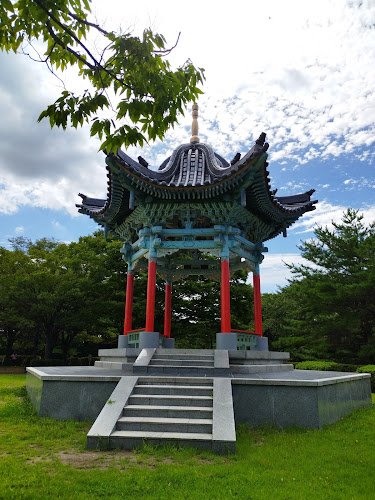
Hitotsumori Park
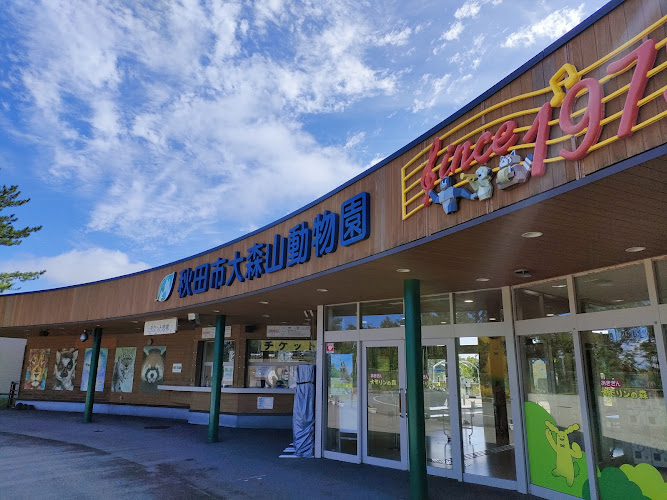
Omoriyama Zoo

Akita Castle Ruins
Find Accommodations Nearby
Recommended Tours & Activities
Visitor Reviews
There are no reviews yet. Be the first one to write one.
Share Your Experience
Have you visited Akita Prefectural Museum? Help other travelers by leaving a review.