
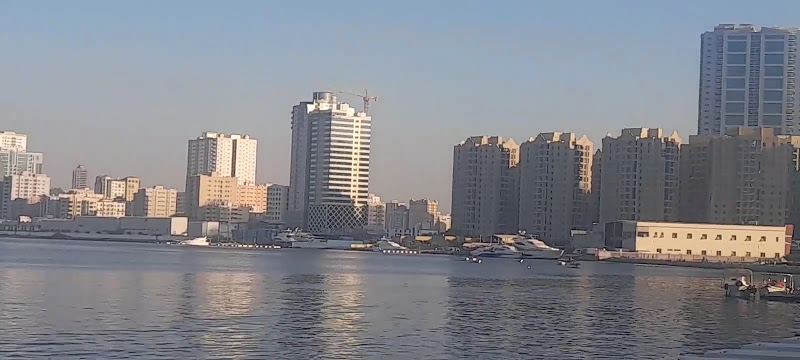
Ajman
About Ajman
Description
Ajman often gets overlooked by travelers rushing between Dubai and the northern emirates, and honestly, that's what makes it special. This compact emirate sits quietly along the Arabian Gulf coast, offering a refreshing alternative to the glitzy mega-cities that dominate most UAE travel itineraries. As the smallest emirate in the country, Ajman covers just about 260 square kilometers, but what it lacks in size it makes up for in authenticity and charm. I remember my first visit to Ajman happened almost by accident. I'd driven up from Dubai for what I thought would be a quick afternoon trip, and ended up staying three days because the place just grabbed me. There's something genuinely relaxing about wandering through a UAE city where you're not constantly dodging crowds of tourists or feeling pressured to visit yet another towering skyscraper. The emirate maintains a distinct personality that feels refreshingly low-key compared to its flashier neighbors. While Dubai builds the world's tallest buildings and Abu Dhabi constructs massive cultural districts, Ajman has quietly preserved its fishing village roots and traditional dhow-building heritage. You'll find locals actually outnumbering expats in certain neighborhoods, which is pretty rare in the modern UAE. The corniche stretches peacefully along pristine beaches where families gather in the evenings, and the souks still operate with that old-world trading spirit that's become harder to find elsewhere in the country. What strikes most visitors is how affordable everything feels here. Hotel rooms that would cost a fortune in Dubai go for reasonable rates in Ajman. Restaurant meals won't require a second mortgage. And the attractions, while modest, offer genuine cultural experiences rather than manufactured tourist spectacles. This is a place where you can actually experience daily Emirati life without it feeling like a theme park version of Arabia.Key Features
Ajman reveals itself through distinct attractions and characteristics that give travelers a different perspective on UAE life: • The Ajman Museum, housed in an 18th-century fort, displays archaeological finds and recreates traditional Emirati life with surprising detail. The exhibits include ancient manuscripts, weaponry, and life-sized dioramas showing how people lived before oil wealth transformed everything. • A working dhow-building yard operates right in the city, where craftsmen still construct traditional wooden boats using techniques passed down through generations. Watching these skilled workers shape massive vessels without modern equipment is genuinely mesmerizing. • The Sheikh Zayed Ajman Mosque stands as an architectural masterpiece with capacity for over 3,000 worshippers. Non-Muslim visitors can arrange tours to appreciate the intricate Islamic design and learn about the faith. • Eight kilometers of clean, uncrowded beaches offer swimming, water sports, and beachcombing without the resort crowds found elsewhere. The sand is genuinely nice, and you can actually find a quiet spot even on weekends. • The Gold Souq and traditional markets provide authentic shopping experiences where haggling is expected and prices are genuinely negotiable, unlike the fixed-price "traditional" markets created for tourists in bigger cities. • Mangrove areas in certain coastal sections support diverse bird populations and marine life, offering nature enthusiasts unexpected ecological diversity in an urban setting. • Several cultural festivals throughout the year celebrate Emirati heritage with camel races, traditional music, and cultural performances that feel authentic rather than staged for foreign cameras. • The Ajman Marina development has brought contemporary dining and entertainment options while maintaining a human scale that never feels overwhelming.Best Time to Visit
Timing your Ajman visit correctly makes an enormous difference in your experience, and this is one area where you really need to plan ahead. The UAE climate doesn't mess around during summer months. November through March represents the absolute sweet spot for visiting Ajman. Temperatures during these months range from 20 to 30 degrees Celsius, making outdoor exploration actually pleasant rather than an endurance test. I learned this the hard way during a July visit when I thought I could handle the heat. Spoiler alert: I could not. Stepping outside felt like opening an oven door directly into my face, and the humidity made everything sticky and miserable. December and January are particularly lovely, with occasional cooler evenings where you might even need a light jacket. These months see the most visitors, both tourists and UAE residents escaping from their daily routines. Hotel prices creep up a bit during this peak season, but they're still remarkably reasonable compared to Dubai rates. February and March offer excellent weather with fewer crowds as the winter tourist rush dies down. This might actually be my favorite time to visit. The beaches are less packed, restaurants don't require advance bookings, and everything just feels more relaxed. April and October serve as shoulder months with acceptable conditions if you can handle warmer temperatures. But May through September? Those months are brutally hot with temperatures regularly exceeding 40 degrees Celsius and humidity levels that make breathing feel like work. Unless you plan to stay exclusively in air-conditioned spaces, I'd strongly recommend avoiding summer entirely. The holy month of Ramadan brings its own considerations regardless of when it falls. Restaurants close during daylight hours, and eating or drinking publicly is prohibited until sunset. Some travelers find this fascinating from a cultural perspective, while others find the restrictions limiting. If you visit during Ramadan, embrace the opportunity to experience iftar meals when the fast breaks each evening.How to Get There
Getting to Ajman is straightforward, though the emirate lacks its own commercial airport. Most international travelers fly into Dubai International Airport or Sharjah International Airport, both of which offer extensive connections worldwide. From Dubai airport, Ajman sits roughly 40 kilometers northeast, which translates to about 30-45 minutes of driving depending on traffic conditions. Taxis are readily available and will cost approximately 150-200 AED for the journey. Make sure the meter is running or agree on a price beforehand to avoid inflated tourist rates. Sharjah airport actually sits closer to Ajman at just 20 kilometers away, making it a smart choice if your flight options work out. This airport handles many budget carriers and can offer significantly cheaper fares than Dubai. The taxi ride takes maybe 20 minutes and costs considerably less than coming from Dubai. Renting a car makes excellent sense if you plan to explore Ajman and surrounding areas independently. The roads are well-maintained, signage appears in both Arabic and English, and parking is generally hassle-free. Driving in the UAE feels less chaotic than many other countries, though you'll want to strictly observe speed limits as traffic cameras are everywhere and fines get expensive quickly. Bus services connect Ajman with Dubai, Sharjah, and other emirates through the public transportation network. Routes E400 and E700 run frequently between Dubai and Ajman, costing just a few dirhams. The buses are clean and air-conditioned, though journey times stretch longer than driving yourself. Some visitors stay in Dubai and make Ajman a day trip, which works fine but really doesn't do the place justice. Spending at least one or two nights lets you experience the emirate's calmer pace and explore beyond the main tourist sites.Tips for Visiting
After multiple trips to Ajman, I've picked up some practical wisdom that'll make your visit smoother and more enjoyable. Dress modestly, particularly when visiting mosques, government buildings, or traditional areas. While beachwear is fine at hotel pools and beaches, walking through the souq in tiny shorts or tank tops shows disrespect and may attract unwelcome attention. Women don't need to cover their hair unless entering mosques, but covering shoulders and knees demonstrates cultural sensitivity. Cash still matters in Ajman more than in Dubai or Abu Dhabi. While major establishments accept cards, many smaller shops, taxis, and restaurants prefer cash payment. ATMs are plentiful, so withdrawing dirhams as needed presents no difficulty. Friday holds special significance as the Islamic holy day. Many shops and offices close or operate on reduced hours, particularly during morning prayer times. Shopping malls and tourist attractions usually open by afternoon, but Friday mornings feel pretty quiet across the emirate. Learn a few basic Arabic phrases beyond just "hello." Even attempting "shukran" for thank you or "min fadlak" for please generates warm responses from locals who appreciate the effort. English is widely spoken, but those small gestures show respect for local culture. Download offline maps before exploring, as mobile data can be spotty in certain areas. Google Maps works well for navigation, but having offline access prevents getting lost when signals drop. Bargaining is expected in traditional souks but not in modern malls or established shops. Start by offering roughly 40-50% of the asking price and negotiate from there. The process should feel friendly rather than aggressive, almost like a game both parties enjoy playing. Stay hydrated constantly, even during cooler months. The dry climate dehydrates you faster than you realize, and you'll feel significantly better by drinking more water than seems necessary. Photography requires some consideration. Avoid photographing people, especially women, without explicit permission. Military installations, ports, and certain government buildings prohibit photography entirely. When in doubt, ask first. Ajman's culinary scene deserves exploration beyond hotel restaurants. Small shawarma shops, juice stands, and local cafes offer delicious food at prices that seem almost too cheap. Some of my best meals in the UAE have come from unmarked restaurants where I was the only foreigner. The emirate becomes significantly quieter after 10 PM compared to Dubai's all-night energy. Plan accordingly if you're expecting extensive nightlife options. That said, the peaceful evenings offer their own appeal, particularly for travelers seeking relaxation over endless entertainment. Respect prayer times when they occur, particularly if you're near mosques. The call to prayer happens five times daily, and you'll hear it throughout the city. Pausing to acknowledge this moment of reflection shows cultural awareness that locals genuinely appreciate.Key Features
- Seaside promenades with Gulf views
- Family-friendly lawns and playgrounds
- Ladies-only park areas for women and families
- Shaded seating, palm-lined paths and picnic spots
- Accessible location close to Ajman Corniche and local souks
More Details
Updated January 19, 2026
Table of Contents
Description
Ajman often gets overlooked by travelers rushing between Dubai and the northern emirates, and honestly, that’s what makes it special. This compact emirate sits quietly along the Arabian Gulf coast, offering a refreshing alternative to the glitzy mega-cities that dominate most UAE travel itineraries. As the smallest emirate in the country, Ajman covers just about 260 square kilometers, but what it lacks in size it makes up for in authenticity and charm.
I remember my first visit to Ajman happened almost by accident. I’d driven up from Dubai for what I thought would be a quick afternoon trip, and ended up staying three days because the place just grabbed me. There’s something genuinely relaxing about wandering through a UAE city where you’re not constantly dodging crowds of tourists or feeling pressured to visit yet another towering skyscraper.
The emirate maintains a distinct personality that feels refreshingly low-key compared to its flashier neighbors. While Dubai builds the world’s tallest buildings and Abu Dhabi constructs massive cultural districts, Ajman has quietly preserved its fishing village roots and traditional dhow-building heritage. You’ll find locals actually outnumbering expats in certain neighborhoods, which is pretty rare in the modern UAE. The corniche stretches peacefully along pristine beaches where families gather in the evenings, and the souks still operate with that old-world trading spirit that’s become harder to find elsewhere in the country.
What strikes most visitors is how affordable everything feels here. Hotel rooms that would cost a fortune in Dubai go for reasonable rates in Ajman. Restaurant meals won’t require a second mortgage. And the attractions, while modest, offer genuine cultural experiences rather than manufactured tourist spectacles. This is a place where you can actually experience daily Emirati life without it feeling like a theme park version of Arabia.
Key Features
Ajman reveals itself through distinct attractions and characteristics that give travelers a different perspective on UAE life:
• The Ajman Museum, housed in an 18th-century fort, displays archaeological finds and recreates traditional Emirati life with surprising detail. The exhibits include ancient manuscripts, weaponry, and life-sized dioramas showing how people lived before oil wealth transformed everything.
• A working dhow-building yard operates right in the city, where craftsmen still construct traditional wooden boats using techniques passed down through generations. Watching these skilled workers shape massive vessels without modern equipment is genuinely mesmerizing.
• The Sheikh Zayed Ajman Mosque stands as an architectural masterpiece with capacity for over 3,000 worshippers. Non-Muslim visitors can arrange tours to appreciate the intricate Islamic design and learn about the faith.
• Eight kilometers of clean, uncrowded beaches offer swimming, water sports, and beachcombing without the resort crowds found elsewhere. The sand is genuinely nice, and you can actually find a quiet spot even on weekends.
• The Gold Souq and traditional markets provide authentic shopping experiences where haggling is expected and prices are genuinely negotiable, unlike the fixed-price “traditional” markets created for tourists in bigger cities.
• Mangrove areas in certain coastal sections support diverse bird populations and marine life, offering nature enthusiasts unexpected ecological diversity in an urban setting.
• Several cultural festivals throughout the year celebrate Emirati heritage with camel races, traditional music, and cultural performances that feel authentic rather than staged for foreign cameras.
• The Ajman Marina development has brought contemporary dining and entertainment options while maintaining a human scale that never feels overwhelming.
Best Time to Visit
Timing your Ajman visit correctly makes an enormous difference in your experience, and this is one area where you really need to plan ahead. The UAE climate doesn’t mess around during summer months.
November through March represents the absolute sweet spot for visiting Ajman. Temperatures during these months range from 20 to 30 degrees Celsius, making outdoor exploration actually pleasant rather than an endurance test. I learned this the hard way during a July visit when I thought I could handle the heat. Spoiler alert: I could not. Stepping outside felt like opening an oven door directly into my face, and the humidity made everything sticky and miserable.
December and January are particularly lovely, with occasional cooler evenings where you might even need a light jacket. These months see the most visitors, both tourists and UAE residents escaping from their daily routines. Hotel prices creep up a bit during this peak season, but they’re still remarkably reasonable compared to Dubai rates.
February and March offer excellent weather with fewer crowds as the winter tourist rush dies down. This might actually be my favorite time to visit. The beaches are less packed, restaurants don’t require advance bookings, and everything just feels more relaxed.
April and October serve as shoulder months with acceptable conditions if you can handle warmer temperatures. But May through September? Those months are brutally hot with temperatures regularly exceeding 40 degrees Celsius and humidity levels that make breathing feel like work. Unless you plan to stay exclusively in air-conditioned spaces, I’d strongly recommend avoiding summer entirely.
The holy month of Ramadan brings its own considerations regardless of when it falls. Restaurants close during daylight hours, and eating or drinking publicly is prohibited until sunset. Some travelers find this fascinating from a cultural perspective, while others find the restrictions limiting. If you visit during Ramadan, embrace the opportunity to experience iftar meals when the fast breaks each evening.
How to Get There
Getting to Ajman is straightforward, though the emirate lacks its own commercial airport. Most international travelers fly into Dubai International Airport or Sharjah International Airport, both of which offer extensive connections worldwide.
From Dubai airport, Ajman sits roughly 40 kilometers northeast, which translates to about 30-45 minutes of driving depending on traffic conditions. Taxis are readily available and will cost approximately 150-200 AED for the journey. Make sure the meter is running or agree on a price beforehand to avoid inflated tourist rates.
Sharjah airport actually sits closer to Ajman at just 20 kilometers away, making it a smart choice if your flight options work out. This airport handles many budget carriers and can offer significantly cheaper fares than Dubai. The taxi ride takes maybe 20 minutes and costs considerably less than coming from Dubai.
Renting a car makes excellent sense if you plan to explore Ajman and surrounding areas independently. The roads are well-maintained, signage appears in both Arabic and English, and parking is generally hassle-free. Driving in the UAE feels less chaotic than many other countries, though you’ll want to strictly observe speed limits as traffic cameras are everywhere and fines get expensive quickly.
Bus services connect Ajman with Dubai, Sharjah, and other emirates through the public transportation network. Routes E400 and E700 run frequently between Dubai and Ajman, costing just a few dirhams. The buses are clean and air-conditioned, though journey times stretch longer than driving yourself.
Some visitors stay in Dubai and make Ajman a day trip, which works fine but really doesn’t do the place justice. Spending at least one or two nights lets you experience the emirate’s calmer pace and explore beyond the main tourist sites.
Tips for Visiting
After multiple trips to Ajman, I’ve picked up some practical wisdom that’ll make your visit smoother and more enjoyable.
Dress modestly, particularly when visiting mosques, government buildings, or traditional areas. While beachwear is fine at hotel pools and beaches, walking through the souq in tiny shorts or tank tops shows disrespect and may attract unwelcome attention. Women don’t need to cover their hair unless entering mosques, but covering shoulders and knees demonstrates cultural sensitivity.
Cash still matters in Ajman more than in Dubai or Abu Dhabi. While major establishments accept cards, many smaller shops, taxis, and restaurants prefer cash payment. ATMs are plentiful, so withdrawing dirhams as needed presents no difficulty.
Friday holds special significance as the Islamic holy day. Many shops and offices close or operate on reduced hours, particularly during morning prayer times. Shopping malls and tourist attractions usually open by afternoon, but Friday mornings feel pretty quiet across the emirate.
Learn a few basic Arabic phrases beyond just “hello.” Even attempting “shukran” for thank you or “min fadlak” for please generates warm responses from locals who appreciate the effort. English is widely spoken, but those small gestures show respect for local culture.
Download offline maps before exploring, as mobile data can be spotty in certain areas. Google Maps works well for navigation, but having offline access prevents getting lost when signals drop.
Bargaining is expected in traditional souks but not in modern malls or established shops. Start by offering roughly 40-50% of the asking price and negotiate from there. The process should feel friendly rather than aggressive, almost like a game both parties enjoy playing.
Stay hydrated constantly, even during cooler months. The dry climate dehydrates you faster than you realize, and you’ll feel significantly better by drinking more water than seems necessary.
Photography requires some consideration. Avoid photographing people, especially women, without explicit permission. Military installations, ports, and certain government buildings prohibit photography entirely. When in doubt, ask first.
Ajman’s culinary scene deserves exploration beyond hotel restaurants. Small shawarma shops, juice stands, and local cafes offer delicious food at prices that seem almost too cheap. Some of my best meals in the UAE have come from unmarked restaurants where I was the only foreigner.
The emirate becomes significantly quieter after 10 PM compared to Dubai’s all-night energy. Plan accordingly if you’re expecting extensive nightlife options. That said, the peaceful evenings offer their own appeal, particularly for travelers seeking relaxation over endless entertainment.
Respect prayer times when they occur, particularly if you’re near mosques. The call to prayer happens five times daily, and you’ll hear it throughout the city. Pausing to acknowledge this moment of reflection shows cultural awareness that locals genuinely appreciate.
Key Highlights
- Seaside promenades with Gulf views
- Family-friendly lawns and playgrounds
- Ladies-only park areas for women and families
- Shaded seating, palm-lined paths and picnic spots
- Accessible location close to Ajman Corniche and local souks
Location
Places to Stay Near Ajman
Find and Book a Tour
Explore More Travel Guides
No reviews found! Be the first to review!
Traveler Reviews for Ajman
There are no reviews yet. Be the first one to write one.
Have you visited Ajman? Help other travelers by sharing your review.
Nearby Attractions
You Might Also Like

Al Seqb Tunnel
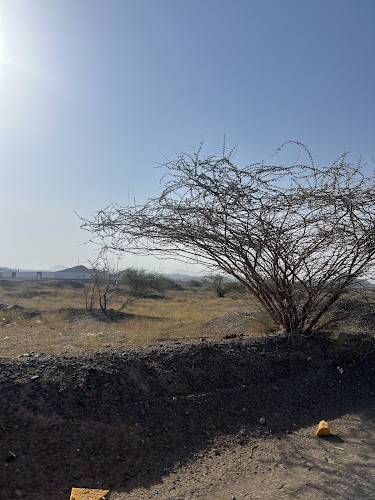
Siji dam mountain
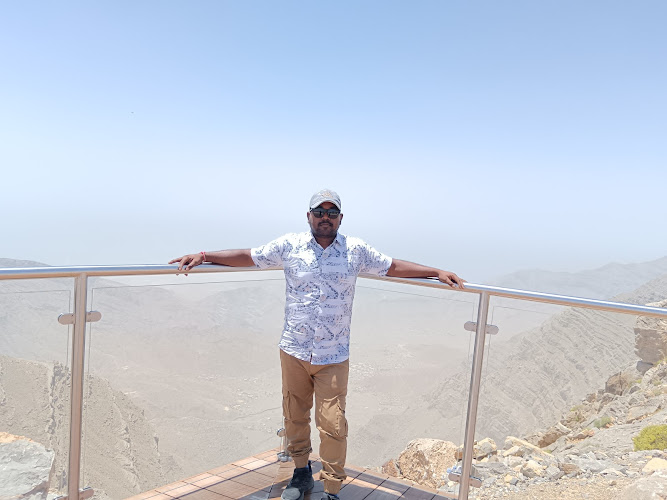
Viewing Deck Park Jebel Jais
Find Accommodations Nearby
Recommended Tours & Activities
Visitor Reviews
There are no reviews yet. Be the first one to write one.
Share Your Experience
Have you visited Ajman? Help other travelers by leaving a review.