
Ahobilam
About Ahobilam
Description
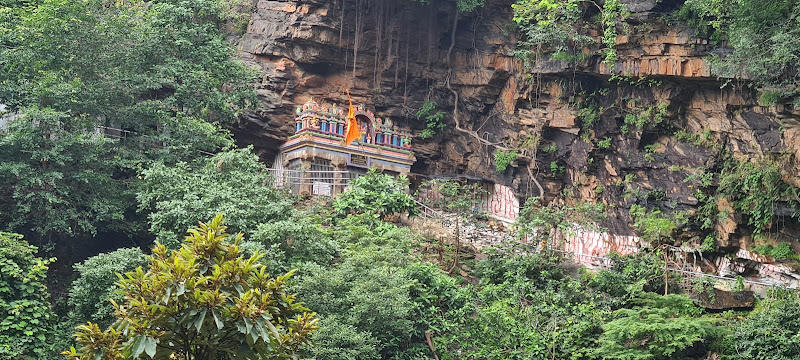
Ahobilam, tucked away in the rugged folds of the Eastern Ghats in Andhra Pradesh, is the kind of place that makes you feel like you’ve stepped into a chapter of an ancient epic. The air here carries a mix of earthy scent from the hills and the faint aroma of incense drifting from temple courtyards. It’s not just a single temple or a single hill – it’s a whole cluster of sacred spaces, each with its own legend and personality. The town is revered as the abode of Lord Narasimha, one of the fiercest yet most protective forms of Vishnu, and the mythology surrounding it is so rich you could spend days just listening to the stories the locals tell.
What sets Ahobilam apart is the way spirituality and raw nature blend seamlessly. The temples are scattered across different altitudes, some tucked deep into forested gorges, others perched high on rocky cliffs with sweeping views. You’ll find yourself trekking through thick greenery, crossing streams, and climbing stone steps carved centuries ago. And yes, sometimes the path gets steep and slippery, but that’s part of the charm – nothing here feels overly polished or touristy. It’s the kind of place where you can still hear the crunch of leaves under your feet without the constant hum of traffic or the buzz of commercial chaos.
While the pilgrim crowd can swell during festival seasons, there are quieter pockets of time when the hills seem to belong just to you and the occasional troop of monkeys. It’s not all serene, though – the weather can be unpredictable, and the terrain will test your stamina. But for those who make the effort, Ahobilam offers an experience that’s equal parts spiritual journey and nature adventure.
Key Features
- Cluster of nine Narasimha temples, each with unique architecture and legends
- Located amidst the dramatic landscapes of the Eastern Ghats
- Opportunities for trekking through forests, streams, and rocky paths
- Rich mythological significance tied to the Narasimha avatar of Vishnu
- Less commercialized atmosphere compared to other major pilgrimage sites
- Panoramic viewpoints offering sweeping vistas of surrounding hills
- Seasonal waterfalls that add to the charm during monsoon months
Best Time to Visit
If you ask me, late winter into early summer – say, November to March – is when Ahobilam feels just right. The sun is warm but not punishing, and the nights carry a cool breeze that makes you want to linger outside a bit longer. Monsoon season (June to September) transforms the hills into a lush, green paradise, with streams swelling and waterfalls roaring to life. But it also means slippery trails and leeches in some areas, so you’ve got to be prepared for that. Summer, especially May, can get hot enough to sap your energy before you even reach the first temple, so unless you’re used to tropical heat, it’s better to avoid those peak months.
How to Get There
Reaching Ahobilam is part of the adventure. The nearest major railway station is in Nandyal, from where you can hire a cab or hop on a local bus. If you’re coming from Hyderabad or Bengaluru, a road trip is a great option – the drive takes you through changing landscapes, from flat farmland to winding hill roads. The last stretch before you enter Ahobilam is especially scenic, with the hills rising sharply around you. Public transport is available, but it’s not the most frequent or comfortable, so if you value flexibility, having your own vehicle or a hired driver makes life easier.
Tips for Visiting
First off, wear comfortable shoes – you’ll be walking a lot, and some of it will be uphill on uneven paths. Carry a bottle of water and maybe a few snacks, because while there are small stalls near the main temples, they’re not always stocked with much beyond tea and biscuits. If you plan to visit all nine temples in one go, start early in the morning; it’s a long day, and you don’t want to be navigating forest trails after dark.
Also, keep in mind that Ahobilam is a living pilgrimage site, not just a tourist attraction. Dress modestly, respect the temple customs, and be patient with the pace of things – sometimes the priest might be away, or a ritual might take longer than expected. And don’t be surprised if you end up chatting with locals who are more than happy to share stories about the place; those conversations can be as memorable as the temples themselves.
Oh, and one last thing – watch out for the monkeys. They’re clever, quick, and have a knack for snatching food or shiny objects if you’re not paying attention. But honestly, that’s just part of the Ahobilam experience – a mix of the sacred, the wild, and the wonderfully unpredictable.
Key Features
- Cluster of nine Narasimha temples, each with unique architecture and legends
- Located amidst the dramatic landscapes of the Eastern Ghats
- Opportunities for trekking through forests, streams, and rocky paths
- Rich mythological significance tied to the Narasimha avatar of Vishnu
- Less commercialized atmosphere compared to other major pilgrimage sites
- Panoramic viewpoints offering sweeping vistas of surrounding hills
- Seasonal waterfalls that add to the charm during monsoon months
More Details
Updated August 10, 2025
Table of Contents
Description
Ahobilam, tucked away in the rugged folds of the Eastern Ghats in Andhra Pradesh, is the kind of place that makes you feel like you’ve stepped into a chapter of an ancient epic. The air here carries a mix of earthy scent from the hills and the faint aroma of incense drifting from temple courtyards. It’s not just a single temple or a single hill – it’s a whole cluster of sacred spaces, each with its own legend and personality. The town is revered as the abode of Lord Narasimha, one of the fiercest yet most protective forms of Vishnu, and the mythology surrounding it is so rich you could spend days just listening to the stories the locals tell.
What sets Ahobilam apart is the way spirituality and raw nature blend seamlessly. The temples are scattered across different altitudes, some tucked deep into forested gorges, others perched high on rocky cliffs with sweeping views. You’ll find yourself trekking through thick greenery, crossing streams, and climbing stone steps carved centuries ago. And yes, sometimes the path gets steep and slippery, but that’s part of the charm – nothing here feels overly polished or touristy. It’s the kind of place where you can still hear the crunch of leaves under your feet without the constant hum of traffic or the buzz of commercial chaos.
While the pilgrim crowd can swell during festival seasons, there are quieter pockets of time when the hills seem to belong just to you and the occasional troop of monkeys. It’s not all serene, though – the weather can be unpredictable, and the terrain will test your stamina. But for those who make the effort, Ahobilam offers an experience that’s equal parts spiritual journey and nature adventure.
Key Features
- Cluster of nine Narasimha temples, each with unique architecture and legends
- Located amidst the dramatic landscapes of the Eastern Ghats
- Opportunities for trekking through forests, streams, and rocky paths
- Rich mythological significance tied to the Narasimha avatar of Vishnu
- Less commercialized atmosphere compared to other major pilgrimage sites
- Panoramic viewpoints offering sweeping vistas of surrounding hills
- Seasonal waterfalls that add to the charm during monsoon months
Best Time to Visit
If you ask me, late winter into early summer – say, November to March – is when Ahobilam feels just right. The sun is warm but not punishing, and the nights carry a cool breeze that makes you want to linger outside a bit longer. Monsoon season (June to September) transforms the hills into a lush, green paradise, with streams swelling and waterfalls roaring to life. But it also means slippery trails and leeches in some areas, so you’ve got to be prepared for that. Summer, especially May, can get hot enough to sap your energy before you even reach the first temple, so unless you’re used to tropical heat, it’s better to avoid those peak months.
How to Get There
Reaching Ahobilam is part of the adventure. The nearest major railway station is in Nandyal, from where you can hire a cab or hop on a local bus. If you’re coming from Hyderabad or Bengaluru, a road trip is a great option – the drive takes you through changing landscapes, from flat farmland to winding hill roads. The last stretch before you enter Ahobilam is especially scenic, with the hills rising sharply around you. Public transport is available, but it’s not the most frequent or comfortable, so if you value flexibility, having your own vehicle or a hired driver makes life easier.
Tips for Visiting
First off, wear comfortable shoes – you’ll be walking a lot, and some of it will be uphill on uneven paths. Carry a bottle of water and maybe a few snacks, because while there are small stalls near the main temples, they’re not always stocked with much beyond tea and biscuits. If you plan to visit all nine temples in one go, start early in the morning; it’s a long day, and you don’t want to be navigating forest trails after dark.
Also, keep in mind that Ahobilam is a living pilgrimage site, not just a tourist attraction. Dress modestly, respect the temple customs, and be patient with the pace of things – sometimes the priest might be away, or a ritual might take longer than expected. And don’t be surprised if you end up chatting with locals who are more than happy to share stories about the place; those conversations can be as memorable as the temples themselves.
Oh, and one last thing – watch out for the monkeys. They’re clever, quick, and have a knack for snatching food or shiny objects if you’re not paying attention. But honestly, that’s just part of the Ahobilam experience – a mix of the sacred, the wild, and the wonderfully unpredictable.
Key Highlights
- Cluster of nine Narasimha temples, each with unique architecture and legends
- Located amidst the dramatic landscapes of the Eastern Ghats
- Opportunities for trekking through forests, streams, and rocky paths
- Rich mythological significance tied to the Narasimha avatar of Vishnu
- Less commercialized atmosphere compared to other major pilgrimage sites
- Panoramic viewpoints offering sweeping vistas of surrounding hills
- Seasonal waterfalls that add to the charm during monsoon months
Location
Places to Stay Near Ahobilam
Find and Book a Tour
Explore More Travel Guides
No reviews found! Be the first to review!
Traveler Reviews for Ahobilam
There are no reviews yet. Be the first one to write one.
Have you visited Ahobilam? Help other travelers by sharing your review.
You Might Also Like

Drizzling Land

Basantar Park
Happily Checked into Kanpur
Find Accommodations Nearby
Recommended Tours & Activities
Visitor Reviews
There are no reviews yet. Be the first one to write one.
Share Your Experience
Have you visited Ahobilam? Help other travelers by leaving a review.