
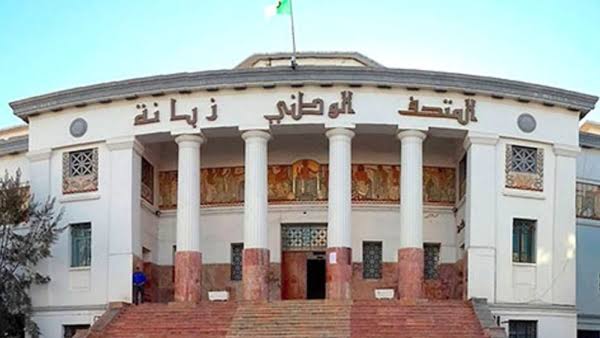
Ahmed Zabana National Museum
About Ahmed Zabana National Museum
Description
The Ahmed Zabana National Museum in Oran isn’t just another museum you tick off your travel list—it feels like stepping into a living story of Algeria itself. Named after Ahmed Zabana, a national hero executed during the French colonial period, the museum carries a weight of history that you can almost feel in the air as you walk through its halls. And yet, it’s not all heavy politics and somber memorials. The place has layers. One moment you’re face-to-face with artifacts from Algeria’s independence movement, and the next you’re staring at delicate Orientalist paintings or even wandering past displays of natural history. It’s this mix that makes the museum more than just a history lesson—it’s a snapshot of Algeria’s identity in all its complexity.
The building itself is worth noticing. Built in the 1930s, it has that art deco style that makes you pause for a second before even stepping inside. There’s a symmetry to it, tall pillars out front, and a kind of understated grandeur that tells you this place has seen a lot. Inside, the atmosphere is calmer than you might expect for a museum of this importance. It’s not flashy, but it’s immersive in a way that makes you slow down and take it all in. Sure, not every exhibit is perfectly labeled or curated like you’d find in some European capitals, but that’s part of the charm—it feels authentic, rooted, and unapologetically Algerian.
Visitors often walk away with different impressions. Some are moved by the independence displays, others are drawn to the Roman mosaics and coins, while families with kids seem to enjoy the natural history section. And honestly, I get it. I’ve been to plenty of museums that felt sterile or too polished, but this one has a heartbeat. It’s the kind of place where you can spend an hour or three, depending on how deep you want to dive.
Key Features
- Exhibits on Algeria’s independence movement, highlighting the sacrifices of national heroes
- A collection of Roman mosaics, coins, and archaeological finds
- Orientalist paintings that reflect Algeria’s artistic heritage
- Natural history displays, engaging for both adults and children
- Live performances and cultural events held periodically
- Wheelchair accessible entrance, restrooms, and parking
- On-site restaurant and restrooms for convenience
- Family-friendly amenities including changing tables
- Free parking options available both in a lot and on the street
Best Time to Visit
If you’re wondering when to go, mornings are usually the sweet spot. The museum tends to be quieter, giving you space to really absorb the exhibits without feeling rushed. Afternoons can get a bit busier, especially on weekends when families stop by. Personally, I love visiting places like this in the shoulder seasons—spring and autumn. The weather in Oran is mild, which makes wandering around the city before or after your museum visit much more enjoyable. Summer is doable, but the heat can be draining, and you might find yourself rushing through instead of lingering. Winter has its charm too, especially if you like fewer crowds.
How to Get There
The museum sits in the heart of Oran, which makes it fairly easy to reach. If you’re staying in the city center, you can walk there without much trouble. Taxis are plentiful and affordable, and they’ll drop you right at the entrance. For those who prefer public transport, local buses pass nearby, though schedules can sometimes be unpredictable—so if you’re on a tight timeline, a cab is the safer bet. Driving is also an option, and the good news is that parking won’t be a headache since both free street parking and a lot are available. I once drove there on a weekday morning and found a spot within minutes, which, let’s be honest, feels like a small miracle in most cities.
Tips for Visiting
Here’s the thing about the Ahmed Zabana National Museum: it rewards curiosity. Don’t just breeze through the rooms. Take your time, read the plaques (even if the translations aren’t always perfect), and let yourself imagine the stories behind the artifacts. If you’re traveling with kids, the natural history section is a lifesaver—it’s engaging enough to keep them interested while you sneak in a few moments with the historical exhibits.
Bring a bottle of water, especially if you’re visiting in the warmer months, though the on-site restaurant is a handy backup if you need a break. The museum is wheelchair accessible, which makes it a comfortable visit for travelers with mobility needs. And if you’re into photography, the building’s art deco design is worth a few shots before you even step inside.
One last tip: go with an open mind. The museum isn’t trying to compete with the Louvre or the British Museum, and that’s exactly why it’s special. It’s raw, real, and deeply tied to Algeria’s story. You’ll leave with more than just knowledge—you’ll leave with a sense of connection. And honestly, isn’t that what good travel is all about?
Key Features
- Exhibits on Algeria’s independence movement, highlighting the sacrifices of national heroes
- A collection of Roman mosaics, coins, and archaeological finds
- Orientalist paintings that reflect Algeria’s artistic heritage
- Natural history displays, engaging for both adults and children
- Live performances and cultural events held periodically
- Wheelchair accessible entrance, restrooms, and parking
- On-site restaurant and restrooms for convenience
- Family-friendly amenities including changing tables
More Details
Updated September 9, 2025
Table of Contents
Description
The Ahmed Zabana National Museum in Oran isn’t just another museum you tick off your travel list—it feels like stepping into a living story of Algeria itself. Named after Ahmed Zabana, a national hero executed during the French colonial period, the museum carries a weight of history that you can almost feel in the air as you walk through its halls. And yet, it’s not all heavy politics and somber memorials. The place has layers. One moment you’re face-to-face with artifacts from Algeria’s independence movement, and the next you’re staring at delicate Orientalist paintings or even wandering past displays of natural history. It’s this mix that makes the museum more than just a history lesson—it’s a snapshot of Algeria’s identity in all its complexity.
The building itself is worth noticing. Built in the 1930s, it has that art deco style that makes you pause for a second before even stepping inside. There’s a symmetry to it, tall pillars out front, and a kind of understated grandeur that tells you this place has seen a lot. Inside, the atmosphere is calmer than you might expect for a museum of this importance. It’s not flashy, but it’s immersive in a way that makes you slow down and take it all in. Sure, not every exhibit is perfectly labeled or curated like you’d find in some European capitals, but that’s part of the charm—it feels authentic, rooted, and unapologetically Algerian.
Visitors often walk away with different impressions. Some are moved by the independence displays, others are drawn to the Roman mosaics and coins, while families with kids seem to enjoy the natural history section. And honestly, I get it. I’ve been to plenty of museums that felt sterile or too polished, but this one has a heartbeat. It’s the kind of place where you can spend an hour or three, depending on how deep you want to dive.
Key Features
- Exhibits on Algeria’s independence movement, highlighting the sacrifices of national heroes
- A collection of Roman mosaics, coins, and archaeological finds
- Orientalist paintings that reflect Algeria’s artistic heritage
- Natural history displays, engaging for both adults and children
- Live performances and cultural events held periodically
- Wheelchair accessible entrance, restrooms, and parking
- On-site restaurant and restrooms for convenience
- Family-friendly amenities including changing tables
- Free parking options available both in a lot and on the street
Best Time to Visit
If you’re wondering when to go, mornings are usually the sweet spot. The museum tends to be quieter, giving you space to really absorb the exhibits without feeling rushed. Afternoons can get a bit busier, especially on weekends when families stop by. Personally, I love visiting places like this in the shoulder seasons—spring and autumn. The weather in Oran is mild, which makes wandering around the city before or after your museum visit much more enjoyable. Summer is doable, but the heat can be draining, and you might find yourself rushing through instead of lingering. Winter has its charm too, especially if you like fewer crowds.
How to Get There
The museum sits in the heart of Oran, which makes it fairly easy to reach. If you’re staying in the city center, you can walk there without much trouble. Taxis are plentiful and affordable, and they’ll drop you right at the entrance. For those who prefer public transport, local buses pass nearby, though schedules can sometimes be unpredictable—so if you’re on a tight timeline, a cab is the safer bet. Driving is also an option, and the good news is that parking won’t be a headache since both free street parking and a lot are available. I once drove there on a weekday morning and found a spot within minutes, which, let’s be honest, feels like a small miracle in most cities.
Tips for Visiting
Here’s the thing about the Ahmed Zabana National Museum: it rewards curiosity. Don’t just breeze through the rooms. Take your time, read the plaques (even if the translations aren’t always perfect), and let yourself imagine the stories behind the artifacts. If you’re traveling with kids, the natural history section is a lifesaver—it’s engaging enough to keep them interested while you sneak in a few moments with the historical exhibits.
Bring a bottle of water, especially if you’re visiting in the warmer months, though the on-site restaurant is a handy backup if you need a break. The museum is wheelchair accessible, which makes it a comfortable visit for travelers with mobility needs. And if you’re into photography, the building’s art deco design is worth a few shots before you even step inside.
One last tip: go with an open mind. The museum isn’t trying to compete with the Louvre or the British Museum, and that’s exactly why it’s special. It’s raw, real, and deeply tied to Algeria’s story. You’ll leave with more than just knowledge—you’ll leave with a sense of connection. And honestly, isn’t that what good travel is all about?
Key Highlights
- Exhibits on Algeria’s independence movement, highlighting the sacrifices of national heroes
- A collection of Roman mosaics, coins, and archaeological finds
- Orientalist paintings that reflect Algeria’s artistic heritage
- Natural history displays, engaging for both adults and children
- Live performances and cultural events held periodically
- Wheelchair accessible entrance, restrooms, and parking
- On-site restaurant and restrooms for convenience
- Family-friendly amenities including changing tables
Location
Places to Stay Near Ahmed Zabana National Museum
Find and Book a Tour
Explore More Travel Guides
No reviews found! Be the first to review!
Traveler Reviews for Ahmed Zabana National Museum
There are no reviews yet. Be the first one to write one.
Have you visited Ahmed Zabana National Museum? Help other travelers by sharing your review.
You Might Also Like
Find Accommodations Nearby
Recommended Tours & Activities
Visitor Reviews
There are no reviews yet. Be the first one to write one.
Share Your Experience
Have you visited Ahmed Zabana National Museum? Help other travelers by leaving a review.