

Aeronautics Museum
About Aeronautics Museum
Description
The Aeronautics Museum is the kind of place that quietly sneaks up on you. You walk in expecting a polite hour of planes and plaques, and next thing you know, three hours have passed and you’re arguing with your travel companion about whether jet engines are more beautiful than propellers. It’s a history museum at heart, but it behaves more like a living archive of human ambition, failure, genius, and stubborn curiosity. And honestly, that’s what makes it memorable.
This museum focuses on aviation history, but not in the dry textbook way. It tells stories. Stories of early inventors who probably shouldn’t have survived their first test flights. Stories of wartime pilots who flew with slide rules and guts instead of computers. Stories of engineers who obsessed over wing angles like artists obsess over brush strokes. If you’ve ever looked up at a plane and thought, how on earth does that thing stay up there, you’ll feel right at home.
The overall atmosphere strikes a fair balance. It’s not flashy like some mega-attractions, but it’s not dusty either. Exhibits range from beautifully restored aircraft to interactive displays that invite you to push buttons and spin knobs. Some areas feel modern and polished, others a bit dated, which weirdly adds to the charm. History museums aren’t supposed to feel brand new everywhere, in my opinion. A little wear makes it feel honest.
Families wander through at an easy pace, kids pointing at cockpits and asking a thousand questions. Aviation buffs linger longer, reading every panel, sometimes correcting them under their breath. Casual travelers, even those who didn’t plan on coming, usually leave pleasantly surprised. That mix says a lot. It’s approachable without dumbing things down.
Accessibility is clearly taken seriously here. Wheelchair-accessible entrances, restrooms, and parking make the visit less stressful for many travelers, which matters more than people realize until they need it. There’s no restaurant on-site, but restrooms are available, and most visitors plan meals before or after. Honestly, it works fine. You’re here for planes, not pasta.
What I appreciate most is the museum’s refusal to rush you. There’s no pressure to move along. You can sit, watch short films, re-read a timeline, or just stand under the wing of a massive aircraft and let your mind wander. I did that once, thinking about my first flight as a kid, gripping the armrest like it might detach. Standing there now, understanding a bit more about the science and risk behind it all, felt oddly grounding.
Key Features
- Authentic aircraft displays spanning early flight, wartime aviation, and modern aerospace development
- Detailed exhibits explaining aerodynamics, navigation, and aircraft engineering in plain language
- Hands-on interactive stations, especially popular with kids and curious adults
- Cockpit walk-throughs that give a real sense of space, or lack of it, for pilots
- Educational panels that balance technical facts with personal stories and historical context
- Accessible layout with wheelchair-friendly entrances, restrooms, and parking
- Family-friendly environment that doesn’t talk down to its audience
- Temporary exhibits that rotate, offering repeat visitors something new
Best Time to Visit
Timing matters more than you might think. The Aeronautics Museum is an indoor attraction, so weather isn’t a deal-breaker, but crowds can be. Weekday mornings are the sweet spot if you want space to breathe and read without someone hovering over your shoulder. I once went on a quiet Tuesday and had an entire aircraft hall nearly to myself. It felt like sneaking into a hangar after hours.
Weekends and school holidays are busier, especially with families. That’s not a bad thing, just louder. If you enjoy the energy of kids discovering how flight works, you’ll be fine. If not, aim early in the day or later in the afternoon when school groups thin out.
Seasonally, the museum shines during peak travel months when travelers look for educational breaks between outdoor sightseeing. Summer brings more visitors, but also longer opening hours in many cases. Winter has fewer crowds and a calmer vibe, which I personally prefer. There’s something poetic about learning aviation history while the weather outside reminds you why humans wanted to fly in the first place.
Plan at least two to three hours. You can rush through in less, sure, but you’ll miss the quiet details. And those details are where the magic hides.
How to Get There
Getting to the Aeronautics Museum is usually straightforward, especially since it’s designed as a tourist attraction, not a hidden local secret. Most travelers arrive by car, and the presence of wheelchair-accessible parking makes arrival smoother for many visitors. If you’re driving, build in a few extra minutes for parking during peak times. It’s rarely chaotic, but patience helps.
Public transportation options typically connect well, especially in cities or regions where aviation history is a point of pride. Buses and trains often stop within a reasonable walking distance. If you’re using rideshare services, drop-off points are generally clear and convenient. I’ve done the rideshare route before and found it less stressful than navigating unfamiliar roads.
For travelers combining the museum with other attractions, it fits nicely into a half-day plan. Visit in the morning, grab lunch elsewhere, then continue exploring. Or flip it, and use the museum as a calm, air-conditioned afternoon stop after a long morning outside. Your feet will thank you.
Tips for Visiting
First tip, and I say this from experience: wear comfortable shoes. Museums like this look flat and friendly, but you’ll walk more than you think. Standing under planes, pacing timelines, doubling back to re-read something you skipped. It adds up.
If you’re visiting with kids, lean into the interactive exhibits early. Let them burn off that initial excitement. Once they’ve pressed buttons and sat in a cockpit, they’re more willing to slow down and actually listen to the stories. I’ve seen this strategy work miracles.
Take your time with the explanatory panels. Even if you’re not an aviation nerd, they’re written in a way that respects your intelligence without assuming prior knowledge. And if something doesn’t make sense, that’s okay. I still don’t fully grasp lift equations, and I’ve read them three times.
Photography is usually allowed in many areas, but be mindful of signage. And honestly, don’t spend the whole visit behind your phone. There’s something about looking up at an aircraft with your own eyes that photos just can’t capture.
Since there’s no restaurant on-site, plan snacks or meals accordingly. A light snack before entering goes a long way. Hunger turns even the coolest jet into just another object. Trust me on that one.
If accessibility matters for you or someone in your group, you’ll appreciate the thoughtful layout. Still, it never hurts to ask staff for the easiest routes or elevators. They’re generally knowledgeable and happy to help, and asking beats struggling.
Lastly, allow yourself a moment of reflection. Sounds cheesy, I know. But standing in a room full of flying machines built across decades, you can’t help but feel impressed by what humans dared to attempt. I left the museum feeling smaller, in a good way, and more curious about how we got here. And that, to me, is the sign of a museum worth your travel time.
Key Features
- Authentic aircraft displays spanning early flight, wartime aviation, and modern aerospace development
- Detailed exhibits explaining aerodynamics, navigation, and aircraft engineering in plain language
- Hands-on interactive stations, especially popular with kids and curious adults
- Cockpit walk-throughs that give a real sense of space, or lack of it, for pilots
- Educational panels that balance technical facts with personal stories and historical context
- Accessible layout with wheelchair-friendly entrances, restrooms, and parking
- Family-friendly environment that doesn’t talk down to its audience
- Temporary exhibits that rotate, offering repeat visitors something new
More Details
Updated December 31, 2025
Table of Contents
- Description
- Key Features
- Best Time to Visit
- How to Get There
- Tips for Visiting
- Key Highlights
- Location
- Places to Stay Near Aeronautics Museum
- Find and Book a Tour
- Explore More Travel Guides
- Aeronautics Museum (Museo Aeronáutico de Maracay), Venezuela — Practical Guide & Highlights
- Why it’s worth your time
- What you’ll see: standout aircraft & exhibits
- Visitor logistics (hours, tickets, practicalities)
- How to plan a high-value visit (beyond the basics)
- Brief history — why Maracay?
- Responsible & inclusive visiting tips
- What’s potentially outdated (so you don’t get burned)
- Quick facts (for your notes)
- Sources & verification
- Nearby Places You Might Like
- Traveler Reviews for Aeronautics Museum
- Share Your Experience
Description
The Aeronautics Museum is the kind of place that quietly sneaks up on you. You walk in expecting a polite hour of planes and plaques, and next thing you know, three hours have passed and you’re arguing with your travel companion about whether jet engines are more beautiful than propellers. It’s a history museum at heart, but it behaves more like a living archive of human ambition, failure, genius, and stubborn curiosity. And honestly, that’s what makes it memorable.
This museum focuses on aviation history, but not in the dry textbook way. It tells stories. Stories of early inventors who probably shouldn’t have survived their first test flights. Stories of wartime pilots who flew with slide rules and guts instead of computers. Stories of engineers who obsessed over wing angles like artists obsess over brush strokes. If you’ve ever looked up at a plane and thought, how on earth does that thing stay up there, you’ll feel right at home.
The overall atmosphere strikes a fair balance. It’s not flashy like some mega-attractions, but it’s not dusty either. Exhibits range from beautifully restored aircraft to interactive displays that invite you to push buttons and spin knobs. Some areas feel modern and polished, others a bit dated, which weirdly adds to the charm. History museums aren’t supposed to feel brand new everywhere, in my opinion. A little wear makes it feel honest.
Families wander through at an easy pace, kids pointing at cockpits and asking a thousand questions. Aviation buffs linger longer, reading every panel, sometimes correcting them under their breath. Casual travelers, even those who didn’t plan on coming, usually leave pleasantly surprised. That mix says a lot. It’s approachable without dumbing things down.
Accessibility is clearly taken seriously here. Wheelchair-accessible entrances, restrooms, and parking make the visit less stressful for many travelers, which matters more than people realize until they need it. There’s no restaurant on-site, but restrooms are available, and most visitors plan meals before or after. Honestly, it works fine. You’re here for planes, not pasta.
What I appreciate most is the museum’s refusal to rush you. There’s no pressure to move along. You can sit, watch short films, re-read a timeline, or just stand under the wing of a massive aircraft and let your mind wander. I did that once, thinking about my first flight as a kid, gripping the armrest like it might detach. Standing there now, understanding a bit more about the science and risk behind it all, felt oddly grounding.
Key Features
- Authentic aircraft displays spanning early flight, wartime aviation, and modern aerospace development
- Detailed exhibits explaining aerodynamics, navigation, and aircraft engineering in plain language
- Hands-on interactive stations, especially popular with kids and curious adults
- Cockpit walk-throughs that give a real sense of space, or lack of it, for pilots
- Educational panels that balance technical facts with personal stories and historical context
- Accessible layout with wheelchair-friendly entrances, restrooms, and parking
- Family-friendly environment that doesn’t talk down to its audience
- Temporary exhibits that rotate, offering repeat visitors something new
Best Time to Visit
Timing matters more than you might think. The Aeronautics Museum is an indoor attraction, so weather isn’t a deal-breaker, but crowds can be. Weekday mornings are the sweet spot if you want space to breathe and read without someone hovering over your shoulder. I once went on a quiet Tuesday and had an entire aircraft hall nearly to myself. It felt like sneaking into a hangar after hours.
Weekends and school holidays are busier, especially with families. That’s not a bad thing, just louder. If you enjoy the energy of kids discovering how flight works, you’ll be fine. If not, aim early in the day or later in the afternoon when school groups thin out.
Seasonally, the museum shines during peak travel months when travelers look for educational breaks between outdoor sightseeing. Summer brings more visitors, but also longer opening hours in many cases. Winter has fewer crowds and a calmer vibe, which I personally prefer. There’s something poetic about learning aviation history while the weather outside reminds you why humans wanted to fly in the first place.
Plan at least two to three hours. You can rush through in less, sure, but you’ll miss the quiet details. And those details are where the magic hides.
How to Get There
Getting to the Aeronautics Museum is usually straightforward, especially since it’s designed as a tourist attraction, not a hidden local secret. Most travelers arrive by car, and the presence of wheelchair-accessible parking makes arrival smoother for many visitors. If you’re driving, build in a few extra minutes for parking during peak times. It’s rarely chaotic, but patience helps.
Public transportation options typically connect well, especially in cities or regions where aviation history is a point of pride. Buses and trains often stop within a reasonable walking distance. If you’re using rideshare services, drop-off points are generally clear and convenient. I’ve done the rideshare route before and found it less stressful than navigating unfamiliar roads.
For travelers combining the museum with other attractions, it fits nicely into a half-day plan. Visit in the morning, grab lunch elsewhere, then continue exploring. Or flip it, and use the museum as a calm, air-conditioned afternoon stop after a long morning outside. Your feet will thank you.
Tips for Visiting
First tip, and I say this from experience: wear comfortable shoes. Museums like this look flat and friendly, but you’ll walk more than you think. Standing under planes, pacing timelines, doubling back to re-read something you skipped. It adds up.
If you’re visiting with kids, lean into the interactive exhibits early. Let them burn off that initial excitement. Once they’ve pressed buttons and sat in a cockpit, they’re more willing to slow down and actually listen to the stories. I’ve seen this strategy work miracles.
Take your time with the explanatory panels. Even if you’re not an aviation nerd, they’re written in a way that respects your intelligence without assuming prior knowledge. And if something doesn’t make sense, that’s okay. I still don’t fully grasp lift equations, and I’ve read them three times.
Photography is usually allowed in many areas, but be mindful of signage. And honestly, don’t spend the whole visit behind your phone. There’s something about looking up at an aircraft with your own eyes that photos just can’t capture.
Since there’s no restaurant on-site, plan snacks or meals accordingly. A light snack before entering goes a long way. Hunger turns even the coolest jet into just another object. Trust me on that one.
If accessibility matters for you or someone in your group, you’ll appreciate the thoughtful layout. Still, it never hurts to ask staff for the easiest routes or elevators. They’re generally knowledgeable and happy to help, and asking beats struggling.
Lastly, allow yourself a moment of reflection. Sounds cheesy, I know. But standing in a room full of flying machines built across decades, you can’t help but feel impressed by what humans dared to attempt. I left the museum feeling smaller, in a good way, and more curious about how we got here. And that, to me, is the sign of a museum worth your travel time.
Key Highlights
- Authentic aircraft displays spanning early flight, wartime aviation, and modern aerospace development
- Detailed exhibits explaining aerodynamics, navigation, and aircraft engineering in plain language
- Hands-on interactive stations, especially popular with kids and curious adults
- Cockpit walk-throughs that give a real sense of space, or lack of it, for pilots
- Educational panels that balance technical facts with personal stories and historical context
- Accessible layout with wheelchair-friendly entrances, restrooms, and parking
- Family-friendly environment that doesn’t talk down to its audience
- Temporary exhibits that rotate, offering repeat visitors something new
Location
Places to Stay Near Aeronautics Museum
Find and Book a Tour
Explore More Travel Guides
No reviews found! Be the first to review!
Aeronautics Museum (Museo Aeronáutico de Maracay), Venezuela — Practical Guide & Highlights
Location: Av. Santos Michelena, Maracay, Aragua, Venezuela (approx. 10.252651, -67.594430). oai_citation:0‡Lonely Planet
The Aeronautics Museum of Maracay (Museo Aeronáutico de Maracay) is Venezuela’s national aviation museum—the only dedicated aviation museum in the country—and a serious collection for anyone interested in Latin American flight history. It opened on 10 December 1963 inside the former Florencio Gómez National Airport complex, a site tied to the earliest days of Venezuelan military aviation. oai_citation:1‡Wikipedia
Why it’s worth your time
- Depth of collection. The museum maintains 40+ historic aircraft plus engines, instruments, photos, maps, and memorabilia spanning civil and military aviation. Expect everything from early biplanes to Cold War-era types. oai_citation:2‡Wikipedia
- Regional significance. It’s frequently cited among the largest aviation museums in Latin America, with pieces sourced from air bases around the country. oai_citation:3‡Wikipedia
- Authentic setting. Housed in historic hangars associated with early flight training in Maracay, giving context you don’t get in a modern build. oai_citation:4‡Wikipedia
What you’ll see: standout aircraft & exhibits
- “La Vaca Sagrada” (Douglas C-54 Skymaster). Venezuela’s most famous presidential aircraft. Dictator Marcos Pérez Jiménez fled the country in this very plane in January 1958; the C-54 (a four-engine military version of the DC-4) remains on display here. If you’ve ever heard confusion with the U.S. presidential “Sacred Cow,” note they’re different airframes—both C-54s, but the U.S. aircraft never came to Venezuela. oai_citation:5‡Wikipedia
- Replica of Jimmie Angel’s Flamingo “El Río Caroní.” The pilot associated with the modern rediscovery of Angel Falls used a Flamingo monoplane in 1937; the museum features a replica commemorating that episode of aviation exploration. oai_citation:6‡Wikipedia
- Early aviation icons. Look for a Caudron G.3 biplane (type used by Venezuela in the 1910s) and a gyroplane/autogiro illustrating interwar experimentation. oai_citation:7‡Wikipedia
- WWII-era hardware. The collection includes a North American B-25 Mitchell (B-25J) among other mid-century types. oai_citation:8‡Wikipedia
- Hall of Fame (1976). A gallery of military aviation memorabilia established 9 December 1976 adds national-history context to the aircraft outside and in the hangars. oai_citation:9‡Wikipedia
Accuracy note: Specific airframes on outdoor display can rotate or undergo restoration. Treat any third-party “current inventory” lists online as indicative, not guaranteed on the day you visit.
Visitor logistics (hours, tickets, practicalities)
- Hours: Reported schedules vary by source. One museum-focused directory lists Mon–Fri 08:30–11:30 and 13:00–16:30; social posts from the museum’s foundation account indicate weekend opening blocks; traveler reports note Tue–Sun 09:00–12:00 and 14:00–17:00. Hours change, so verify the latest the week you go (the museum’s Instagram is the most active channel). oai_citation:10‡Aviation Museum
- Admission: Recent social updates have referenced a symbolic/low entry fee (sometimes quoted around US$1 equivalent). This can change with policy and exchange rates—confirm on arrival. oai_citation:11‡Instagram
- Getting there: Central Maracay, Av. Santos Michelena; rideshares and taxis are the simplest approach if you’re not already in the area. oai_citation:12‡Lonely Planet
- Facilities & accessibility: Expect a mix of outdoor pads and hangars. Surfaces can be uneven and hot midday; plan shade, water, and sun protection. (No official accessibility statement is published on the sources we checked—phone ahead if mobility is a concern.) oai_citation:13‡Aviation Museum
How to plan a high-value visit (beyond the basics)
- Aim for morning or late afternoon. Outdoor aircraft photograph better with softer light; the central-day heat is real in Aragua. (Opening times above dictate which window you can use.) oai_citation:14‡Aviation Museum
- Prioritize the “story” pieces. If time is tight, structure your walk to hit:
1) La Vaca Sagrada C-54 (political pivot point, 1958),
2) Flamingo “El Río Caroní” replica (link to Angel Falls lore),
3) Caudron G.3 (early national airpower), and
4) B-25J (WWII-era regional context). oai_citation:15‡Wikipedia - Use the museum to decode Venezuela’s aviation map. The exhibits are sourced from “bases aéreas” nationwide; you’ll see placards pointing back to places like Palo Negro and El Libertador—useful for understanding how Maracay became a training and command hub. oai_citation:16‡Wikipedia
Brief history — why Maracay?
Maracay is often described as the “cradle” of Venezuelan military aviation. The museum sits on the grounds of the former Florencio Gómez airport, adjacent to officer-training facilities. When the air base operations shifted toward Palo Negro in the 1960s, the Air Force formalized the museum to safeguard historic aircraft and archives. President Rómulo Betancourt inaugurated it 10 December 1963. The Hall of Fame followed in 1976. Over time, the site consolidated aircraft from different bases, resulting in the broad national survey you see today. oai_citation:17‡Wikipedia
Responsible & inclusive visiting tips
- Photography etiquette: Aircraft are national heritage items. Don’t touch surfaces, antennae, or control surfaces; respect roped-off areas. (Some aircraft are outdoors and weathered; avoid leaning on them.) — General guidance; the museum doesn’t publish a formal policy in our sources.
- Language: Staff and signage are primarily Spanish-language. If you’d benefit from interpretation, prepare key aerospace terms in Spanish (e.g., tren de aterrizaje = landing gear; hélice = propeller).
- Family-friendly: Multiple visitor reports note it’s appropriate for children and budget-friendly, but plan hydration and sun cover for outdoor sections. oai_citation:18‡Tripadvisor
- Cash readiness: Admissions reported as low and sometimes in local currency; carry small bills/coins. (Pricing can change quickly in Venezuela; confirm live.) oai_citation:19‡Instagram
What’s potentially outdated (so you don’t get burned)
- Opening hours and pricing fluctuate across sources (directory sites, traveler reviews, and social posts differ). Check the museum’s current Instagram feed before setting out; it’s the most frequently updated public channel we found. oai_citation:20‡Instagram
- Aircraft line-up may shift with restoration or conservation; treat any static lists you find online as snapshots, not a live manifest. oai_citation:21‡Aviation Museum
Quick facts (for your notes)
- Opened: 10 December 1963
- Where: Av. Santos Michelena, central Maracay, Aragua
- Scope: 40+ aircraft, plus engines, instruments, documents, art, and memorabilia
- Signature exhibit: “La Vaca Sagrada,” the Douglas C-54 Skymaster used by Marcos Pérez Jiménez to flee in 1958; on display at the museum. oai_citation:22‡Wikipedia
Sources & verification
Core facts (opening date, uniqueness, address/location, collection highlights) are drawn from reference overviews and guide entries, cross-checked with Spanish/English encyclopedia entries and traveler reports; political-history details of La Vaca Sagrada (type C-54, 1958 flight) are corroborated by dedicated articles and image archives. oai_citation:23‡Wikipedia
Planning tip: For the latest visitor information, check Fundamusafav’s Instagram (the museum’s foundation) before you go. oai_citation:24‡Instagram
This guide avoids speculation, flags volatile details (hours/pricing), and focuses on verifiable highlights so you can plan with confidence.
Traveler Reviews for Aeronautics Museum
There are no reviews yet. Be the first one to write one.
Have you visited Aeronautics Museum? Help other travelers by sharing your review.
You Might Also Like

Estatua Tigre Maracaya 2
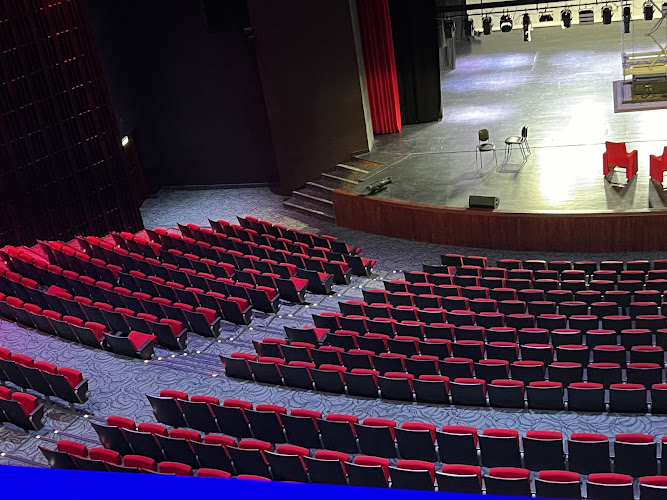
Teatro de la Ópera

Estatua del Tigre Maracaya
Find Accommodations Nearby
Recommended Tours & Activities
Visitor Reviews
There are no reviews yet. Be the first one to write one.
Share Your Experience
Have you visited Aeronautics Museum? Help other travelers by leaving a review.